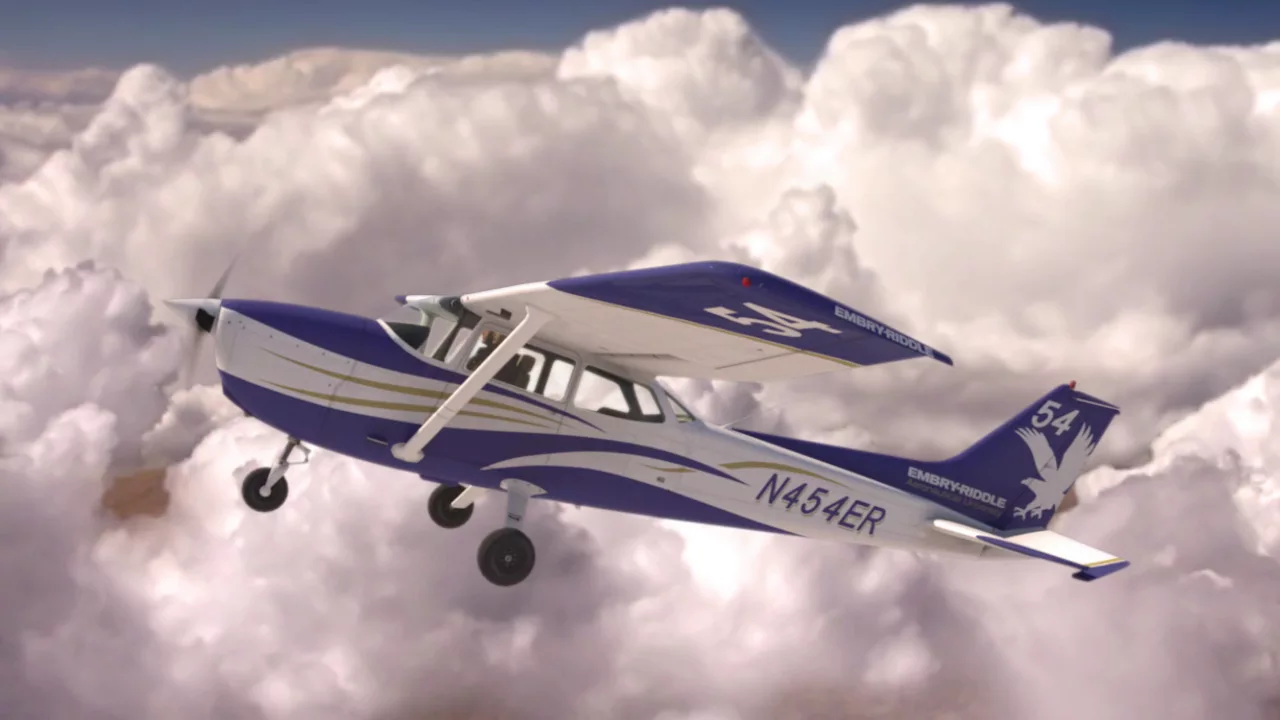
the flight controls consist of various services around the aircraft that manipulate the aerodynamic forces on the plane allowing the pilot to control the aircraft aircraft flight controls are broken into two systems primary and secondary flight controls primary flight controls are simply those flight controls that the pilot primarily uses to control the airplane the three primary flight controls are the ailerons elevator and rudder secondary flight controls on the other hand are used to change the airplane's performance and lighten the Pilot's workload the two secondary flight controls that we'll discuss are the flaps and trim the pilot
controls the ailerons and elevator with a yoke or stick and the rudder with the rudder pedals in most General Aviation airplanes as the pilot moves the controls he or she is moving steel cables or push rods connected through other linkages that physically move these controls as the control service is deflected the air flow is changed which results in an aerodynamic Force changing the airplane's path through the air let's investigate the three primary flight controls in more detail the aerons are located on the back end of the Wings out towards the tip and control the aircraft's
roll or Bank when the pilot moves the controls to the left the left aileron is deflected up up creating a downward force and the right aileron is deflected down creating an upward Force this results in the airplane rolling to the left the opposite would happen if the pilot were to move the controls to the right the elevator is attached to the back of the horizontal stabilizer and controls the airplane's pitch which allows the airplane to climb or descend when the pilot moves the controls forward or AF the elev rotates deflecting the air and creating a
force that results in the airplane's pitch changing if the pilot pulls back on the controls the elevator will move up creating a force that pushes the tail of the airplane down thereby making the nose pitch up and causing the airplane to start climbing finally the rudder which is controlled by the rudder pedals is attached to the back end of the vertical stabilizer as the pilot pushes on one of the rudder pedals a cable connected to the Rudder allows the rudder to move just like the other flight controls as air moves around the deflected Rudder A
force is applied making the airplane yaw simply if the pilot pushes the left Rudder pedal the nose of the airplane will slide to the left the easiest way to Envision this is to think of an airplane suspended on a string above the ground if you and your friends were to walk up to the rudder and push as hard as you could towards the right what do you think would happen the tail of the the airplane would move to the right and the nose would move to the left it's that simple we use the rudder in
coordination with the aerons to turn the airplane the primary flight controls then fundamentally work the same the pilot moves a control on the cockpit which through cables and other linkages moves that control as that control is moved the air flow around it gets deflected creating a force and results in the airplane either rolling pitching or yawing in order to help improve the performance of the airplane and make the Pilot's job easier most General Aviation airplanes are equipped with flaps and trim known as secondary flight controls let's examine these further the flaps are located on the
back side of the wing close to the fuselage they are primarily used to help increase lift during takeoff and Landing the pilot controls the flaps by moving a lever in the airplane which either electrically moves the flaps by a motor like on the cesna 172 or the pilot manually moves the flaps using a lever like on the piper arrow in either case as the pilot extends the flaps the shape of the wing changes which increases lift this allows the airplane to fly at slower air speeds and make steeper approaches to Landing this is extremely beneficial
during takeoff from a short Runway because it allows the airplane to take off at a slower speed meaning it will use less Runway during Landing the pilot uses flaps to allow the airplane to land at a slower air speed using less distance to decelerate and stop the other secondary flight control that we'll discuss is trim the trim is used to make the Pilot's job easier and allows the airplane to essentially fly itself with fewer control inputs by the pilot the cesna 172 like most training airplanes has two trims one that the pilot can directly control
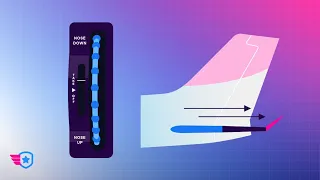
through cables on the elevator and the other a ground adjustable tab on the rudder the elevator trim is typically controlled through a wheel inside the cockpit that is labeled nose down or nose up as the pilot moves this wheel the cables will adjust the elevator trim tab which is located on the AFT or back end of the elevator usually during takeoff the trim tab is in its neutral position which means it is just about flush with the elevator as the pilot climbs however he or she may trim the airplane to help relieve control pressure and
prevent pilot fatigue if he or she wants to climb at a specific air speed then the trim can be adjusted to maintain that air speed the rudder has a ground adjustable trim tab that simply means that it can only be adjusted while on the ground as the pilot has to manually move it the rudder's ground adjustable tab helps the pilot during climb because of the left turning tendencies that the plane has while climbing we'll talk more about those turning tendencies in a future lesson it is obvious that the flight controls are a necessity for the
pilot to fly the airplane the pilot manipulates these flight controls in order to achieve the desired performance out of the airplane now that we have a basic understanding of the components of the airplane and how pilot controls different surfaces let's go under the hood of the airplane and investigate the power plant