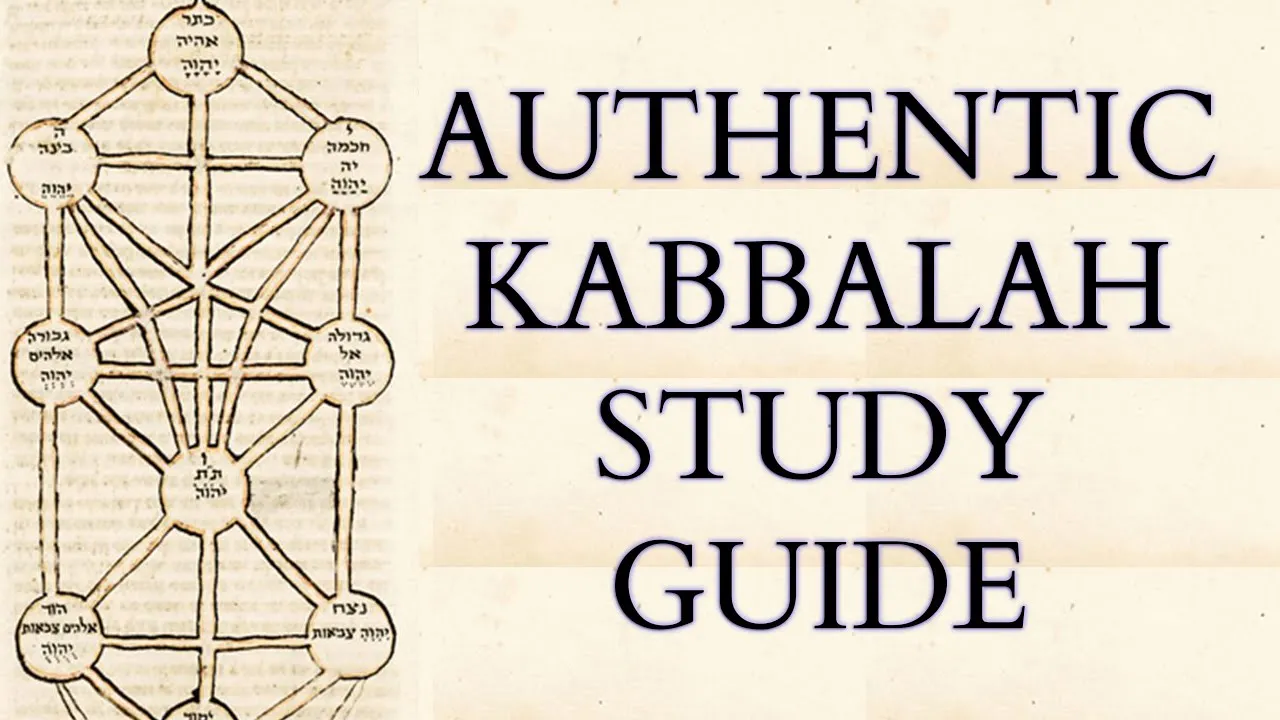
the kabbalah is admittedly well it's vast and complicated spanning the practical theosophical and prophetic modes over 800 years through massive volumes composed in half a dozen languages some of which are so arcane that they're basically idiosyncratic to specific texts looking at you say for zohar all of which aim to provide comprehensive and systematic solutions to some of the most profound theological questions ever posed i mean no big whoop no aspect of the kabbalah is simple and even before taking up the study the literature just assumes a significant degree of mastery of biblical texts of the rabbinical literature including the massive volumes that are the talmud and the midrash literature along with halacha or jewish law many of which are all written in hebrew and aramaic taken from this perspective it's just really overwhelming and it's not totally surprising that seasoned kabbalists take paperback amazon. com introductions to kabbalah with a grain of salt to say the least so when i get the question given all of this where should i begin if i really want to study authentic historical kabbalah and i have to admit that i find myself kind of flummoxed by this question on the one hand i don't want at all to play into the gatekeeping mentality that if one hasn't mastered all of this and all of that and the other in hebrew and aramaic then you really can't study kabbalah i don't really want to give in to that nor do i want anyone to think that the very real complexities of the kabbalah can be well honestly they cannot be condensed into any handy-dandy 150 page book but neither of these positions strike me as real good faith answers to the question so what is my answer these days to the question where should one start studying kabbalah in a historically grounded authentic to the tradition way well i think there might be a perfect little text that answers that exact question in a way that manages to be one an actual historical text by a kabbalist writing for beginning kabbalists two it allows one initial access to other historical kabbalistic texts especially the safer zohar and three it gives one insight into the very mode of kabbalistic reasoning and finally for it's easily accessible in both hebrew and in english and it's actually in a good translation it's reliable and it's affordable it's even free online that text is the or narav or the pleasant light composed by the illuminated 16th century sephitian master of kabbalah moshe cordovero this rather brief text composed in a clear systematic style outlines why how and whence one should study kabbalah what makes for a good teacher and what makes for a good student the benefit of such a study and it introduces and summarizes many of the core metaphysical ideas of kabbalah along with providing a really helpful glossary for the beginner to begin to decode some of the classical texts such as the safer zohar on your own all in all the orna arab is perhaps one of the best primers for the budding kabbalist written by one of the greatest mystical sages in jewish history so let's dive into it a bit if you're interested in kabbalah mysticism magic alchemy and the study of the occult make sure to subscribe to the channel check out my other content on topics and esotericism and also if you want to support the work of providing content like this accessible scholarly and free here on youtube which covers a range of topics in esotericism i'd hope you consider supporting my work on patreon or perhaps with a one-time donation you can find those links below and i really do appreciate your supporting the channel it makes all of this work possible but now let's turn to moshi cordovero's introduction to the kabbalah the or netirav or the pleasant light i'm dr justin sledge and welcome to esoterica where we explore the arcane in history philosophy and religion [Music] [Music] by the middle of the 16th century the kabbalah had truly come into its own not only that but following the genocidal edict of the alhambra decree of 1492 which expelled hundreds of thousands of jews from the iberian peninsula kabbalah had developed a new center the galilean town of safeed artsvat following the conquest of the region by the ottomans under salim the first salim the grim a positively metal name whose father by the way was bathed the second who doesn't get nearly the credit he deserves for personally saving tens of thousands of iberian jews following that 1492 alhambra decree the otherwise sleepy town of safad would grow into the central crucible for the development of the kabbalah for a few distinct reasons the first is simply material the town was on the maid trade and postal artery to damascus and a central player in the regional linen industry in fact an ottoman era foolery can still be visited in spot at this day along with a relatively peaceful ottoman authority which was highly tolerant of the jewish population there along of course with the actual and mythical historical connection to the kabbalah as you probably know the safer zohar despite being a composition of the 13th century in spain is actually set in the second century palestine specifically in the galilee indeed the graves of several sages associated with the zohar most especially the hero of the zohar shimon bar yochai is actually located in the vicinity of svat or safed at meron for the kabbalistically inclined returning to safed in the galilee was something of a homecoming further this is all match with an acute rise in messianic expectations profound developments in the systematization of the kabbalah itself along with the introduction of new forms of mystical piety in the suffered community all of this would come together to produce one of the most important intellectual and mystical ferments in jewish history maybe even in human history given the enormous historical impact that kabbalah has made one of the true luminaries of this period was moshe ben yaakov cordovero a jew of iberian ancestry perhaps although we don't know but maybe born in and around saphed like all learned jews of his time cordovera began his studies in the world of biblical and rabbinical literature before being urged by a mystical voice to turn to kabbalah at the age of 20 under the tutelage of his father-in-law rabbi al-kabats by 27-27 cordova would compose one of the greatest systemizations of kabbalah in history his party's rememe or the pomegranate orchard he would also go on to compose a truly monumental commentary on the safer zohar which runs into over two dozen volumes and other relatively obscure works some of which actually remain unpublished to this day along with these titanic studies cordovero also produced several more accessible works one on kabbalistic ethics the tomer devorah or the palm tree of deborah which has gone on to independent fame and remains a complete classic in the world of moussar or jewish ethics it's going to get its its own episode at some point in the future so don't worry i'll circle back to it further he and the circle around his teacher alphabets would pioneer novel customs such as all night study sessions taking to the fields to greet the sabbath bride this custom would become the kabbalah shabbat service that you've if you've ever been to a synagogue on a friday night you've probably experienced and the practice of garu sheen or exiles where he would roam barefoot in the summer as an act of asceticism through the land imitating the exiled shrina or divine presence in which he received mystical revelations along the way though the star of this episode is his introduction to the kabbalah more generally the or irav or the pleasant light first published in 1587 by his son gedalia the orn erav is a brief guide for the beginner looking to study kabbalah it systematically defends the study of kabbalah describes what how and when to study how to pick a good teacher some general study tips a sustained summary of kabbalistic theosophy at least according to cordovero and especially focusing on the procession and relations of the sphere wrote or the divine emanations along with a really helpful glossary for decoding other kabbalistic texts especially the safer zohar all in all it's a compact clear and genuinely helpful guide for anyone wanting a historically authentic starting point for the study of kabbalah but hold on it's kind of strange isn't it in the kabbalah inherently esoteric the carefully guarded secrets of the rabbinical elite kinda and this gives us another insight into cardavero's life and times recall earlier when i said that messianic and redemptive expectations were greatly heightened in the aftermath of the exile from the iberian peninsula remember that part from earlier well the unveiling of the kabbalah was thought to play a central role in the process of messianic redemption so much so that rather than being hidden away there was an active push during this period to popularize these previously highly esoteric concepts indeed cordovero's work especially the publication and composition of the tomer devorah and the orna irav have have to be understood as part of this popularization of kabbalah in the service of ushering in the redemptive messianic age in fact this next wave would continue for the entire next century eventually giving rise to and to some degree underwriting the messianic pretender shabbat sv in fact it would be in the aftermath of that disaster that strictures would again be imposed upon the dissemination of kabbalistic ideas strictures which have as all such strictures only really enjoyed mixed success i mean you're watching a video about about kabbalah so the oran irav has to be understood not only as a kabbalistic primer but also as cordevero doing his part to usher in the messianic age thus his genius is not only as a great systematizer of kabbalah in history at least i think he was the best you lurianic people can come at me bro in the book the party through a meme but also to produce such an inviting and accessible starting point for the beginner i think one mark of genius is to have such an elite understanding while steering clear of much in the way of well elitism and i think cordovero truly accomplishes that in these texts so let's take a short tour of the or irav or the pleasant light which begins with a positively scathing attack on those that shine the study of kabbalah and when i mean scathing i mean cordovero openly accuses them of disrupting the flow of divine energy through the sphere wrote thus impeding redemption itself and he says it would be better off if such people just were never even born i mean damn this coming out it's coming out swinging so let it be known cordovero got hands y'all he then proceeds in the next few chapters to derive proof texts to establish that you know those that show the kabbalah are nothing short of sinners actively working against the divine and preventing redemption for the rest of us thanks guys these first few chapters also give the reader their first real chance to wet your palate in kabbalistic theosophy but also in the general mode by which kabbalistic arguments are established through proof texting so immediately one gets a sense of what's at stake in kabbalah well nothing short of the final redemption of reality but also the methodology of establishing these kinds of truths through exoteric and esoteric argumentation employing a range of jewish scriptures especially the safer zohar he divides these redemption blocking shunning people into three groups those that deny that there's any esoteric dimension to the torah at all he thinks these people are just basic simple-minded morons second group of people are those that think that such esoteric dimensions do exist but they put off such study arguing that not until they've mastered every other form of knowledge under the sun from the talmud to astronomy should they ever attempt to study kabbalah here cordovero just argues that the perfect shouldn't be the enemy of the good and that given the stupendous metaphysical power of kabbalistic study one must get the best foundation you can and we'll get to it start studying as soon as you can study the kabbalah we got we got redemption here folks we got to do this finally there are those that argue that such studies will lead one to heresy especially without a wise teacher again cordovero here is immensely practical wise teachers of kabbalah were rare then now and he argues that it's better to learn on one's own rather than not learn at all waiting around for some teacher even if that leads to incorrect ideas at first even if it kind of leads to heresy at first in fact he actually takes it that serious study will ultimately be guided by nothing short of divine aid god will come help you out and that's certainly better than to have no teacher than a bad one i mean with no teacher you kind of get the divine to help you and yeah that's that ain't nothing but about poor and false teachers of course cordovero acknowledges that the study of kabbalah can lead a person to heresy but this really concerns him more about teachers than about students and the distinction here it's pretty important while a student may learn something incorrect or come to a heretical position or learn things poorly they can still be corrected through more study or a better teacher but a teacher who arrogantly thinks they've got it all figured out really causes significant damage thus studies should be encouraged but we should be suspicious of so-called teachers and vet them accordingly especially ones that put themselves beyond reproach claim to have all the answers or refuse to be corrected by a wiser teacher but how can a beginner recognize such a false teacher of kabbalah cordovero notes that any teacher of kabbalah should be skilled in dialectic or peel pool they should be able to make logical arguments and defend them logically and publicly secondly any such teacher should have a firm foundation in classical biblical and rabbinic literature obviously in the original languages and finally in in some sense maybe even most importantly they should be learning and teaching kabbalah for the sake of the redemption and not never for the sake of their own pride vainglory or ego failure of any of these three criteria means that that person should be disregarded completely as a teacher as you might imagine cordovero doesn't have much kind to say at all about these so-called teachers in fact he likens them to the hideous demonic clepote the husks of reality left over in the residue of creation while real trees bear fruit these wretched teachers only grow evil husks thus spreading their corruption throughout reality we're also told that teachers must be really careful in selecting students because selecting the wrong people is quote like revealing the genitals of the torah to the sons of the demoness lilith as the zohar has it and as cordovero lays it out but the good thing is that such clepotic teachers don't really exist anymore on certainly not on the internet right all right evil teachers aside after establishing this defense of the study of kabbalah and slamming those as clipotic who shun or falsely teach it cordovero goes on to show that such study is actually a duty a duty on those capable of undergoing it in fact he really leans heavily here on maimonides this also really reveals a rather lovely marriage of the more rational guide of the perplexed and the more mystical much more mystical teachings of the kabbalah indeed only the study of kabbalah for cordovero actually and fully answers the riddles of both creation and the obscurities around jewish law there's a lot of obscurities there something which philosophy just can discuss and maybe aptly discusses it but it cannot on its own solve those dilemmas thus the kabbalah and philosophy work together to provide a comprehensive vision of why reality is the way that it is but also how we should conduct ourselves in righteousness in this reality to redeem it here ethics and metaphysics are really interestingly combined and again for folks interested in that angle of cordoveros thought you gotta check out his tomer devorah the palm tree of devorah again i'll be circling back to it in a future episode mystical ethics is it's neat now that he's established that we should study and why now comes the how and the when of study here things are marked by a combination of fear and joy a kind of radical humility but also bravery in the hopes of securing mystical wisdom and doing your part in the process of the greater redemption cordovero notes that one should avoid avoid books purposely written to obscure their meaning he simply has no time for obscurantism too much is at stake such books filled with riddles and metaphors are just meant to puff up the pride of the author confusing the reader in the interest of making the authors seem more wise and more enlightened than they probably are again cordovero links clarity with piety and wisdom again the point of the kabbalah for cordovero is ushering in the final redemption of reality not showing off how smart you are with flowery dense and opaque writing hey continental philosophy y'all listening to this heidegger delis y'all out there listen to my buddy cordovero so where to start cordover actually provides a kind of preliminary reading list zeroing in on specific sections of the safer zohar with a foundation in the safer yetzera and the safer by here now if you're curious about those texts i've actually done an episode on them you can dig into those topics in the cards above now interestingly enough cordovera seems to think that the zohar on the sections of ruth and on lamentation actually predate the corpus of the zoharik literature and even more interesting he seems to have access to zohar on esther which is no longer a stock no one seems to have ever seen this aside from cordovero and it's kind of unusual that he mentions it further he also encourages the study of ma'asebureshit and i say merkava are the mystical accounts of creation and the mystical journey to the divine throne these of course are pre-kabbalistic forms of jewish mysticism which actually date to the late classical period again you can check out my episodes on those topics in my playlist on kabbalah if you're curious to learn more about them cordovero urges the beginner to skim through a text at first taking notes along the way but then they should take additional passes with greater and greater concentration and devotion especially for difficult passages according to him such passages will become clear with well intense devotion to the text with god literally rewarding the student through divine apperception of the material he argues that one should begin one studies at the age of 20. that's the same age that cordovero himself began to study kabbalah with the ideal time to study being after midnight until dawn on the sabbath on holidays especially shavuot and most especially inside the sukkah during sukkot now there's some complicated stuff here to unpack if you're watching this video you've probably heard that there's an interdiction on learning kabbalah prior to being 40 being married being educated et cetera et cetera well that's kind of true this is actually grounded in pirkei of vote five where yehuda bin tama labes out something like a life plan he says at five years of age you should study scripture at the age of 10 you should study the mishnah at the age of 13 you're subject to the commandment you become a bar mitzvah at 15 you begin the study of the talmud at 18 you you get married seems young at the age of 20 you're out there working at 30 you have the peak of your strength at 40 you achieve wisdom at 50 you're able to give advice or counsel at the age of 60 you've reached old age at 70.
that's the fullness of years at 80 you achieve a kind of mystical strength at 90. you have a bent over body at 100 you're as good as dead and completely gone out of the world i'm not kidding it actually ends like that the kabulis took this at the age of 40 that one achieves binah and given one's previous education on biblical and rabbinical foundational texts only then could one get ready to take up the study of kabbalah generally speaking this possession held and still holds but again given the messianic fervor of cardavero's day they were a bit more eager to get people well studying kabbalah these rules were worth the sake of education and not for the sake of making rules and thus they could be they could be bent a little cordoveros started at 20. though he does still state that getting married is still a prerequisite for studying kabbalah having a righteous conduit for one's sexual desires was seen as a necessary precondition for focusing one's attention on the sacred marriage of teferet and malhot the hieros gamos of israel and the divine the physical and supernal worlds rather than thinking about booty also that studying from midnight until dawn or even multi-day all-night study sessions the most famous of which became the custom of studying all night on chavo oat became a staple of civilian spirituality mostly underwritten by the novel rise in the consumption of coffee coffee became all the rage at this time and really helped them stay up all night interestingly enough a similar trend actually took hold at the exact same time with our muslim brothers over there the sufis also drinking a lot of coffee spinning around staying up coffee aside for cordovero the advantages of kabbalistic study were patentedly clear it well speeds up the process of redemption there's always that it assures one a place in the world to come it allows one to merit the most glorious death possible the death by divine kiss it allows one's soul to cling to the upper worlds even in this lifetime you get accompanied by angels and the souls of passed away righteous people it elevates this generation to the righteousness of the generation's past it removes false and idolatrous anthropomorphic conceptions of the divine no there it's a bit like maimonides it facilitates proper understanding of the torah and its laws and even allows one's prayers to rise up through the registers of reality unimpeded by the evil clepote whose sinister gravitation seeks to bind the world in eternal darkness you get to bypass the clepote thus the study of kabbalah links one with the divine realm it removes the dross of clipotic impurity and it accelerates the process of metaphysical redemption more generally for cordovero it's nothing less than the final key to redemption studying kabbalah will ultimately usher in the perfection of reality so to get you started on this the final sections of the orna era form a summary of kabbalistic metaphysics as they occurred specifically the procession and development of the sphere wrote as further detailed in his part a through a meme in fact it's really just a kind of summary of party through a meme now given this whole section is a summary i'm not going to i'm not going to re-summarize it i'm like 7-0 or something summarizing a summary but suffice to say it's one of the most lucid depictions of the inner dialectic of the sphere wrote as they proceed from the inner sacred void of ainsof and we interact with them here the text comes to an end with a final study aid cordovero actually mines the safer zohar for the many metaphorical and allegorical names for the various fear wrote and other metaphysical entities of kabbalistic literature especially the zohar as i'm sure you know the zohar is a highly allegorical analysis or midrash of the inner life of the divine especially in terms of the ten sphere road of course the zohar weaves these allegories using an extremely extremely polyvalent system of terms which are positively confusing even for experienced readers of the text this might be the most difficult aspect of studying the safer zohar here cordovero does you a solid and he provides the beginner with something of a mystical dictionary such that one can kind of decode even such a difficult text as a zohar on one's own again this reveals cordovero's deep commitment as an educator rather than gatekeeping at every turn he seeks to empower the student with access to the ideas and the text central to kabbalah with inviting clarity rather than pompous obscurity or self-aggrandizement he really wants you to take up the study of kabbalah on your own or with a righteous teacher while not the most famous text in the history of kabbalah the ornairav is truly a remarkable text not for its tortured hidden mysteries but for its welcoming attitude and its transparent invitation to take up the study of kabbalah for anyone willing to do the work for this reason and for all the other ones i've mentioned i really advise folks interested in starting or restarting their interest in kabbalah to start their journey with the orna irav further it's freely accessible in both hebrew and english online via safaria so you can literally read it right now for free in the very reliable edition by ira robinson you can find those links to the text in the description below and it's it ain't even published by brill or nothing as i mentioned i'll be coming back to cordovero's tomerit devorah the ethical companion to the orina irav at some point in the future of course cordovera would pass into the world to come in 1570 at the young age of only 48.








![The Tree of Life: A Beginner's Guide [Esoteric Saturdays]](https://img.youtube.com/vi/BAE53Jqp5X4/maxresdefault.jpg)