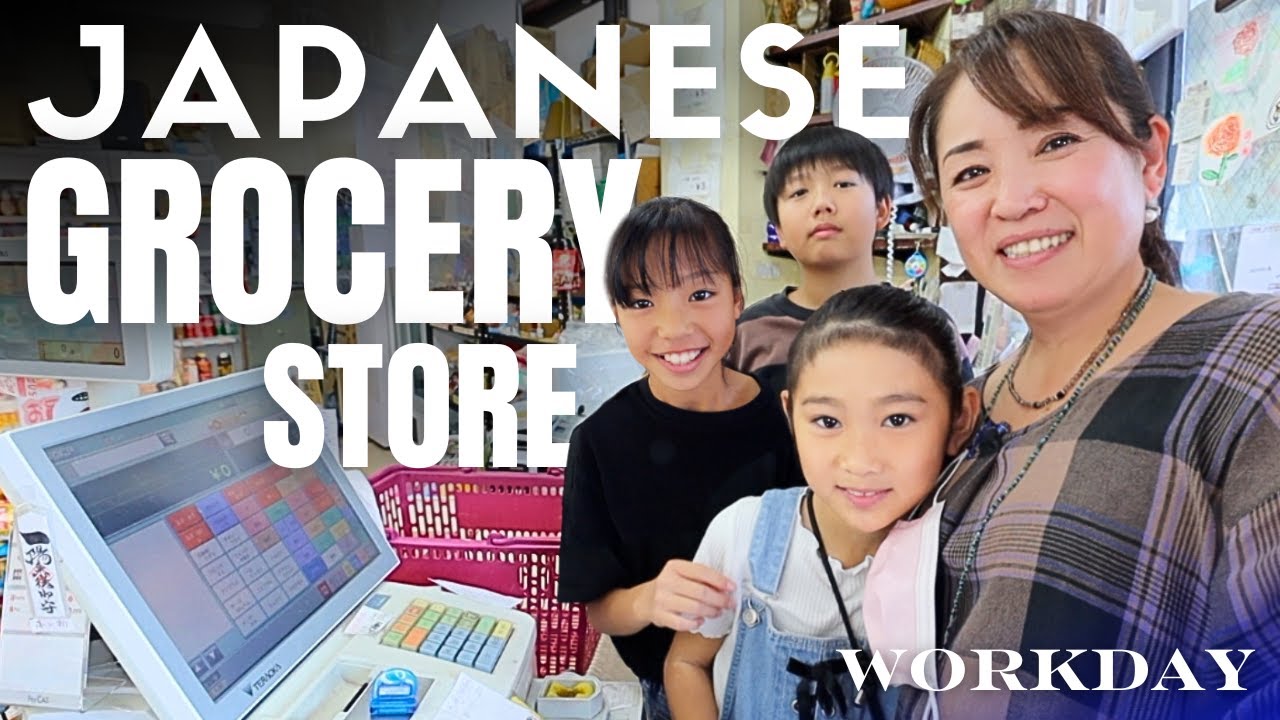
So, in this video, I want to share with you what my Japanese wife actually buys at a Japanese supermarket. You know, Japanese people buy all sorts of stuff. And I was really surprised what she buys compared to what I buy.
So, I'm going to take you along for today's [Music] ride. That's my Japanese wife, Mo. Of course, born and raised in Japan in a typical Japanese family.
And today, I'm going to be following her on her typical supermarket grocery run. But before we start, I just wanted to thank Life Supermarket at Central Square Aisu Garden Place for letting me film this very everyday experience. So, because of Japan's unique culture and lifestyle, the things my Japanese wife buys daily are quite different from what you might typically get in Western countries such as the US.
You'll see what I mean shortly. But as we go, let me know in the comments how everyday Japanese grocery items differs from your home country. Oh, looks like she's starting from the seafood section.
makes sense since it's definitely a big part of Japanese cuisine. So much so that it's regularly found on Japanese families dining tables. And my wife is no exception.
After all, Japan is an island country surrounded by water. This supermarket offers a wide assortment of fresh fish, sakana. And if you ask, the staff will even fillet it for you just the way you like it.
[Music] Hey, why'd you get that fish? I like grilled fish, but I'm too lazy to season it. There's a pre-seasoned fish, so I usually get those.
It's easier. One fish she often gets is a gindada paiko, black cod marinade in psycho miso. It's so easy to prepare as all you have to do is pop it in the fish grill or on a pan, and it's ready to serve after a few minutes.
It's the Japanese housewives's secret weapon to quickly make a delicious and healthy meal for her family. There are some other variations between types of fish and marinades like salmon or splendid alonsino with siko miso mirin or even a sake le marinade. She also often buys salted salmon to grill which is popular in Japan to serve at breakfast as is or as an oni giddy rice ball filling.
The ones on the right are Atlantic salmon, which Westerners are probably familiar with. While the salted salmon tastes quite a bit different, as it's yes, much saltier, but it also has a more concentrated umami. [Music] So, why that meat?
Oh, I'm going to use it for a vegetable sate. In Japanese home cooking, we use a lot of thin sliced meat. Not just pork, also beef.
You can use it in many things. I think it's the most common form of meat. In Japanese supermarkets, you'll typically find more thinly sliced meat rather than steaks or large cuts.
This is because many traditional Japanese dishes like skiyaki, shaboo shabu, ginger pork, and countless stir-fried dishes are made with thinly sliced meat. Additionally, unlike in western countries where large ovens are common, most Japanese households primarily use compact stove tops. So, naturally, thinly sliced meat cooked on a pan have become the standard.
Also, the supermarket will sell in single packages for individuals to ensure the meat is always fresh and doesn't go to waste. Here's a supermarket tip for you. Most Japanese supermarkets give out free Wagyu fat, which many Japanese wives take advantage of when cooking their meat, as it adds a unique sweetness and umami to their dish.
In Japan, it's common for people to drink ocha, green tea. And although there's a whole entire tea tradition and related manners that come along with it, most everyday people will drink it whenever and however they like simply because they enjoy the taste. At the same time, drinking green tea before, during, and after meals provides different benefits.
But many Japanese wives like mine drink it for its anti-aging properties. What you looking at? Oh, this is sencha.
It's what I usually drink daily. Oh, and I also like ya cuz we did a video since then. It's so good.
Also, I like yuro, but it has a little more sweetness. I I like seno. This item my Japanese wife uses to soak up used cooking oil for easy disposal.
While there are other powder types that are mixed with the oil to solidify it, which serves the same purpose. In Japan, dumping used oil into the drain of the kitchen sink is a no no as it will lead to clogged pipes. So, this is one of the solutions for it.
Oh, she's looking at the yogurt flavored drinks. Why Kalpus? Oh, this is for Wolfie.
He loves it. It's also good for your stomach, I believe. So, I just give him This is a condensed version, so you have to mix it with water.
He also promises different flavors. Yeah, tastes good. Help us.
Next, my wife gets a corn soup powder. In Japan, the powder form is more common than canned soup like Campbell. The most popular ones are corn, potato, mushroom cream, and pumpkin flavor.
It generally takes up less space and is lighter to transport. Hey, so before we continue on, I want to give a quick shout out to the sponsor of this video, Squarespace. Now, if you don't already know, Squarespace is the number one way to build your online presence.
In fact, I use Squarespace for my website, Tokyo Zebra. Here are just some of the reasons why I love using Squarespace so much. First of all, I've been promoting Squarespace on this channel for years now, and let's be honest, they still haven't let me down.
And as the internet has evolved over the years, so has Squarespace as they use cuttingedge design tools such as their blueprint AI and AI enhanced website builder to get a fully custom website in just a few steps, making it easy for beginners. No matter where you start, Squarespace is so flexible with intuitive drag and drop editing, beautiful styling options, etc. And like I said, no experience is required.
Also, if you want built-in analytics, Squarespace has you covered. Want to sell content online with a payment system? Squarespace has you covered.
Want to make your dream website today? Yep, Squarespace has you covered. So, there you go.
Go to squarespace. com today for your free trial. And when you're ready to launch, go to squarespace.
com/pal from Tokyo and get 10% off your first domain or website. Ooh, red canite. Oh, this is actually chicken and pork based dashi paste that's used for Chinese food.
We make a lot of Chinese, Japanese, Chinese food. So, this is my go-to. This is waya.
My wife literally puts it in all of the Chinese food dishes she makes. Chinese cuisine is very popular in Japanese home cooking. And because of this, the Chinese spice and sauce selection in the supermarket is usually extensive.
To avoid spending a lot of time making broth from scratch, Japanese wives commonly use this product. Also, it comes in the dried form as well. Next, my wife buys a rice brand oil for deep frying.
She says she likes its sweet aroma. Plus, it has antioxidants and vitamin E. Apparently, it's become popular in recent years amongst Japanese.
Next, she gets futuricake, Japanese rice seasoning, which her and my four-year-old Wolfie consume on the regular. And since kids love futurikake, you'll often find them packaged with popular characters. But, of course, there are ones that are not marketed to kids.
Next on our route is the table spice. This is ichimi and steimi. These are Japanese spicy peppers.
Ichimi is usually spicier than steimi. So ichimi is just like one chili pepper and stim is like one chili pepper and six other spice that's all mixed. That's why it's usually less spicy.
Why did you choose the more expensive one? Oh, because that tastes good. The Japanese standard are these from House and SNB, but of course there are gourmet types and fancy ones from smaller companies.
I'd say though that they're all relatively mild, designed for the Japanese palette and definitely not ever to the level of spiciness as my original powo from Tokyo hot sauce. Ooh, from the logo. This is curry paste.
Bonto pare is one of the traditional like old brand at one point. The powder got popular, but like I think they got upgraded and it tastes so good now. So, I came back to this one.
My favorite. The Japanese curry section is seriously overwhelming. There's so many kinds and each brand has mild, medium, and spicy flavors.
At the end of the day though, Japanese wives love curry as it's as simple as dumping meat, veggies, and water into a pot with curry cubes to make a delicious dish. In the same section, you'll find beef stew and cream stew [Music] paste. Now, she hits up the frozen aisle and she gets frozen suki udon, my son's ultimate favorite dish.
This is frozen udon. Obviously, you just pop it in the microwave and it's ready. It's just super easy and it actually tastes pretty good.
This brand is my favorite. Is the soup included? No.
No. You make it. Oh, this is actually really good, too.
This frozen gyoza is also super easy to cook. Actually, one of my favorites as well. Just plop them onto the pan as is without any prep, and in a few minutes, you get crispy fried gyoza.
Nice. The Sweden probiotic milk drink. Oh, this is Yakuruto like for adults.
They actually have a lot of good stuff like it's good for stress relief, improve sleep. So like I I Wolfie drinks a traditional small cult quite often. Also this brand Joa.
Up next are the sausages. It's common for Japanese to eat these sausages for breakfast along with other small dishes. It's cheap and easy to cook, which you're probably noticing by now is a common theme in this video.
Why that brand? Oh, this is my favorite brand. I tried them all and it has the flavor in it pops and my favorite.
They all look the same though, but they taste different. For kids, these are popular will be like chala sausage with a little characters. I get them for his bentos.
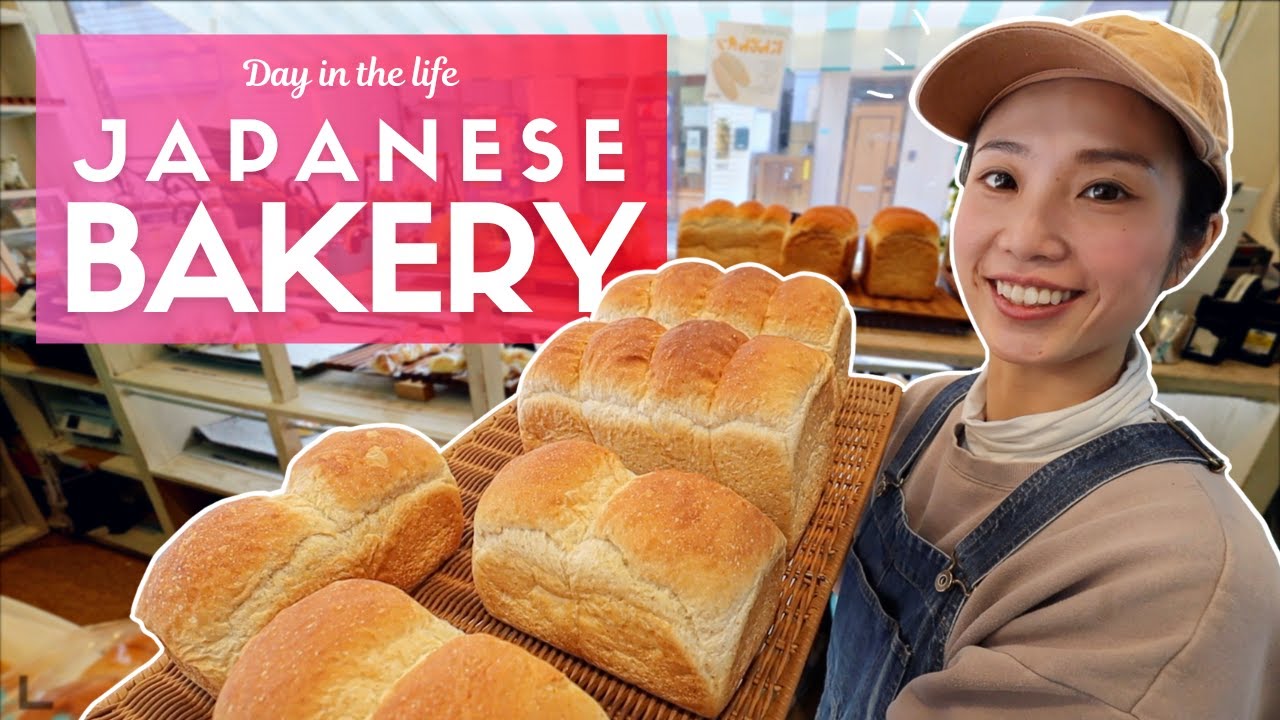
Finally, the bakery section. Larger supermarkets like this one often have their own bakery area next to the prepackaged bread. Their entire offering is quite dectable and might deserve a full video on its own.
What do you guys think? Freshly baked choco pan bread at the supermarket is my favorite selection quality. There's just so many options here for sure.
So, that's what my Japanese wife actually buys at a Japanese supermarket. If you guys like this video, help me out and hit that like button. If you guys want to help support the channel, then definitely check out my hot sauce.
Also, I've mentioned before, but I do have my hot sauce now in Shibuya. If you guys come to Japan, you can get it there. And if you guys want to see more videos like this or anything related to Japan, hit that subscribe button and the bell button.