the Jong culture began about 15,000 years ago at that time global warming was also quickly beginning as a result of global warming sea levels Rose around the world the tsushima current began flowing from the south into a brackish Lake transforming it into the Sea of Japan connected to the Pacific Ocean thanks to this warm current a bountiful broadleaf Forest began to grow in the Japanese archipelago the humans at that time were able to gather and use the natural resources like nuts and wild vegetables there a large Forest of beach trees grew in Hokkaido and Northern
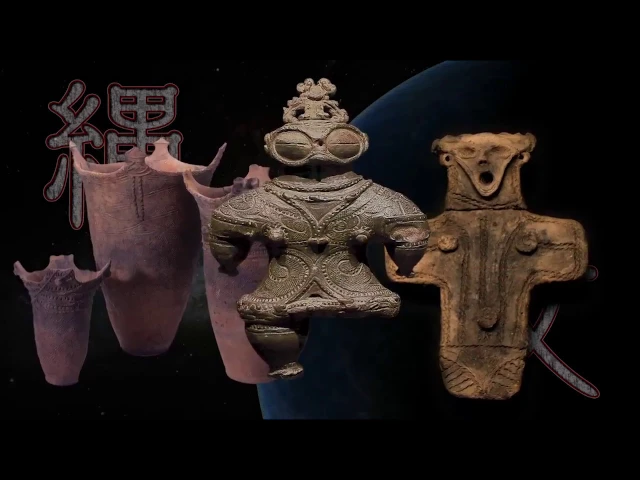
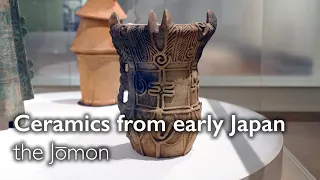
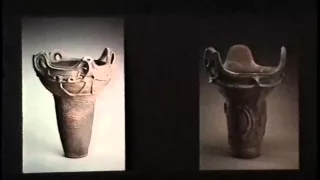
tohoku scientists assume the shirakami sanchi beach Forest a UNESCO World natural heritage site first appeared during this time around this time a human group who produced the first Pottery inhabited the Northern end of honu the main Japanese island this area is now known as the odai Yamamoto site located in soog Gama town of alori prefecture archaeologists found charcoal residue from cooking stuck to this Pottery dating analysis revealed that the charcoal dates back to around 15,000 years ago humans developed a wholly new way of cooking with [Music] Pottery it allowed them to use more natural resources
and consume a stable diet enabling them to establish a sedentary LifeWay humans began fishing Gathering shellfish and constructing numerous Villages near oceans rivers and lakes archaeologists found a large settlement with a graveyard in the kakoshima site of hakodate city as global warming continued the ocean moved further Inland bringing with it an abundance of fish and shellfish we can find proof of this in such places as the K kogan shellb of at city located along the funka bay and the irier takasago shels in toyoko town both in Hokkaido as well as tagano shelin in sugaru city
and futatsu Mori shelin in shiino town on honu over the course of time large scale settlement sites considered to have been permanent residential bases began to form these can be found in the oldun site in hakodate City located along the Pacific Sea and the goo site in ichin no Town located along the maichi river among them the sunai maruyama site in alori city was an outstanding settlement site continuously inhabited for 1500 years the people used Chestnut trees with a 1 M diameter as pillars to support an enormous six- pillared structure here [Music] in the later
phase of the Jon period the sedentary LifeWay eventually led to the large- scale construction of monuments these are represented by the U Stone Circle in kazuno City the is doai site in K Akita City the kakino site in alori city and the omori katsuyama site in hirosaki city as well as the kusu earthwork burial Serv in chos City lacquer techniques were also developed during the Jon period Exquisite lacquer craft Works have been discovered in the kamoka prehistoric site in sugaru city and the kikawa prehistoric site in hachin no [Music] City the Jon archaeological sites in
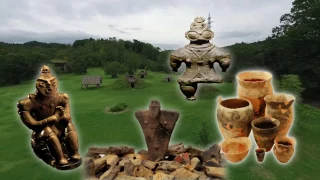
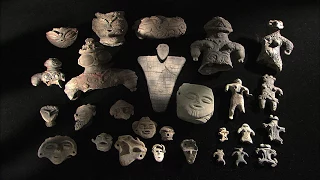
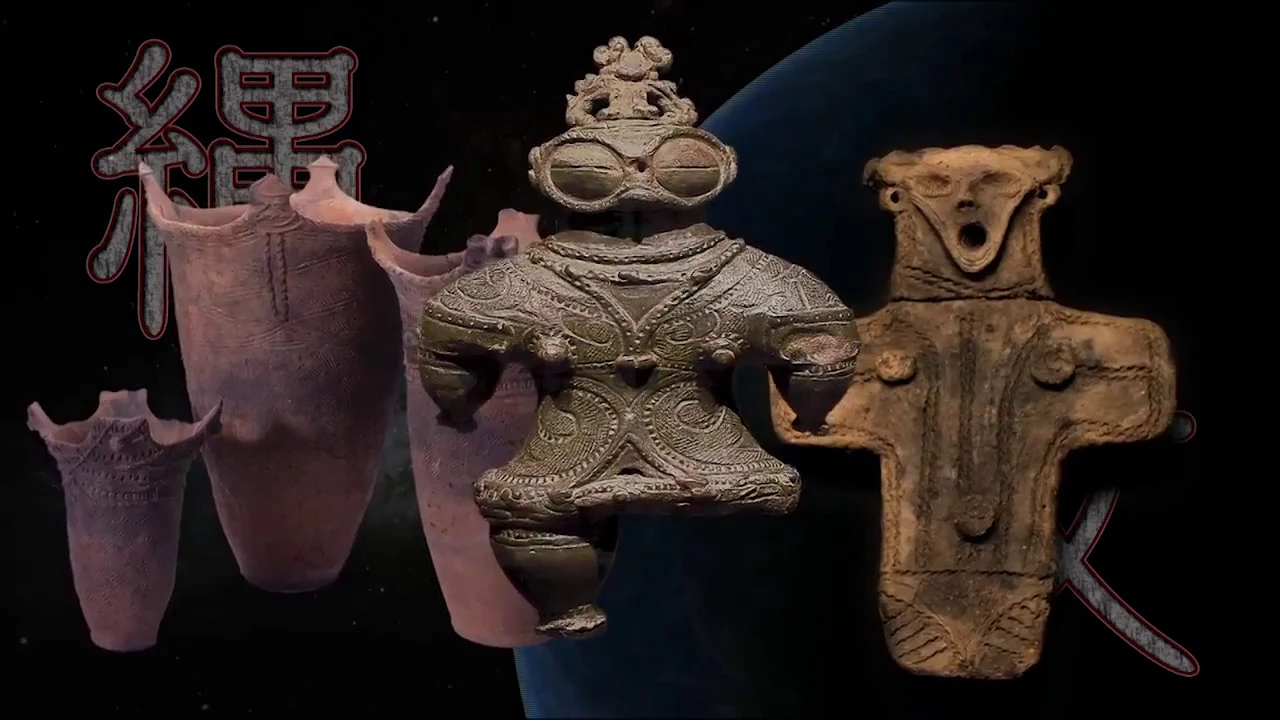
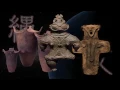
Hokkaido and Northern tohoku tell us the comprehensive story of the 10,000 year history of the Jon [Music] culture approximately one quar of the sites associated with the Jon period are found in this area historically valuable sites that have been designated as special historic sites and historic sites are concentrated in this area even though the honu and Hokkaido areas were divided by the tsugaru strait the people here used pottery with common forms and Designs a common cultural sphere was formed here despite geography Clay figurines known as dogu and ritual Goods demonstrating a rich spirituality are often
found in this area surprisingly the forms and designs of the pottery and dogu made here can be seen in areas as far away as hokuriku and kushu areas it seems as though the Hokkaido and Northern tohoku Area was a heart of Jon culture the Jon archaeological sites in Hokkaido and Northern tohoku have been properly preserved volunteer guides and conservation works are active in the sites and collaboration with the local communities has increased the Jon period continued over 10,000 years during this time the people confronted climate change volcanic eruptions and numerous earthquakes in spite of these
environmental changes and natural disasters the Jon culture persevered by making the best use of the Region's natural gifts we hope the Jon archaeological sites in Hokkaido and Northern tohoku will be inscribed on the UNESCO world heritage list for telling us the Long human history of the Jan culture [Music]