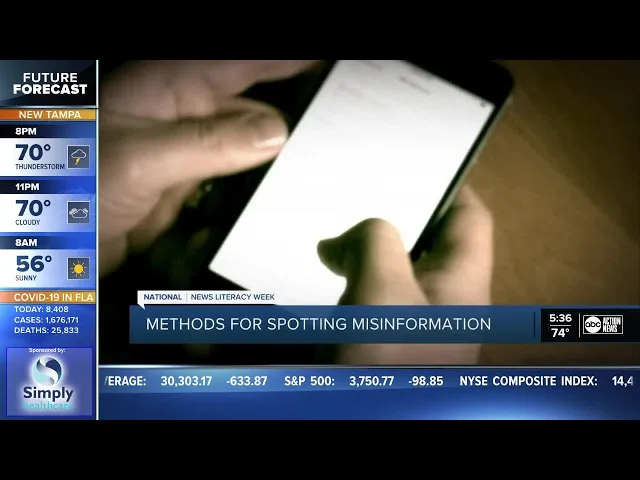
a lot of ways to stay informed about the news of the day more and more of us are getting our information these days online but not everything you read of course or see there is accurate in that space and this week we are continuing our ongoing series of special reports on news literacy and a look at what you really do need to know to make sure that the news and the information you get is the truth today abc action news in-depth reporter anthony hill is digging deeper into the spread of misinformation and how you can
make sure the news you are getting is from a trusted source in 2021 there is so much information online and nowadays more people are consuming their news from online sources from tablets laptops or cell phones we are more connected than ever before and the democratization and liberty of information online has made sharing and consuming content easier than ever but there's one problem there's a lot of fake news floating around online majority of the people actually believe that they can well identify fake news this is helen lieb week she's the president of the reboot foundation which
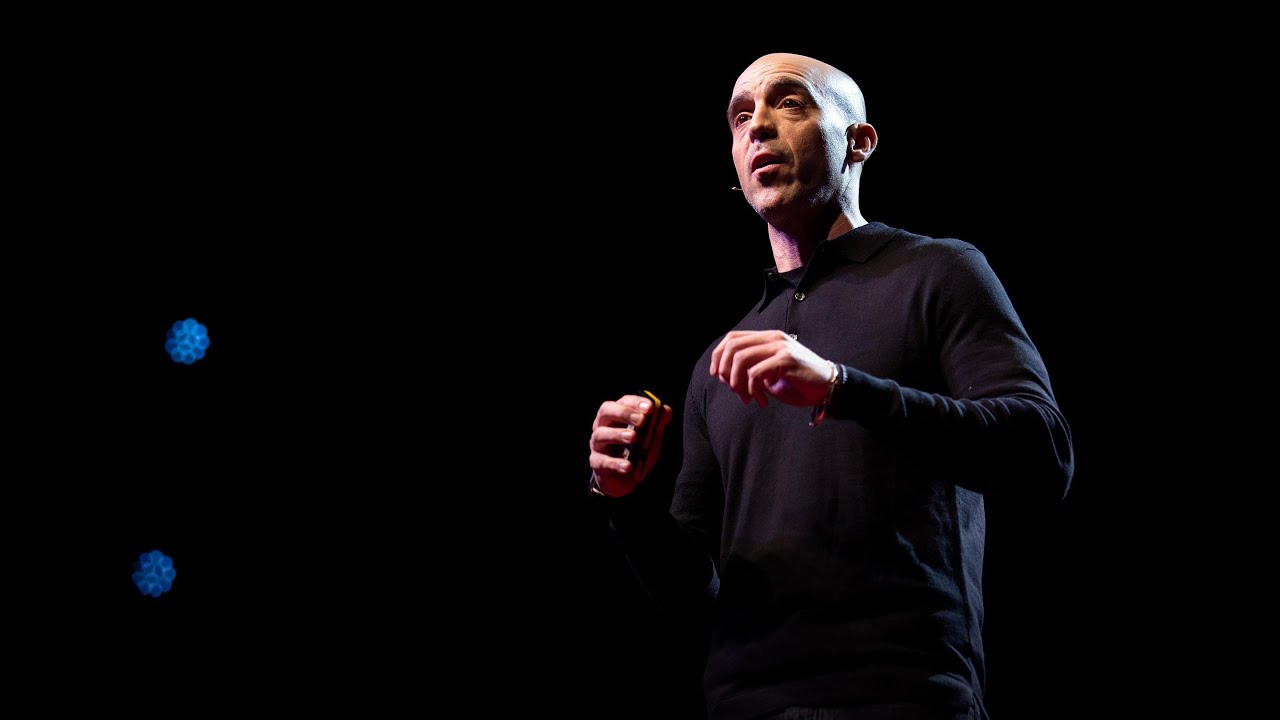
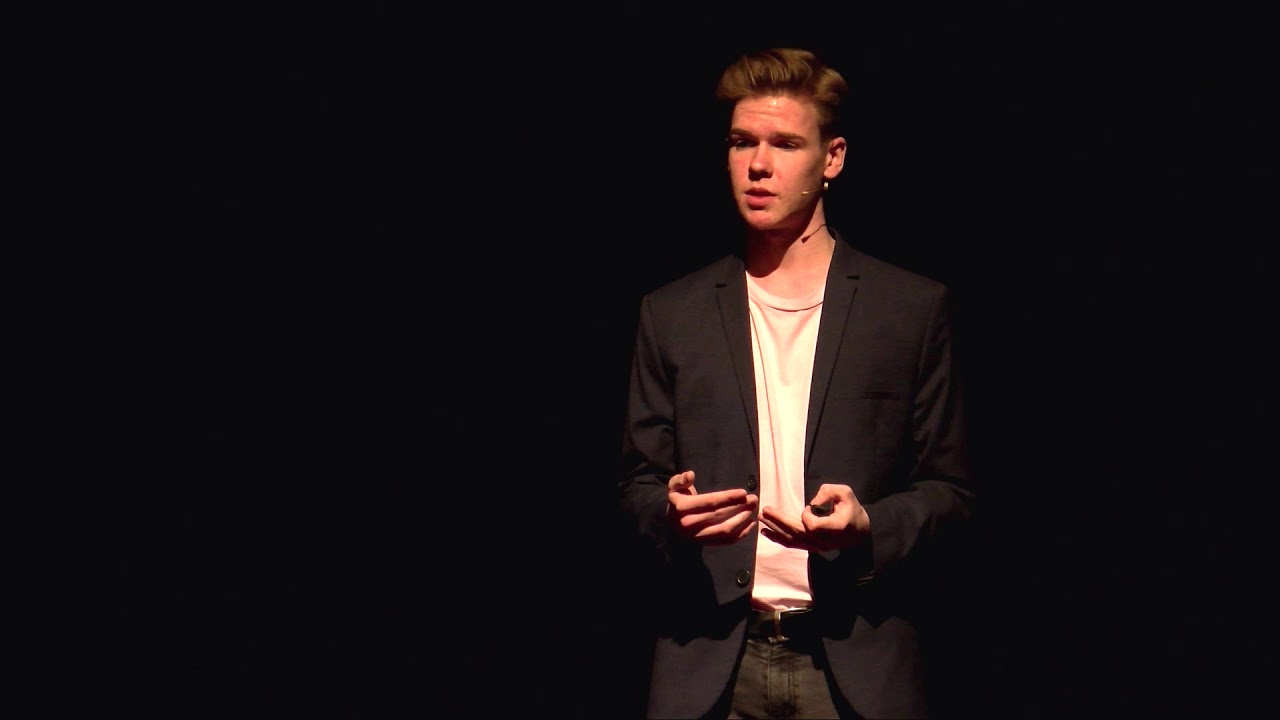
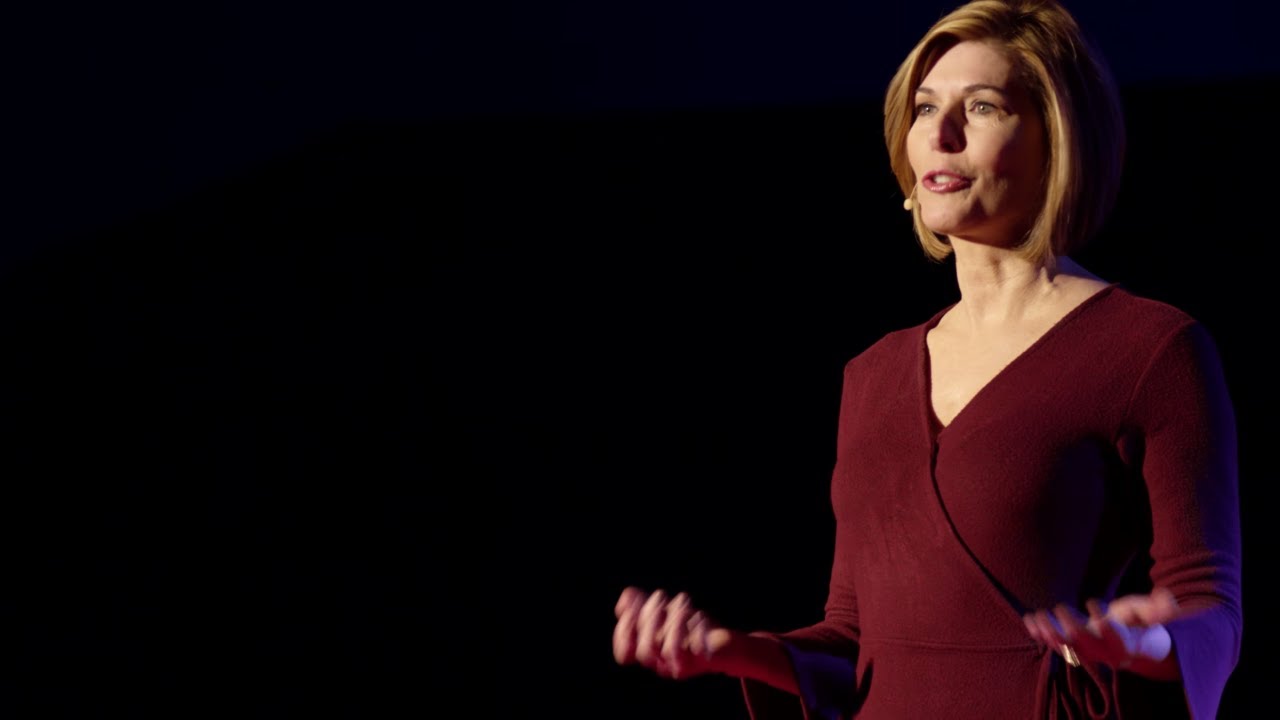
teaches critical thinking in the age of rapidly growing technology and social media she's even given a ted talk on the matter she joined me from her home in paris to talk about the importance of online news literacy and how you can avoid fake news the first step is having awareness of how susceptible we are to missing misinformation and disinformation she says when you look up news and information on search engines the algorithm will usually take you to previous sites you've been on so it's efficient but it may not necessarily give you the most accurate information
depending on where you've been in previous sites she says though there may seem like there's more fake news floating around online there's no statistical data to back that up but what we are seeing is a higher quantity of misinformation being shared on sites such as facebook and twitter that really gives an explanation for why we have more polarization according to a study by the reboot foundation people who heavily use social media are more susceptible to falling for fake news one of the reasons the algorithm in social media networks doesn't know what's real or made up
but we are in a bit of an echo chamber in the way we gather news an echo chamber is an environment where a person only encounters opinions that coincide with their own essentially reinforcing their biases and preconceived notions making it harder to understand a different viewpoint only about one percent of our participants use what we deemed to be true fact-checking techniques when verifying information online here are five ways you can weed out the noise online and know if you're getting information from a reputable source first avoid relying on single sources always check different outlets to
see if the information corroborates with each other second be cautious of click bait essentially headlines that seem fishy or exaggerated third beware of content that's designed to persuade these usually come in the form of conspiracy theories that evoke an emotional reaction fourth look at the background of the author see what they've published in the past and finally find out who finances the website knowing that can give you insight into their political interests can you speak to the importance of truth and the health of a democracy and maintaining a democracy it is important that we have
the capacity uh to be able to think critically and also be armed with media literacy so we're not being fed what to think but to actually think on our own she says one of the best ways to combat misinformation as a society is to teach children while they're young to be critical thinkers she's also an advocate for media literacy classes in schools in tampa i'm anthony hill so