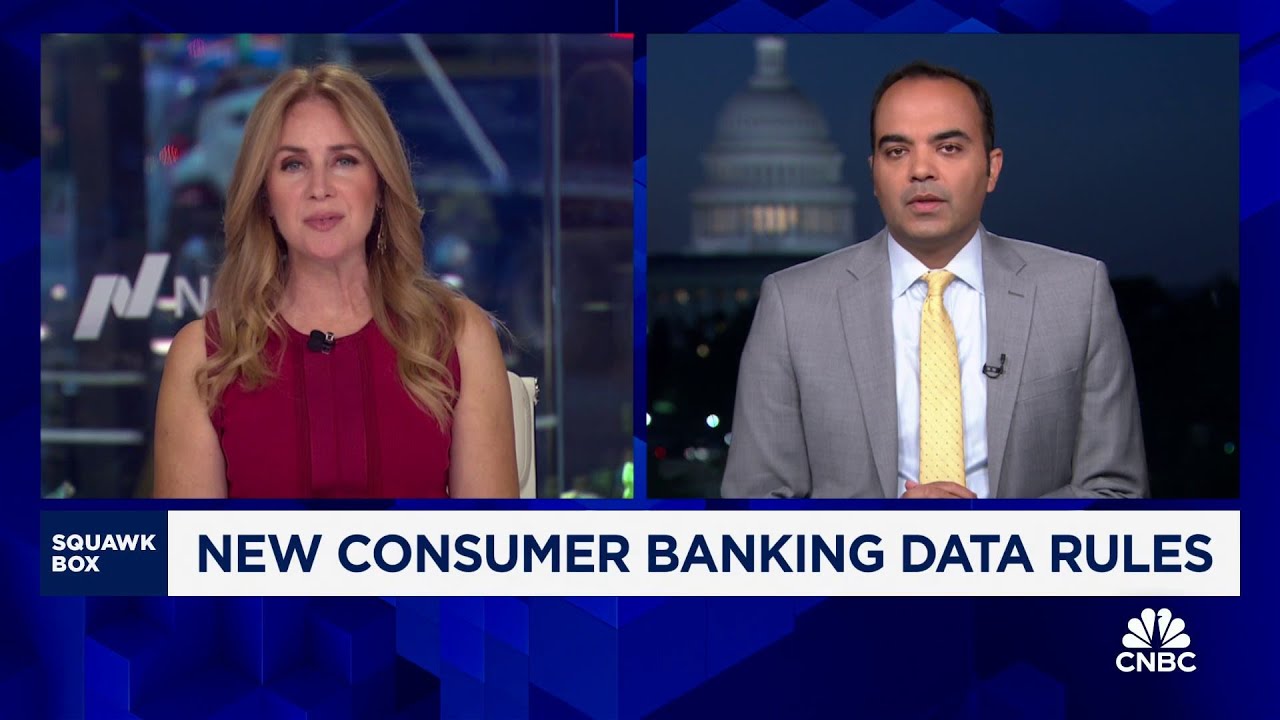
if approved Capital 1's acquisition of discover Financial would create the largest credit card issuer in the US while officials are still investigating if the merger can go through a possible deal could have big implications for credit card customers so what happens when your credit card gets a new issuer here to break it down for us is Casey Bond Yahoo finance's lead editor and content strategist she covers banking so Casey what happens here and I have a vested interest in this because I am a cital one credit card holder so if this merger goes through what
does that mean for someone like me yeah so when your credit card is purchased or acquired by another company um that financial institution becomes your new credit card issuer and in theory this should be a fairly seamless transition um the new issuer will send you a new card with a new number and that's the one that you're going to use going forward um however there could be some significant changes to your uh new credit card account it's important to note that the new issuer cannot raise the interest rate on your existing balance but if you
make new purchases on that card they could potentially raise the rate um however they do need to give you 45 days notice before that happens um other significant changes to your account such as the minimum payment the um fees involved those also require 45 days notice before any changes can be made um as far as less significant changes such as the rate at which you earn rewards the newer can make changes to that at their discretion without notice um and it's also important to note that when you change issuers there could be differences in where
your card is accepted um for instance American Express and discover are typically less widely accepted than visa and MasterCard so that is definitely something important to keep in mind so if you're someone whose credit card get a new issuer what are some steps you can take now to make that transition easier yeah the first thing that you're going to want to do is make sure that you have a backup payment method just in case there are any issues with that new card um so that might be a second credit card if you don't have one
now might be a good time to consider opening one or alternatively you could transfer some extra funds into your checking account um and rely on that debit card again just in case there's any hiccups along the way in that transition um another thing you want to do is download your statements and have those saved somewhere um you may lose access to that information once the new issuer takes over so if you need your statements for tax purposes or budgeting it's good to have those on hand so make sure you save them um another important step
to take is to take a look at what rewards you've accumulated if any um if you have cash back points miles just make sure you know exactly how many you have what they're worth so that once you transfer over to the new card you can make sure that those are still in place and accurate um if you have cash back rewards right now consider maybe redeeming those ahead of the transition just in case um and then you'll once you have that card in hand um make sure that you go through and update all of your
accounts um apps digital wallets with that new card information uh you want to make sure that you don't miss any payments and potentially get hit with late fees or even damaged to your credit um and finally make sure you review the terms and conditions of your new credit card account very carefully um in some cases there may be benefits that are specific to a certain issuer that you could potentially lose in the transition but there also may be benefits that you could gain um so make sure you really understand all of the perks of that
new account and don't miss out on anything valuable that you may be offered some important advice there Casey Bond thank you so much appreciate it thank you