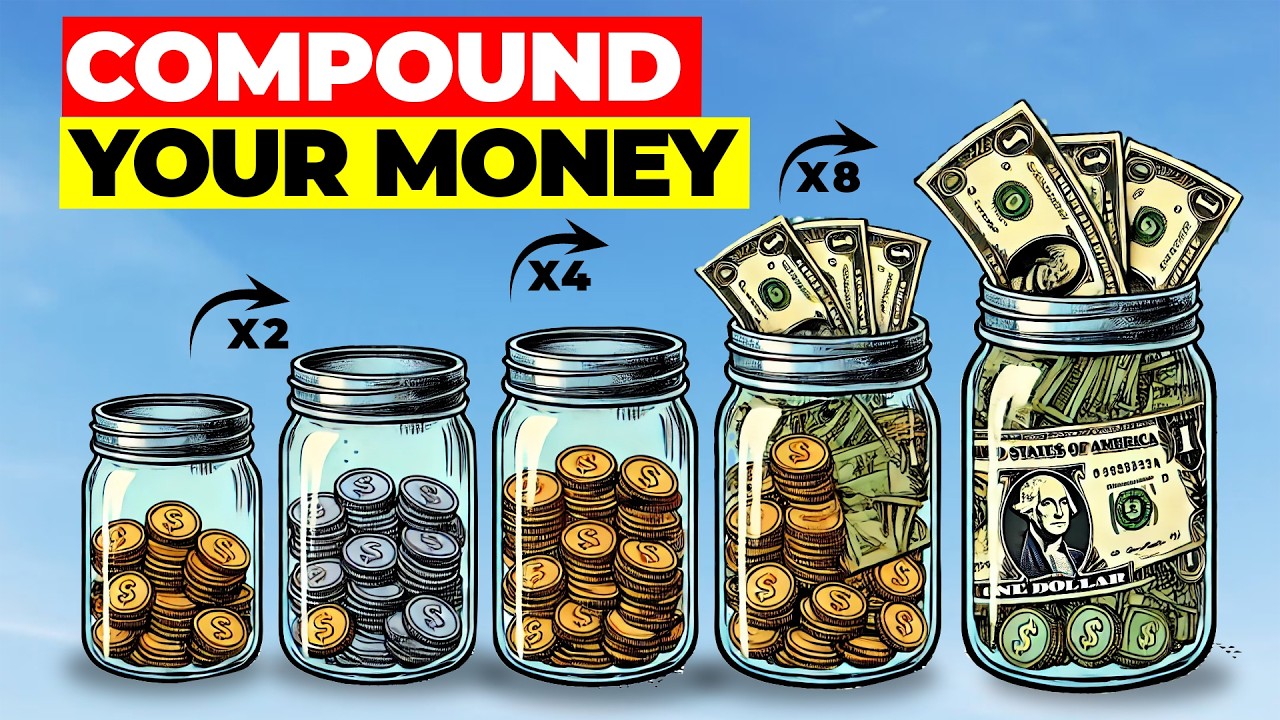
living paycheck to paycheck can feel like an endless cycle you work hard your paycheck arrives and within days after bills rent groceries and other expenses it's all gone you find yourself waiting for the next paycheck hoping it will stretch further but it never seems to this constant struggle can feel overwhelming making it difficult to plan for the future save for emergencies or even just enjoy your hard-earned money but the good news is Breaking Free from this cycle is possible with the right mindset and a few simple financial habits you can regain control of your money
build a safety net and stop living paycheck to paycheck for good this video will guide you through practical steps to help you break free from the paycheck to paycheck cycle and take charge of your financial life number one understand where your money is going the first step to Breaking the paycheck to paycheck cycle is understanding where your money is going many people feel like their money disappears without a trace but the truth is every dollar has a destination the problem often lies in not knowing where it's going or how much you're spending on things that
don't truly matter start by tracking your expenses for at least a month you can use a budgeting app an Excel sheet or even a simple Notebook write down every expense rent utilities groceries subscriptions coffee dining out and more this exercise will open your eyes to your spending habits and reveal areas where you might be able to cut back back when you know exactly where your money is going you can start to make better decisions about how to use it number two create a realistic budget once you understand your spending it's time to create a realistic
budget a budget isn't about restricting your spending or eliminating fund it's about giving every dollar a job when you budget your money you tell it where to go rather than wondering where it went start by listing all your essential expenses rent or mortgage utilities food transportation and debt payments then allocate funds for savings and non-essential spending such as dining out entertainment or Hobbies the key is to find a balance that allows you to cover your needs while also setting aside money for the future if your expenses are higher than your income it's time to look
for areas where you can trim the fat maybe you can reduce your dining out budget cancel a subscription you rarely use or shop more mindfully budgeting isn't a one-time fix it's an ongoing process revisit your budget regularly to ensure you're staying on track and adjust as needed number three build an emergency fund one of the main reasons people get stuck living paycheck to paycheck is the lack of an emergency fund when unexpected expenses like car repairs medical bills or home emergencies pop up they often derail your budget without savings to cover these costs you may
end up turning to credit cards or loans which only increases your financial burden building an emergency fund is your first line of defense against Financial setbacks start small even if it's just $10 or $20 a week set up automatic transfers to a savings account so you don't even have to think about it over time these small amounts will add up providing you with a safety net for when life throws you a curveball experts typically recommend having 3 to 6 months worth of living expenses in an emergency fund but don't let that number discourage you start
with a goal of saving $500 to $1,000 once you reach that you can build from there number four tackle your debt strategically debt can keep you trapped in the paycheck to paycheck cycle highin credit cards student loans or personal loans can eat away at your income leaving you with little room to breathe financially the key to Breaking Free is to tackle your debt strategically there are two popular approaches to paying off debt the snowball method and the Avalanche method the snowball method focuses on paying off the smallest debts first to gain momentum while the Avalanche
method focuses on paying off the highest interest debt first to save the most money over time choose the method that works best for you while paying off debt it's important to keep up with minimum payments on all your debts but any extra money should go toward your target debt even small extra payments can make a big difference over time helping you pay off debt faster and reducing the interest you'll pay in the long run number five increase your income even just a little if you've already cut back on expenses and you're still struggling to make
ends meet it might be time to think about increasing your income fortunately there are many ways to do this without necessarily getting a second full-time job consider taking on a side gig or freelance work in your spare time from driving for a ride share company to freelance writing graphic design or even selling handmade crafts online there are plenty of ways to earn extra cash even if you can only dedicate a few hours a week the extra money can help you build your emergency fund pay down debt or save for future goals if a side gig
isn't for you look for ways to advance in your current job ask for a raise look for a promotion or explore training programs that could help you qualify for higher paying positions number six cut out unnecessary expenses one of the easiest ways to free up more money is to cut out unnecessary expenses this doesn't mean you have to live a life of extreme frugality but it does mean being mindful of where your money goes often it's the small everyday expenses that add up quickly take a closer look at your subscriptions do you need all of
them cancel any that you rarely use consider your dining habits how often do you eat out or order takeout when you could cook at home even cutting back on coffee shop runs or impulse purchases can make a noticeable difference in your budget look for small ways to save every day and put that extra money toward your savings or debt repayment goals number seven automate your savings one of the best ways to save consistently is to automate the process by setting up automatic transfers from your checking account to your savings account you ensure that you're saving
without even thinking about it this method helps you avoid the temptation to spend the money that should be going toward your savings goals start by setting up an automatic transfer for a small manageable amount such as $25 or $50 per paycheck over time you can increase this amount as your financial situation improves by making saving a priority you'll slowly but surely build up your savings and reduce your Reliance on each paycheck number eight avoid lifestyle inflation lifestyle inflation happens when you start earning more money and immediately increase your spending to match your new income while
it's tempting to reward yourself with a bigger apartment a new car or more dinners out this habit can keep you stuck in the paycheck to paycheck cycle even as your income grows to break the cycle resist the urge to spend every dollar of a raise or bonus instead maintain your current lifestyle and use the extra income to save invest or pay down debt this way you can build wealth over time without without falling into the Trap of always needing more money to maintain a higher standard of living number nine plan for the future it's easy
to focus on immediate needs when you're living paycheck to paycheck but planning for the future is essential if you want to break free from this cycle setting long-term financial goals such as saving for a house retirement or even a dream vacation can motivate you to make better financial decisions today start by identifying your goals and breaking them down into smaller manageable steps for example if you want to save $10,000 for a down payment on a house figure out how much you need to save each month to reach that goal in a few years by working
toward your goals little by little you'll build a brighter financial future Breaking Free from the paycheck to paycheck cycle isn't easy but it is possible it requires a mix of discipline planning and small but consistent changes to your financial habits by understanding where your money is going creating a realistic Budget Building an emergency fund and paying down debt you can take control of your finances and stop living paycheck to paycheck remember comma it's not about making drastic changes overnight it's about making small manageable improvements over time whether it's cutting out unnecessary expenses automating your savings
or finding ways to increase your income every step you take will bring you closer to Financial Freedom with patience and persistence you can break the cycle and build a more secure financial future