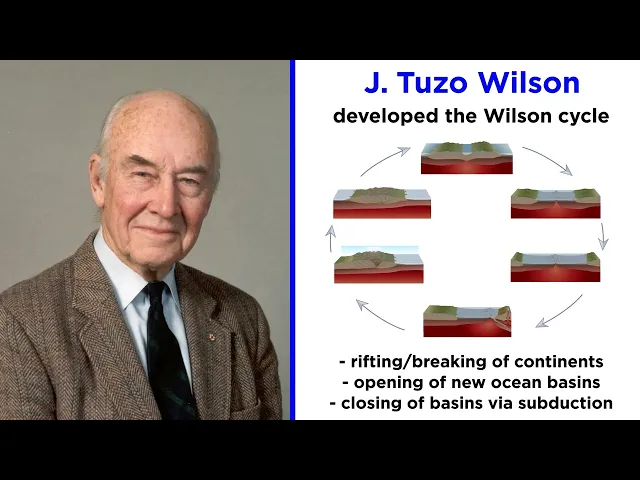
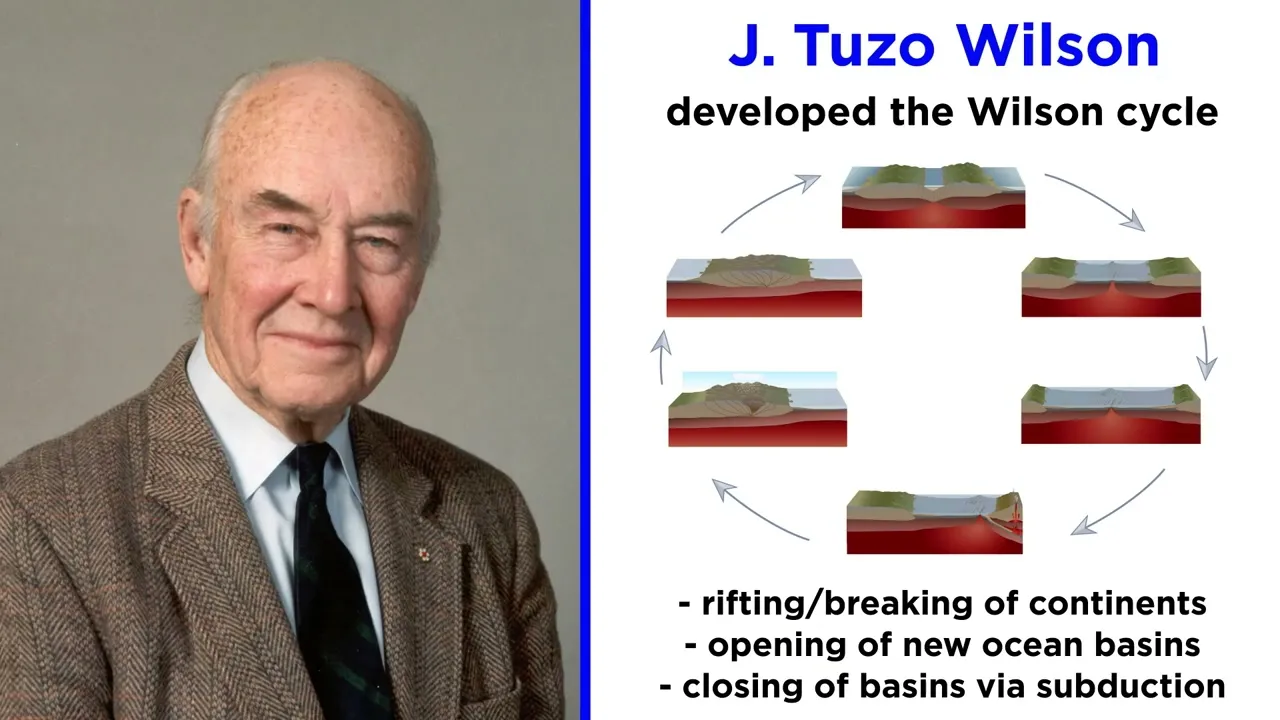
In the previous tutorial we introduced the figures involved in the early development of plate tectonics. Let’s now talk about how plate tectonics has expanded into a global-scale model for the formation and destruction of supercontinents called the Wilson Cycle. The Wilson Cycle, named for Canadian geologist, J.
Tuzo Wilson, describes the rifting, or breaking apart of continents, the subsequent opening of new ocean basins, and the eventual closing of these basins via subduction. We will start our discussion of the Wilson Cycle with the first stage: the embryonic stage. Let’s set the stage for discussing a Wilson Cycle using the breakup of Pangea and opening of the Atlantic Ocean as an example.
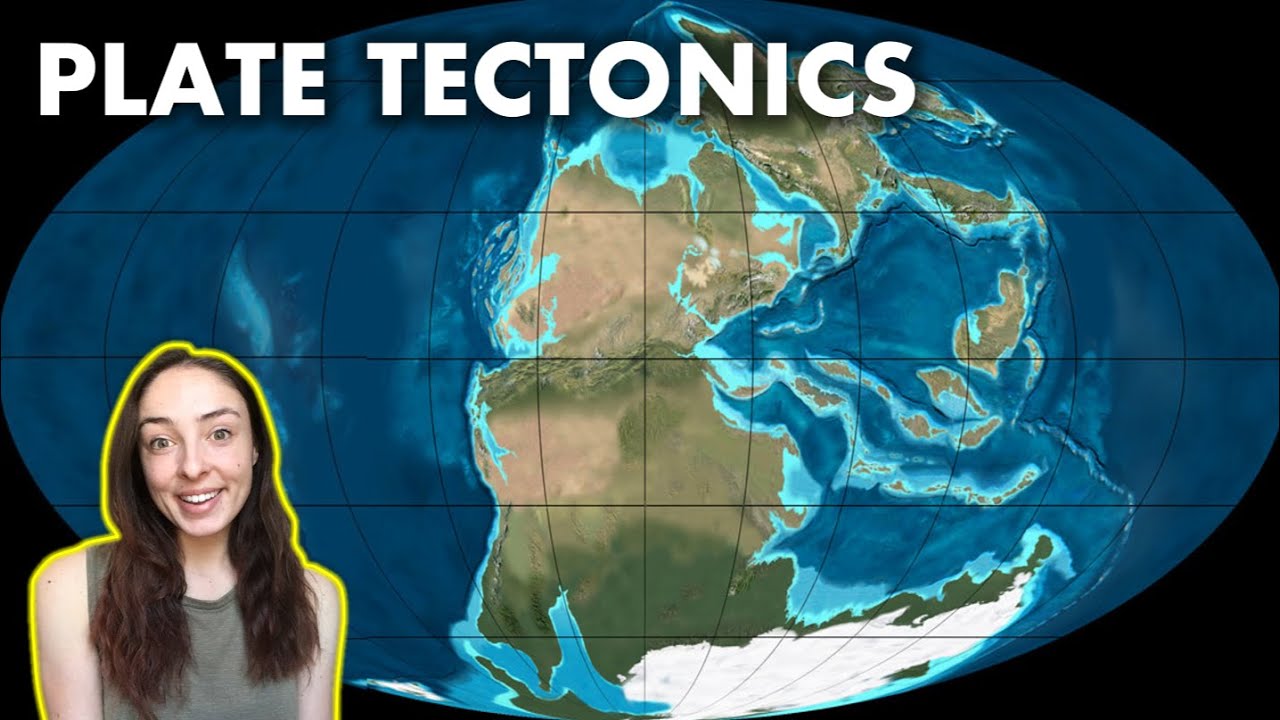
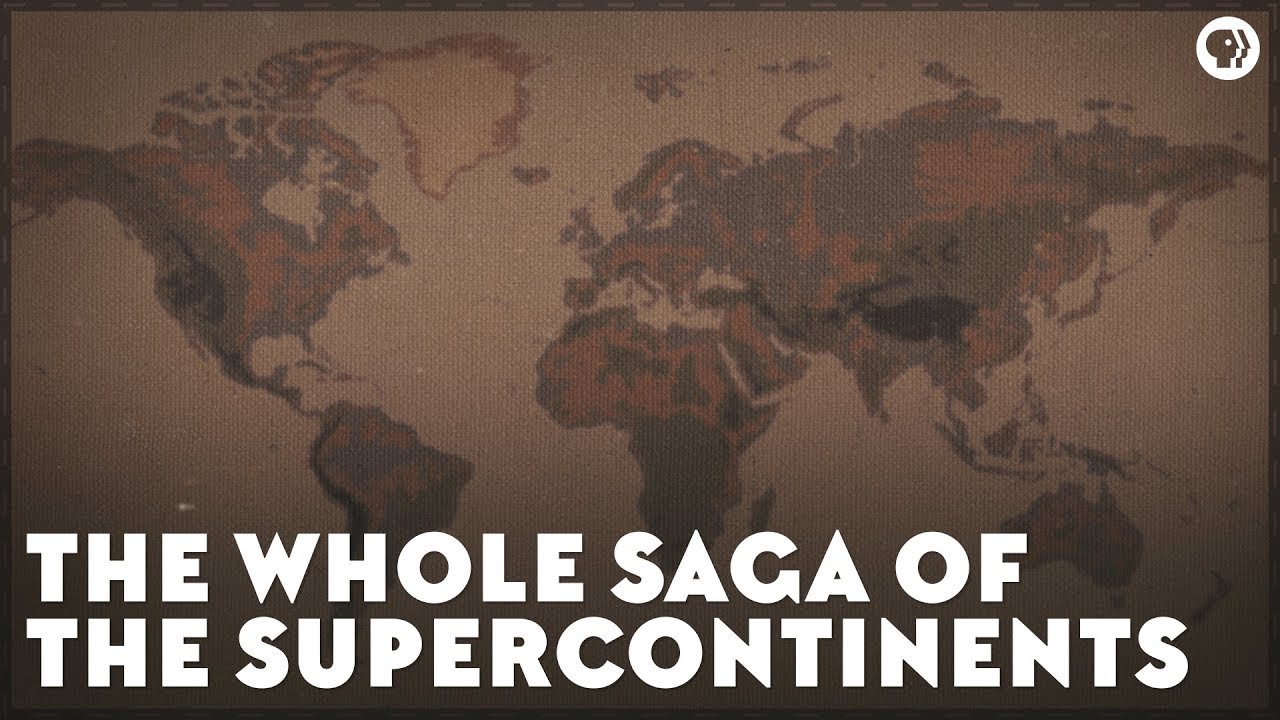
About 300 million years ago, all of Earth’s continents were collected into one landmass, the supercontinent Pangea, which existed for over 100 million years. There have been at least three supercontinents in Earth’s history, all of which succumbed to the Wilson Cycle. The embryonic stage of the Wilson Cycle begins with the initiation of rifting on the supercontinent, in this case Pangea.
Unfortunately, the rifting of supercontinents is poorly understood and can theoretically be explained by a few different mechanisms. These explanations fall under two main categories, active and passive rifting. Active rifting is relatively straightforward and is caused by a convection-driven mantle plume beneath the supercontinent, which heats and pushes upward on the lithosphere, stretching it like taffy until it eventually breaks apart.
Rifting continents typically break apart along three-line segments in a Y-shape, with the center of the Y lying beneath the mantle plume, which is called a triple junction. The Red Sea and East African Rift is an excellent example of a modern triple junction. The other category of rifting is passive rifting, passive meaning that convection of the mantle is not causal to rifting.
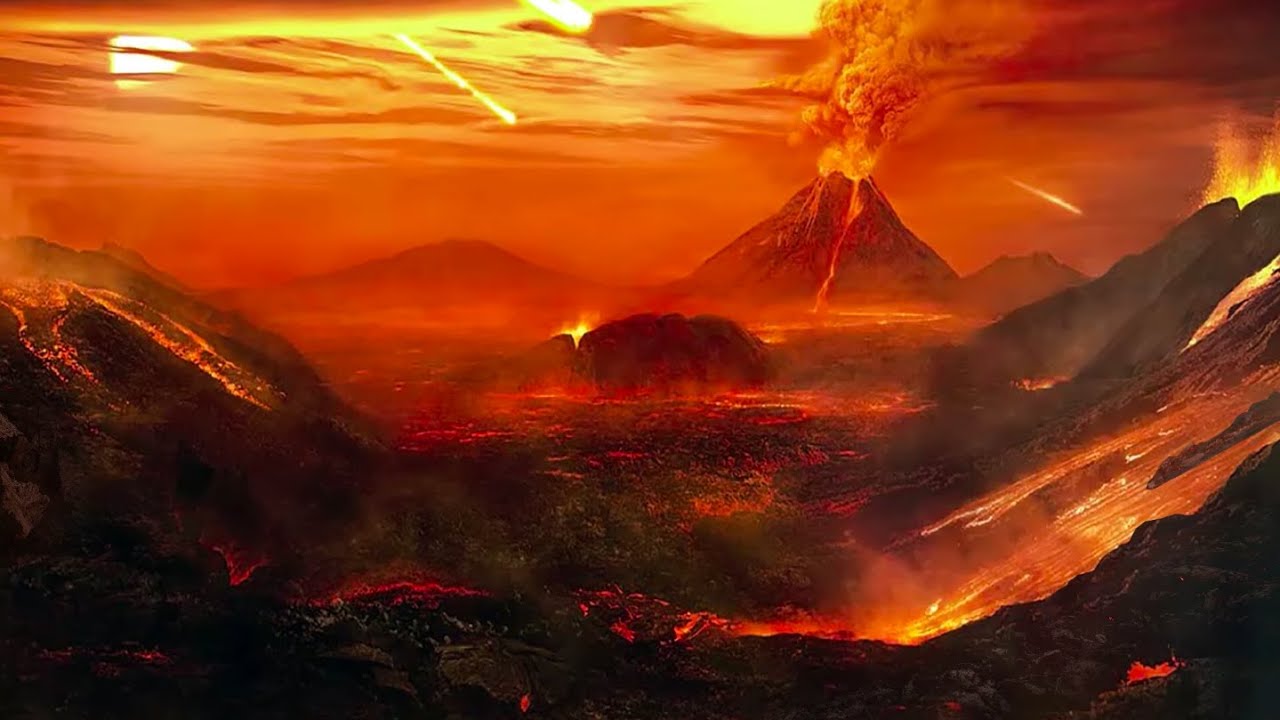
In this model, tensional forces, whether gravitational or tectonic, cause extension of the lithosphere, and as the lithosphere thins, hot asthenosphere flows upward to fill the void, initiating formation of a mantle plume. No matter what the cause, Pangea began experiencing rifting around 180 million years ago. Rifting is always accompanied by the formation of large normal faults and extensional fractures, which guide large volumes of molten asthenosphere to the surface, forming fissure volcanoes, or linear volcanic vents.
Eventually, the lithosphere is thinned and fractured so much that it is separated into three pieces about the triple junction, creating three new tectonic plates. Above the rift, surface elevation drops as the crust thins, and deep, elongated lakes begin to form, widening and deepening with time. Lake Victoria, Lake Malawi, and Lake Tanganyika are all examples of rift valley lakes in the East African Rift System.
Eventually, the rift valleys become so wide that they connect to the ocean, creating narrow, saltwater gulfs, and a passive margin, or tectonically inactive area, is developed along new shoreline. This is the beginning of the juvenile stage of the Wilson Cycle. Modern examples of locations in the juvenile stage are the Red Sea, separating Africa and Saudi Arabia, and the Sea of Cortes that separates Baja, Mexico from mainland Mexico.
At this stage, the crust overlying the mantle plume has been stretched so thin, that some of the hot, mantle material begins to reach the surface where it erupts from volcanic fissures along the active rift, and new oceanic crust is created at this juvenile mid-ocean ridge, forming a divergent boundary. Divergent boundaries are regions where tectonic plates are moving away from each other. Around 180 million years ago, the Atlantic Ocean was just a nascent rift valley in Pangea.
Over millions of years, that rift valley grew, and its volcanoes gushed, generating over 40 million square miles of new oceanic crust. Today, the Atlantic Ocean spans 3000 miles at its widest, and it continues to grow by one and a half inches each year along the mid-Atlantic ridge. This is the mature stage of the Wilson Cycle, which is distinguished by the formation of a vast ocean basin.
During the next stage, the declining stage, the aged ocean basin begins to close, and we begin moving toward the formation of the next supercontinent, which is accomplished through subduction of the oceanic crust. But why does subduction begin? In order to understand this, we need to examine how oceanic lithosphere changes with time.
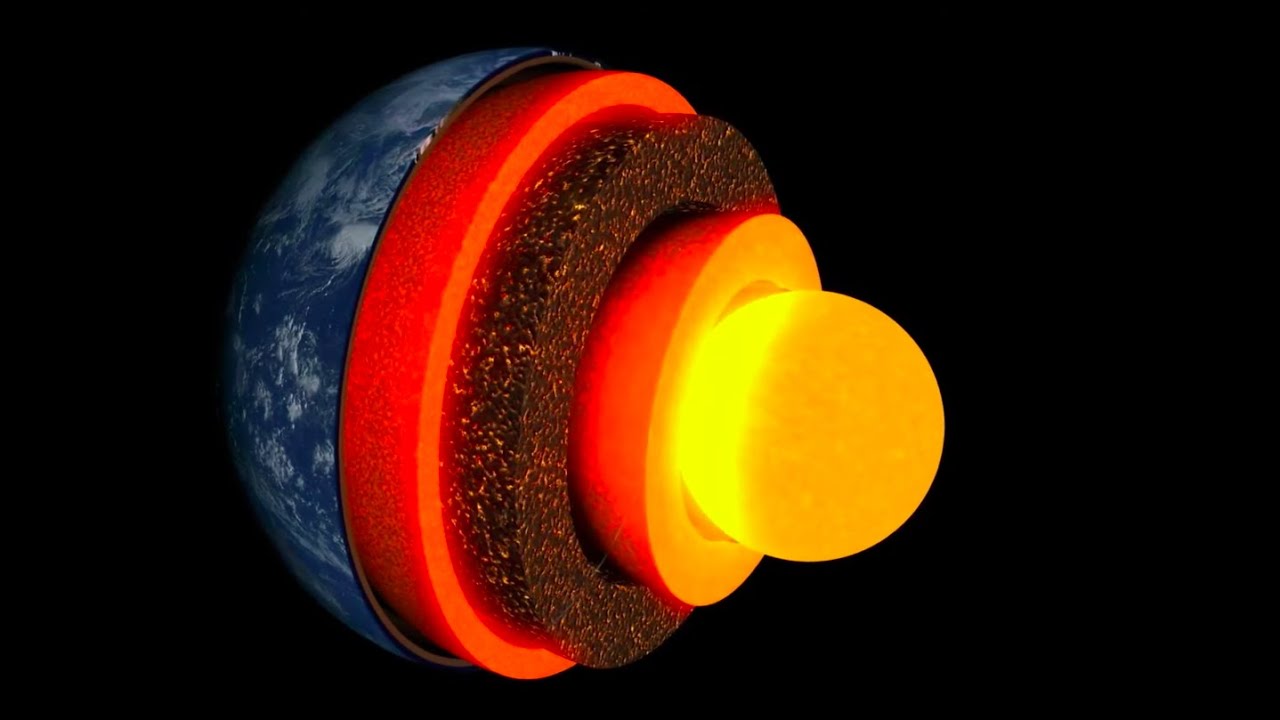
The lithosphere has two parts, the crust, and the lithospheric mantle. Below the lithospheric mantle is the asthenosphere. When oceanic lithosphere first forms, it is very hot and its lithospheric mantle is extremely thin.
But the plate will steadily inch away from the mid-ocean ridge which allows the oceanic lithosphere to slowly cool and thicken. As this layer grows, the oceanic lithosphere becomes more and more dense, until it eventually begins to sink into the ductile asthenosphere below. This is subduction.
Typically, oceanic lithosphere will begin to subduct after it reaches an age of around 200 million years. So to put it simply, subduction occurs when oceanic crust is old and cold. Subduction zones are convergent plate boundaries where two tectonic plates are colliding.
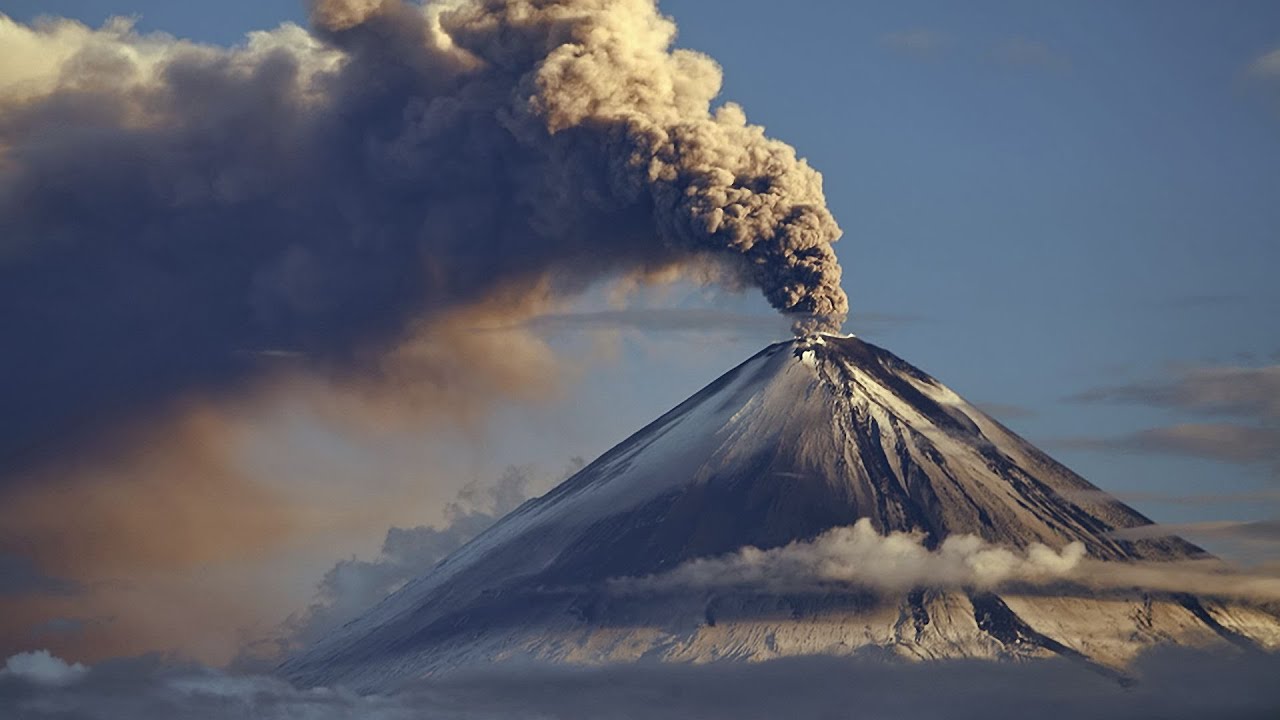
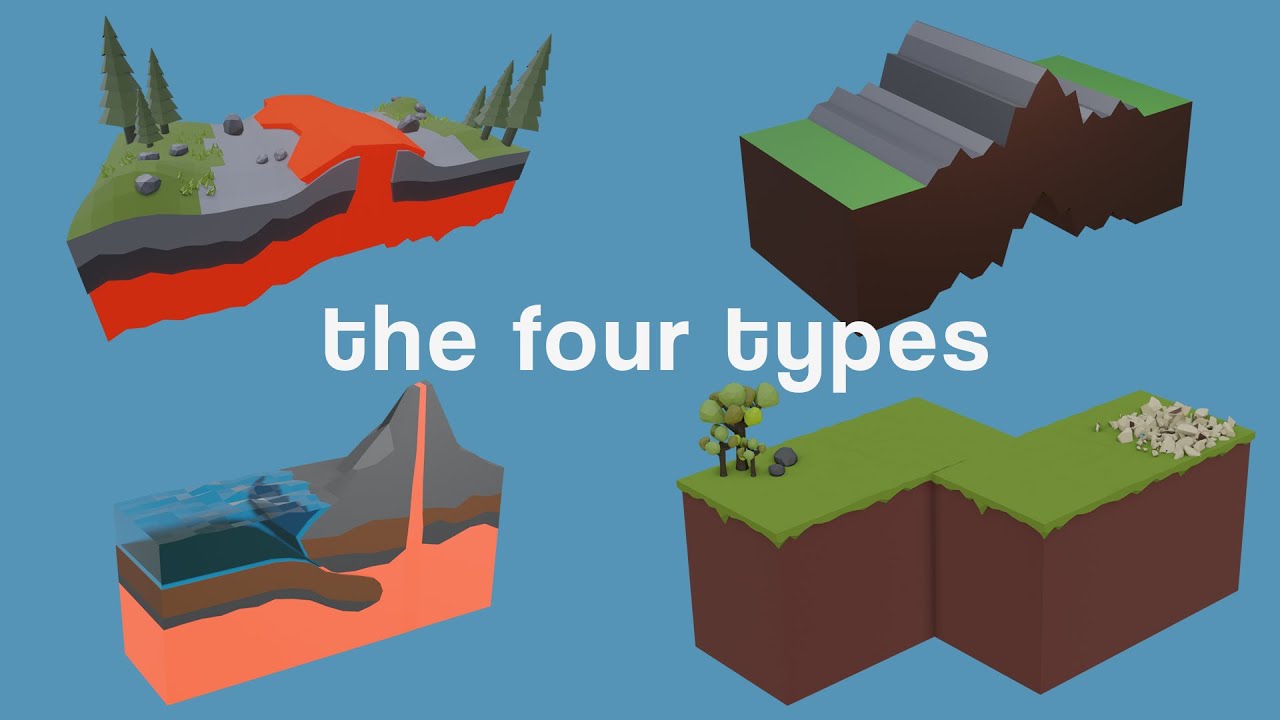
They come in two types: ocean-ocean or ocean-continental. At an ocean-ocean convergent boundary, old, dense oceanic crust subducts underneath the younger, more buoyant oceanic crust of the overlying tectonic plate. This type of boundary results in the formation of volcanic island arcs, such as the Aleutian Islands.
During subduction, water is delivered into the mantle via the dehydration of hydroxyl-bearing minerals within the subducted oceanic lithosphere, which lowers the melting point of the mantle rock, causing widespread volcanism. At an ocean-continental boundary, dense oceanic crust subducts beneath continental crust from the overlying tectonic plate, which due to its low density, cannot subduct. During subduction, the sediment that has settled on top of the oceanic crust is scraped off onto the overlying continental crust, creating a feature called an accretionary wedge and subduction-related magmatism creates a chain of volcanoes, called a continental arc.
The Cascade Range of the Pacific Northwest is an example of such an arc. Here, the Juan de Fuca plate is subducting beneath the North American plate. After a few hundred million years, subduction has nearly consumed all oceanic crust as the old fragments of rifted supercontinent move closer and closer together, to eventually be joined once again.
The collision and suturing of the pieces of rifted supercontinent marks the terminal stage of the Wilson Cycle and a brand-new supercontinent is formed. During the end-stage of subduction, the last piece of the subducting oceanic lithosphere acts as a ramp, leading one continent to be thrust up and over the other. This stitching together of two pieces of continental crust is the final stage of the Wilson Cycle: the suturing stage; during which a new massive continental craton forms and the Wilson cycle resets.
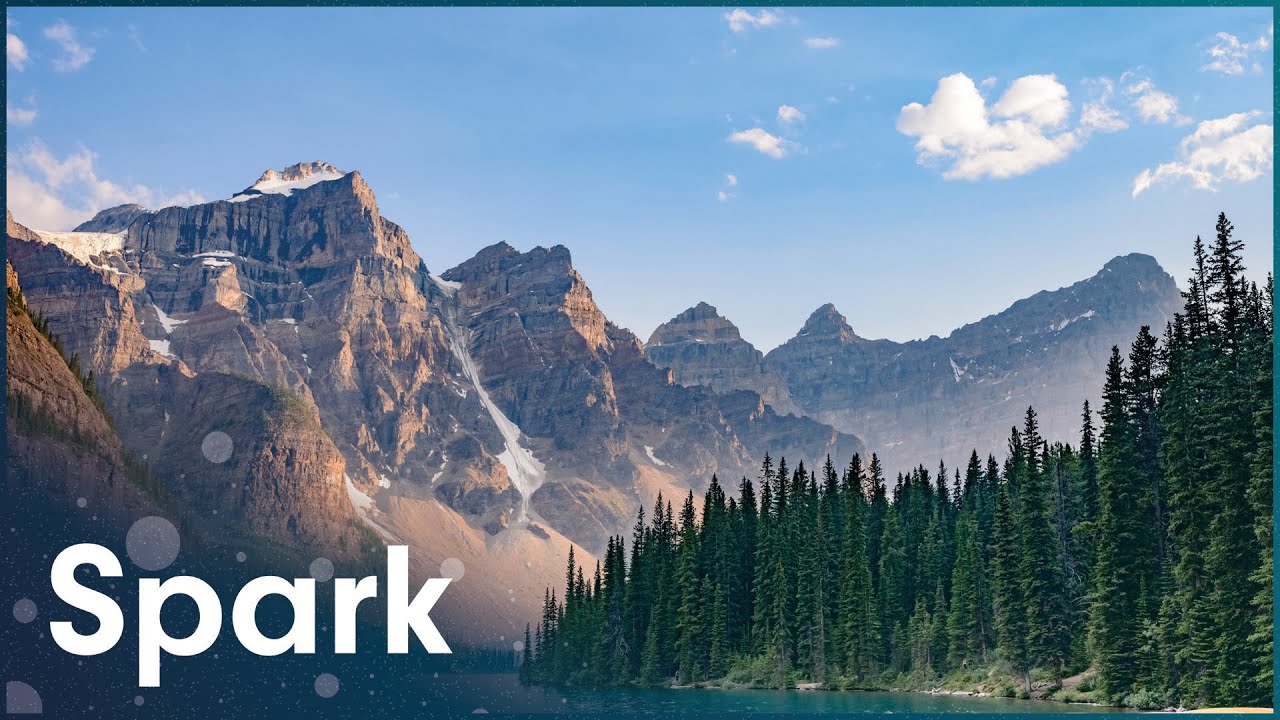
The boundary between two colliding plates of continental crust is called a continent-continent convergent boundary. Since continental crust is so buoyant, neither plate subducts. Instead, both plates continue to collide, forcing the crust upward into dramatic mountain ranges.
The collision process causes the rocks here to be intensively folded, faulted, and recrystallized. The Himalayas are one example of a continent-continent convergent boundary formed by the collision of the Indian and Eurasian Plates, and a testament to the awesome power of this geological process. And with that, we have a reasonable understanding of the Wilson cycle and its timeline, as well as the stunning geological features it is responsible for.