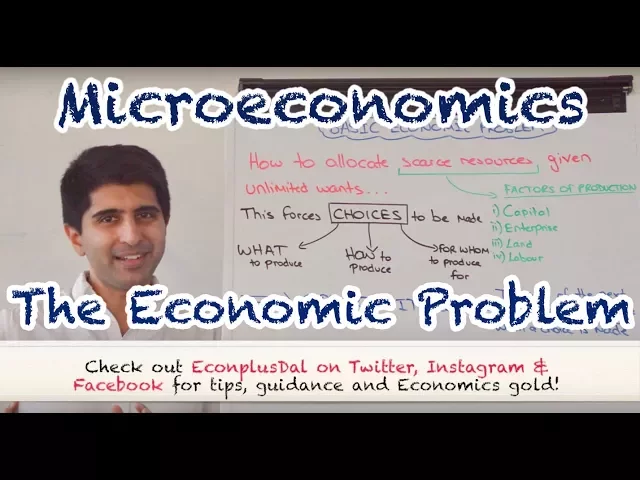
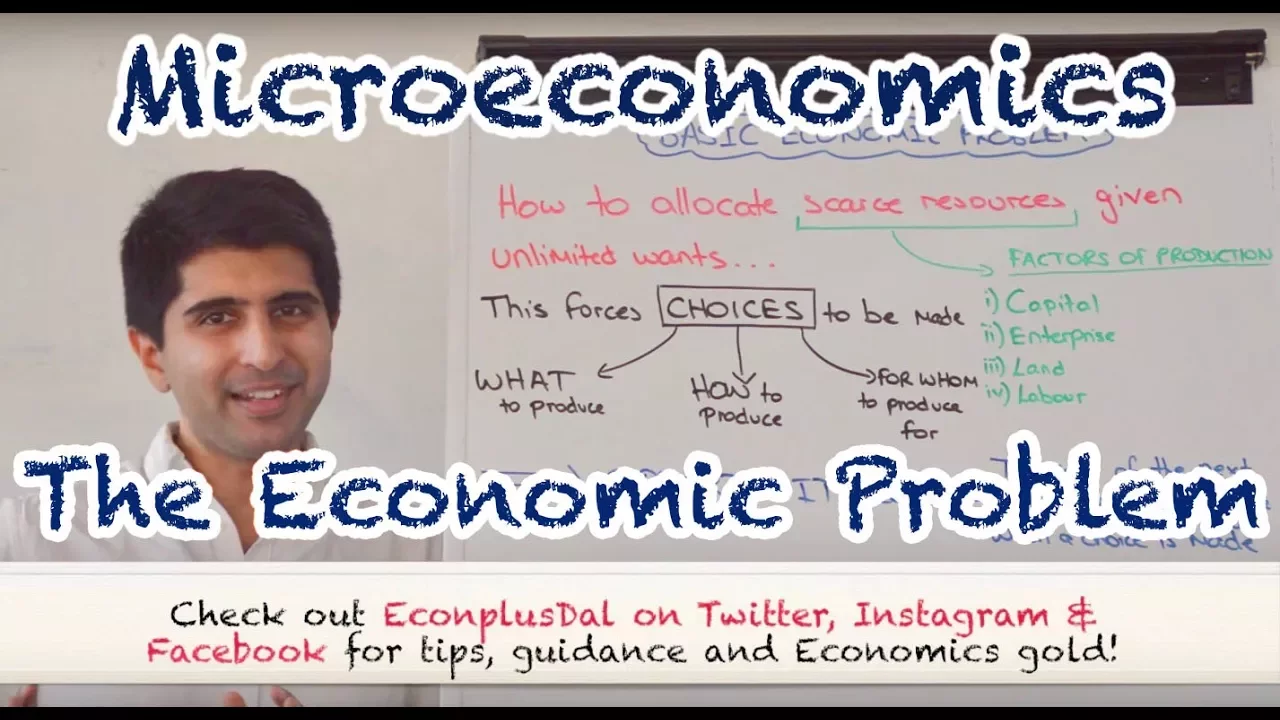
hi everybody microeconomics is a study of how to best solve the basic economic problem the word basic is quite misleading here because the problem is very very severe and here it is how to allocate scarce resources given unlimited ones we live in a world where there are people people individuals with unlimited wants real desires unlimited desires but there aren't enough resources that the planet gives us to fully satisfy those ones resources are scarce what do we mean by resources in economics and another name for resources are factors of production and there are four types of
these resources of these factors of production capital enterprise land and labor just think cell c e double l and we get to these factors of production and basically these are resources that when combined together can produce goods and services what do we mean by these four well let's take capital capital does not mean money in economics it's defined as man-made aids to production so things that man has made that allows for greater production of goods and services to take place so good examples are machinery tractors and vehicles factories shop premises schools hospitals computers are all
good examples of capital man-made aids to production enterprise just think entre entrepreneurs or entrepreneurship these are people risk takers who innovate and produce goods and services and they do it um to make profits of real risk takers but to make profit at the end innovating to produce goods and services land natural land like farmland like rainforests where goods can be produced or goods can be taken and labor human resources workers that can produce goods and services so these are our scarce resources clearly the world doesn't provide an infinite amount of these things so we have
scarce resources and we have unlimited ones how do we allocate our scarce resources to satisfy as many wants as we can one is difficult choices need to be made therefore and economics really is a study of choice given this problem there are three fundamental choices that need to be made of how we allocate our scheduled resources we need to make a choice of what to produce how to produce it and for whom to produce for fundamental choices in a market economy how do we answer those questions what to produce well in a market economy businesses
decide based on consumer demand how to produce it again businesses decide based on what's most cost effective what's most productive to minimize the use of our scarce resources businesses that are best at producing at lowest cost minimizing the use of scarce resources survive and for whom to produce in a market economy that answer that question is answered by those who've got enough income to afford goods and services in a market well maybe that's not quite right the government can step in and help out but in a market economy if you can afford it then you
get it so that's how we answer that question for whom to produce for but you see very very difficult choices very difficult choices and if economics is a study of choice because of this basic economic problem well we need to have a way of measuring whether the choices that we make are good choices or not and that's where this concept of opportunity cost comes in and this is everything in economics because this is how we can measure whether whether choices that have been made are good or bad here is a definition of opportunity cost it
is the cost of the next best alternative foregone when a choice is made so when we make a choice in economics what was the next best alternative that we have forgotten that we've given up put a value on that if the value of our opportunity cost are you the next best alternative is greater than the value of our current choice we made a bad decision right that's how we measure choice whereas if the value of our current choice is greater than the value of our opportunity cost are you the next best choice then we have
made an excellent decision so this is how we measure whether the choices that we make in economics or in the world are good or bad we use the concept of opportunity costs work out the value of our current choice and the value of our opportunity cost if the value of our current choice is greater than the value of our opportunity cost great but if it's the other way around the value of our opportunity cost the next best alternative is greater than the value of our current choice we made a bad choice and we should therefore
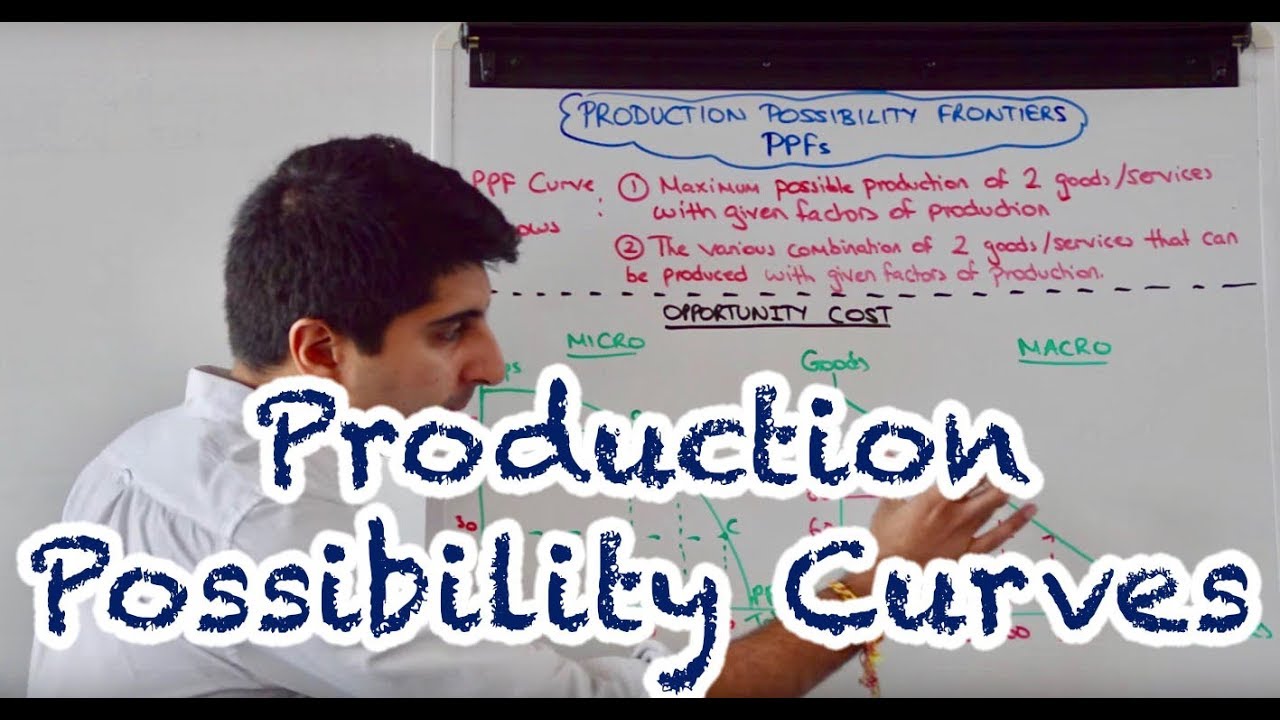
allocate resources towards our opportunity cost instead of allocating resources towards our current choice so this is a really fundamental concept to understand whether the choices that are being made in the world are good choices or not this is what we study in economics stay tuned for the next video where we look at production possibility frontiers and we can actually analyze choices in more detail there i'll see you all in that video thank you all for watching very very important video of what microeconomics is all about