hello my friends today is September 28th and this is Market's weekly so this past week we got a lot of exciting developments in markets although the major Equity indexes didn't move too much as many of you know there is a large gamma pin on the S&P 500 so it's unlikely to move much until after Monday so today let's talk about three things first and foremost we have to talk about the Chinese stimulus that is just rocketing through Global markets secondly um although China is stimulating and we have geopolitical risks heating up it doesn't seem like
oil prices are very excited so let's talk about how Supply concerns seem to be weighing down on oil and lastly let's talk about how the Swiss National Bank and the European Central Bank are becoming increasingly doish all right starting with China so as we discussed last week the Chinese economy has not been doing well largely because of the implosion in their property sector now the Chinese government has refrained from doing a lot of big stimulus because president she seems to have a philosophy that uh that that is just not the direction they they want to
go in now this past week it seems like the government over there is changing their mind because we had two announcements both on the monetary stimulus front and on the fiscal stimulus front and to show you the effects let me just show you this chart of the Chinese stock market index it looks like it went straight up and actually it's up 15% in just a week obviously that's a tremendous tremendous amount now let's start with the monetary stimulus that they've announced now as usual you know that means rate Cuts right and the People's Bank of
China has been more forceful in saying that they're going to offer um monetary easing but they also rolled out something new that is pretty interesting and that is a new lending facility to support the stock market now when your stock market is going down the Central Bank obviously has a lot of ways to make it go up obviously it can cut rates and usually rate Cuts uh are make the stock market happy sometimes though you know there are a lot of other concerns maybe break Cuts is not enough and so even as the People's Bank
of China has been cutting rates for some time the Chinese stock market has not done well another thing you could do is to just have the S Bank straight out and buy stocks and that's what the bank of Japan did for for some time uh The People's Bank of China seems to be choosing somewhat of a middle path by offering this new financing facility that basically offers cheaper loans when you pledge stock as collateral so in a sense you can think about this through the banking sector offering investors cheaper margin loans to buy stocks in
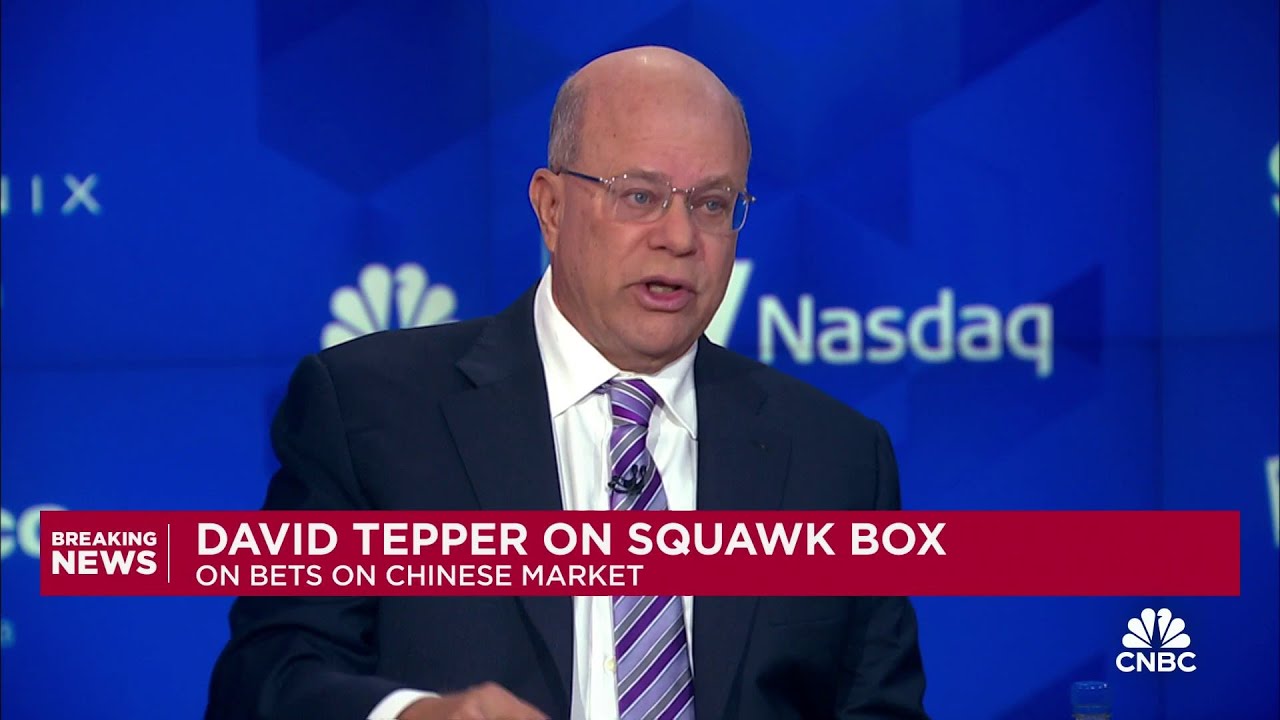
China again cheap financing plus the People's Bank of China explicitly rolling out this facility is helping investors sentiment so much so that uh you even have uh famous investors like David terer going on TV and saying he's buying everything China related so that's on the monetary stimulus front on the second front that I think is more interesting is that the Chinese seem to be more interested in fiscal stimulus again fisal stimulus as we've seen recent years is in many many cases much more influential than monetary stimulus because then the government is actually spending money rather
than just you know toggling interest rates and whatnot so the Chinese government again is suggesting that they're going to do more fiscal stimulus uh some estimates you know a few hundred billion worth in dollars again and of course there's a language suggesting that they are going to prevent declines in the property markets again there's not a lot of detail yet but a lot of people are really happy to hear this because it shows that the government is changing their mind maybe this is the beginning of more measures and a few hundred billion dollar worth of
stimulus you know it's not that much when you when you look at the size of the Chinese economy but maybe it's the beginning of more something else that's also interesting is that the Chinese government is actually announcing checks to people who are who are suffering very low income people again that's you know not quite on the scale of the helicopter checks we saw from President Biden but but it's also a change in policy now some Bloomberg analysis is showing that the amount of money that's actually going to be sent out is not a lot and
it's not going not going to be to a lot of people but the market markets are really liking this again suggest a potential shift in policy now when the Chinese economy is being stimulated that of course has reverberations throughout the entire world looking at global commodity prices for example chin China biggest consumer of uh raw Commodities especially things like base Metals you can see copper pricing Co copper pricing taking a leg higher and also encouraging for risk sentiment uh in the US and in Europe you can see luxury Brands like Louis Vuitton going basically straight
up since Chinese stimulus as many of you know uh Chinese really really like luxury goods and another place you would expect to see very direct direct Chinese impact would be uh let's say its neighbors in Asia like Japan and that is actually initially what happened if you look at this chart of Nay Futures and the Nay Futures went basically straight up at this news but unfortunately there were also other events involved as well in addition to uh Chinese stimulus we also had elections in Japan and it looked like the outcome surprised markets whereas the person
who is now the new premier Prime Minister of Japan is someone uh that the market did not expect prime minister Ishida appears to be perceived as more of a hawk monetary policy and so the market is thinking that he's not going to uh um he's going to be more open to the bank of Japan normalizing interest rates and so at his election despite all this China simulus news we saw first the Japanese Yen again appreciate significantly and the Nay Futures absolutely tank 6% from their highs 6% so I think uh their open this next week
is going to be really fascinating now one thing i' would like to highlight is all these changes in the markets the past week from Chinese stimulus to Japanese elections are political developments politics and markets are deeply intertwined and at times the largest driver of movements in markets so often times I've hear people complaining how can you talk politics and markets man if you don't talk politics and markets if you don't have a view of what public policy is you are not going to make it seriously politics drives markets increasingly so and when we look to
the November election I think that's going to have a huge imp impact on the trajectory of markets going forward so pay attention very closely to political developments now one thing that was really interesting about all this Chinese stimulus is that although it pumped commodity prices a lot it actually didn't seem to do that much with oil which leads us to our next topic now looking at oil prices the past few months you've noticed that oil just can't seem to get a bid keeps going down lower and lower and that's kind of strange because because on
the one hand you have very obvious heating up of geopolitical conflicts as I record this we just had this huge huge uh military strike of Israel against Hezbollah and Lebanon and so there there's a lot of things that are happening there and you would expect there to be more of a geopolitical premium as has usually been the case and in addition to that obviously China One of the low largest consumers of oilo in the world is you know doing physical stimulus you would expect oil prices to go up as well but oil prices are not
going up and it seems like a big part of that is Supply concerns now there's some interesting reporting from the financial times the past week from the financial times the past week about Saudi Arabia um basically telling everyone they're going to pump more oil now if we rewind a bit over the past couple years Saudi Arabia has been trying to keep oil prices high now they got together with OPEC plus and saying that you know guys we have a lot of Market power we don't o want oil prices to be too low that impacts our
Revenue so let's cut some production and try to manage oil prices so they're at least very stable but as they did this in Saudi Arabia showed a lot of the cuts um a couple things happened it was difficult to police the cuts from other countries that seem to be cheating and you have increased production from other players like the US and Canada and so Saudi Arabia seems to to be basically giving up on policing oil prices and now is more concerned about market share so they're telling everyone that those cuts that they had they're going
to roll them back and so the market is becoming increasingly concerned about an over supply of oil not just this not just this coming year but also next year as you have more and more projects uh let's say offshore projects that are coming online so it looks like we're we are in a place where oil prices are probably going to be low uh for some time uh until things change of course many things change but I think that's something to watch out with because when it comes to oil it has a really big impact on
inflation now historically speaking if you look at things like uh interest rates or uh Break Even inflation expectations they're closely related to the price of oil where higher oil leads to higher perceived inflation and thus higher interest rates and now we have this big disinflationary Force that's happening uh simply through a Supply increase all right the last thing that I want to talk about is what's happening with the some with a couple European central banks now this past week the Swiss National Bank cut interest rates again and more interestingly they seem to be um hinting
that they're going to cut interest rates again and also they've significantly revised lower their expectations of the path of inflation now Switzerland is is again every country is different now one thing to keep in mind when you're looking at Switzerland is a key mechanism of monetary policy is their interest rate now Switzerland in the middle of the European Union obviously is uh had is significantly impacted by the interest rates by by exchange rates so they export a lot of things to the European Union and they import a lot of things to the European union now
over the past few months we've seen their current strengthen uh significantly in part due to say flight to safety now that's been a big problem for them because when their currency strengthens a lot it makes their exports less competitive and it also makes their import prices decline a lot and so it's putting a lot of downward pressure on inflation so what the Swiss natural bank is telling you is that they're very likely going to continue to cut interest rates and who knows maybe they even go back to zero but we have to be care careful
though the Swiss National Switzerland is um you know they have their own their own idiosyncratic economy it's not necessarily I wouldn't take signal away from this to imply that other major central banks may go back to zero but the ECB though this past week also sent out some pretty dovish noises now ECB executive member shabel shabo gave a really interesting speech and had a lot of slides that seem to suggest that the ECB is becoming more and more concerned about growth now to be clear the ECB does not have an employment mandate they are an
inflation mandate bank but again central banks always care about the economy now the takeaway from the presentation seems to be that well inflation in the Euro zone is getting closer and closer to Target we've had significant disinflation over the past couple years however though growth is becoming more concerning now if you look at uh real growth for the Euro area over the past couple years it's basically gone nowh it's stagnated whereas in the US for example the US continues to have pretty good growth and if you look at say maybe potentially forward-looking data like PMI
indicators PMI data in the Euro Zone has been trending lower and lower that that's telling you that businesses are thinking things are not getting better so there seems to be more of a concern about economic growth in the Euro Zone and at the same time when you look at measures of inflation let's say uh what economists care a lot about inflation expectations in the Euro Zone uh they seem to be hitting lower so ECB seems to be in gear to care uh to be more confident that inflation is getting to where they want and seem
to be Switching gears a little bit to be a bit more concerned about uh growth and that is leading to more and more speculation that the ECB may cut rates again as soon as October so globally again this rate cut cycle is continuing among central banks and actually seems to be accelerating and that is going to be something we can uh interestingly look forward to I think there's also additional speculation that even the bank of Australia The Reserve Bank of Australia will be cutting rates as well all right so that's all I prepared for this
week thanks so much for tuning in um if you're interested in my latest thoughts this week I'm going to write about uh what could put potentially blow up uh the treasury market based on what I'm hearing from the treasury market conference at the FED past week and of course if you're interested in learning more about micr markets check out my online courses at Central Banking 101.com and of course free you to check out monetary macro.com all right talk to you all next week