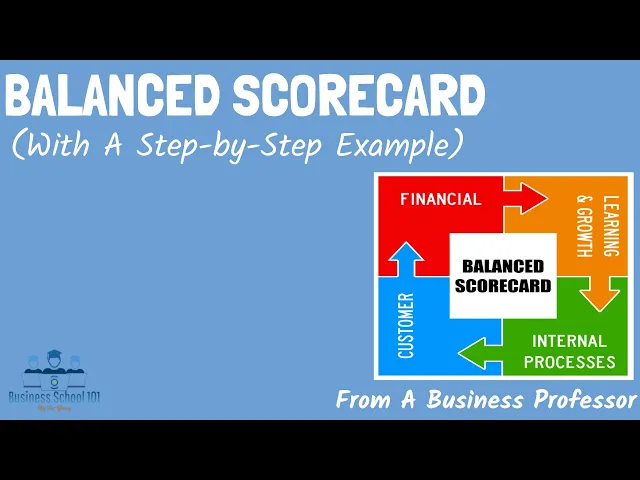
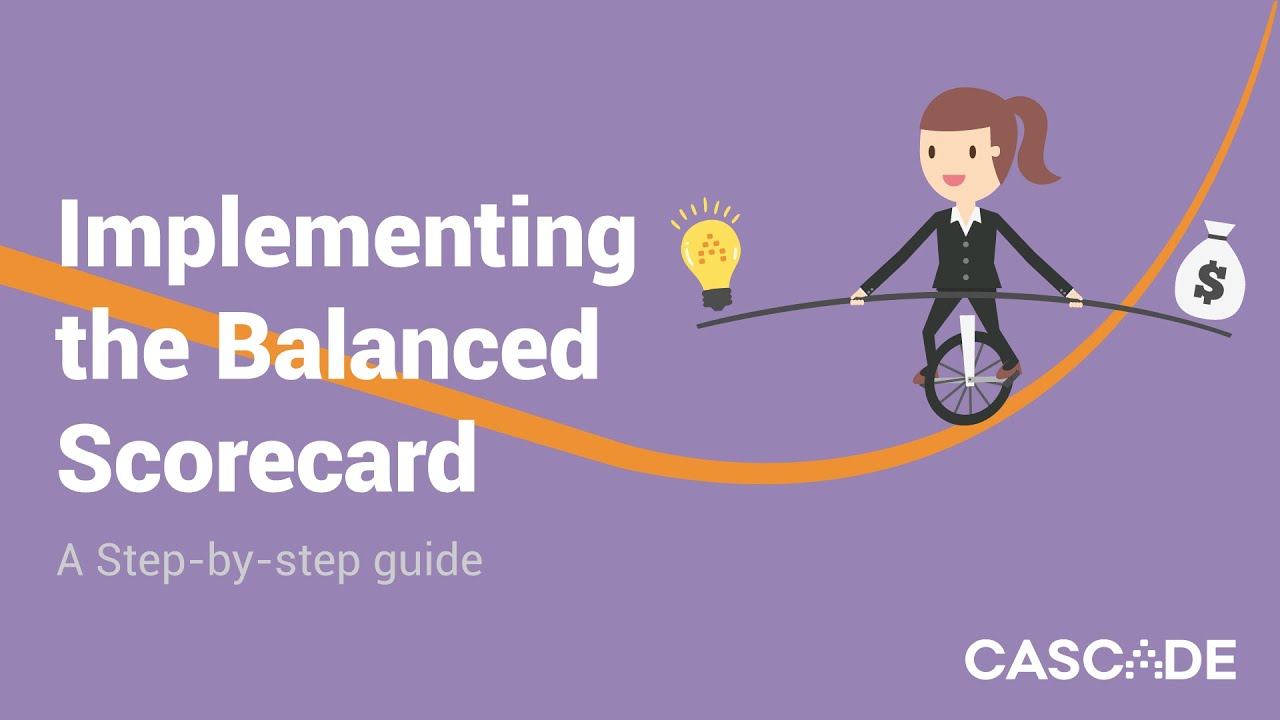
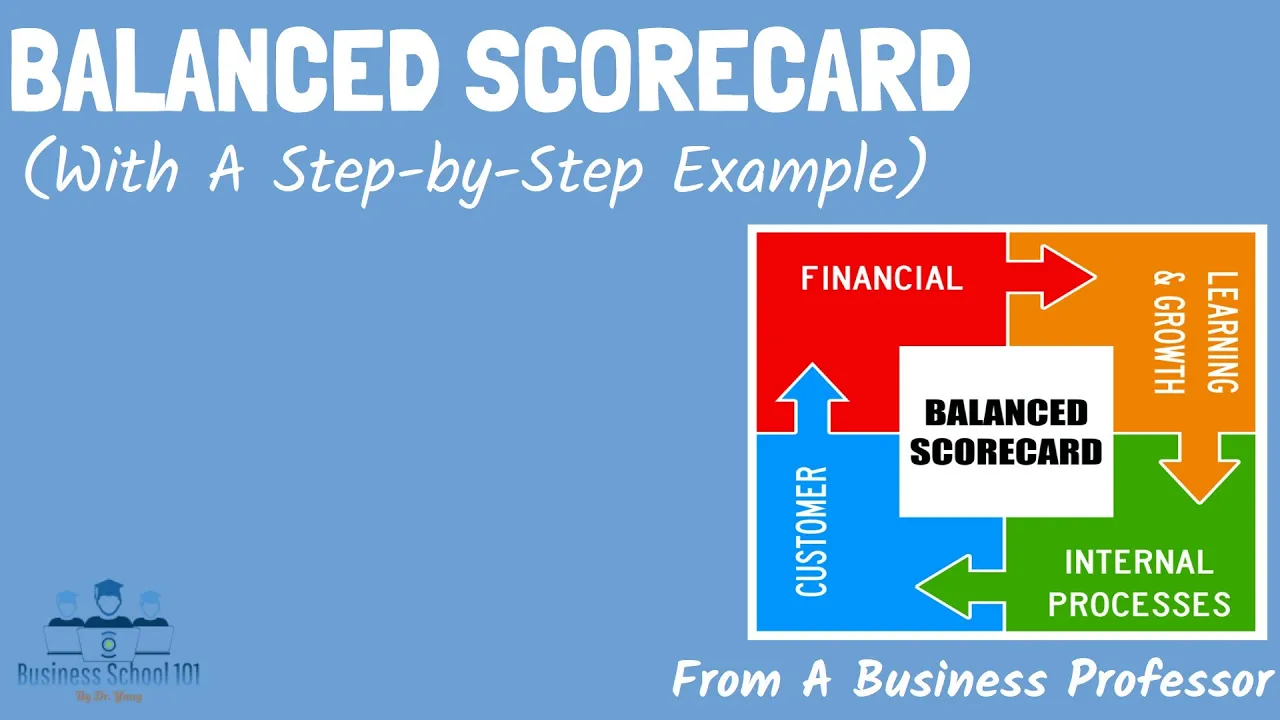
balanced scorecard or BSC is widely considered one of the most effective management tools used globally companies that use the BSC management system include Apple Exxon Mobil Ford motor IBM Pfizer Wells Fargo bank and many others so what is the balanced scorecard how to develop it what are its advantages and limitations in this video I will discuss these questions with you Section 1 what is balanced scorecard balanced scorecard or BSC is a visual tool used to measure the effectiveness of an activity against the Strategic plans of a company balanced scorecards are often used during strategic planning
to make sure the company's efforts are aligned with the overall strategy and vision the balanced scorecard was originally developed by Dr Robert Kaplan of Harvard University and Dr David Norton as a framework for measuring organizational performance using a more balanced set of performance measures traditionally companies used only short-term financial performance as the measure of success the balanced scorecard added additional non-financial strategic measures to the mix to better focus on long-term success the system has evolved over the years and is now considered a fully integrated strategic management system section 2 4 perspectives the balanced scorecard looks
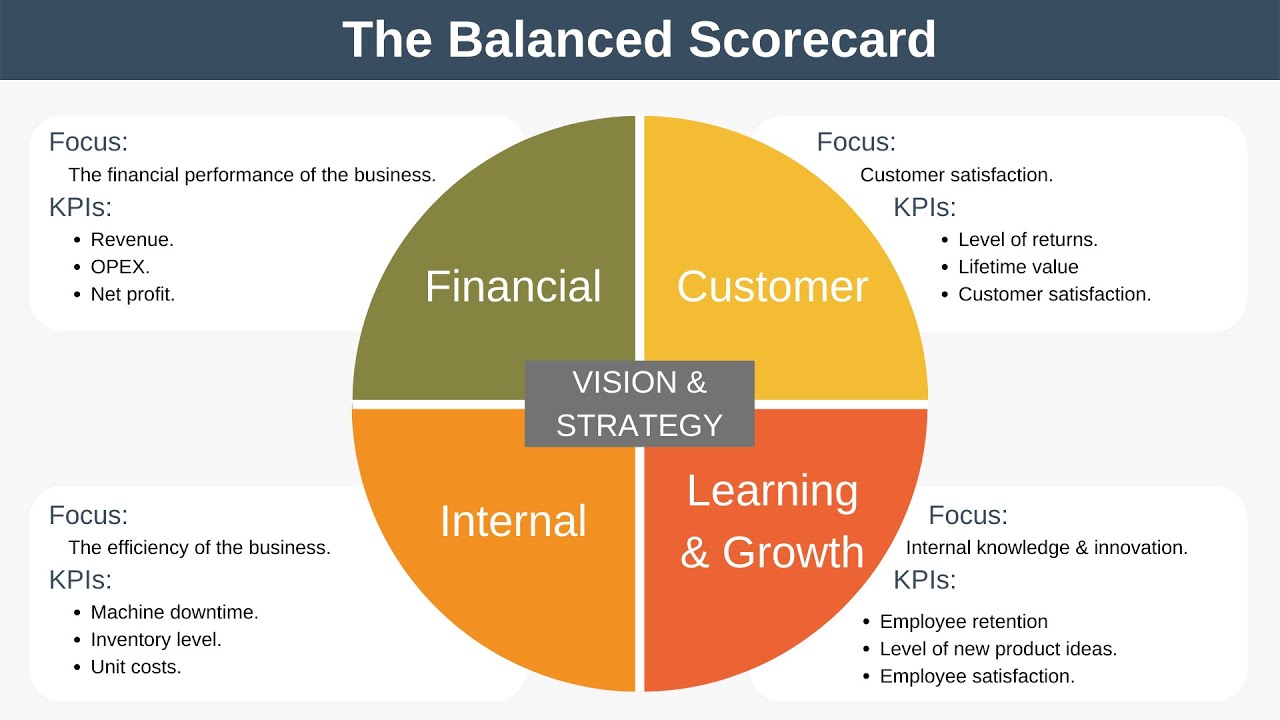
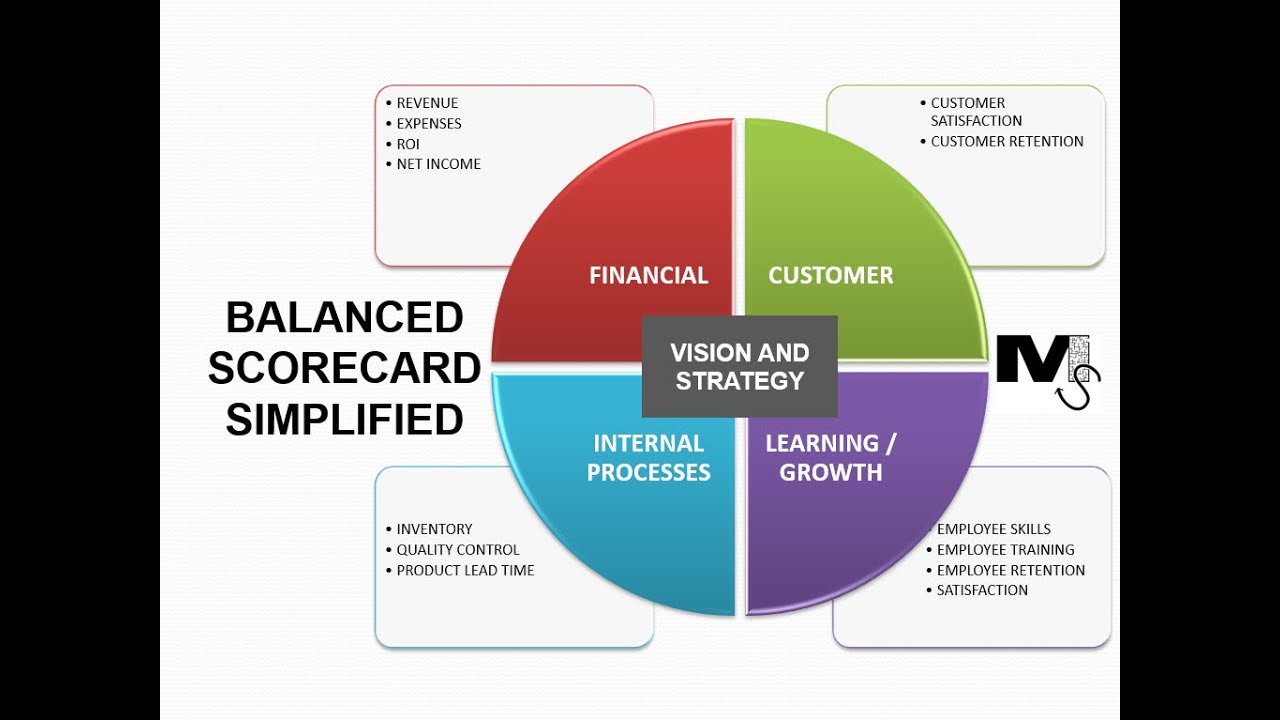
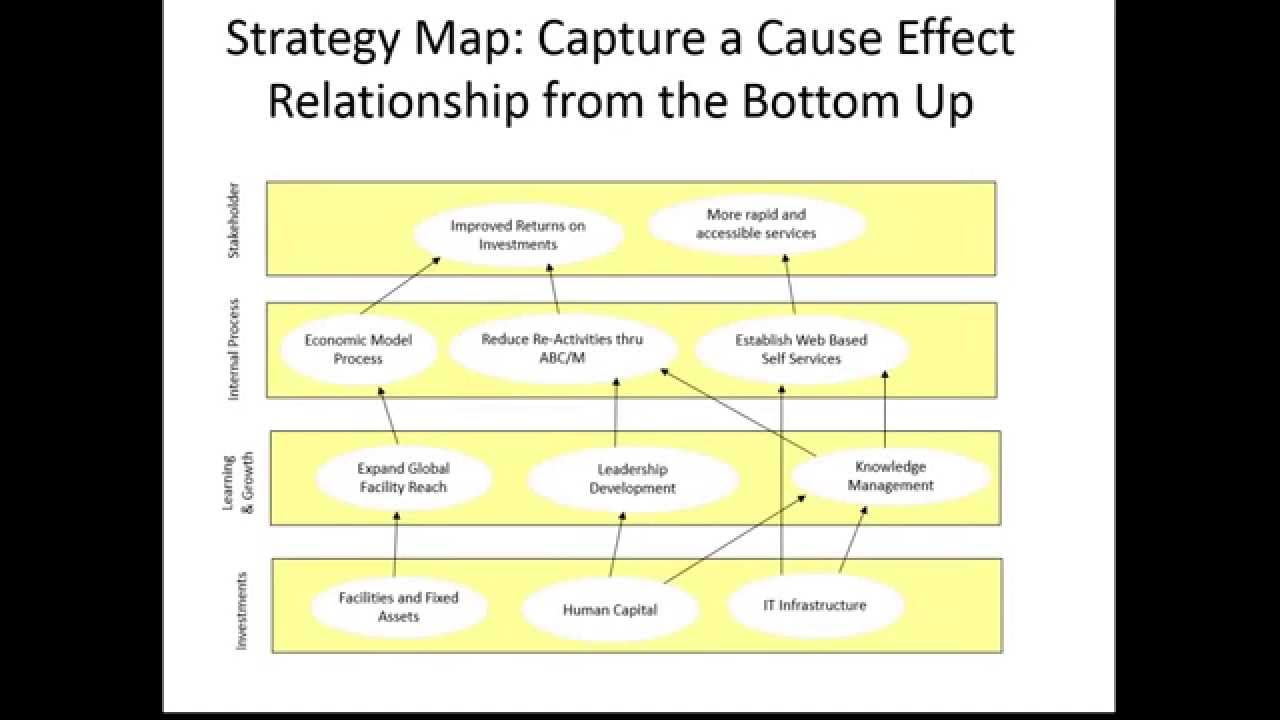
at business from four distinct perspectives Number One Financial perspective it is about the measurement of the organization's success in terms of financial performance this includes items like sales numbers profit margins and return on investment number two customer perspective it is about looking at the organization from the Viewpoint of customers or stakeholders this helps businesses understand what is working with their customer base and make necessary adjustments some metrics to measure this perspective include number of social media posts number of tickets resolved customer satisfaction surveys and customer service calls number three internal processes perspective it views organizational
performance through the lenses of the quality and efficiency related to our product or services or other key business processes sample metrics to measure this perspective could include operating efficiency equipment utilization machine setup time and quality control Etc number four learning and growth perspective it views organizational performance through the lenses of human capital infrastructure technology culture and other capacities that are key to breakthrough performance metrics to measure this perspective include employee retention training hours per employee R and D ratio work-life balance Etc Section 3 how to develop a balanced scorecard for all four perspectives you should
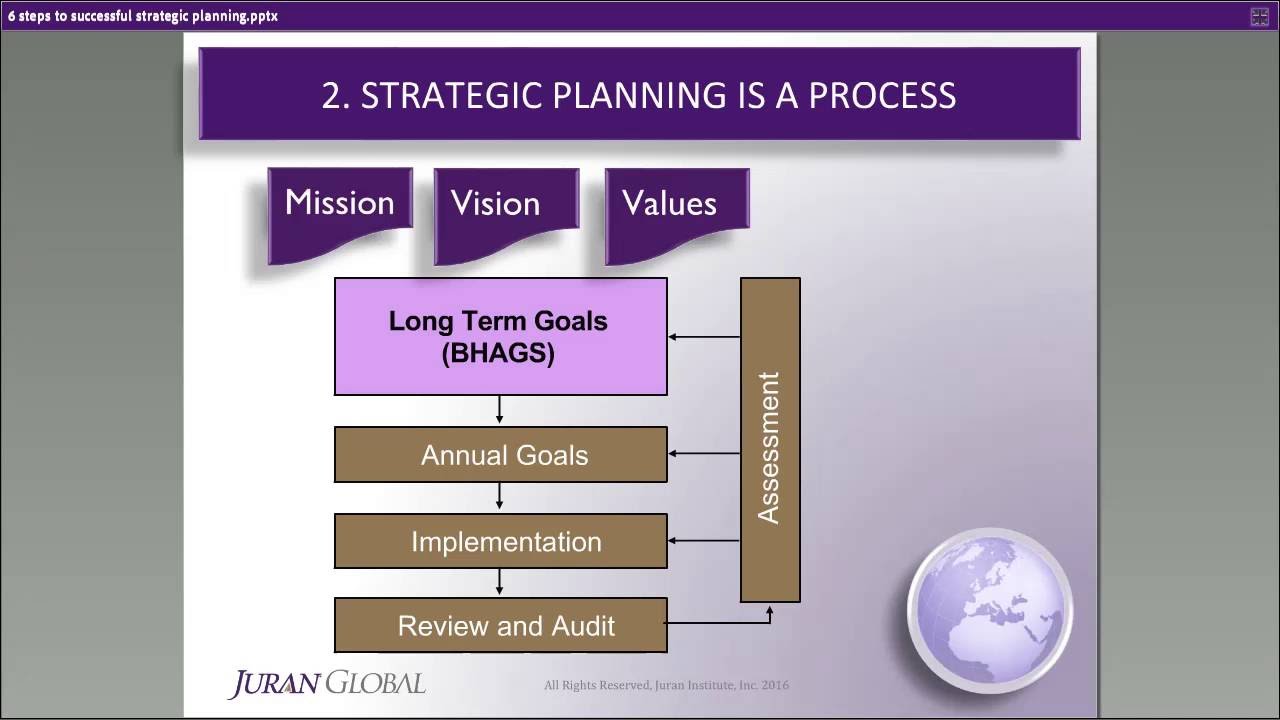
the following five steps to develop a BSC Step 1 develop your company Vision the vision statement describes the future of the organization it reveals what the company aspires to be or hopes to achieve in the long term the vision statement is not only inspirational and motivational but also provides Direction mapping out where the organization is headed Step 2 determine your strategic objectives these are the goals most important to your company's current and future Wellness many professionals use a SWOT analysis to determine these priorities step 3 analyze what factors will bring success these are the critical
success factors for your company or the critical areas in which high performance is crucial for the success of your company step 4 choose your key performance indicators or kpis these are the indicators that align performance with strategic objectives they should be defined in simple concrete language that makes your strategic objectives accessible and should also be linked to your budget step 5 set your targets plans and initiatives these are the areas of your BSC where your follow-up occurs your targets should take into account your kpi Baseline and aims please keep in mind that these documents are
not static you must update them regularly you should schedule a periodic review of your BSC to determine how it relates to your organizational processes for example if you update your budget annually it is appropriate to conduct an annual review of your BSC that addresses your budgeting processes section 4 a step-by-step example let's use an imaginary uk-based telecommunication company as an example typically a balanced scorecard will start with a set of objectives arranged in a specific way to demonstrate how improvements or Investments made in infrastructure people or processes will have positive impacts on the firm's for
prospective performances as you can see a good strategy map will include both a vision statement and a mission statement this way the reader can see straight away that the objectives contribute to what the organization as a whole is trying to achieve once an organization has clearly stated what it is trying to achieve then the next stage is to determine whether they are succeeding in its Journey it is at this point that performance measures are required with accompanying targets each objective should have at least one performance measure and Target often they will have more than one
when an organization knows what it wants to achieve and how to measure success it can turn to what initiatives are required to drive change initiatives are projects that are designed to help the organization achieve strategic objectives and have significant organization-wide impacts they are defined in terms of owner schedule resources needed action steps progress and expected results please keep in mind that this balanced scorecard is typical of the output expected from a small company however for medium to large size companies there is usually an intermediate stage that breaks the vision down into more manageable Parts typically
this will give rise to a set of strategic priorities or themes that can be worked on by different parts of the organization you may also have noticed that to complete the model a set of foundational or core values has been added to the bottom of the diagram the core values are usually described early in the process as you can see the final model provides a single view of the Strategic intent of an organization on a single page it also provides information about its focus priorities how to achieve the Strategic intent objectives what constitutes success measures
and targets and what needs to be done to succeed initiatives in the real world corporations can use their own internal versions of balanced scoreboards for example Banks often contact customers and conduct surveys to gauge how well they do in their customer service these surveys include rating recent banking visits with questions ranging from wait times interactions with bank staff and overall satisfaction they may also ask customers to make suggestions for improvement bank managers can use this information to help retrain staff if there are problems with service or to identify any issues customers have with products procedures
and services in other cases companies may use external firms to develop reports for them for instance the JD Power survey is one of the most common examples of a balanced scorecard this firm provides Data Insights and advisory services to help companies identify problems in their operations and make improvements for the future section 6 advantages and disadvantages now that we've covered the basic surrounding balanced scorecards let's go over the advantages and disadvantages of using this performance measurement method for your organization the advantages of a balanced scorecard include the following one makes communication easier communication across team
members and departments becomes easier when everyone is speaking the same language in other words having a streamlined performance measurement system means that it's easier to talk about strategy and progress within the organization 2. facilitates better alignment with a balanced scorecard members of the organization can easily link their objectives and goals at different levels of the company it takes the guesswork out of trying to understand everyone's responsibilities and it gets teams and departments sensed up under one structure three connects the individual worker to organizational goals a balanced scorecard helps employees keep their eyes on the prize
individual workers may find it helps their own performance when they can see the greater purpose behind the goals and objectives they're aiming to hit 4. keep strategy front and center a lot of organizations build strategic plans and put them on a shelf never to be seen again the creation of the balanced scorecard is predicated on reviewing your strategy on a regular basis and you can only do this if your strategy is organized while there are so many advantages to implementing a balanced scorecard system in your workplace there are also potential roadblocks and disadvantages to balanced
scorecards one must be tailored to the organization a balanced scorecard is supposed to provide a framework from which to work from however it will still need to be customized to every organization using this system this can take up a lot of time and while examples are helpful they can't be copied exactly due to the unique needs of every business two needs buy-in from leadership to be successful for the balanced scorecard system to be fully effective it must be implemented from the bottom all the way to the top of the organization this means getting buy-in from
leaders which can sometimes take some convincing not to mention the learning curve involved with getting the whole organization to use the new system three could get complicated the framework itself of balanced scorecards takes some time and dedication to understand there are countless resources and case studies to read from and it's easy to get bogged down with the many different ways of using this method 4. requires a lot of data most of the time balanced scorecards require managers and team members to report information which means logging data many don't like this because they find it tedious
section 7 summary let's wrap up today's topic balanced scorecard or BSC is a visual tool used to measure the effectiveness of an activity against the Strategic plans of a company the balanced scorecard was originally developed by Dr Robert Kaplan and Dr David Norton as a framework for measuring organizational performance using a more balanced set of performance measures the balanced scorecard involves measuring four main aspects of a business Financial customer internal processes and learning and growth to develop an effective BSC it typically includes five steps develop your company Vision determine your strategic objectives analyze what factors
will bring success choose your key performance indicators or kpis and set your targets plans and initiatives all right that's all for today's topic if you have any questions regarding this video please leave your thoughts in a comment below I hope that you guys have enjoyed this video and if you did make sure you give it a thumbs up and subscribe to my channel thanks for watching and I will see you next time