I want to ask you a weird question are microplastics actually bad for us I know that sounds crazy that sounds like asking whether or not cigarettes are bad for us or whether or not FaceTiming in public without headphones is bad for everybody yes of course those things are bad and equally so but for microplastics they're in kind of a weird spot a sort of scientific publishing Purgatory that makes answering this question more complicated than you think so after today's disc discussion I want to make two things very clear first the scope and scale of the
microplastic Menace and two the very real difference between how we want science to be done and how it actually is done like the difference between how you want to look and how you actually yes Arya thank you for pointing that out you could have used a more charitable comparison okay science time now entering the facility first the problem with plastic plastic is arguably one of the most amazing and useful materials ever created on Earth but as such we've made a whole heck of a lot of it like over 9 trillion kilog of the stuff that's
more than all humans way and unlike more natural materials like wood or something else organic plastic doesn't really break down over time it just gets smaller and enters the environment sadly it won't surprise you that the vast majority of all this plastic is never recycled so where is it all going well gestures broadly plastic pollution has been described as one of the biggest environmental challenges of the 21st century billions of tons of plastic have entered the environment and though they don't break down on any reasonable time scale like organic material does plastic does crack split
and Splinter into smaller and smaller pieces until it gets small enough to be officially called micro or even Nano Plastics researchers often shorten this to MPS microplastics were first identified in the 1970s after Expeditions found the indestructible particles floating at top the Atlantic Ocean since then microplastic concern has led to an explosion of scientific interest or rather research couldn't help but explode after we realize that microplastics are are in everything now they are in so many things they're like the Pedro Pascal of pollution microplastics have been found on Mount Everest they have been found at
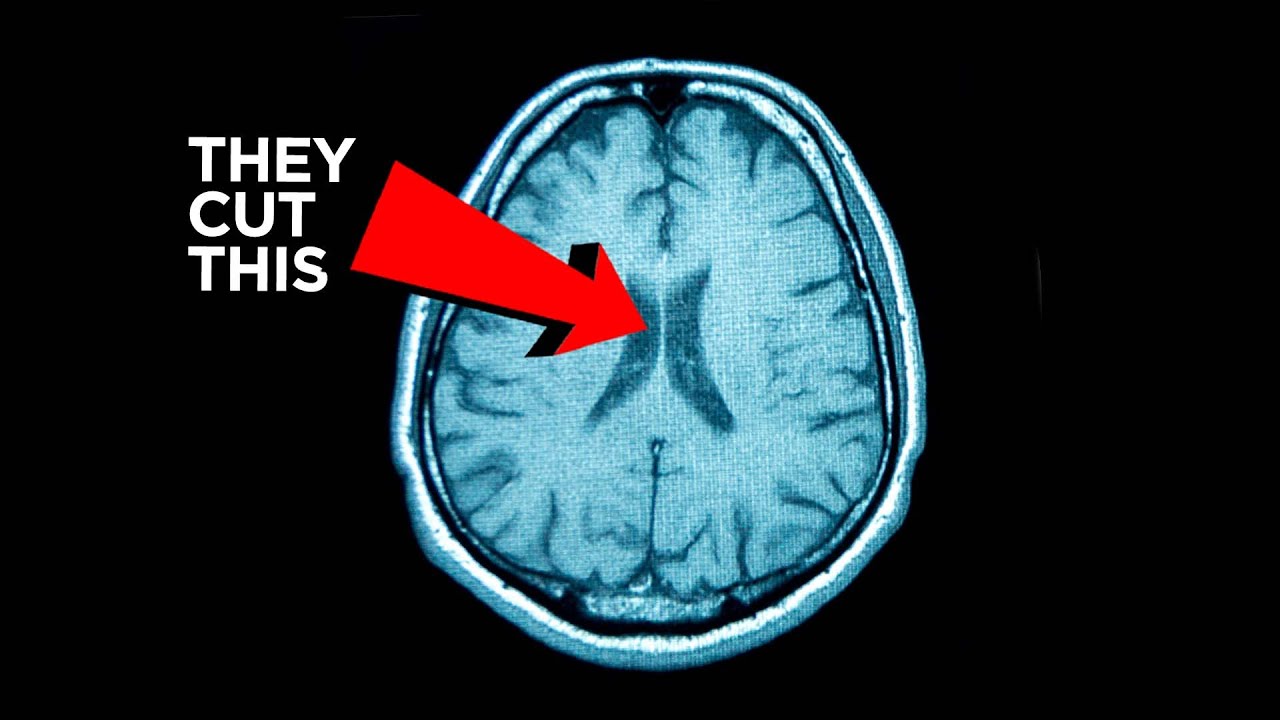
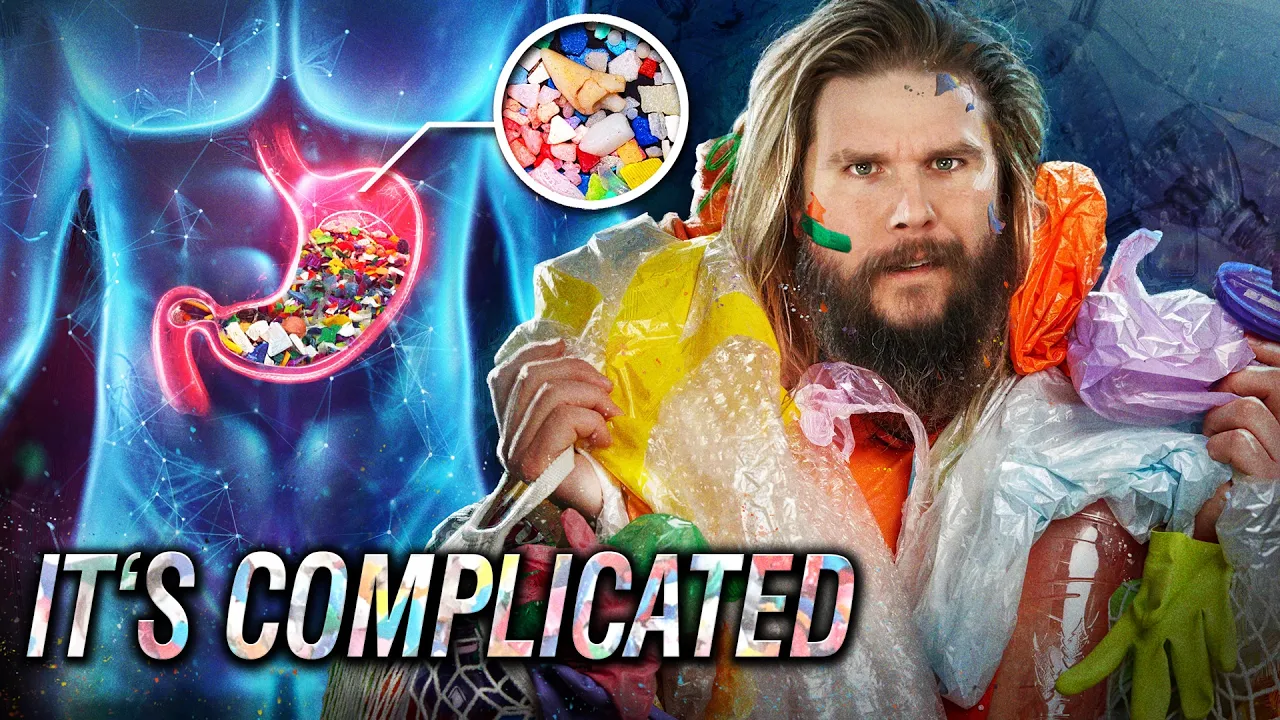
the bottom of the Mariana's Trench they are floating in the air buried in the soil inside the fish that we eat inside the water that we drink in the new Fantastic 4 movie weight that's Pedro Pascal again with this disturbing distribution it was inevitable then that we'd start finding plastic inside us at least a dozen plastic containing tissues have been identified so far and we're finding them in more and more sensitive areas uh every day through inhalation and ingestion it's estimated that the average human person incorporates between 74 and 121,000 microplastic particles a year the
majority of those particles actually come from cosmetic products like toothpaste and exfoliating scrubbers this is why you don't need your fancy face wash Arya uh I don't even have face well then who keeps buying all the Kevin Kevin are you using my credit card again I told you it was only for v-bucks I don't care how smooth your skin is now your Skin's not even real human I you you don't need it dang synthetic children and their Lust For v-bucks it's reasonable to assume that maybe hundreds of thousands of tiny plastic bits entering your blood
brain and other stuff each year is not good but then why do the very same studies that point this out also make a note of saying we do not have enough evidence to clearly link negative health effects and microplastics well that's because doing their due diligence like all scientists should there's a difference between science in theory and Science in practice just like how a cool electric car in theory can be better than exactly Arya the Cyber truck problem as you see pictured one of them right there good comparison today's video is sponsored by trawell Gamers
I'm award-winning science educator and increasingly wide Kyle Hill you know earlier this year I decided to get serious about getting healthier and getting stronger and for the last 212 days in a row I've been trusting my training to one service and one service alone today's sponsor train will formerly known as co-pilot but the name was changed to differentiate itself from AI chatbot co-pilot Services train well is a personal fitness service that combines the personalization and accountability of a human expert with the flexibility of Technology your virtual coach customizes guided workouts to your goals available equipment
schedule and injuries every program is tailored to you and continuously adapted with train well your workout is anytime anywhere and they're not paying me to say this last part it's better than any gym membership I've ever had my personal coach Rod adjust my work out after every session is always available via chat in the app and keeps me consistent I've been working out with train well now three times a week for the last 30 weeks in a row I've put on over an inch on my biceps I no longer Skip Leg Day I can honestly
say that this is maybe the strongest I felt in my entire life and I've told every friend and family member I can about train well a lot of them are using it now too the first 100 people to sign up using my train well link right here get 14 days free and $25 off their first month if you want more encouragement my Arya you know my AI she's a danged personal trainer and bodybuilder and even she uses train well and swears by it look everyone can train but not everyone knows how to train well that's
train well elongate yourself along the x-axis you can touch plastic you can store food in it you can use it any number of ways medically so it isn't crazy to ask are microplastics actually bad for human health and if so why well the answer to the latter is that tiny pieces of plastic do seem to have the unique potential to be dangerous the mechanisms aren't yet fully understood but it appears that microplastics have a unique ability to translocate inside the body that is they don't necessarily stay in the part of the body that inhaled or
ingested them for example plastic pieces evading the mucus membrane brain in your gut and then making it into the surrounding tissue or your bloodstream this appears to be a consequence of microplastic small size a regular shape electric charge high surface area and resistance to degradation studies also point out that the high surface area and irregular shapes are the perfect vehicles for pollutants pathogens and other toxins which get into those little nooks and crannies which make microplastics even which make micro microplastics even more of a problem Oh that that's that's got to be more than average
so we think that microplastics could be harmful but are they it's a valid question scientists have identified potential health effects in at least nine systems in the body ranging from inflation all the way to affecting Child Development how can little plastic pieces affect so much of us once micro Plastics translocate via a mechanism like the body trying to engulf and dispose of the macroscopic particles or just by simple membrane damage the foreign bodies can trigger your immune system cause cells that encounter them to straight up die and otherwise create enough non-degradable microscopic chaos that potential
health effects related to oxidative stress and cell viability and general toxicity all start to stack up I say potential health effects because again these same studies also say that we do not actually have enough evidence to clearly link these potential effects to real humans living in the real world and that's because they are based on a number of animal models and experiments with cells and organoids not epidemiological studies with living humans if we want a clear link between microplastics and health effects in people more science is what we need and science is hard oh oh
that was a big in too oh no though scientists seem unified behind the idea that the link between negative health effects and microplastics is sufficiently persuasive we don't yet have unified methods for definitively answering this hypothesis we don't have standardized size of particles or shape or chemical composition we don't have standardized animal models we don't have standardized measurement and sampling methods in short there are a lot of studies now out there saying a lot of similar things but they can't all be compared exactly so to take everything out of the theoretical we need more standardized
ways of doing this science and more epidemiological studies in real people so what would a real link between microplastics and health effects actually look like hey that's that Kevin that took my credit card you get back here since young man I can take it from here to really link microplastics to negative health effects what we would need first are standards and controls instituted the world over and then we would need many pro and retrospective epidemiological studies these studies would need to find populations of people with some known concentration of microplastics in certain parts of their
body and then compare them to a population with a different or no concentration if there was a statistically significant ific difference in the health of these populations controlling for everything else then it would be good evidence of microplastics toxicity especially if it was backed up by mechanistic explanations it would be the same as comparing smokers to non-smokers over a number of years and finding statistically significant differences in their rates of lung cancer supported by the known carenity of cigarette smoke once we have that for microplastics then we can work on regulations that can make a
difference for example if we found that micr Plastics of a certain size and composition were the most harmful we could work with the largest producer of those specific Plastics to reduce pollution okay I'm back to really establish a hard link between microplastics and negative health effects um I already said all that oh you went through all like the population stuff I already said all that okay well in addition to that epidemiology we also need just more microplastic awareness and we need uh maybe like a reduce reuse recycle campaign for the new age of plastic like
reduce reuse recycle repair rethink REI uh repair uh other RW that the studies suggest did you really go through all that without me that was kind of like a whole okay well until next time now exiting the facility thanks again to train will for sponsoring today's episode remember the first 100 people to sign up using my link right here get 14 days of personal fitness free and $25 off their first month thank you so much to the very nerdy staff here at the facility for their direct and substantial support in the creation of this here
video if you want to join the facility if you want to drape on a silky blonde wig if you want to join our private Discord if you want private members only live streams with me go to the link on the screen and join today and hey if you support us just enough you get your name on every single video you can see there's hundreds and hundreds of you that have already done this as well another thing that uh you have to think about with microplastics is that they don't just go into the environment and wait
for you to ingest or inhale them they also bio accumulate so as they go into the food chain the smaller thing get eaten by the higher up things on the food chain which get higher up and higher up and higher up and because these things are not excreted the microplastics stay in tissues they tend to bioaccumulate so by the time we start to eat some of these animals that are higher up in the food chain like tuna for example then they have a higher concentration of these microplastics that make it into our body the same
reason why tuna is high in mercury content so it's not just moving through our bodies and our sensitive bits it's also moving its way all the way through the food chain so how do we get it out of there I don't know making a lot of kind of Doom and Gloom videos lately huh how you feeling let's do something about it