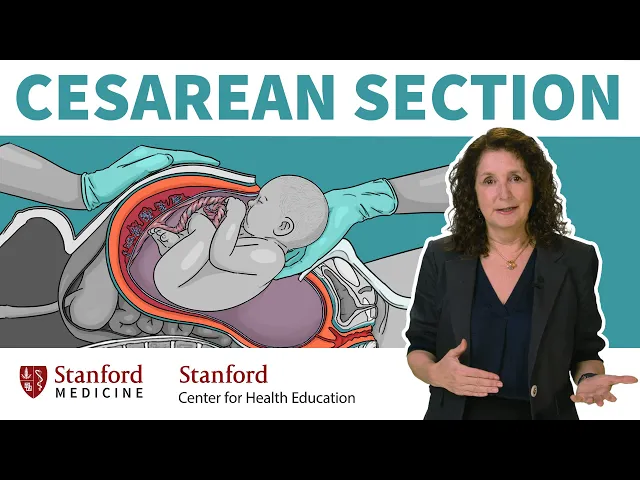
Approximately 21% of pregnant people around the world give birth via cesarean delivery commonly known as a c-section. According to the World Health Organization, the worldwide caesarean rate will increase to about 29% by 2030. Today I'm going to explain what a cesarean delivery is, how it's performed, and talk about who should have one.
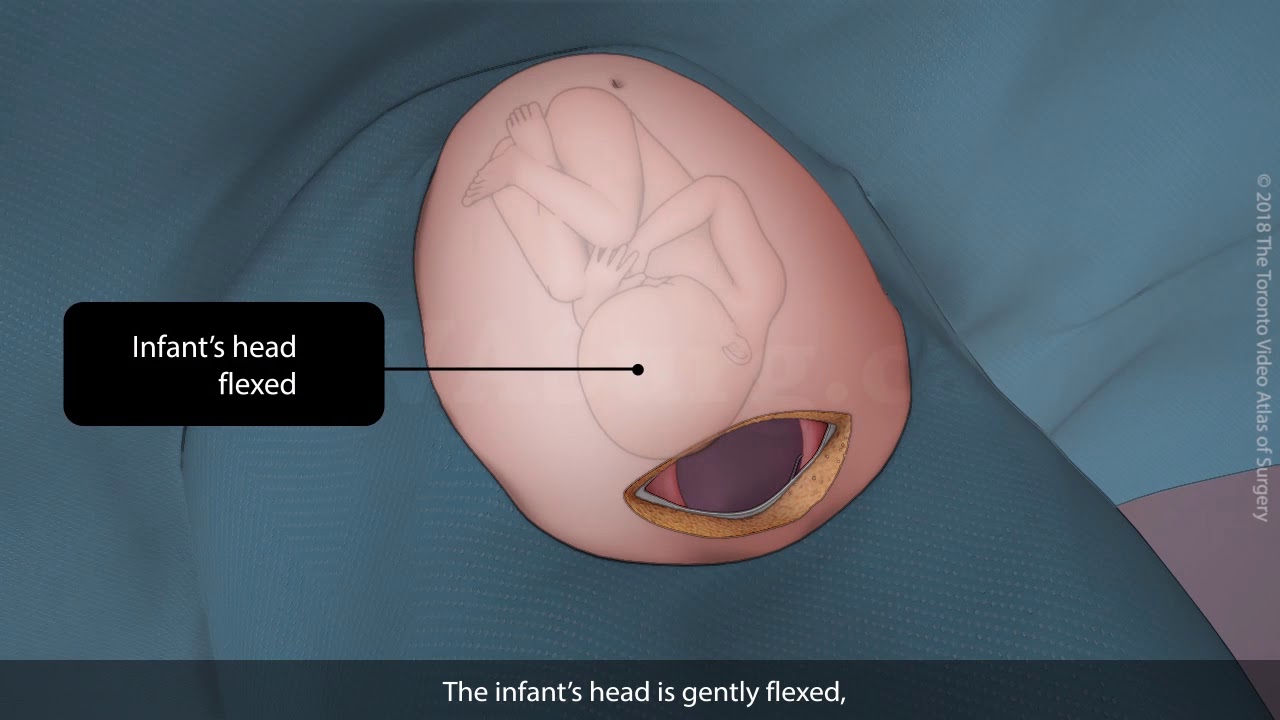
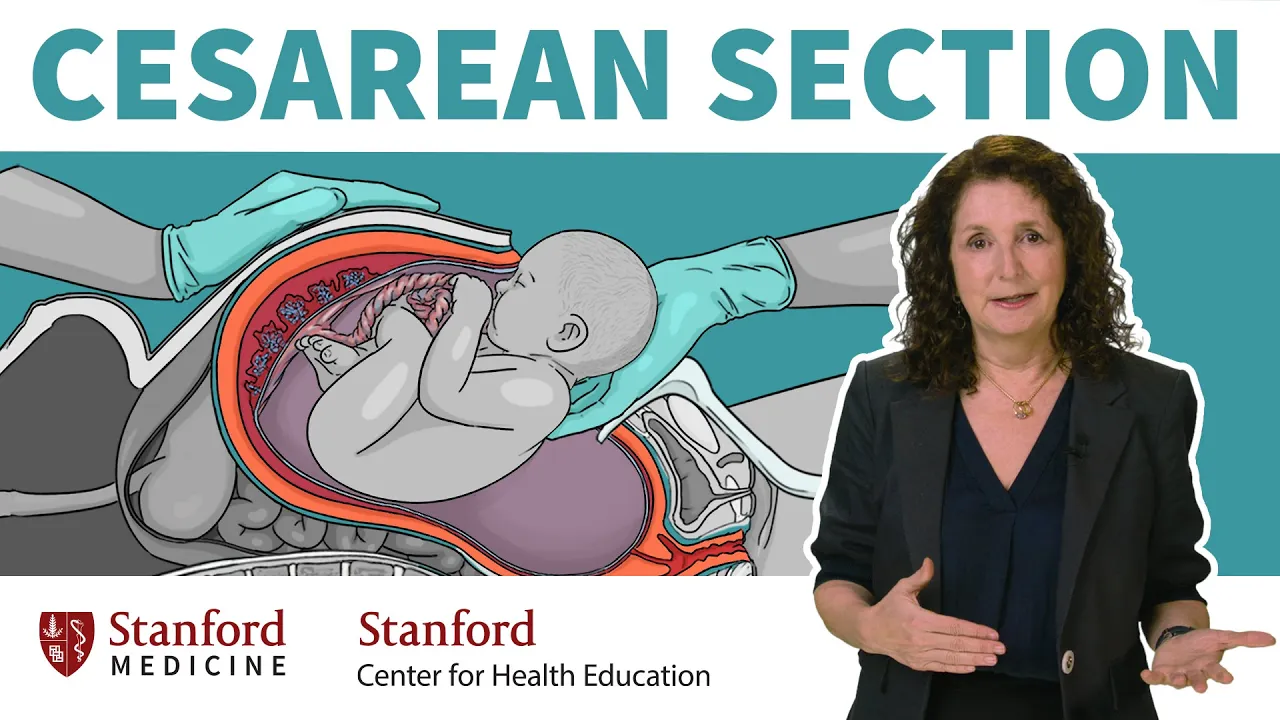
What is a cesarean delivery and how is it performed? First let's talk about the basics, a cesarean is a surgery where a baby is delivered through the wall of the mother's abdomen. Most commonly, the doctor performing the surgery will make a horizontal or underwear line incision.
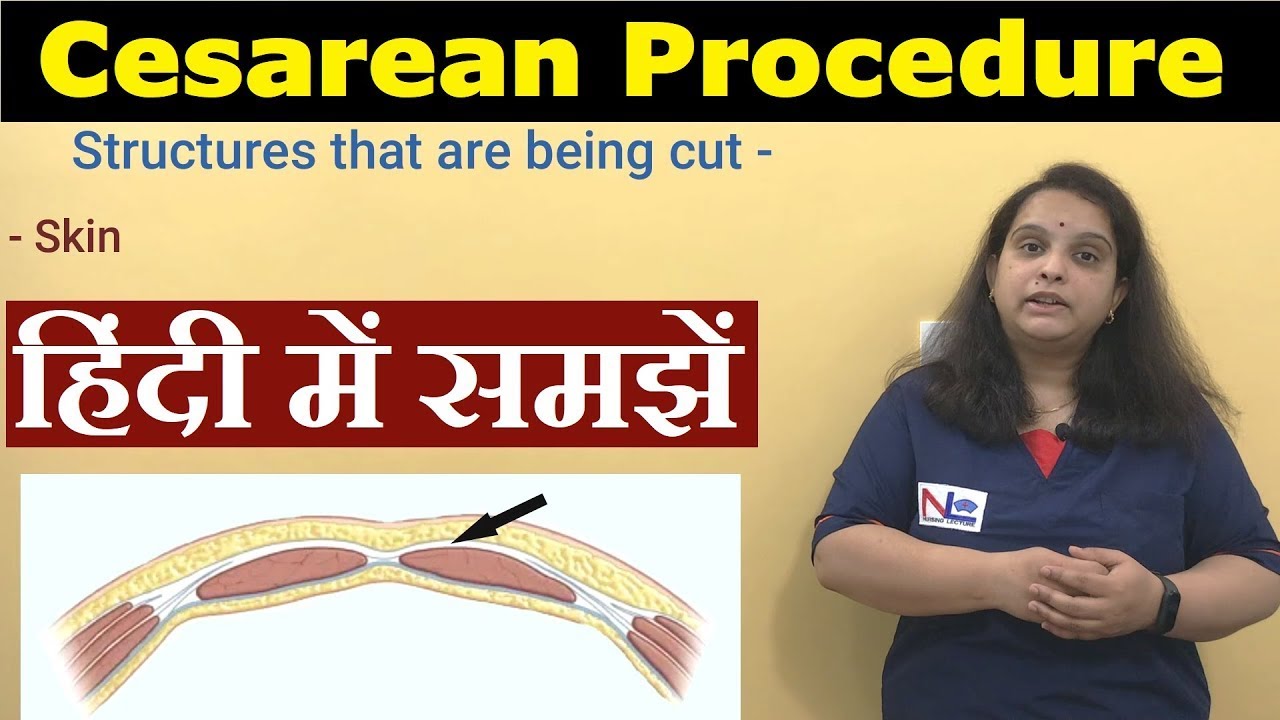
They extend this all the way down to the uterus and typically make a similar horizontal incision into the uterus. The uterus is then opened and the baby is delivered, followed by the placenta which some people know as the afterbirth. What a lot of people don't realize is that the muscles aren't typically cut during a cesarean, rather they're moved aside to get access to the uterus.
Everything is then sewn together after delivery. All of my friends are having c-sections, shouldn't I have one? In some places where the cesarean rate is high it can feel like the norm and there's definitely an appropriate time and place for cesarean which can be a life-saving surgery for both mom and baby, but unless there's a need, babies are typically delivered vaginally.
Cesareans are generally safe but like any other surgery they have risks and possible complications. What are the possible complications of having a C-section? Keep in mind again that cesareans are generally pretty safe and straightforward but I'm going to run through some of the more common issues in some of the less common but more serious complications.
First healing and recovery can be more difficult and can take longer after a cesarean than a vaginal delivery. There are risks of infection, bleeding, getting a blood clot, something known as a deep venous thrombosis, and very rarely someone may have a reaction to anesthesia. Finally, a cesarean can increase risks in future pregnancies such as more difficult repeat caesarean, small risks of uterine rupture from the scar breaking open if someone tries to have a vaginal birth in the future, and rarely a dangerous condition called placenta accreta, where the placenta abnormally attaches to the caesarean scar.
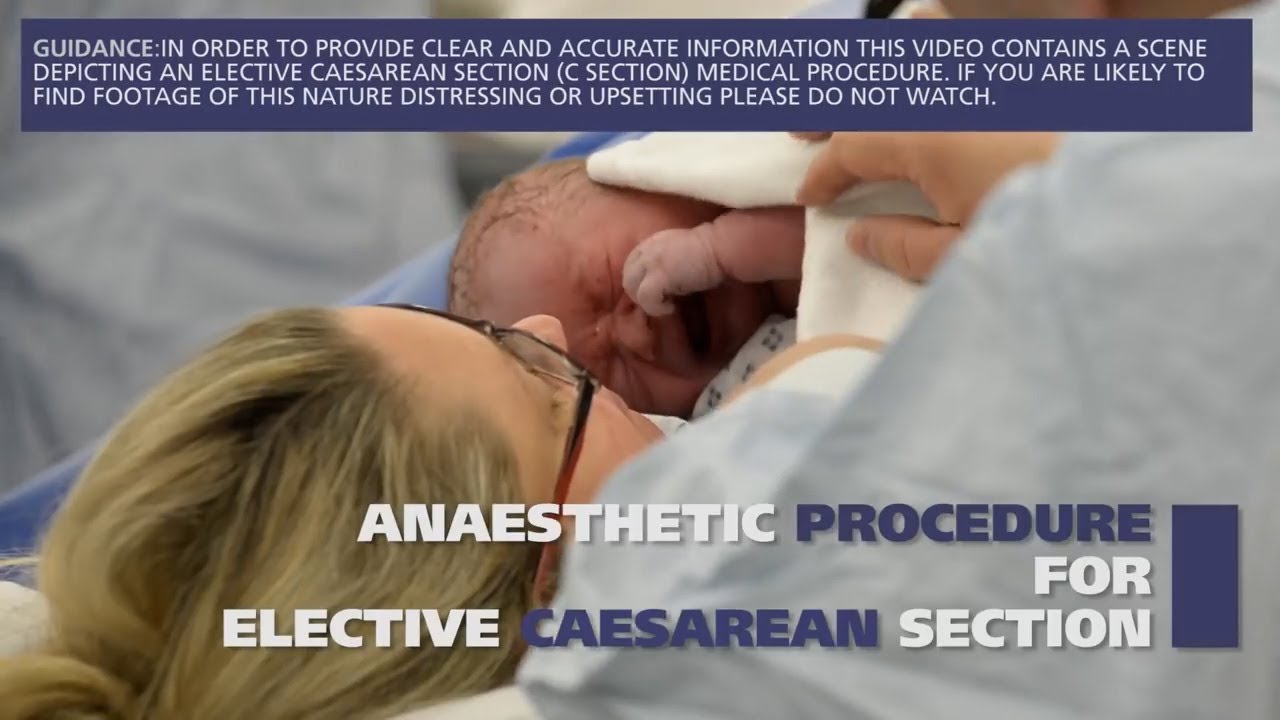
The chance for an accreta is low but it happens and it's pretty rare among people who have never had a cesarean. What type of anesthesia is used during a C-section? Most cesareans are done with an epidural or spinal, these numb the lower part of the body which allows the person giving birth to be awake for the delivery.
It's pretty rare that general anesthesia is needed which means putting someone to sleep. This can happen during an emergency caesarean, or in some uncommon blood conditions like when someone has really low platelets, which help the blood to clot. How long does a cesarean take?
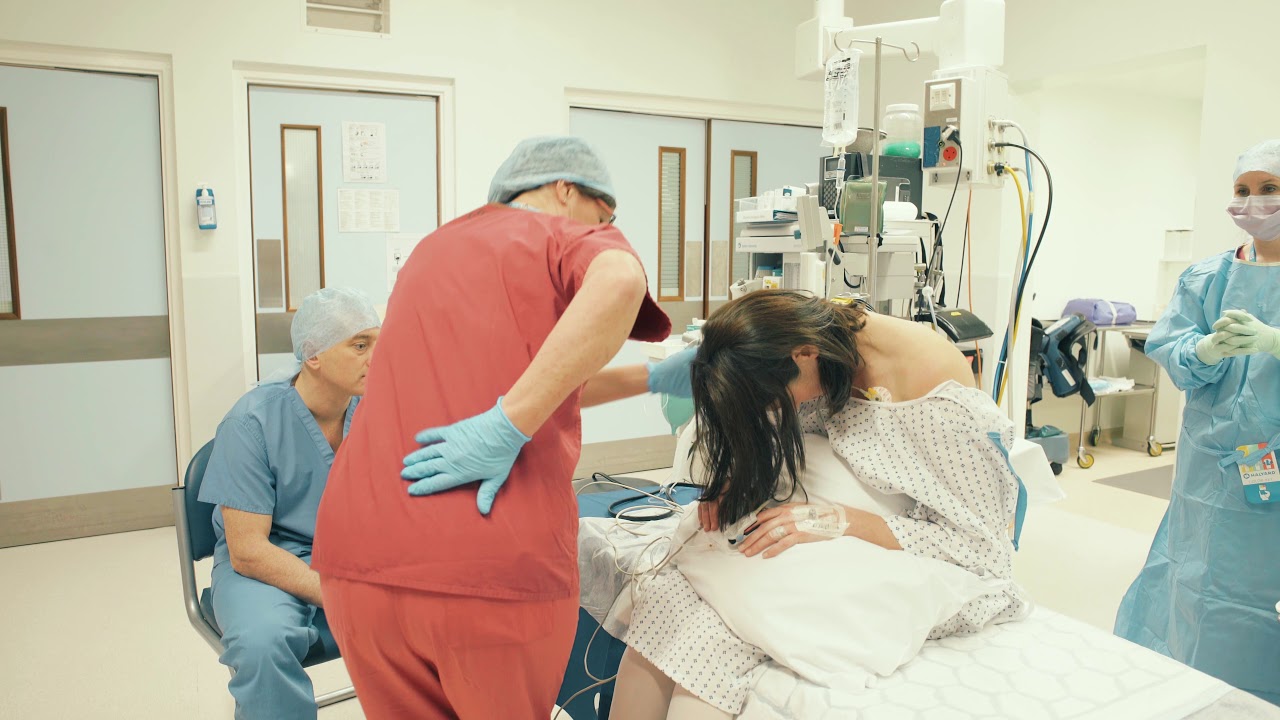
After anesthesia is given, a cesarean usually takes about 45 minutes sometimes less and sometimes much longer depending on things like someone's size and how much internal scaring they may have from prior surgeries. Can my partner or family member be present during the C-section? A support person often a partner or family member or friend is typically allowed in the operating room during a cesarean unless someone requires general anesthesia.
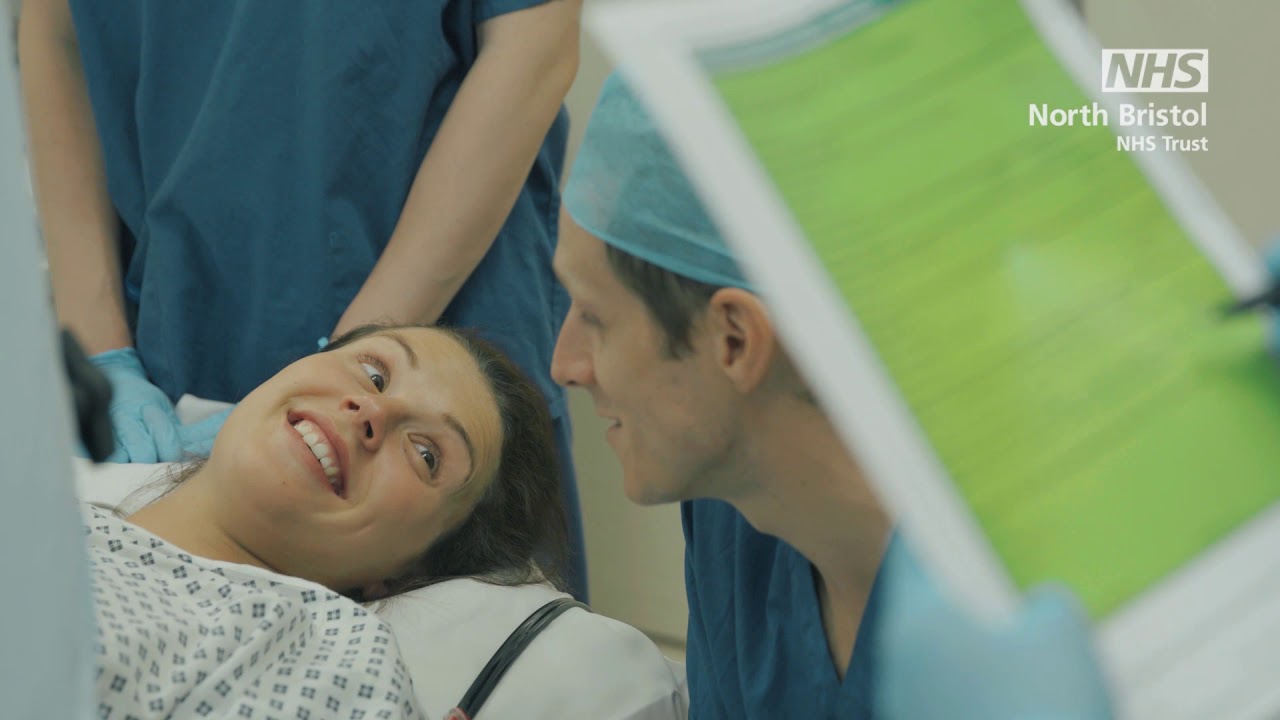
Can I see or hold the baby after my cesarean? You should be able to see and hold your baby after cesarean. Many hospitals now have surgical drapes with a clear sterile window that can be lowered so that you can see the baby right after delivery and depending on where you deliver and how the baby's doing, skin-to-skin contact can be possible in the operating room, which can help with bonding and breastfeeding.
What should I expect after the cesarean? After a cesarean you usually go to a post-operative care unit for at least an hour for closer monitoring and then stay in the hospital for a couple to a few days to recover. You can often get out of bed move to a chair and possibly walk around more than that the day of surgery.
You should have enough pain meds to make this possible and these meds don't always have to be narcotics. You can eat and drink the day of surgery too but not always if the caesarean has been complicated. You can also start breastfeeding right away.
Those taking care of you will look out for signs of infection or heavier bleeding, and you should continue to watch for these after going home. Signs of infection can include increasing pain, drainage, redness around the incision, and fever, and the area of surgery may be more sore for a while as the body heals and the incision typically feels numb. Why might I need a cesarean?
Some common reasons people need cesareans during labor are that labor sometimes stops progressing even when the contractions are strong enough. The baby may be too big for the mother's pelvis, or in an abnormal position. Sometimes something may happen during labor that makes cesarean the best choice such as, heavy bleeding, severe infection, or if a baby is just not tolerating labor and needs to come out.
Having multiple babies at once, especially triplets or more, is also a reason. Sometimes there's a problem with a placenta such as previa where the placenta covers the cervix or is too close to the cervix, or placenta accreta where the placenta may be abnormally attached. Or if you've had a prior cesarean and don't want to or can't undergo a trial of labor after cesarean.
If i have a scheduled C-section when will the baby be delivered? Most scheduled cesareans are planned for 39 weeks or a week before the due date which is 40 weeks. Sometimes they're planned earlier such as 36 or 37 weeks, or even earlier due to certain medical conditions.
If someone's planning a cesarean and they go into labor before the scheduled date the caesarean will happen sooner. If I had a C-section is there a limit to how many babies i can have? With rare exceptions, the number of cesareans doesn't typically limit how many babies someone can have.
The risks do increase a little with each cesarean and the surgery can get a little more complicated depending on how someone scores. If you have an indication for cesarean you should have one. If I had a C-section in the past can I have a vaginal delivery during my second pregnancy?
This most often depends on the type of scar on the uterus, and whether the place you plan to deliver can offer what's called a trial of labor after caesarean or TOLAC. About 70 percent of women in the U. S.
who attempt a vaginal delivery after caesarean are successful. Some conditions make someone ineligible for TOLAC including: having a prior classical cesarean, the incision in the upper part of the uterus, or other certain types of prior uterine surgeries. Can a C-section affect my baby?
A cesarean doesn't typically harm a baby. When a baby is born it goes from getting oxygen from the umbilical cord and not using its lungs. It's kind of like a fish to taking its first breath.
The process of labor helps to clear out some of that fluid in the lungs, but babies born via cesarean without labor sometimes don't clear the fluid from the lungs as well as they do after vaginal birth and they can have temporary breathing problems right after birth. There's also a very rare risk of surgical injury to a baby and this is mostly seen during an emergency cesarean. If you're pregnant and considering whether to have a cesarean or maybe you just want to be prepared in case a cesarean is needed, please talk to your medical provider about your options especially if you've had a prior cesarean.
And again please remember that cesareans are typically pretty safe and are really helpful options for mom and baby when they're needed.


![Cesarean delivery [ C-Section ] | Nursing Lecture](https://img.youtube.com/vi/Cxb61c_30MU/maxresdefault.jpg)