Language models play a crucial role across diverse domains owing to their significance and broad range of applications. Here are the key aspects underscoring their importance: 1. Enhanced Communication: Language models contribute to effective communication by generating coherent and contextually appropriate text, thereby fostering improved interactions between humans and machines.
2. Information Assessment: Proficiency in understanding language models enables critical evaluation of generated information, enabling the differentiation between trustworthy and deceptive content. 3.
Ethical Implications: The use of language models gives rise to ethical considerations, particularly concerning biases. Addressing these biases becomes imperative to ensure fairness and inclusivity in AI systems. 4.
Prospects for the Future: Familiarity with language models opens up a world of opportunities and potential career paths in areas like natural language processing, machine learning, and AI research. In today's rapidly evolving technological landscape, language models have become indispensable tools with diverse applications. Let's explore some key areas where these models are utilized: 1.
Chatbots and Virtual Assistants: Language models form the backbone of chatbots and virtual assistants, enabling them to engage in human-like conversations. They play a pivotal role in various applications, including customer service and information retrieval. 2.
Language Translation: Language models power language translation systems, enabling automatic translation of text between different languages. This breakthrough has revolutionized cross-cultural communication and global business interactions. 3.
Content Generation: Language models are invaluable in content generation tasks, capable of crafting articles, producing product descriptions, and generating creative writing, streamlining content creation processes for various industries. 4. Sentiment Analysis: Businesses benefit from language models in sentiment analysis.
These models can analyze the sentiment expressed in text, helping organizations understand customer feedback, gauge public opinion, and make data-driven decisions accordingly. 5. Text Completion and Auto-correction: Language models enhance everyday writing tasks through applications like auto-complete and auto-correction.
They provide intelligent suggestions and improve the accuracy of written content. 6. Voice Assistants: Language models integrated into voice assistants such as Siri, Alexa, and Google Assistant have revolutionized the way we interact with technology.
Voice-controlled interactions are made possible, and tasks can be effortlessly executed through spoken commands. So, as you can see, language models play an integral role in numerous applications, serving as catalysts for effective communication, information processing, and ultimately enhancing user experiences across a wide range of domains. But what about Large Language models, or LLMs?
You might have already heard about this concept. Is there any difference between LMs and LLMs? This is what we will find out next!
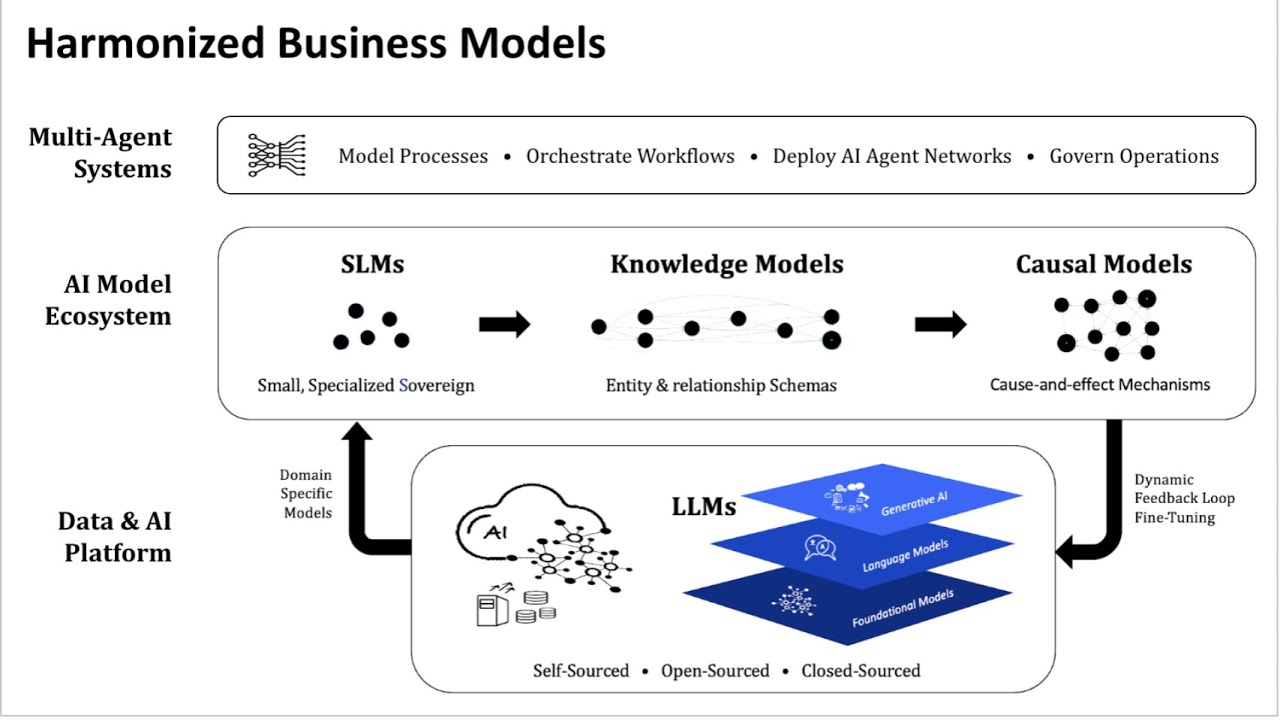
Please remember that Language models or LMs predict or generate text based on extensive data, understanding statistical patterns and language structures. In contrast, LLMs are a special type of language model known for their exceptional size and power, with billions of parameters enabling them to capture intricate language details and produce high-quality text. In short, LLMs are more advanced and capable due t o their sheer size and complexity.
LLMs excel in understanding context, generating coherent and relevant responses, and performing various language-related tasks. Key Advantages and Distinguishing Characteristics of Large Language Models (LLMs) over traditional LMs: 1. Scale: LLMs are significantly larger and more powerful models, with billions or even trillions of parameters, capturing intricate language details and nuances.
2. Creative Writing: LLMs excel in generating creative and imaginative content, allowing them to produce high-quality, coherent text. 3.
Complex Problem Solving: LLMs can handle intricate tasks and provide expert-level insights, making them valuable tools in various domains. 4. Domain Expertise: LLMs can specialize in specific fields or domains, enhancing their performance and relevance in specialized applications.
5. Enhanced Language Understanding: LLMs can comprehend complex queries and produce higher-quality responses, leveraging their contextual understanding. 6.
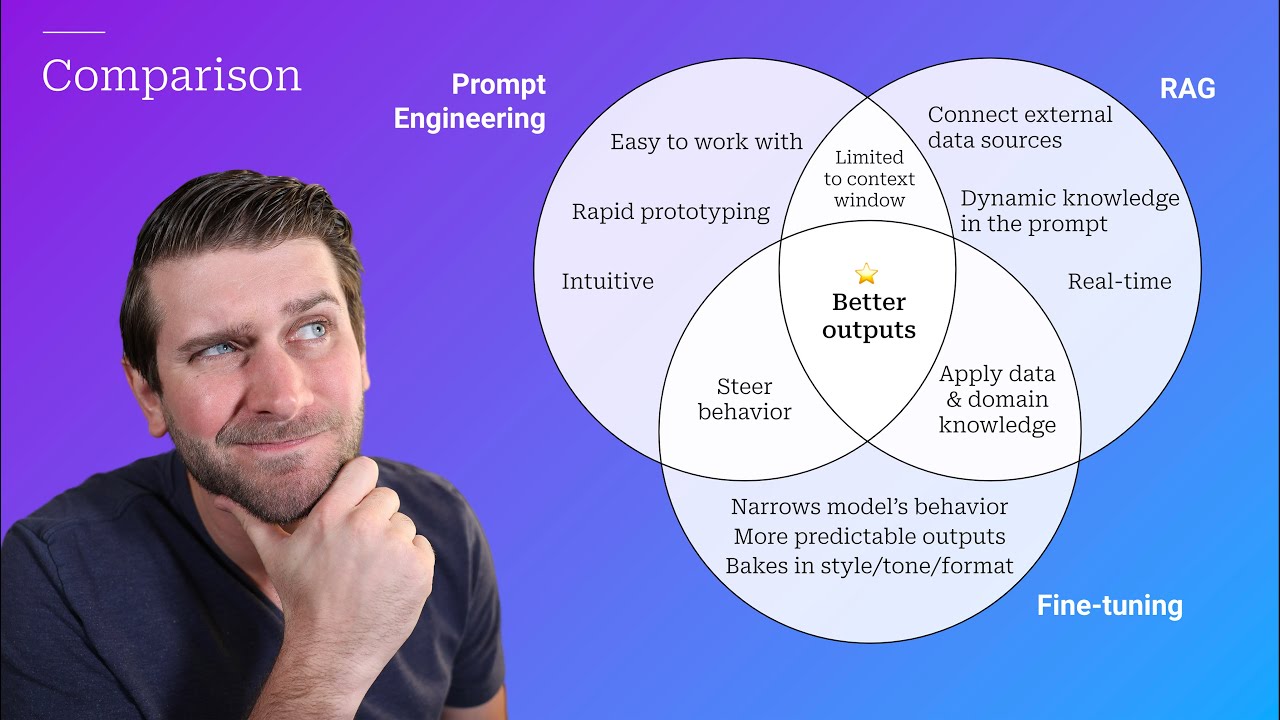
Data Efficiency: Despite their scale, LLMs achieve comparable performance even with less training data, making them efficient language models. 7. Pre-training and Fine-tuning: LLMs undergo a two-step training process, starting with pre-training on massive text data to grasp general language patterns and structures, followed by fine-tuning for specific tasks or domains, contributing to their versatility and effectiveness across various language-related tasks.
8. Contextual Understanding: LLMs excel at understanding context, capturing meaning, intent, and relationships between words and phrases, resulting in coherent and contextually relevant text generation. 9.
Language Generation: LLMs possess the capability to generate human-like text, producing extended passages that adhere to grammatical rules and exhibit semantic coherence based on the patterns and context learned during training. 10. Transfer Learning: LLMs leverage transfer learning, enabling them to generalize knowledge from one task to another, making them adaptable and efficient across a wide range of language-related applications.
11. Versatility and Applications: LLMs find applications in diverse domains, including chatbots, virtual assistants, machine translation, content generation, sentiment analysis, and more, making them valuable tools for various language processing tasks. 12.
Research and Innovation: LLMs have been at8 the forefront of cutting-edge research in natural language processing, driving significant advancements in the field, and fueling innovation in AI-driven language systems. Overall, LLMs extend the capabilities of LMs through their size, expertise, and improved performance, making them significant contributors to advancements in natural language processing. Examples of popular LLMs include GPT-3, BERT, T5, RoBERTa, and Megatron-LM, along with H2O-GPT, Falcon, and LLAMA, which have gained widespread popularity and are extensively used in both research and industry for various language-related tasks, such as conversation AI, translation, and content generation.
In summary, LLMs stand out due to their exceptional scale, training process, contextual understanding, language generation abilities, transfer learning, versatility, and their contributions to advancing research in natural language processing, making them powerful and transformative tools in understanding and generating human language. Congratulations on completing this first step in your LLM learning journey and gaining a deeper understanding of Language Models! Throughout this learning experience, you've acquired valuable insights into what Language Models are - AI algorithms that learn patterns and structures from text data to generate coherent and contextually relevant text.
You've explored their significance and various applications, from text completion and machine translation to chatbots and creative content generation. Language models play a vital role in natural language processing, enabling tasks like text generation, sentiment analysis, and machine translation. Their applications in chatbots, voice assistants, content generation, and enhancing overall language understanding make them indispensable for communication, automation, and improving user experiences.
You've also been introduced to Large Language Models (LLMs), which excel at language understanding and generating coherent text. Understanding LLMs is essential for communication, critical evaluation, and advancing AI. Familiarity with LLMs opens opportunities in natural language processing and AI research.
Remember, this journey is just the beginning. As technology continues to advance, there will always be new frontiers to explore and opportunities to innovate. In the next module, you'll delve into the intricacies of the LLM Architecture, gaining a deeper understanding of neural networks and deep learning principles.
You'll explore the transformative transformer architecture, learn about pre-training and fine-tuning LLMs, and familiarize yourself with various pre-trained models like GPT and BERT. Concepts like transfer learning and adaptation will also be covered. We encourage you to keep expanding your horizons by taking the next module, enriching your knowledge of LLM concepts even further.
See you soon! Cheers!






![[1hr Talk] Intro to Large Language Models](https://img.youtube.com/vi/zjkBMFhNj_g/maxresdefault.jpg)