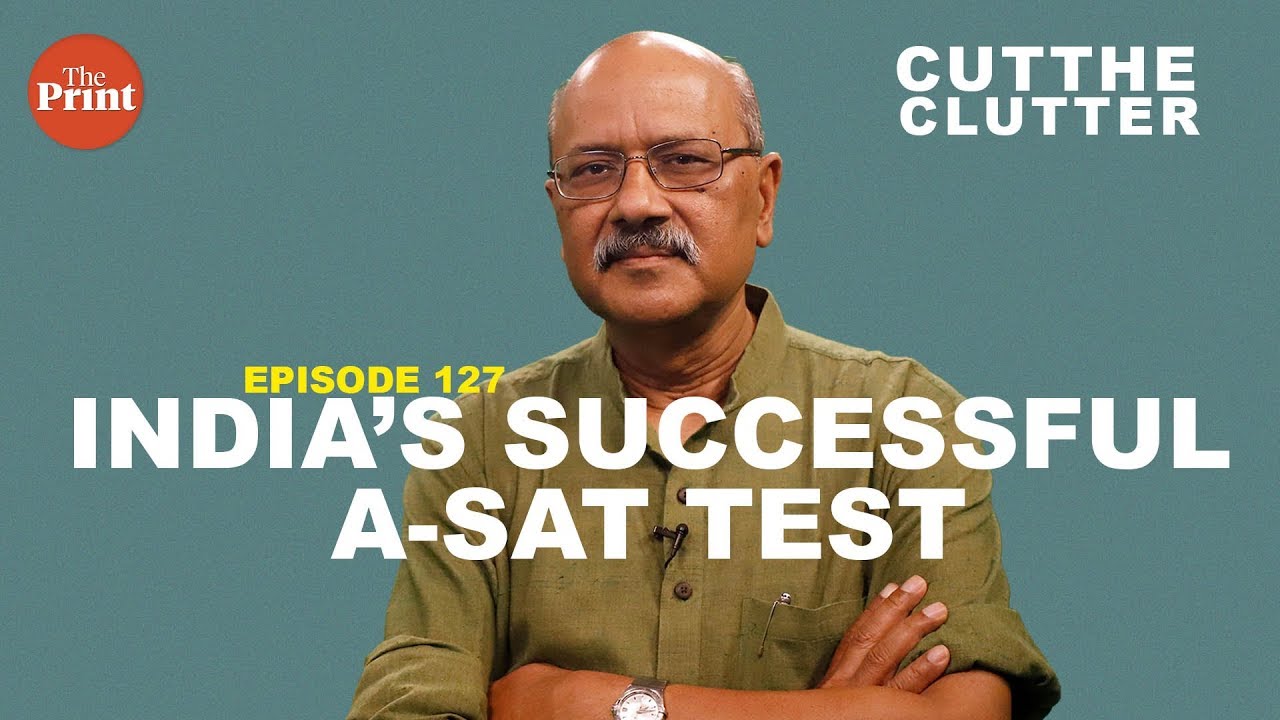
okay hi good afternoon hi my name is Patrick Murphy and I work for the space technology Mission Directorate and so my question is this last Wednesday India held a anti-satellite test now this test created a cloud of orbital debris that's flying in low-earth orbit and so when I think of orbital debris that they're tracking it's the size of my fist several several pieces of that now that's potentially of high risk to NASA assets and more importantly to our NASA astronauts what's NASA's reaction to that thank you oh that's a great question Patrick and uh there
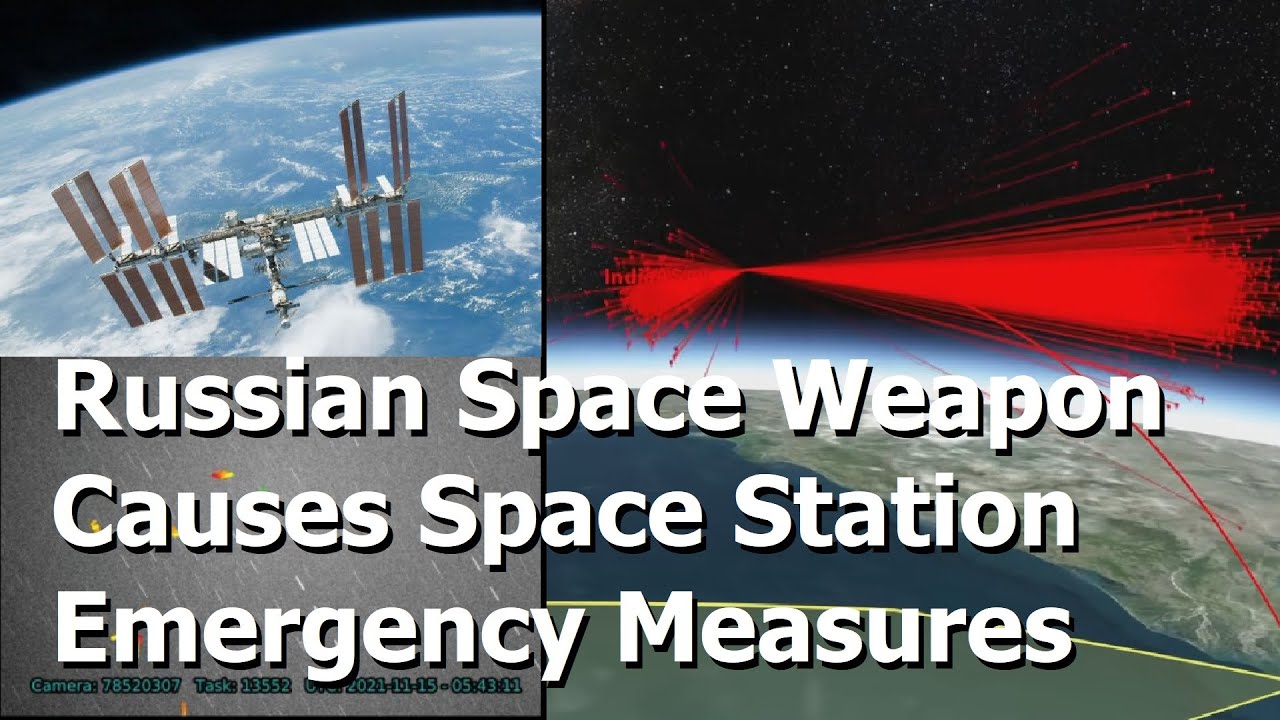
there's um this is a town hall in and of itself it is absolutely true that intentionally creating orbital debris fields is not compatible with human spaceflight here's what we know about the most recent direct ascent anti-satellite test that was done by India we know that we have identified four hundred pieces of orbital debris from that one event that's what's been identified now all of that cannot be tracked what we are tracking right now objects big enough to track we're talking about ten centimeters are bigger about about sixty pieces have been tracked in other words I've
got a tracking number and we're able to keep keep up with where they are of those sixty we know that twenty four of them are going above the apogee of the International Space Station that is a terrible terrible thing to create an event that sends debris in an Apogee that goes above the International Space Station and that kind of activity is not compatible with the future of human space flight that we need to see have happen we are charged with commercializing low-earth orbit we are charged with enabling more activities in space than we've ever seen
before for the purpose of benefiting the human condition whether it's pharmaceuticals or printing human organs in 3d to save lives here on earth or manufacturing capabilities in space that aren't you're not able to do in a gravity well like all of those are placed at risk these kind of events happen and when one country does it than other countries feel like they have to do it as well so Patrick I'm with you I get it I understand it it's unacceptable and NASA needs to be very clear about what its impact to us is now we're
learning more and more every hour that goes by about this orbital debris field that has been created from this anti-satellite test where we were last week with an assessment that comes from NASA experts as well as the joint Space Operations Center I guess it's the combined Space Operations Center now the C Spock was that the risk to the International Space Station was increased by 44% the risk and that I'm talking about small debris impact to the International Space Station the risk went up 44% over a period of 10 days so the good thing is it's
low enough in Earth orbit that over time this will all dissipate you go back in time 2007 direct ascent anti-satellite test by the Chinese all of that orbital debris is not all of it but a lot of it is still in orbit and we're still dealing with it and we're still we as a nation are responsible for doing space situational awareness and space traffic management conjunction analysis for the entire world and we're doing it for free compliments of the taxpayer of the United States of America from an orbital debris field that was created by another
country why do we do that as a nation because it's the right thing to do because we want to preserve the space environment and I know I know why you asked the question Patrick's the the the space technology Mission Directorate you're responsible under space policy directive three signed by the president United States for the first time in American history for building the technologies and the capabilities ultimately to to ensure that we can track this kind of debris in the future at a better state than we can right now with the United States Air Force and
Strategic Command right now they've got a lot of different programs in place the space fence right now we're able to track about 23,000 pieces of orbital debris things that are 10 centimeters are bigger with the space fence coming online we're gonna be looking at hundreds of thousands of pieces of orbital debris some people say 200,000 some people say 500,000 bottom line is we don't know what we do know is whatever it looks like it's going to be scary and what we have to do is we have to get a lot better at figuring out how
to reduce the bubbles around each one of those objects in low-earth orbit that could risk put at risk the International Space Station so we don't have to constantly be maneuvering the International Space Station I guess the point is this NASA has a role to play here especially when it comes to protecting the lives of our astronauts nASA has a role to play here when it talked about the new technology the new capabilities under space policy directive 3 signed by the President to make sure that our people are safe and that our hundreds of billions of
dollars worth of assets in low-earth orbit are safe and we have a role to play with the Commerce Department under Space policy directive three space situation we're in a space traffic management is not going to be done by strategic command anymore it's going to be done by the Commerce Department which I think is a great move because this is not just about national security it's about economic development how that gets developed of course again that's another Town Hall but at the end of the day we need to be clear with everybody in the world we're
the only agency in the federal government that has human lives at stake here and it is not acceptable for us to allow people to create orbital debris fields that put at risk our people I wanted to I want to anchor here because there's probably people here sending tweets and all kinds of things right now based on my comments know this while the risk went up 44% our astronauts are still safe the international space station is still safe if we need to maneuver it we will the probability of that I think is low but at the
end of the day we have we have to be clear also that these activities are not sustainable or compatible with human spaceflight so thank you for the question again I will do a whole nother Town Hall about this and and the vision nASA has ultimately for how situational awareness and space traffic management should unfold in the future but Patrick that's a that's a great great point