If you live with arthritis, you've probably been told or maybe just assumed that pain means you're causing more damage to your joints. But what if that belief is not just wrong, but actually making your arthritis worse? Today, I'm going to show you why this old way of thinking keeps people trapped in a cycle of pain, weakness, and fear, and more importantly, how you can break free.
Hey everyone, Dr Jeff Pang here. I'm a sports medicine physician practicing in the San Francisco Bay area. And over the years, I've treated countless patients struggling with arthritis pain.
I've seen firsthand how one simple but powerful mindset shift can completely change the course of their recovery. So, let's first understand the real problem. And it starts with how pain is often misunderstood.
When someone with arthritis feels pain, it's natural to assume that the joint is being injured or worn down even further. And as a result, many people instinctively limit their movement to protect the joint. They avoid walking, exercising, or even simple daily activities, believing they are preventing more harm.
But this avoidance sets off a dangerous chain reaction. When joints aren't moved regularly, the muscles surrounding them begin to weaken. Weak muscles provide less support and stability to the joint which can actually increase mechanical stress during everyday activities.
On top of that, the lack of movement decreases circulation, limits the delivery of nutrients to the cartilage and contributes to joint stiffness, all of which can amplify pain rather than relieve it. Research consistently shows that physical inactivity is one of the strongest predictors of worsening arthritis symptoms over time. In fact, studies have found that people who remain sedentary because of their pain often develop more disability, lose more strength, and experience greater overall joint degeneration compared to those who stay active.
It becomes a vicious cycle. Pain leads to fear. Fear leads to inactivity.
Inactivity leads to weakness and weakness leads to more joint degeneration. This then leads to worse pain and the cycle continues. So breaking this cycle starts with understanding one crucial point.
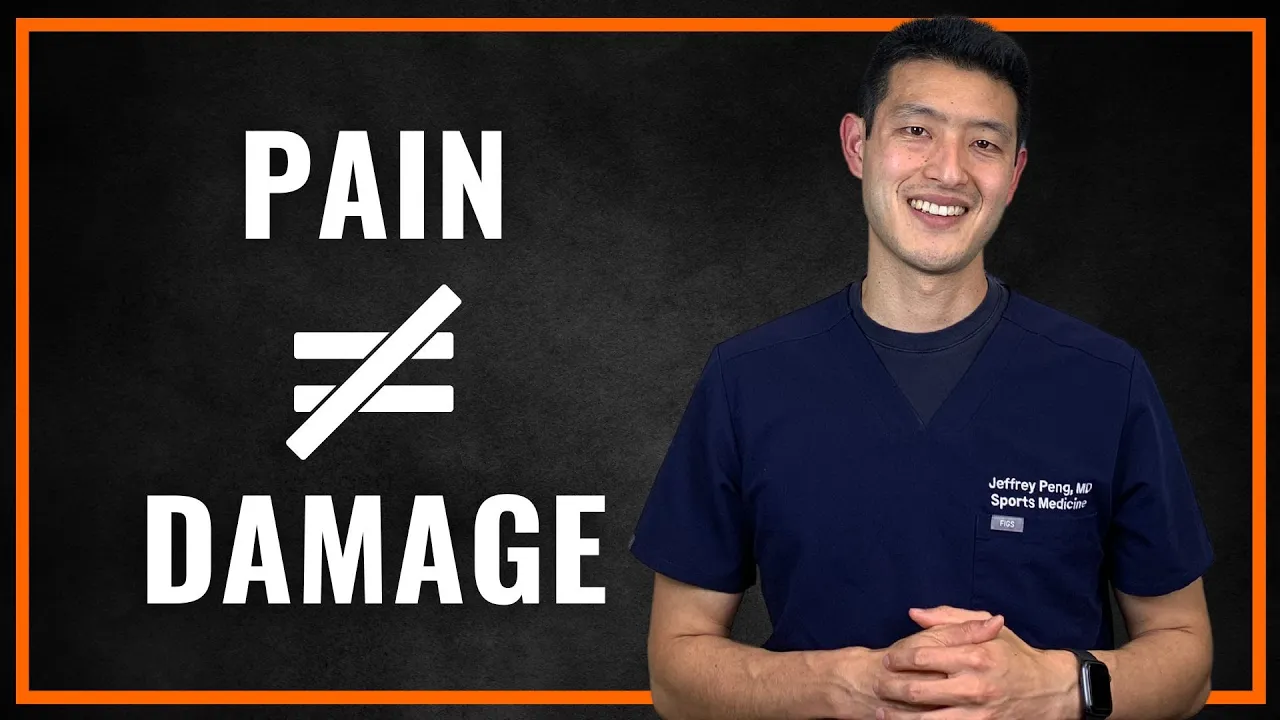
Pain does not automatically mean damage is happening. In many cases the pain associated with arthritis is a reflection of joint sensitivity, inflammation and biomechanical imbalances, not new injury. And when patients internalize this, it opens the door to movement, strength, and genuine recovery instead of continued decline.
This is where the real shift in mindset begins. Decades of research have shown that movement is not the enemy of arthritis. It's actually one of the most powerful tools we have to fight it.
You might have heard the saying motion is lotion. And when it comes to osteoarthritis, it's absolutely true. Regular movement improves blood flow which helps deliver oxygen and nutrients to the joint tissues.
It also stimulates the production of synovial fluid. This is the natural lubricant inside our joints and this can help reduce friction and can ease stiffness. Exercise, especially programs designed for arthritis goes even further.
Numerous randomized control trials have shown that strengthening the muscles around an arthritic joint significantly improves pain, mobility, and function. For example, a study published in the British Journal of Sports Medicine found that structured exercise programs led to similar and in some cases even better improvements in pain and disability when compared to common pain medications like Advil or Elite. And the best part is it doesn't really matter what type of exercise you choose.
Research shows that a wide range of activities, including aquatic exercise, stationary cycling, resistance training, traditional exercise programs, and even yoga, can all significantly improve pain and symptoms related to knee osteoarthritis. Aquatic exercise appeared to be the most effective for reducing pain, while yoga stood out for improving stiffness, knee function, and overall quality of life. Now, it's important to understand that the goal is not to eliminate every twinge of discomfort during exercise.
Some pain is expected, and that's okay. What we care about is restoring strength, improving joint stability, maintaining range of motion, and enhancing overall function. In fact, studies show that people who stick with regular exercise programs not only feel better, but they also slow down the progression of arthritis related disability.
Movement when done correctly helps rewire the nervous system, reduce joint sensitivity, and rebuild a stronger, more resilient body. This is why exercise is not just recommended, it's considered a cornerstone of osteoarthritis management by organizations like the American College of Rheumatology. If you truly want to take control of your arthritis, movement must become part of the solution, not something you fear.
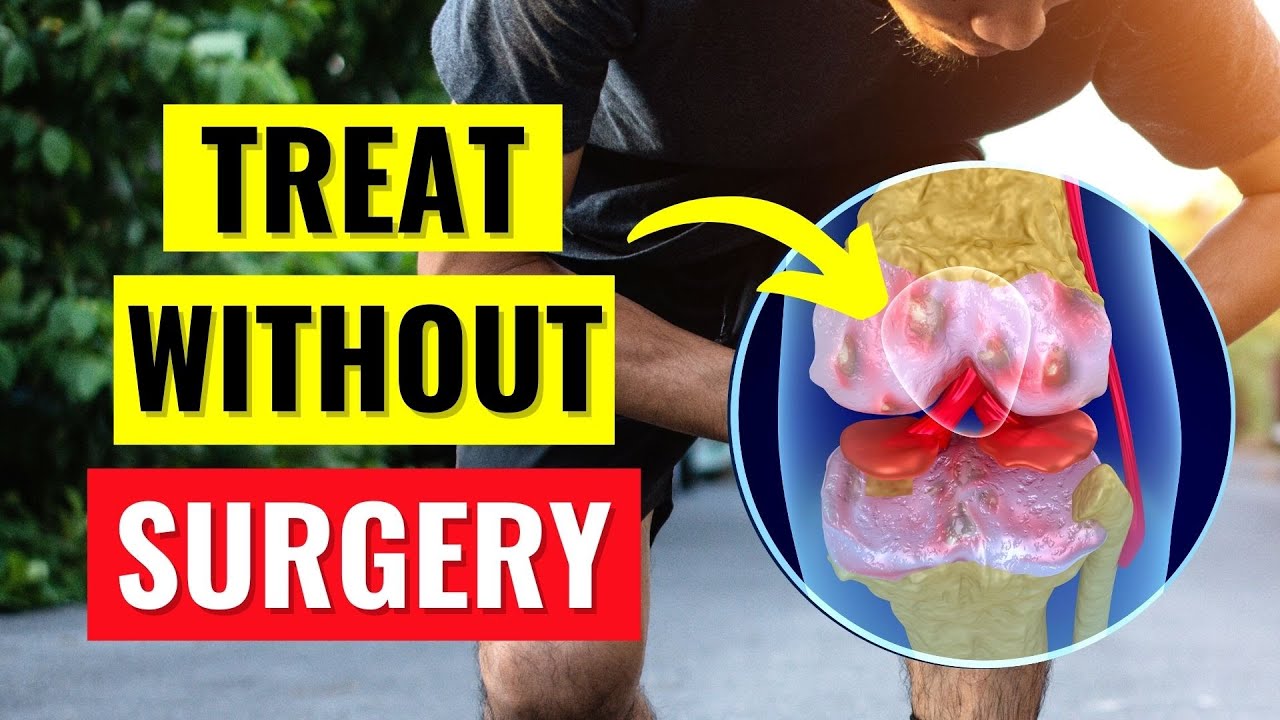
So, if this gives you the reassurance and green light to start moving again despite some joint pain, that's exactly what you should do. But what if you still feel stuck? If the pain is just too much and exercise still feels impossible, that's when it's time to explore other options.
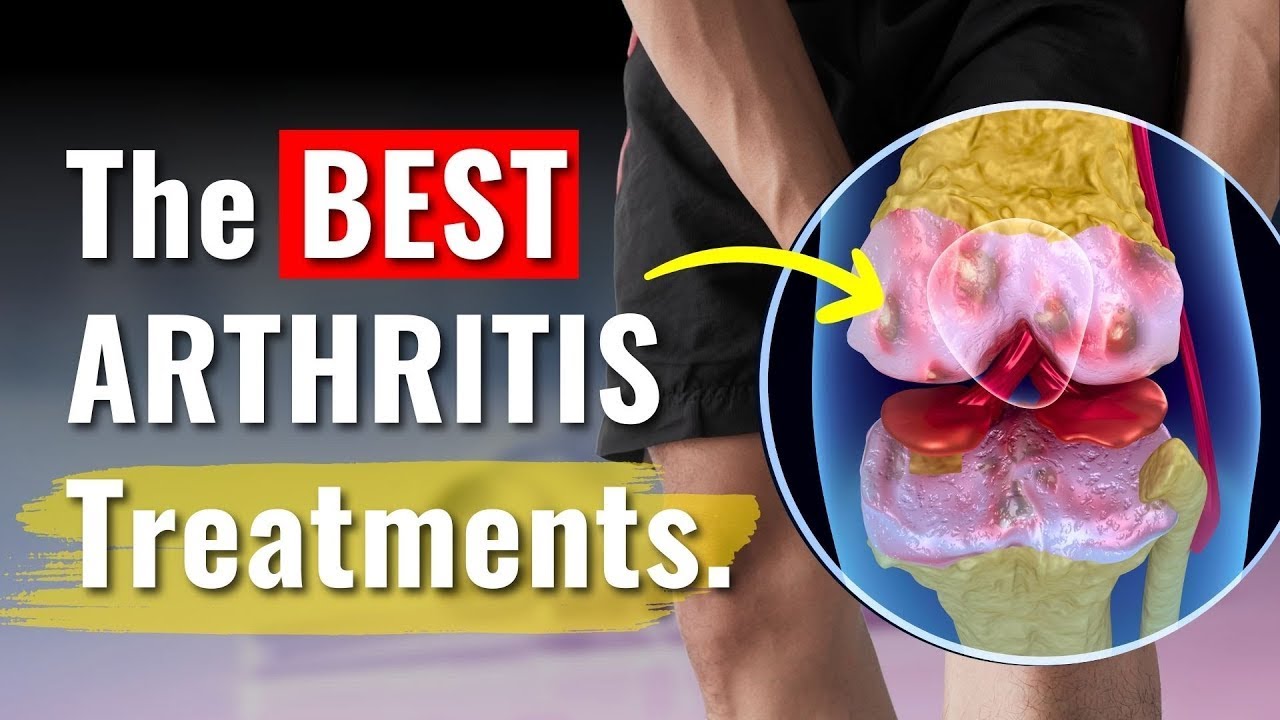
In this next video, I'll walk you through the best non-surgical treatments that can dramatically reduce pain, restore function, and get you back to doing the things that you Love.