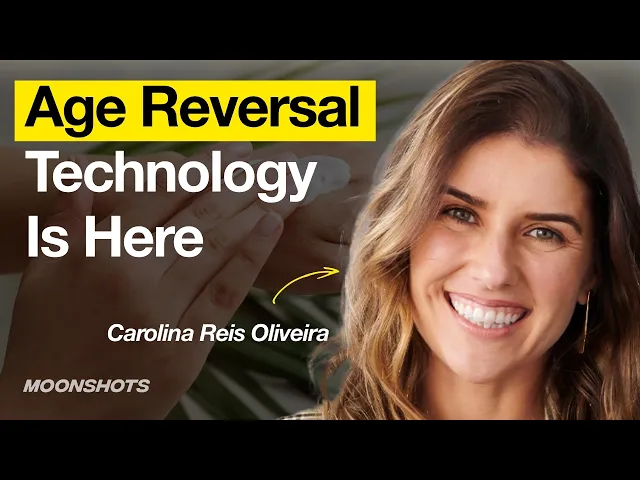
[Music] what causes skin Aging in general from a medical science perspective what's going on skin aging is basically the generation of the skin tissue and it's caused by two processes I was just blown away by the science and the technology what you've been building and I started using it it is one of the few products I've used consistently you know twice a day for four years no1 has this ability of decreasing up to 40% the load of sess and cells that's amazing what is your skin care protocol yeah luckily it's very simple so everybody Peter
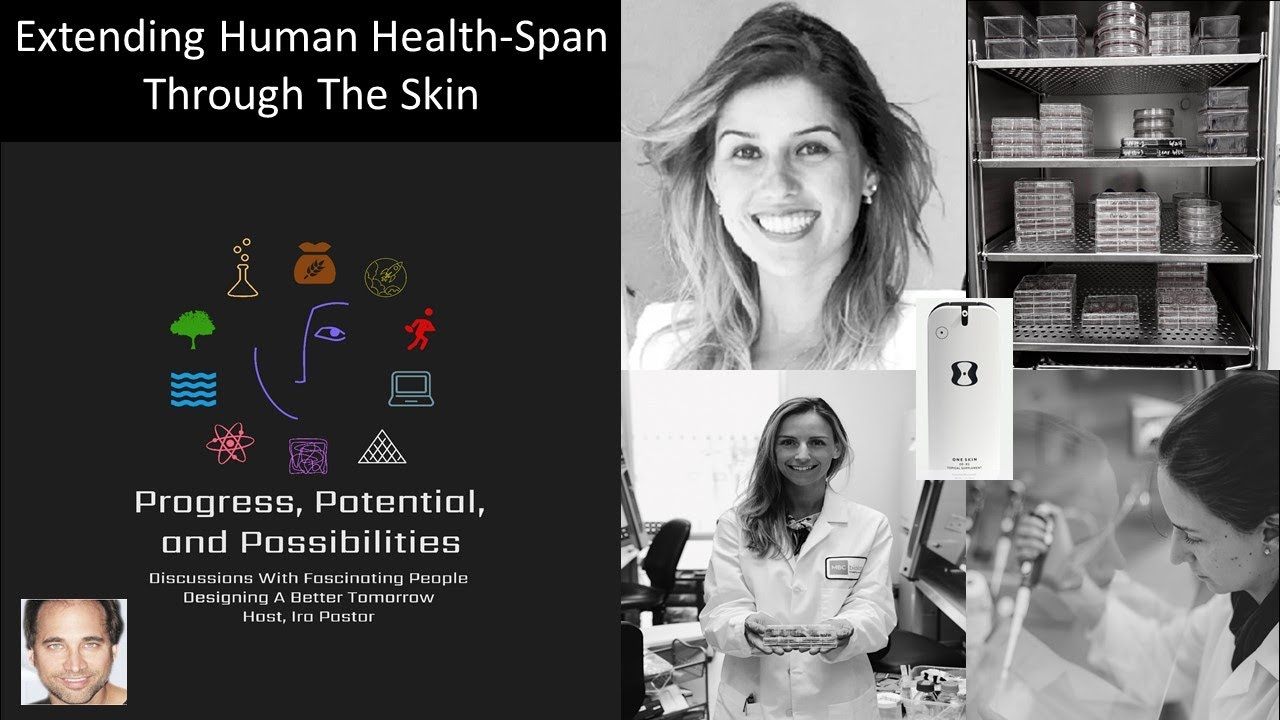
dandis here and welcome to moonshot today I have a guest who I think about twice a day because I use her product twice a day every day it's Dr karolina ree oliviera uh she's a co-founder and CEO of one skin she has a background in stem cell biology tissue engineering immunology and she founded one skin with uh four incredible women all phds in this area to combat age related disease particular of the largest organ in our body our skin um and I love the product I use it twice a day uh full disclosure I am
an adviser to the company and because I love it so much uh super proud that one skin is a uh sponsor of this podcast uh we'll link to one skin uh and the details down below but let's jump into to a topic that I've had a lot of energy uh people you know saying your skin looks amazing what are you doing so let's talk about how I'm reversing the age of my skin Carolina uh great to have you thank you so much Peter so great to be here thanks for your support since we launch our
product in 2020 so yeah excited to be back yeah no it was I met you on our one of our longevity Platinum trips up in the Bay Area and I was just blown away by the science and the technology what you've been building and I started using it and I I kid you not um it is one of the few products I've used consistently you know twice a day for four years I remember when I was interviewing uh Larry Page at Google when he first joined the the xprize board back years ago he said his
objective was Google with Google was to create a product that people used at least twice a day like they use their toothbrush and if they got to that that would be super successful so I know you've gotten to that and I've turned God knows how many people on to one skin uh why cuz I actually love the product um so where are you today up in the Bay Area yeah I'm in the Bay Area it's still fantastic continue with the research here we have an office and a lab in San Francisco how big is your
team at this point we are about 30 people yeah amazing and are the are your PhD co-founding women still with you on the journey yeah Alexandra it's my main co-founder that leads the science uh but yeah Mariana and Juliana they they were very important Partners throughout this journey as well we all complement our expertise in some ways I come from the stem cell biology Tish engineering Alexandra did her PhD in skin regeneration Mariana bioinformatics and Juliana she's uh yeah an expert also in stem cell biology so an amazing team I mean really uh blown away
you know people don't realize skin is the largest organ in your body obviously you know that and Skin Care is a massive industry I should have looked up the number beforehand you know how how big it is as an industry it's over 200 billion uh and then when you focus more anti-aging it's around uh 80 billion and it's supposed to grow to I believe 150 uh on in 2032 so it's definitely growing enough fast space yeah when I think about you know what do I want when I'm you know 120 or older I want to
think clearly I want to have great Mobility I want to have great immunity um and I want to look good right so it's cognition you know Aesthetics Mobility those are the fundamental things when you look yourself in the mirror every day you want to say oh you know I'm doing I'm doing okay and you feel good about that so let's let's jump into the first general question here which is uh what causes skin aging and what is skin aging what you know in general from a medical science perspective what's going on yeah so skin aging
is basically the generation of the skin tissue and it's caused by two processes one is the internal aging that's uh the natural aging process are cells are you know constantly dividing and they accumulating mutations and and there is this build up of you know inflammation in our body uh the other process is the extremi Aging that's basically all the environmental uh stressors that we are Exposed on a daily basis so primarily UV exposure but also pollution uh obviously smoking and uh other types of radiation uh both of these processes they cause damage in our cells
and in or directly in our DNA or proteins they increase the production of uh free radicals and this all contributes to the accumulation of these old cells that we called like senescent cells or zombie cells and uh and and the main problem of this old cells or sent cells is that they start secreting inflammation and the inflammation that they secrete basically leads to collagen breakdown leads to uh a disregulation melanin synthesis and this consequently leads to sagging wrinkles dark spots uh so if we are going to simplify we can say that sessen cells accumulation is
one of the main drivers of skin aging uh there are several ways that we can lead it to you know uh cellus and Essence and the interesting part is that when we are young our body is able to recognize those sent cells and clear them out of the way so our immune system is supposed to do this uh well but as we grow older and we accumulate more and more of those sent cells the inflammation become becomes to a point that it overwhelms our immune system our immune system gets deficient and they accumulate and that's
when it leads to those um this D functions that in the skin we see as signs of aging and obviously is also associated with skin cancer but in other tissues in our body the accumulation of those cells is associated with several age related diseases so it could be heart diseases brain diseases yeah so this is considered one of the main Hallmarks of Aging because it's not it happens you know throughout our body our bodies and then that's why we are very interested in how we can decrease is the amount of those uh zombie cells in
our skin yeah the way the way I learned it let me bounce this off you for um for feedback is you know for human cells at least we typically have something called the hack limit which is the number of times a cell can divide and I think that is like 50 cell divisions thereabouts limit and at the end of 50 cell divisions uh cells uh should have the decency to die um you've done your job you've divided okay now go away but uh two other outcomes can occur one they can go Immortal and become cancers
um which is not a good thing or the second thing like you said they can become uh uh scile cells also known as zombie cells grouchy old man cells and as those cells are sitting there not dying they're sort of like in this uh this this again zombie State and they're just pumping out inflammatory molecule that are recruiting other cells around them um and causing this inflammation uh and I think it's your it's your innate uh your natural killer cells your innate immune system that's supposed to find yeah uh those I know uh you know
Dr Bob herui uh who's the CEO of of cellularity and we've been talking about uh the idea of of supplementing your NK cell population to help you with sence and cancer and so forth um but I think the point you made is as we get older there's a concept called uh imuno exhaustion where your immune system is just getting exhausted it's fighting against all these viruses it's fighting against you know uh all the the increasing ccent cells and it can't it can't catch up um so then you need to do something else so all right
so let's talk about uh let's dive into it you know you develop a uh a compound uh to find and zap senescent cells so when when you're doing your doctoral work and you're laying down the foundation for uh for one skin and the os1 product um did you did you set out to focus on senescent cells or yeah talk to me about that yeah no actually we started um well back in Brazil we were doing something else we were growing human tissues derived from stem cells to replace animal testing um very different when that first
Endeavor didn't work out but uh we we got the opportunity to move to the US and and focus primarily on skin and at that point we decided to use our expertise to grow human skins in the lab and test any anti-aging product that were already in the mar Market uh to measure if they could actually promote any AG reversal effect so because we are able to measure the age of the skin by reading the epigenetic signature we could determ if a skin is like 50 years old we can test a given product and we can
measure how many years that product would reduce hopefully reduce the age of the skin what we found really fast is that most products that are there claiming to be anti-aging uh most of them cannot decrease the age of the skin some can accelerate the age of the skin and none of them were actually targeting what we believed to be one of the primary causes of Aging so we saw that the industry that's claiming to be anti-ag is completely outdated they haven't evolved in their approach and we we because we were studying so much about aging
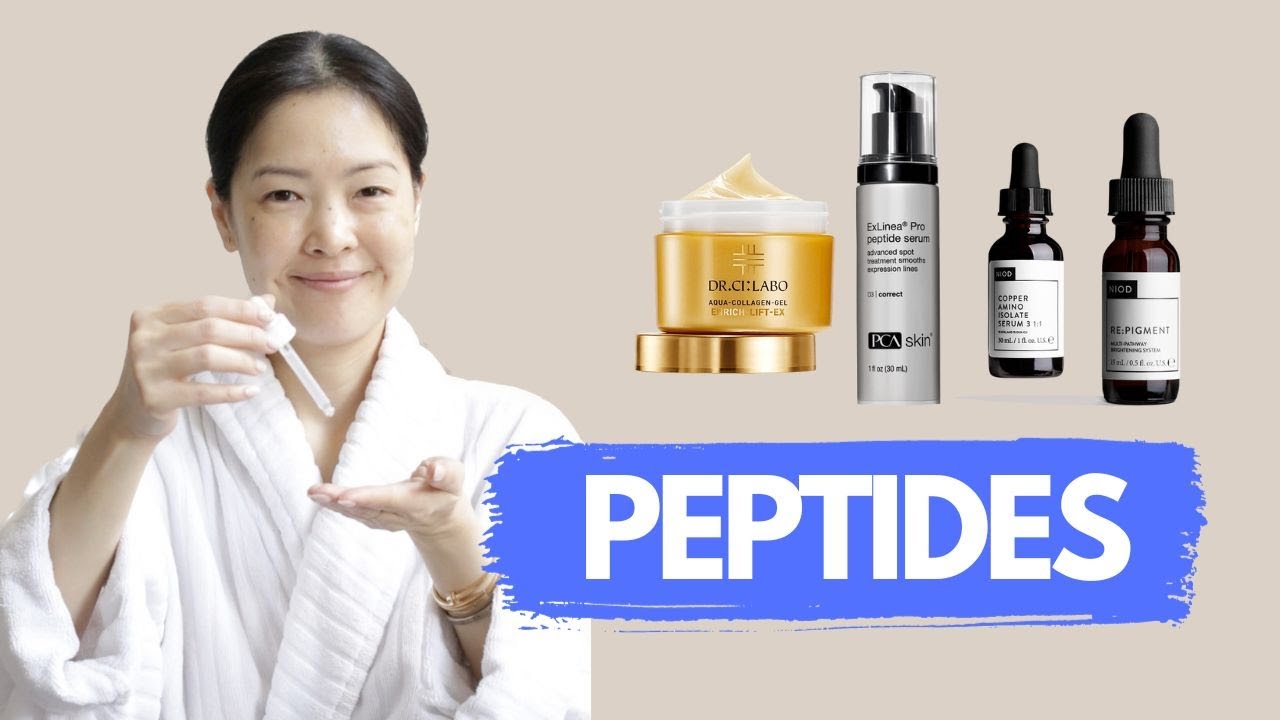
and we were seeing a lot going on in the you know cell reprogramming cellular and Essence and different strategy to Target the fundamental you know mechanisms that are driving aging we realize there was a better way to actually address this problem to Target aging at the source so that point we decided to shift from being like a testing company to actually a a company that would search for new molecules uh more specifically peptides uh we were interested in peptides because it's already commonly used in in cosmetics and for those who don't know peptide is basically
a a a the building blocks of a protein right if you if you think in that way it's like a small sequence of amino acids and for example insulin is a peptide and and peptides can have this effect of entering the cell and and act as a messenger so they can activate certain Pathways uh or suppress others and we were looking for peptides that could selectively you know um switch off andess and cells or decrease the burden of sess and cells so we spent the first uh five years of one skin just doing the research
in order to find this peptide we partnered with you using using the the platform you had created for testing everybody else right yeah exactly first we developed this platform that uh one we can replicate the skin aging the lab so we can replicate a very young skin to a very old skin so we understand exactly what is changing in that process uh and we can measure the age of the skin the second is that we used this cells derived from Progeria donor so Progeria is a rare and genetic disorder that children age really fast and
they accumulate and Essence cells really fast so we use cells derived from those dnos to screen peptides so we tested over 900 peptides but initially we partner with this University in Brazil they were studying antimicrobial peptides and they had a library of 200 peptides we decided to test them against this pereria cells and in that first round of screening we found four hits so basically four ties that perform the better uh and then we use an algorithm that helped us to do uh permutations so changing the sequence of the amino acids in a way that
we could optimize the efficiency and we generated another 700 peptides out of those four and we test again against you know the same Progeria cells uh that's where that's when we found os1 and os1 has this ability of decreasing up to 40% the load of sence cells that's amazing yeah so so how so we talk about peptides and again just to to remind folks you know in amino acid is a basic building block um and your DNA codes for uh uh basically proteins which are made up of a sequence of amino acids and those proteins
can be you know um hundreds or thousands uh uh tens of thousands amino acids long and they're assembled in your ribosomes but the the signaling peptides are rather small right they're short sequence amino acids so what size amino acids how many what size peptides how many amino acids were the range of them that you were testing yeah the range was between 10 and 14 because also to be able to penetrate the skin there is a limit in in the molecular weight uh so os1 is 10 amino acids so it's over a little bit over 1,000
Daltons so and because of the polarity and the conformation of the peptide we can guarantee the penetration of the peptide you know uh throughout the the stratum corneum the Skin Barrier uh but obviously if you get to a bigger peptide it becomes more challenging you needed to use a sophisticated delivery system so luckily os1 it's a size that we can apply toply and we can detect the you know penetration up to the dermal layer that's the layer that contains the fibr blast that produce collagen gives like the firmness and the structure of the skin so
um that's great so 10 amino acids and I am curious I never asked you this question were you able to like patent that amino acid sequence as a as a aging product interesting yeah so we definitely uh we have a a patent on the there is a motive that we believe that it's important for this function and there there are variations around this Motif that we can patent so we have a patent mainly focused on skin and sence uh but we even have been exploring for other applications as well as like metabolic disorders and inflam
inflammation because one of the main ways that the peptide works is like decrease inflammation so when we treat those uh Progeria cells with the peptide we see that there is a overall decrease in the secretion that the sessen cells are producing in terms of the inflammation and that really helps in any you know many other conditions so yeah so let me ask a question so I I use um you know I use the os1 product I said that on my on my skin but you also have os1 body lotion and a uh an eye lotion
and then a uh uh sort of sunc screen and so forth when I'm when I'm using os1 and okay Do my face in the morning and at night for a sleep and then I'm putting the os1 body lotion on my arms and my legs is it my imagination that it's going Beyond just my skin is it giving me an overall ccent uh protection for other organs my body we can't uh actually we have measured already the um the blood of individuals that have been using the product for many many years and we couldn't detect the
peptide in the blood which is good because obviously this could you know have other implications good or bad that uh as a COS itic company as a skincare company we shouldn't um be there but what we see is that by protecting your skin and strengthening your skin indirectly you are decreasing the inflammation of your body because because your skin is your largest organ and as it ages accumulates damage and accumulates sess and cells and as the Skin Barrier weakens there is an increase the in the inflammation that comes from our skin and even low levels
of inflammation coming from our skin can compromise our internal levels of inflammation so that's an interesting one of the interesting studies that we did was actually with the body lotion that we recruited uh elderly people from 60 to 85 years old these are people that already have a very fragile skin and we collect blood at the basine and they use the body lotion and the face for three uh 3 months and then we collect blood again and we saw a decrease in some inflammatory cyto kindes just by treating the skin topically so that's a very
interesting concept that most people are not aware that obviously your skin is impacting our our body internally but in a very important way so a lot of those inflammatory cyto kindes they are related to chronic diseases so if it's elevated in your blood you are more acceptable to to develop um yeah such diseases so that's that's a very interesting point that uh the product helps everybody I want to take a short break from our episode to talk about a company that's very important to me and could actually save your life or the life of someone
that you love company is called Fountain life and it's a company I started years ago with Tony Robbins and a group of very talented Physicians you know most of us don't actually know what's going on inside our body we all optimists until that day when you have a pain in your side you go to the physician or the emergency room and they say listen I'm sorry to tell you this but you have this stage three or four going on and you know it didn't start that morning it probably was a problem that's been going on
for some time but because we never look we don't find out so what we built at Fountain life was the world's most advanced diagnostic Centers we have four across the us today and we're building 20 around the world these centers give you a full body MRI a brain a brain vasculature an AI enabled coronary CT looking for soft plaque dexa scan a Grail blood cancer test a full executive blood workup it's the most advanced workup you'll ever receive 150 gigabyt of data that then go to our AIS and our physicians to find any disease at
the very beginning when it's solvable you're going to find out eventually you might as well find out when you can take action Fountain life also has an entire side of Therapeutics we look around the world for the most advanced theraputics that can add 10 20 healthy years to your life and we provide them to you at our centers so if this is of interest to you please go and check it out go to fountainlife decomp when Tony and I wrote Our New York Times bestseller life force we had 30,000 people reached out to to us
for Fountain life memberships if you go to Fountain life.com back/ Peter will'll put you to the top of the list really it's something that is um for me one of the most important things I offer my entire family the CEOs of my companies my friends it's a chance to really add decades onto our healthy lifespans go to fountainlife decomp it's one of the most important things I can offer to you as one of my listeners all right let's go back to our episode because you've got a platform for measurement I mean you had so first
of all I think you said 40% reduction in ccent cells in in the skin which is which is huge um uh you had to have compared yourself to other uh skin creams out there um how do you Faire against the other I I I just don't I don't know the field all I know is I love the your product and it works for me um but so what are the other leading products how do you compare to those what can you say about that in your testing yeah great question uh so there are a few
things that we learned as we were testing all their products there are some products that uh they claim to be anti-aging but they are full of toxic ingredients that they can actually be causing more damage than good to your skin so some of them when we apply on top of the skin in the lab and we look at the histology like a a a a crosssection of the skin M the cells are completely degenerating the cells are dying there is a lot of inflammation so unfortunately some products are really causing you know more damage to
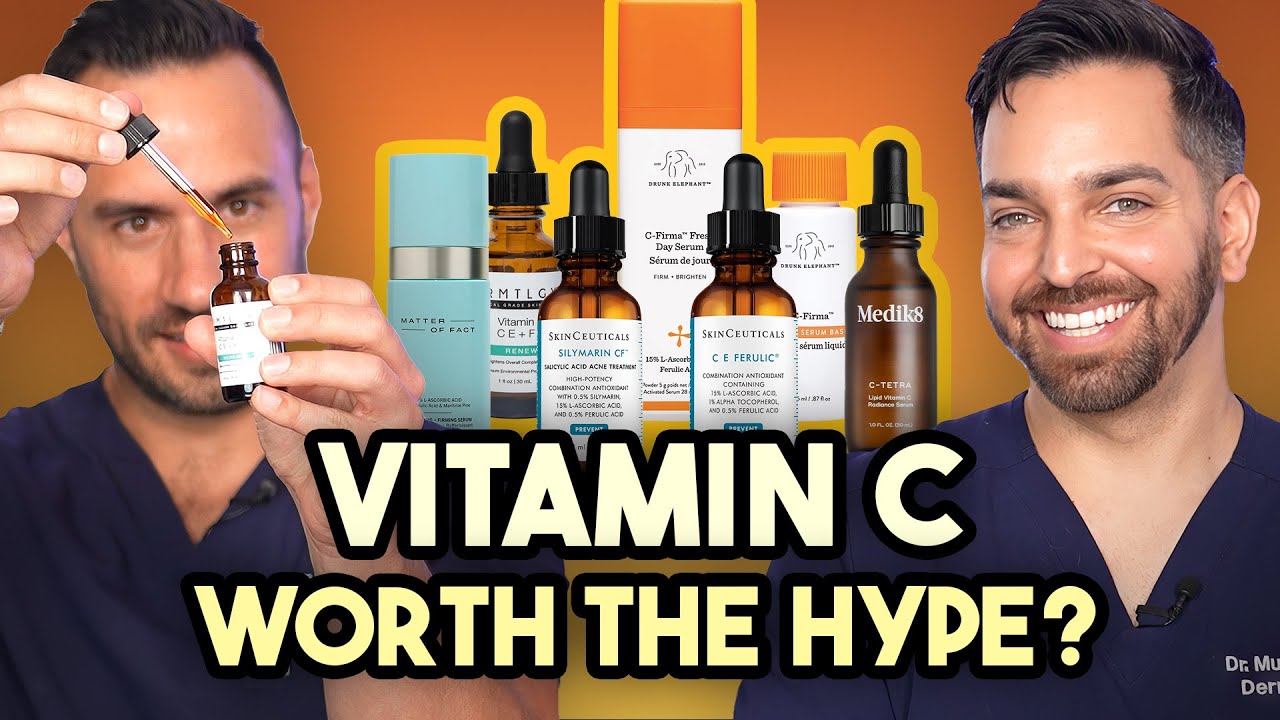
our skin other products uh known to have like vitamin C or other ingredients like glycolic acid they can be good for for your skin so uh some can you know promote like a light exfol fation or vitamin C can fight or can can work as an an antioxidant and fight free radicals but they are not you know addressing sent cells uh this similarly the main product that's used in as an anti-aging is retinoic acid or tretinoin or retinols this is a is known as a very effective ingredient basically induces cell turnover so the uh the
retinoids they bind just several receptors in our skin and causes this cell renewal and for most people you're going to see your skin initially peeling off so you are growing a newer fresher skin um a lot of people can't tolerate a lot of people become more sensitive because at while you're are renewing your skin you're basically exposing your skin because the barrier is completely removed but similar to the other ingredients it's not decreasing the load of sent cells so all of them they can help in some way uh but you would still need a product
like ours that is targeting sessen cells otherwise you're treating the symptoms and uh the driver is still there promoting pumping that inflammation that it's it's accelerating aging is there any product you found that is competitive with what you do or do you feel like you're uh the number one product out there in terms of of of uh Cent cell reduction so far uh as far as I know we are the only ones that are completely focused on on cellular sess since there are other companies claiming that they focus on sence but I haven't seen any
data uh so I think because we've been studying this for like the past 8 years it it's very challenging to get to something as we got today so first you needed to find an ingredient that is effective and it's we have tested like several common I would say longevity molecules so for example metformine or ramine or NM and and some of them work for reducing sesson cells but when it comes to the concentration that you need to deliver to the skin to be uh effective to the uh ability to penetrate the skin and the stability
of those molecules over time different PHS it's very tricky to check all of those boxes but there is raming cream uh out there it need need you need prescription um we tested raming in our skin and what we saw is that if there is a very there is a tight dose that romis works well if you increase a little bit is already causing a little bit of toxicity so one need to be careful uh when you're using a Ramin cream because we know that it can be immunosuppressant uh and it can be toxic depending on
the concentration is there any limit on on one skim cream I use it twice a day is there any value in using it three times a day um or does it still work if it's once a day help me understand that yeah um there is for for the face product we we optimize the do like for twice a day we haven't test like three times or or more a day because it it's almost like um not people wouldn't be able to to do that uh interesting we have tried to increase the concentration of the peptide
for the face cream right and it didn't necessarily lead to a better result uh for the eye cream which is a different formulation and one very interesting data that we have around the skin uh on the eyes is that if you measure the biological age just under or above your eyes is 20 to 30 years older than they skin around your temple or forehead wow so because the skin is much thinner it you know it's moving all the time accumulate more cess and cells it's more delicate it's a different I would say uh skin composition
that requires a different product so for that product we used eyelid skins that we got in partnership with like s uh surgeons that we were doing like blop plastic surgeries and we developed that specific formula to increase the collagen and decrease the S Essence load around the eye so for that product we increased the the the concentration of os1 peptide and we saw an improve improve in the results in collagen production and uh reduction in p16 that's one of the main markers of cellus and Essence uh so some people what they do instead of using
the face cream they use the eye in their in their whole face uh or their neck whatever is there they're more most concerned about um I think uh if if you have a healthy skin the the face should be good for you obviously for areas that you need a little bit more uh and how does the body cream uh differ from the face cream yeah the body cream also has different ingredients so they are ingredients that are more hydrating that you couldn't necessarily use on your face because it could potentially clog some pores uh so
we have this ingredient like a a h derived from mushrooms that can hold uh water 400 times more than hyaluronic acid which is like known as one of the main that can hydrate the skin uh there is suhane that's also known as a longevity molecule is it's present in broccoli but it has a lot of antioxidants some people even use for like treating cancer and it has a lower concentration of the peptide again because your body is not as exposed as your face yeah uh we we optimize for for the skin of their body and
one of the interesting things that we have seen with the body as well is that a lot of people they have you know they get this fragile skin and if people have conditions like diabetes they can have some wounds that won't heal uh and by using the body lotion we even got recently a reveal that people were able to close that wound not applying on the open wound we never suggest that but if you apply around you are basically decreasing that inflammation and their skin is recovering that ability to to heal so it's uh we
have seen a lot of people reporting that kind of benefit which for us is it's really exciting to see Carolina are you continuing your underlying R&D to find other molecules that perform even better do you have a you know sort of and and are you using AI in that search to look for that give me an understanding of where one skin as a company is going yeah absolutely absolutely we continue to test the new molecules right now we believe that peptides are the main um molecule that we can deliver to consumers in the near term
there are other Technologies as you know uh cell reprogramming which still has a lot of challenge in terms of translation to Consumers so we continue to focus on P and when you talk about cell cular reprogramming you're talking about kind of the work that David Sinclair has done on epigenetic reprogramming on reversing uh the epigenome of those cells to a younger a younger stage yeah some people yeah some people can do with crisper as well uh you can use with like viral vectors mrnas there are few you know companies working on that the translation to
Consumers mainly as a you know a skincare products is still challenging so we are mainly focused on peptides and other molecules that can be delivered in the skin but always looking how we can optimize again the the reduction of sessen cells how we can reduce more the biological age of the skin because with os1 peptide we we showed that we could decrease the biological age in 2.5 years in the lab this was over a course of 5 days obviously a a very controlled experimental condition uh we have been testing now in humans uh the the
the biological age after using the products for 12 years uh and we have found that we uh we could reduce 3.3 years after using the product for 12 months we are repeating the study with a larger cohort so we hope to see um even like a higher decrease in the biological age but uh right now that's what we have but we want to you know obviously develop the Next Generation our product product that uh one of the things that we are also looking to is encapsulating the peptide so we can penetrate and can be delivered
in a more sustainable way uh so there are several technologies that we are using and we do collaborate with some companies that use AI to generate this molecules so we do these Partnerships and we use our platform for testing and validating love that so let's talk about Beyond os1 um so for example in the mornings I I typically do 20 to 30 minutes of red light therapy uh what do you think of red light therapy for and and the reasons for red light therapy in theory are reduced inflammation increased skin Health increased mitochondrial something or
other and I don't know the numbers there but so do you use red light therapy do you recommend it uh what do you think of it yeah no I think I think I think is a great Tool uh there are many studies showing that R light therapy will uh reduce free radical will basically increase the ability of the cells to fight those free radical so it does improve mitochondrial function um improve the the overall cellular function so it in in the end reduces inflammation so this is good for your face this is good for your
overall body so that's that's something that I think it's a great uh pairing with our products um other things that I think you know there are obviously some laser treatments that you can do in office there is exosomes there is PRP I think when it comes with lasers uh I'm I'm usually uh a proponent of the lasers that don't disrupt too much like the the epidermal uh layer because you still want to maintain your skin protected but you can stimulate the deeper layers of your skin that sometimes is harder to do with you know topco
products so there are some layers that will cause a small injuries on the thms and then we activate uh the fibr blast to basically produce more collagen uh and obviously you know exosomes and prps there are a lot of products out there with exosomes I'm a little hesitant about them I was that's where I was going to go next I there all these skin creams with exosome in them um and for those who don't know an exosome is sort of a little uh contained um piece of cellular membrane that includes growth factors and signaling molecules
and they're typically pumped out by stem cells um and so a lot of claims on exosomes I I've tried some uh skin creams there I I keep coming back to one skin U but uh is there a promise in exosomes are you researching that what do you think about it yeah we we we did a little bit of research and and as you said the exosomes are vesicles that any cell can secrete so obviously if you get exosome from an old cell you're going to get a lot of bad signals if you get exosomes from
stem cells uh you can have a lot of those growth growth factors and and S signaling molecules uh the main challenge are a few ones so one is to is reproducibility you can it's really hard that to have the same content every time um because obviously the cells they vary even if you try to keep them at the same condition they will not secrete the same thing every day the second one is inst stability so usually you needed to keep them Frozen because if you keep them at room temperature they will start to degrade um
mainly you know peptid small peptides uh so that's one of the main Challenge and some companies try to keep it like refrigerated but again measuring that stability over time I I I would say that's challenging the third point is again the penetration if that those molecules are actually penetrating so if we're going to use exosomes ideally you are going to use from uh um Frozen um vial we're going to it and then you are going to use directly on your skin ideally doing some micro needling because you needed to facilitate a little bit the penetration
just applying topically um is is challenge to deliver all of those growth factors growth factors are usually you know bigger molecules bigger proteins and they tend to be a little harder to penetrate did you see the movie Oppenheimer if you did did you know that besides building the at omic bomb at Los Alamos National Labs that they spent billions on biod defense weapons the ability to accurately detect viruses and microbes by reading their RNA well a company called viome exclusively licensed the technology from Los alos labs to build a platform that can measure your microbiome
and the RNA in your blood now viome has a product that I've personally used for years called full body intelligence which collects a few drops of your blood spit and stool and can tell you so much about your health they've tested over 700,000 individuals and used their AI models to deliver members critical Health guidance like what foods you should eat what foods you shouldn't eat as well as your supplements and probiotics your biological age and other deep Health insights and the results of the recommendations are nothing short of Stellar you know as reported in the
American Journal of Life Style medicine after just 6 months of following biomes recommendations members reported the following a 36% reduction in depression a 40% reduction in anxiety a 30% reduction in diabetes and a 48% reduction in IBS listen I've been using viome for 3 years I know that my oral and gut health is one of my highest priorities best of all viome is Affordable which is part of my mission to democratize health if you want to join me on this journey go to vom.com Peter I've asked navine Jane a friend of mine who's the founder
and CEO viome to give my listeners a special discount you'll find it at vom.com Peter I want to talk about collagen a second um because I I heard this uh from I think it was Bob hurry and I want to just double check this so we have 28 collagen genes in the human genome um and some of those are type one collagen you know that's in skin in tendons and so forth and type two which is cartilage and type three again in in skin and blood blood and type four in and other membranes um but
one of the things I uh came to understanding is that one of the things that causes aging is as we grow older we begin to silence some of the collagen genes and so our skin is not producing uh the rich uh all of the collagen genes that makes a you know a quote unquote babies behind you know I shouldn't even use that so soft right so and as we get old and wrinkly it's because we're not producing the proper amount of collagen um molecules is that do you is that true do you understand that Cas
as well yeah yeah there there are there is data showing that after the age of 25 30 years we lose every year an about 1 to 1.5 percentage uh our ability to replenish the collagen because collagen usually needs to be kind of recycled right you break down and you're constantly building new collagen and with this aging process we lose that ability and it's primarily uh uh due to you know an increase of inflammation and epigenetic chains as you said that they will silence some uh specific collagen genes do you supplement with collagen at all do
you take collagen tablets or pills I mean should we be doing that as well yeah there are some studies showing that it can help uh it's not very conclusive yet so it's still a little bit controversial because when you supplement with collagen depending on the state of your body your body will uh recruit that collagen to whatever it needs most if it needs more to your tendon to your carage is going to go there but if you are IID say if you're very you know know good health it could be well distributed and it could
go to your skin so there is no harm of supplementing with collagen and there's you know studies showing that's an anti-inflammatory as well and um it can help so because you already supplying the building blocks of you know the the peptides that you need to build more collagen that can facilitate that can speed up your own production of collagen but again it's not super conclusive it's not bad so there is no harm of adding collagen to your diet yeah so I live in LA um in Santa Monica I'm looking out the window it's a a
bright blue sky I you know I rarely um am outside laying in the sun me a few times I may go and and lie in the Sun for 15 20 minutes if I'm just want to think about something and it's a beautiful day and I warm my skin and so forth and so on um but I'm just typically walking around um you know and I'm out outside I don't know maybe a total of an hour in the day typically getting to my car walking to get a couple coffee or something like that maybe it's half
an hour should I be thinking about um a sunscreen all the time every day even if I'm not you know sunbathing so there is a lot of discussion about that uh I'm I'm the you know the type of person that would wear Sun uh Sun screen every day I work by the window so I know that I'm going to get a lot of sunlight uh os1 is already protecting but if you can add an additional layer that again it's safe it's not going to cause any um damage to your skin I would add that if
you are going outside and any case that you are going to get sunburn that's like when you must wear sunscreen yeah so sunburn is obviously the main thing that we should avoid it can uh you know increase the chances of skin cancer that's when you're really causing redness inflammation so it's really clearly that's bad for you um I I like you know to protect as much as possible so I I will use at least like a face uh SPF uh in in our case we we select the mineral one the zinc oxide because it tends
to be safer to any skin type some of the chemicals they can have some endocrine disruptor so there's a little bit of you know discussion there uh but obviously if you're out there if you only have one option and if you're going to get some burn I would use a chemical sunscreen as well but um I would say on a b daily basis it's a good habit to add sunscreen and a lot of people you you know think about the vitamin D production and how this could impact um if you are staying the in the
Sun for a long period the the sunscreen should not you know completely eliminate your ability to produce vitamin D so you still can get your vitamin D production wearing sunscreen assuming that you have some skin exposure OB obviously some people cover themselves so much that in that case it's a little more challenge but you can still get from your diet or supplements and so on uh so I'm a sunscreen proponent on the more on the mineral side uh at least yeah uh when I know that uh I'll be directly exposed even like by the window
driving we get a lot on our hands if you drive a lot that's one area that we forget and usually later on we're going to see that really causes the damage that's an interesting point right I mean uh I feel my face is pretty good but as adding a little sunscreen to my hands uh for sure that makes that makes sense so listen you are a CEO of a very Tech forward skin care company you're a PhD in this entire area you have focused your life's attention on it so I'm sure everyone wants to know
what is your skin care protocol so talk us through in some detail what Caroline does for skin care uh from the time you wake up till the time you go to sleep yeah luckily it's very simple so uh in the morning because my skin is already clean from the day from the night before I just rinse my face um I I usually go to the gym still like you know early on and when I come back I shower and then I apply the uh face uh moisturizer apply the body lotion after a shower apply the
eye cream and the honestly I mostly apply the eye cream and night but and then I apply the sunscreen so morning is usually Face Body and the eye cream and the sunscreen uh and then at night I will wash my face with the cleanser because that's when you need to remove all the impurities all the you know pollution dirt really really important to and you formulated a cleanser specifically for the product or is any cleanser yeah so this cleanser is formulated to first like uh deeply cleanse your skin uh help the peptide to penetrate better
so we have data showing that using the cleanser you more than double the penetration of the peptide uh also doesn't disrupt your skin microbiome doesn't dry out your skin so it's a very gentle cleanser uh some people like to d double cleanse like cleans to eyes I I don't do that um and then at night I apply again the face moisturizer and the eye cream so pretty simple um takes me less than five minutes but I think other things that you know helped me to improve my skin was a lot of like really being more
mindful of the other products that I was using mainly like makeup a lot of times makeup has a lot of like bad ingredients toxic ingredients so I did reduce a lot of the foundation and then right right now I really look for clean products or products that don't have toxic ingredients cuz you can try to nurture your skin and if you apply you know other things on top that are not good in the end you we're going to cause some issues there uh other than skin care which is kind of very simple uh I I
obviously you know try to get good sleep drink a a lot of water um and how important is hydration to good skin it's is very important obviously a lot of the plumpness of the skin the Supple comes from the hydration and the hydration one is like the hyaluronic acid or the other uh extra salar Matrix that hold water inside but also Your Skin Barrier how intact how strong is your skin Bearer to not allow the water loss so in our clinical studies one of the main things that we measure is the Skin Barrier the ability
of to retain moisture or to prevent water loss and we always see improvement with any product that we develop in the Skin Barrier um so both you know intake of water but also delivering some ingredients that will help your skin to produce more hyaluronic acid and retain water so important and you notice that if you sleep bad or if you drink alcohol your skin will be completely like affected by that yep yep um Carolina listen I I again uh love the product um use it twice a day uh and independent of knowing you and being
an advisory company I just you know I I share it with everybody I see and uh am thrilled and excited to see where you go next I mean I do I do believe that um old style skin creams and uh beauty industry is about to get disrupted with the you know new technologies coming out uh and uh excited to follow your journey thank you for what you do uh where do people follow you where do they learn more about the product thank you Peter um yeah no always super excited to share you know our progress
with you and uh I think you have seen how much you have grown in the past I mean it's amazing it's amazing where you're grow I run into people all the time saying you know have you heard of this product one skin yes I've heard about this product I love it yeah that's amazing yeah so I would recommend people to uh go to on skin. co sign up for new yes we share a lot of content of the data that we generate in the lab the clinical studies other longevity tips you know obviously skin health
is part of your overall health so we are very uh excited about sharing that information with our consumers also on in Instagram onkin do on skin.co and I also I I'm on LinkedIn uh kolina Ray Ola I think you guys can add there but yeah always a pleasure you know sharing with you your community is amazing everywhere that I go and I meet oh I heard about you guys from Peter diamandes is always so good to to see and uh and in the conference at the 836 I had so many testimon like I've been using
your product for four years and people are so excited so I really really appreciate it's a pleasure it's it's a it's a joy to to talk about and promote products that are scientifically sound and work and add value to people's lives and that's definitely what onekin is karolina proud of you as a as a friend and a CEO thank you for all that you do thank you so much Peter [Music]