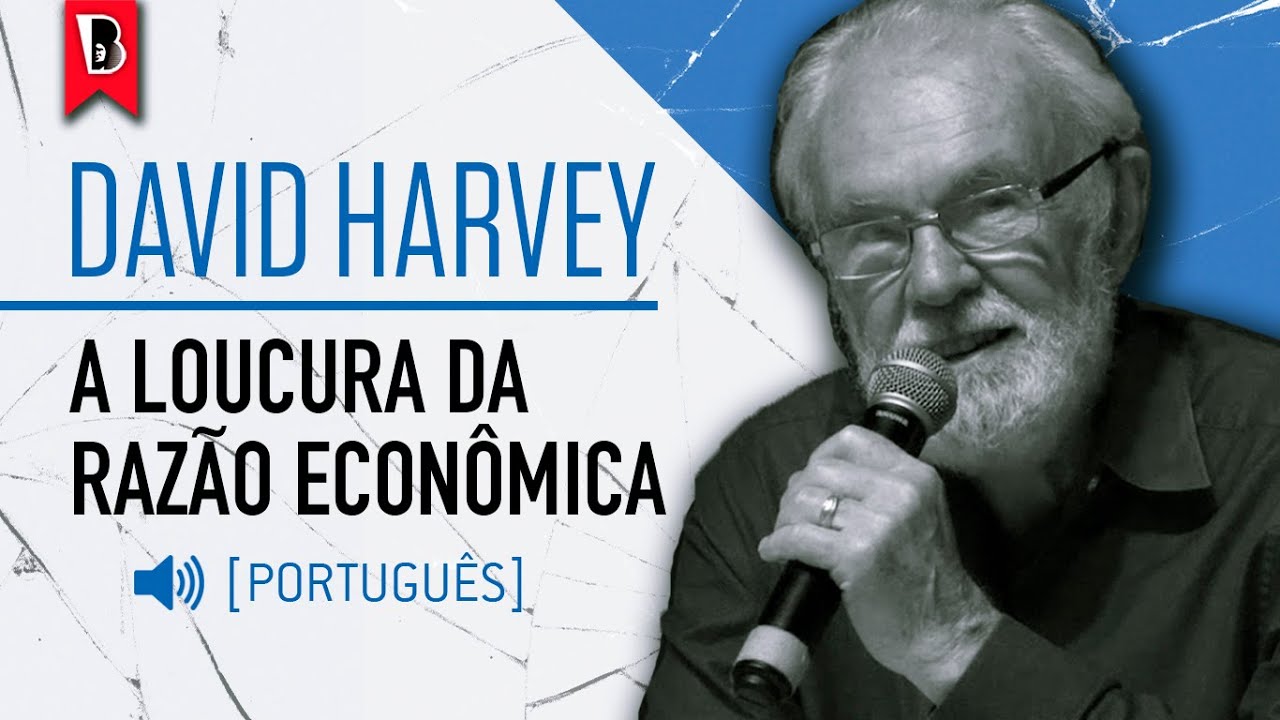
when faced with the crisis the economist always say this wouldn't happen if everything occurred according to my textbook whereas Marx is saying according to my textbook crises will occur neoclassical classical economics I think they can describe certain things quite well but theoretically they always come back to the idea that there is an equilibrium and that markets converge on that equilibrium and the equilibrium gets disturbed by outside factors and yes you can have crises but the crises always come from outside the market itself is not infused with the crisis tendency it is infused with this this
progressive convergence on on an equilibrium and yes the dynamic versions of this theory but that's the basic framework of which much of neoclassical and classical economics sur worked what Marx's R is about is exactly the opposite he's kind of saying there's no equilibrium in fact the whole system is about rest on a contradiction so that there's a divergence and that therefore crises are internal to the system they're not external they're internal and capital will always generate crises and these crises then are foundational for how capital renews itself and that therefore the renewal of capitalism requires
crises in order to be able to construct something construct something new so I think that you know if you look at all the data which is assembled by conventional economics some of it is interesting and worthwhile looking at and I think the theory of the firm which comes out of conventional economics is not is okay in some respects but if you want to understand you know where crises come from you can do the economists did as Marx jokingly said when faced with the crisis the economist always say this wouldn't happen if everything occurred according to
my textbook whereas Marx is saying according to my textbook the crises will occur but I think the idea of this book was to reread Marx if you like from the perspective of the totality to do that you had to I had to sort of think about how did Marx construct the totality of circulation and accumulation and what the limits were of that totality what the presumptions were and assumptions were but then what the findings were of that totality and I wanted to see what the relationship was between the materials and perspectives of Volume one of
capital and volume two of capital and volume three of capital and make very clear that these are different perspectives on the same totality and the analogy I use here is imagine three windows looking on a square each one has a perspective and an objective truths if you like but what I was interested in was what's the totality of the square and you can actually get a better idea of the totality by looking from these three different perspectives of valorisation or production of realization and of distribution so and I saw the three volumes of capital that
way so the idea was to do that but then then to use that perspective to try to interrogate some other issues such as the production of different value regimes the the way in which value actually rests on anti value it's constantly encountering devaluation so while we're talking about valuation and revaluation we're also encountering all of the time devaluation so I want to look at these these relations and and at the end then kind of say this helps us understand some of the perspectives which exist on what's happening in contemporary capitalism [Music]












![[NEW SERIES] Automation, Revolution and Post-Capitalism | DAVID HARVEY](https://img.youtube.com/vi/YQ8IGoFnd_Q/maxresdefault.jpg)