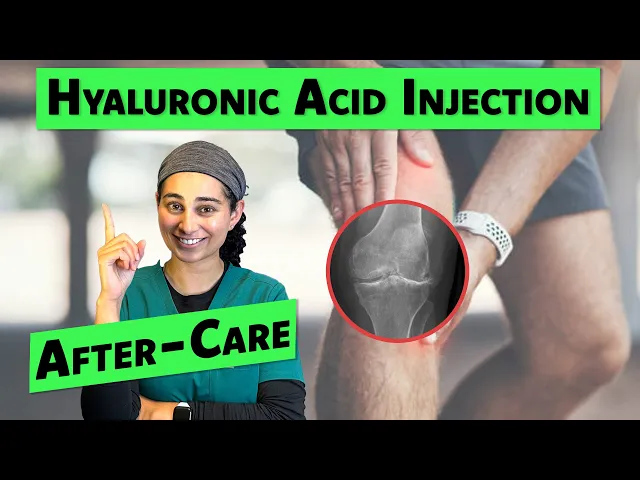
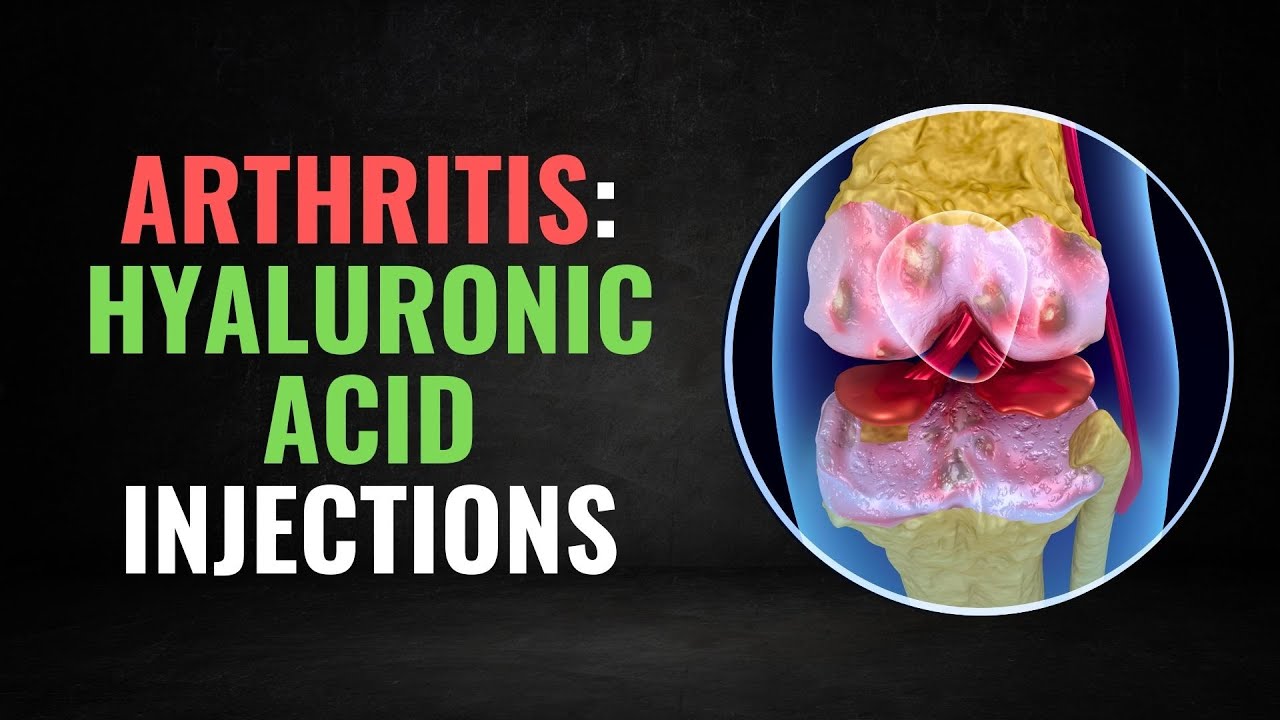
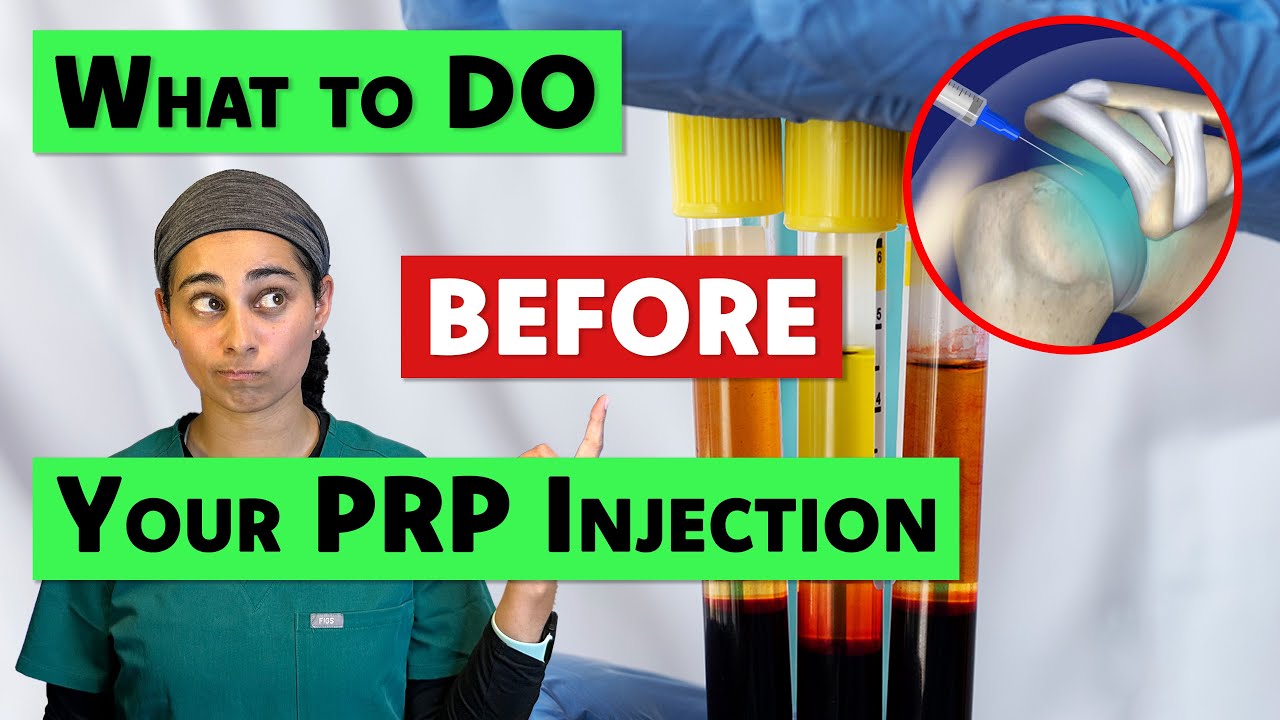
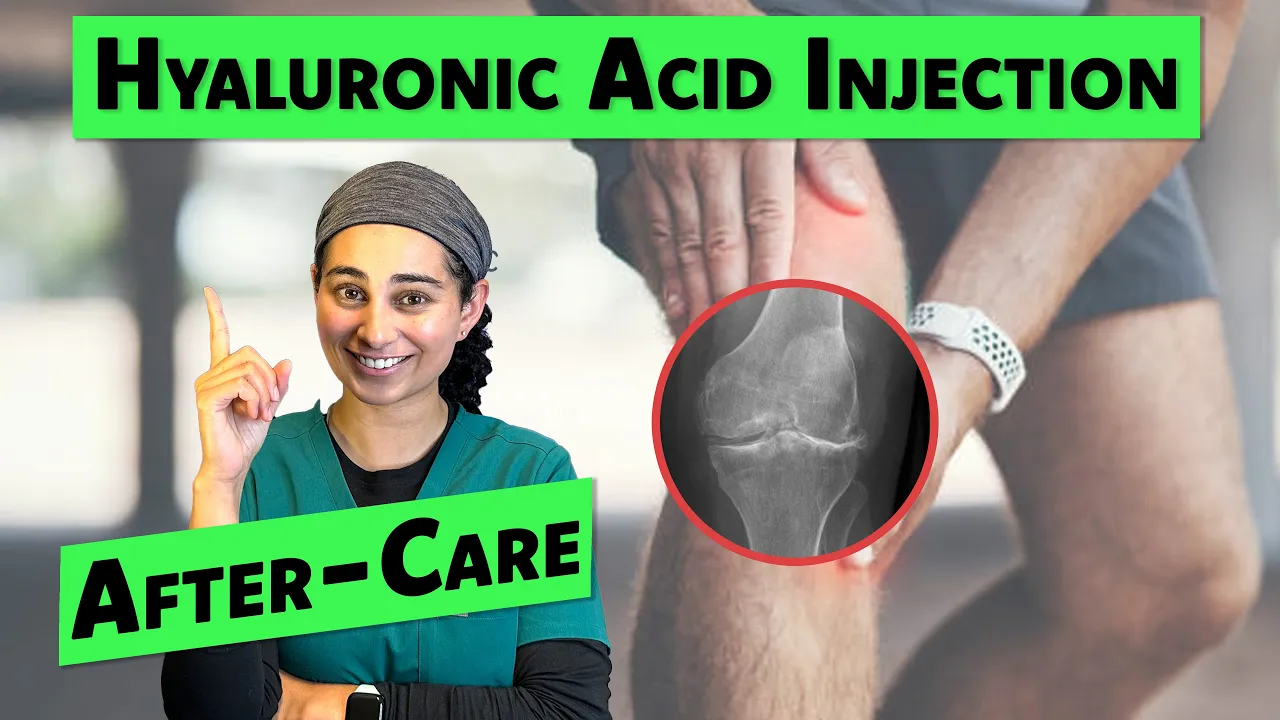
so you received a hyaluronic acid and visco supplementation injection to your joint you may be asking what do I do next in this video I'm going to cover my step-by-step Aftercare instructions after getting one of these lubrication injections for those who don't know me my name is Dr Sonam and I work as an Interventional sport medicine doctor up in Canada today we're going to go over some of my Aftercare instructions I provide patients with after I provide them with a visco supplementation injection viscose supplementation or hyaluronic acid injections are a gel-like injection that I inject
into joints primarily for the treatment of osteoarthritis patellofemoral syndrome degenerative meniscal tears and a few more indications the reason why myself and patients tend to like it is it is injecting a synthetic form of a natural occurring substance hyaluronic acid back into the joint so it acts both as a lubrication and providing additional nutrition to the Joint itself one of the other reasons why people tend to like it it is not associated with any of the negative side effects of cortisone such as thinning out the cartilage I'll be sure to cover this in more detail
in a later video because hyaluronic acid injections are so safe to the cartilage I can use them in my young active healthy patients for example the 20 and 30 year old with a degenerative meniscus tear or the 20 and 30 year old with patellofemoral syndrome it is relatively so safe to the cartilage that usually this is kind of my first line treatment for a young active individual now the most important reason why you're here what do you do after you get in the injection let me break down step by step some of my recommendations number
one rest so usually I recommend that people rest approximately 48 hours after the injection now this is actually more important than something like Cortisone and the reason why is I've put a good amount of fluid into the knee so it's not uncommon to feel stiff sore and achy but I want you to not do too much for the first one to two days after the injection to allow the gel to lubricate The Joint sit there and start to act I have found that patients who do too much one to two days after the injection will
call me up the next week and tell me their knee is quite swollen painful and upset and usually when I ask them why it's because they didn't do that initial one to two days of relative rest now by rest I mean active walking around the house is fine five to ten minutes walking up and down the street I don't want you to be a couch potato but I don't want you to do too much either number two soreness it is not uncommon to feel sore for approximately two to four days post injection hyaluronic acid is
a very thick viscous fluid so it's not it's normal to feel stiff and a little bit tight once you've had the injection done I normally eject with a bit of freezing so most of my patients walk out of the procedure room Clinic feeling quite well it's usually two to four hours afterwards where the freezing wears off and then you start to experience the soreness it shouldn't be too bad and should Abate itself within a period of two to four days number three ice and heat so I recommend using ice kind of on and off the
first one to four days after the injection to really help with kind of swelling and pain I would avoid using heat for the first one week because it can actually irritate the symptoms and make pain and swelling slightly worse number four pools and bats this is really important especially in the summer and spring months but I recommend that anyone who's had an injection avoids any form of standing water so Lakes pools Rivers bathtubs for a period of 24 to 48 hours until the hole that I made in the skin closes up this helps reduce any
risk of infection now specifically for saunas and hot tubs I ask people to avoid anything with extreme heat for the first one week after the injection only because it can make swelling and irritation to the area a little bit worse number five signs of infection so this is one of the most important things I will counsel my patients on after I've given them an injection signs and symptoms of an infection usually present themselves as fever increased swelling increase pain and a lot of redness around the joint injected now usually infections take about seven to five
to seven days to present themselves because a bacteria needs time to grow so I provide patients with this timeline as well so they can kind of get an idea of when they're expecting these symptoms to occur if they do now infections are extremely rare but I always counsel people on the risks of them because if they happen I want them to get in contact with their provider now specifically with hyaluronic acid you can actually get cases where the hyaluronic acid can cause an inflammation to the actual lining of the joint which is called a synovitis
it presents itself with increased pain redness and soreness to the area and usually this can happen a few days after the injection sometimes it can happen depending on the type of product that you use if it's a very high molecular weight it's a very thick molecules or if we got the actual product into the area around the joint and not purely in the joint so if you have any of these symptoms please get in touch with your provider because we do want to rule out a risk of infection but it can very well also be
a post-injection synovitis that does settle down with the period of anti-inflammatories over the course of one to two weeks number six when will it start working so one of the most important things I counsel patients on is the onset of action for a hyaluronic acid injection unlike cortisone you are not going to see an immediate benefit in your pain usually the injection starts working over a period of four to six weeks and I'm careful to counsel people on this because if you're going for going on a vacation for example and the vacation is in one
week and hyaluronic acid injection may not be your best bet in some cases they'll actually combine them and there are some products that combine a Cortisone and a hyaluronic acid mainly so that you can get that immediate pain relief and then that hyaluronic acid can come on a little bit later now the benefit of the hyaluronic acid is it can last a little bit longer and I'll talk to you about that in our next Point number seven how long will it last so with the hyaluronic acid injection we're hoping for it to last for at
least a period of six months I have had it last up to 12 months in many of my patients and usually we use them as yearly injections now because hyaluronic acid is super safe to the cartilage I'm not worried about a minimum or a maximum number inject of injections I can do and usually it is safe to perform these every year to manage the joint issue that we are dealing with for example osteoarthritis number eight physiotherapy post-injection so the short answer is yes the long answer is when so it's important to start physiotherapy approximately one
week after the injection it gives it some time in the gel to settle into the joint lubricate it the soreness to come down and then for you to be able to actually perform in Physiotherapy and a lot of joint issues you can experience something called arthrogenic inhibition basically it means that pain and Joint does not mean means that muscles around the joint don't activate so the goal with a lot of these injections is to bring down the pain in the joint so you can actually strengthen the area around it and then the muscles are no
longer inactivated by that pain hyaluronic acid is becoming an increasingly used treatment option for the treatment of joint disorders in the sport medicine field the reason why is it is healthy to the cartilage we can use it in young people and it tends to work for a longer period of time now it is important to follow the post-care instructions by your provider because it changes on a case-by-case basis I have mainly provided you with an outline of things to consider after your injection if you like this video please be sure to like And subscribe to
my channel I'm also going to link some other post Gear videos up above I'm going to leave some information in the description about hyaluronic acid and other treatment options that you can consider for joint and tendon disorders for now that's all