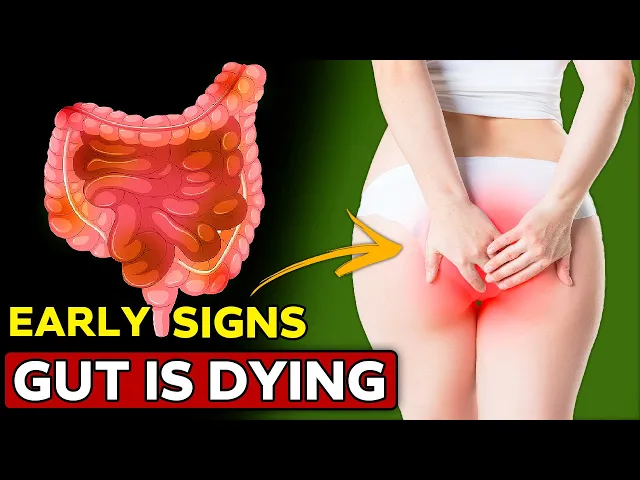
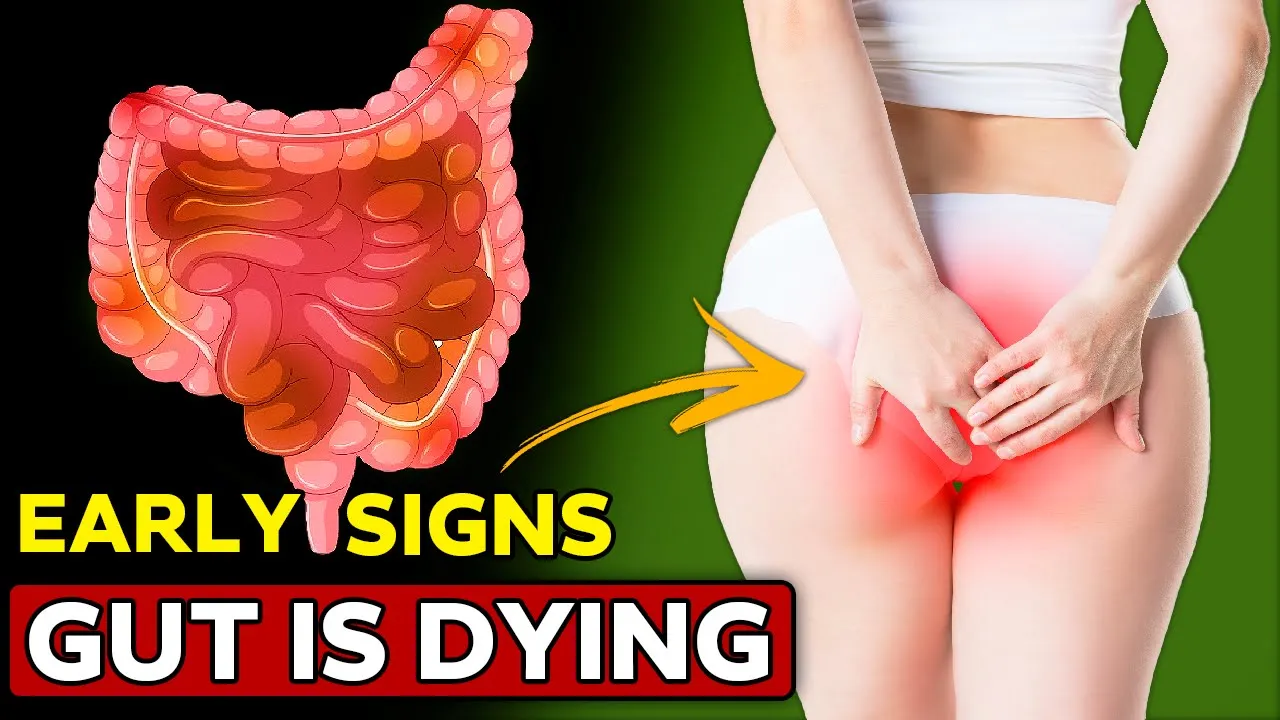
In this video we’ll be going over ten weird signs that show you have gut damage, going from the most obvious signs to the ones you may not have noticed. Our gut plays a vital role in our everyday lives. It’s responsible for some of the most basic metabolic functions of our body, some of which we don’t even realize!
That’s why it’s important to take care of our gut, and prevention is always better than the cure. Stick around until the end so we can tell you all about how to take better care of your gut. Disclaimer: this video is for educational purposes only so do speak to your doctor if you have any medical conditions The first symptom is food intolerance.
While food allergies usually cause some of the same symptoms as food intolerance, they are further apart than you think. Food intolerance occurs when your digestive system has a hard time breaking down specific types of food, leading to indigestion and could also be considered as the starting point of most of the signs on this list. Growing intolerance for food that you haven't had trouble digesting before could already be one of the earlier signs of gut damage, leading to the next item on this list.
The second sign is the bloating feeling. Bloating is the uncomfortable feeling of fullness you get in your gut every now and then. This feeling commonly comes after overeating, but that doesn’t make it any less normal.
This bloated feeling can be a sign that your gut isn’t working the way it should be and can be seen as a sign of gastrointestinal infections or even celiac disease. Our gut naturally creates gasses as it digests the food that we intake, causing our guts to swell after eating certain foods. Foods such as beans, lentils, broccoli, and other carbonated drinks are some of the usual suspects when it comes to bloating, but there are other special cases.
Lactose Intolerant individuals for example are highly susceptible to bloating when they eat dairy products. All in all bloating is a sign that your gut isn’t digesting your food properly and could be one of the earliest and easiest signs to spot. Sign number 3 is constipation or Diarrhea which is characterized by loose and watery stools that occur more frequently than usual.
This sign can be caused by a multitude of problems, all of which point towards having an unhealthy gut. Some individuals experience diarrhea due to allergies while others are caused by eating virus-contaminated food, When Diarrhea or Constipation happens, it’s a sign that your gut has an infection that actively hinders its ability to properly process the food that you eat. Although the infection itself is a massive problem that should be dealt with immediately, the fact that your gut is vulnerable to infections is a sign that your gut isn’t in the best shape.
Sign number 4 is fatigue and low energy. If you’ve been feeling down and out for the past few days, it may not just be because of stress, it could be a sign that your gut is in dire need of help. Fighting off infections in your gut can take a lot of energy away from your body, causing you to feel exhausted faster.
But aside from our body’s energy exertion, there is also a scientific explanation for this. When our gut shows signs of inflammation, a pro-inflammatory molecule known as Cytokine starts circulating in our blood stream. These cytokines spread inflammation from your gut to different parts of your body causing mild and almost unnoticeable inflammation.
The more inflamed parts your body has to keep in check, the more energy is exerted. But when you actually get to resting, that’s when you might spot the next big sign of gut problems. Symptom number 5 is having trouble sleeping.
In an ironic twist, bad gut health can not only cause high levels of fatigue, it can also hinder your sleeping schedule! That’s because our gut is home to one of the most important chemical messengers in our body: Serotonin. Our guts are home to a massive bacterial biome that has its own ecological balance, and any change in our diet or any gut problem will tilt this balance, halting the production of Serotonin.
Serotonin plays an important role in the sleep-wake cycle, controlling at what points of the day our body decides to sleep or wake up. This is what’s known as our circadian rhythm. Adequate serotonin levels during the day contribute to the production of melatonin, helping to promote a regular sleep pattern.
But our sleep isn’t the only thing that serotonin affects. Sign number 6 is mood disorders. Of course having an unhealthy gut feels bad and that’s surely going to affect your mood, but the effects of our gut on our mood goes deeper than that.
Our guts are home to a lot of healthy bacteria that help maintain our bodies, one of which is a chemical called Serotonin. In fact, a majority of serotonin in the body is found in the gut. Serotonin not only affects our body’s circadian rhythm, it also controls our mood.
Imbalances in serotonin levels have been linked to mood disorders such as depression, anxiety, and heightened stress levels. Not only that, but the spreading inflammation brought on by Cytokine can also spread to our brain, thus causing a disturbance in our hypothalamic-pituitary-adrenal axis. Next up is acne.
While this may sound like a long shot, your acne might actually be a sign that your gut isn’t working the way it should be. Our gut doesn’t only just process our food for nutrients, it also takes the time to sift out all of the harmful toxins that can be found in our everyday food. Once our gut becomes weaker and digestion becomes less effective, our gut begins to leak out the buildup of toxins in our body similar to the way it does with Cytokine.
These toxins then spread around our body and cause inflammation, including acne breakouts! Which is why most skincare companies encourage a holistic approach, because what you eat does matter. Another sign of gut damage is feeling creaky joints.
This can most often be a sign of aging or joint health, but little do people know that joint pain can also be a sign of bad gut health. Just as with acne and stress, our joints are just as susceptible to pro-inflammatory toxins such as Cytokine that leak out from our thinned intestinal walls. This process is called intestinal permeability and is caused by a buildup of toxins in our gut.
These Cytokines leak out of thinned intestinal walls and spread throughout our body, causing small bouts of joint pain that may seem normal at first but are more likely pointing to a larger problem. Number 9 is sugar cravings. If you’ve been craving sugary treats recently, this may be a sign that you have a gut problem.
As stated before, our gut has a perfect microbiome that balances good bacteria and bad bacteria. Any sign that that balance may be thrown out spells danger to our guts. As soon as the amount of bad bacteria in our body outweighs good bacteria, our gut starts asking for more sugar.
That’s because the bad bacteria in our body needs sugar to grow and multiply, basically hijacking our cravings so that it can spread further. Though some studies have also attributed these sugar cravings to simply just a lack of good bacteria, both reasons are still a cause for concern. Sign number 10 is weight change.
If you’ve experienced any weight change recently without putting any real effort towards weight loss, then that might be a sign that your gut is already in danger. The gut plays a crucial role in breaking down food, absorbing nutrients, and maintaining the balance of beneficial microorganisms. Infection or inflammation of your gut can hinder your body and intestines from absorbing all the nutrients naturally.
Poor gut health also hinders our guts from producing the important bile needed to properly digest the food that we eat, leading to deficiencies in essential vitamins and minerals. This is one of the most subtle indications of gut damage, but it is also one of the most dangerous and urgent signs. So now that you’ve caught the signs of gut damage, let's go through the most important steps to reverse the damage The first and easiest home remedy you could do is just a simple change in diet.
Consuming a variety of fruits, vegetables, whole grains, legumes, nuts, and seeds can give your gut the necessary nutrients and minerals needed to reinforce our guts. The inclusion of probiotic-rich foods such as yogurt, kefir, sauerkraut, kimchi, miso, and kombucha into our diets can also be a huge help as they promote the growth of good bacteria in our bodies. Seeing as omission never goes well, limiting highly processed foods can also do wonders for your gut’s health.
Foods such as canned goods, instant noodles, and even fast food are some of the foods that you should avoid. It’s also just as important to stay hydrated throughout the day to improve our overall health. But most importantly, whether it be for curing gut damage or spotting signs, it’s important to listen to your gut.