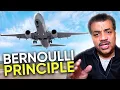
foreign [Music] how airplanes fly you know have you ever walked up to one and I sound like the guy in The Matrix you have a Marvel at an airplane that 300 tons of metal Mr Anderson no he was talking to uh Morpheus at that Morpheus that's right yes yeah yeah that's right because he was talking yeah yeah he was trying to get him to reveal the codes the codes for uh Zion yes yeah yeah yeah yeah so anyhow do you ever Marvel that an airplane of all sizes they just go fast forward and then they
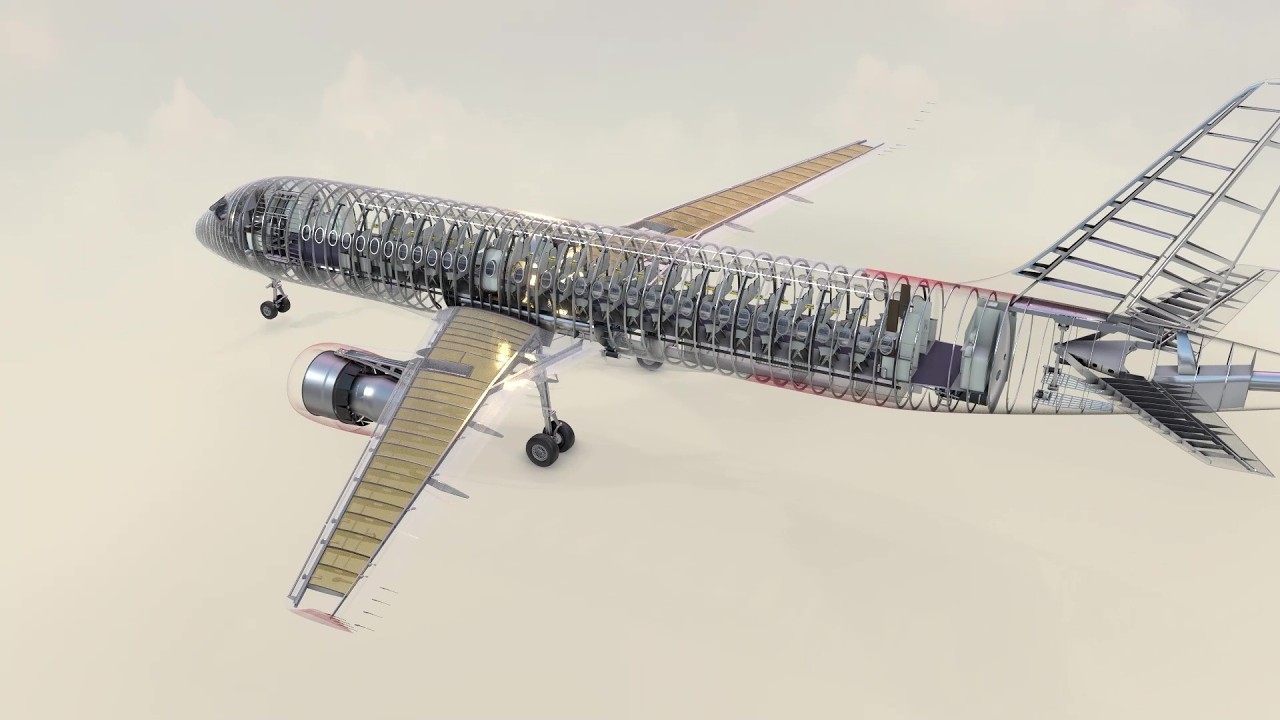
fly do you have a pause and reflect on this I'm not gonna say I have to be honest I'd be lying it says give me the scotch before we take off and I'm good all right I'll tell you what I Marvel at right how sometimes I get a really decent meal in first class that to me is the modern Aviation marble okay all right so so here you go so you may have noticed that all airplanes have wings yes okay wings are a good thing that's a good thing they also have mini Wings on the
tail okay right and then they have like a vertical Wing uh which is like the stabilizer wing and so that prevents it from sort of uh fishtailing right because if it's going quickly through the air and air Parts on the left and right side of that tail fin that gives the plane stability moving in One Direction okay now when I was a kid I built model airplanes that flew gliders and I tried making gliders without a tail fin and it just fishtailed the whole time it just didn't it couldn't stabilize so I so doing piece
by piece adding it such attracting bits to my to my models I was able to sort of learn early on in my life what role these were playing in the stability and the lift on an airplane okay interesting yeah just say I go back on that way back on this no no I want to ask you a question about gliders now but I don't want to disrupt what we're doing oh yeah yeah okay so so now you may have also noticed the shape of the cross section of a wing yes so if you take a
cross section of a wing and sometimes you can see this no yeah you know you can see it when you're on if you sit on the wing on the wing I mean you're sitting in the winged seat in the wings right so so that's usually where the exit there's usually an exit uh door above the wing so right step out by the way if you ever want to change your seat just tell them that you're not willing to take on the exit row responsibilities you know so they'll they'll ask you would you like to uh
are you okay with the responsibilities I prefer the leg room right yeah you get leg room in for in in the exit row because if you have to file out of the plane that's right yeah yeah but if they're two consecutive exit rows the first of those two egg rows the seats don't go back so you have to watch it yeah because they don't want to you know and I'm like you don't want to lean into the other exit row right because you're being obstruction but my thing is like how could I ever lean into
the other exit row when you guys are always telling me to put my seat back up and even when it's not back up you go back like three inches yeah right yeah exactly oh my God we're all trapped it's reclining no it's stuck in that position and they're telling me to pull it forward and I can't yeah are you gonna be the one per the one dead person on the airplane while everybody else all right so uh so the top part is curved okay and the bottom is uh it's typically flat okay so you have
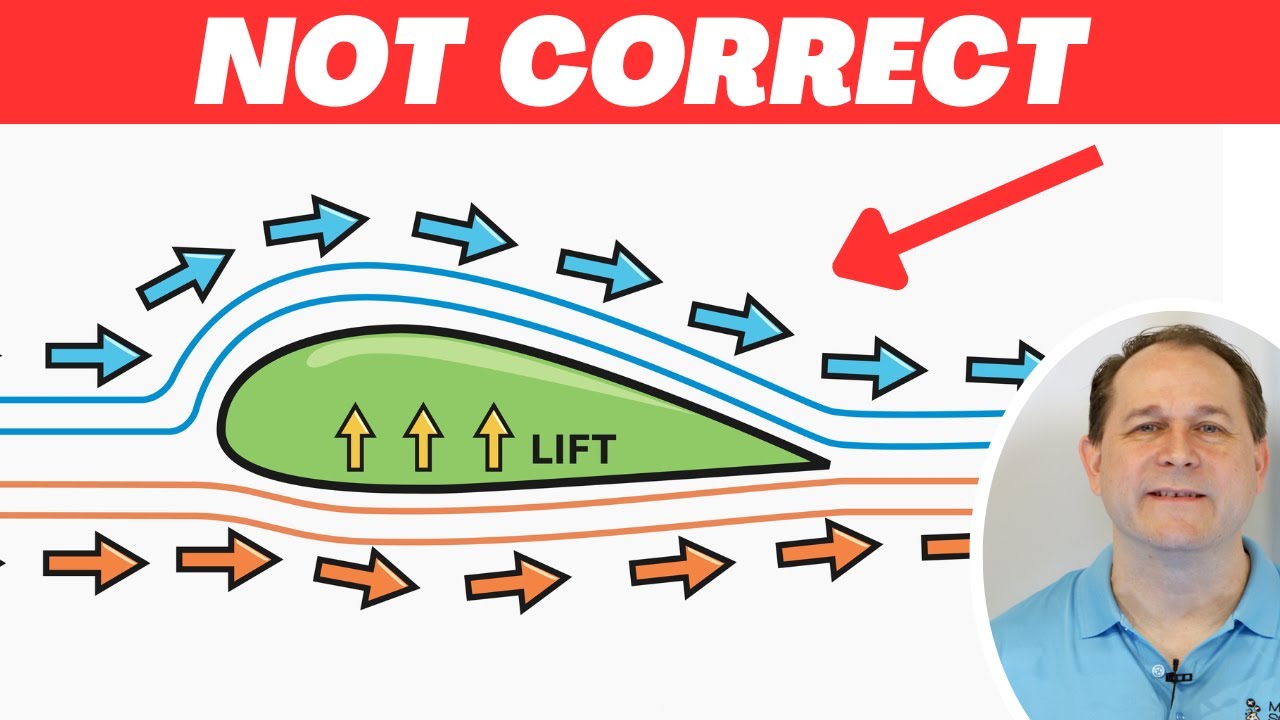
a pocket of air that the moving Wing is passing through and the air wants to stay as one parcel it wants to okay okay so as you do this the air on top to go that bigger distance has to travel faster to keep up with the air on the bottom so that when it reconnects it's the same parcel gotcha all right so you have forced the air to move faster on the top than on the bottom and fast moving air has lower pressure and I've done this before I don't know if who's going to be
listening to this and who's going to be watching it but so I'm going to use my letterhead okay so here it is I don't know if you can see from the desk of Neil deGrasse Tyson it's a Hayden planetarium uh American Museum of Natural History so not that it matters what paper you do use but I'll get a nice long skinny strip from that there it goes and here it is just limp in front of me and now I'm going to blow across it okay here I go there you go I'm blowing on top of
top of it but that it it it straightens out lifts up correct So the faster air going on top has lower pressure relative to the pressure of the air on bottom so the air on bottom presses it up pushing right it's pushing it's pushing it up you have an entire pair of wings doing this an entire pair of wings and the faster you move the bigger the pressure difference is between the two of them period okay so on the runway well you're ready to take off right and the plane accelerates the pressure difference between the
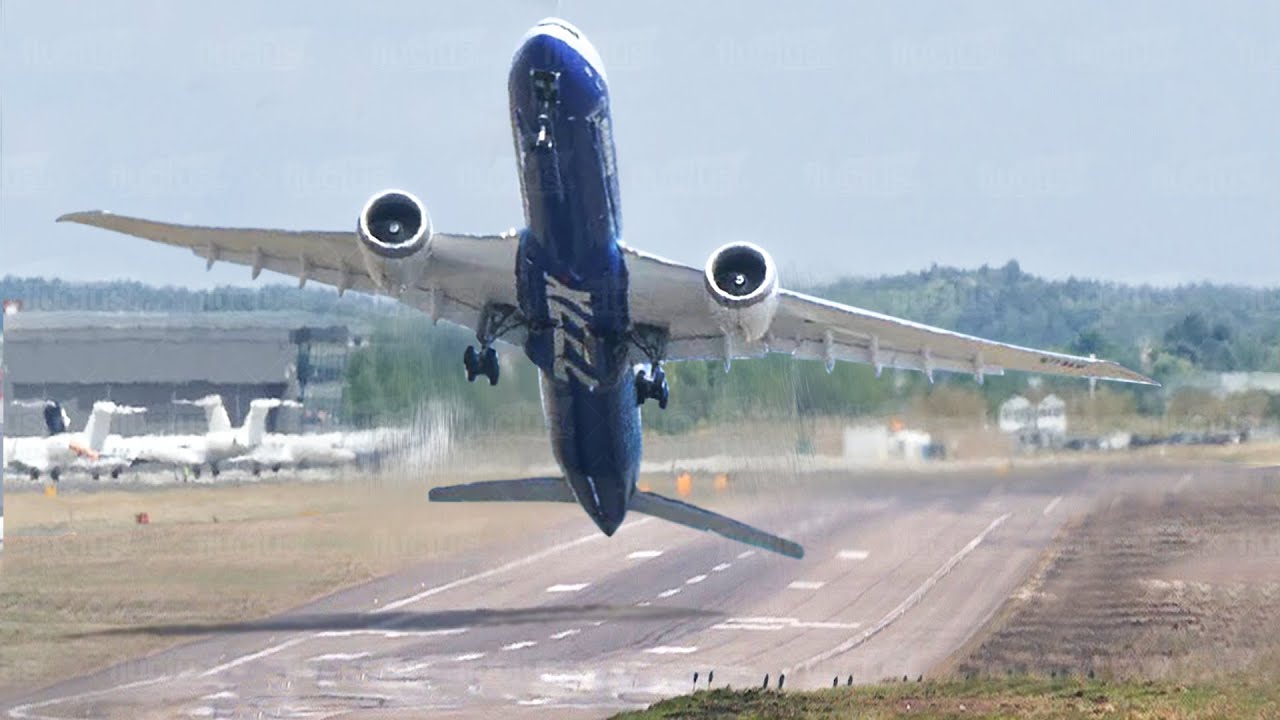
top and the bottom is becoming greater and greater and greater and the plane saying I'm ready to do this okay but you don't want to rely only on that you want to make sure this happens so what by the way it continues to accelerate through this what the pilots do is they they in they up the flaps on the tail wings okay right what does that do that creates extra pressure to push the tail down pivoting the nose upwards when the nose goes upwards the upward pressure on the wings is no longer just this Bernoulli
effect Bernoulli's the guy who first uh decoded this phenomenon it's not only that the wing is now pitched upward towards the moving air pitched upward so air is flying straight into the wing that's going to also add to the Bernoulli effect and that plane is going to pop that's why it doesn't slowly gain altitude that plane changes its angle to the air and it flies high above the ground and there's strong reason to do that because it also reduces the acoustic footprint of the takeoff the higher it can get the fastest faster it can get
the the less influence that sound is going to have on houses and other things that happen to be in the in the in the runway path right so lowering property values everywhere everywhere and so this effect of pitching the wing so that the moving air just presses it upward is so effective that you don't even need Bernoulli to fly an airplane um you know you can have Johnson do it or you can also you know Smith Smith is cool you know you can have Ray J Johnson dude but you don't have to call him Ray
you can call him Ray J Ray J can do it right so that's an old-timer reference there for people over 70. um there's a comedian Ray Johnson do you remember this comedian I I well he's still on online they still okay here's they still got him still got him still yeah they dropped it hey Ray how are you doing you don't have to call me Ray you don't have to call him so uh so the upward pressure will do that that's why for example if you've ever been to an air show I highly recommend it
even if you're anti-military the air shows like display not only military jets but future civilian Jets but you should see what your taxpayer money is going towards okay if you have the occasion to visit an air show they're big ones in the United States um in in outside of Paris and outside of London uh farnborough is one so these are major air shows but anyhow the F-16 as well as other planes the last I saw it was the F-16 airplane uh can fly upside down oh yes I saw a Top Gun I saw it how
do you if this Bernoulli effect only pushes upwards with that orientation how the hell do you fly upside down you just angle the wings so that the air hitting on the front edge of it the urge of that is to push it upwards rather than any other direction at all and if you maintain that pitch of the Wings you can sustain a lift for the airplane you can fly it at any angle for that but if you're not otherwise in Top Gun or you're doing fancy things you let Bernoulli do most of the work look
at that and there you have it so you're good yeah just creating lift now have you seen those little winglets at the tip lately in the last 10 years almost all planes have a little wing on the wings it's like a little it's like a little wing hand like um yeah all right so they knew and learned that air moving over the wing oh by the way the wings get narrower as you get to the tip right take a notice of that next time they're very large as they attach to the airplane and then they
get narrower that's a very important feature for strength by the way okay the strongest part of the wing is the nearest part to the plane all right that's a good fact you don't want it breaking somewhere else all right uh so so what you have is a a a so air not only moves over the wing but it also moves off the wing horizontally and what they found is the air going off the tip of the wing created little turbulent Eddies gotcha at any time you have turbulence you have a drag a turbulent drag right
and they said is there any way to smooth over these Eddies and so they did this research Under the Umbrella of one of the A's of NASA recite for me the NASA acronym I don't know National Aeronautics and Space Administration Administration the first anas stands for Aeronautics a big part of their budget is to study Aeronautics they discovered that if you put a little uptick a little up angle in the tip of your wing right you can boost the you can reduce the drag there by increasing fuel efficiency thereby enabling cargo planes to carry that
much more and that much farther look at that overall they saved between 10 and 15 percent of all the fuel costs the world has seen since that's been introduced and that is huge huge yeah huge yeah I gotta tell you that's a first of all I look at it like great for the ecology it's you know that same yeah yeah like but if you if you're running an airline you know it's just it's good for the bottom line it's good for the bottom line and so and you'll also notice that that little piece of the
wing if it's done in a modern design rather than the original Giants that just slap something on there they like glued it on with I don't know but uh the modern design a chewing gum it's integrated to the shape and the form of the wing you'll notice that the wing continues to get narrow to that tip right so it continues to get narrow easing the air off of the tip so that you don't have this turbulent Eddy so that's that's how you have that so now here's the thing the plane wants to get airborne as
quickly as possible Right so there's a speed below which it will stall in the air and just fall out of the sky okay if it's going faster than that then all the upward forces are keeping it afloat all right and like I said less than that you will stall and drop out of the sky so when you hit that speed okay which by I believe is 88 miles an hour I'm pretty sure yeah even if it's not that right just let it let it be yeah 88 miles an hour so um so there's the plane
so so you want the highest possible airspeed the air speed is what matters to whether you're going to stall right it's how fast is the air moving over your wings so every plane if it has the option is going to take off into the wind aha because what matters is not the speed relative to the ground because a Tailwind would give you high speed relative to the ground but once your Airborne you want to stay there and so what matters is the speed over your wings that the air has and so you take that's why
every airport and aircraft carriers have at least two runways at an angle to each other so that when the wind direction switches they can change which Runway you're using so that you will always take off into the wind always and the two the I forgot what the exit 45 or 30 degree angle it's not it's not at a 90 degree angle to each other okay no because if you do if you do the math and the geometry on this you want it to be about a 30 degree angle because then all combinations what you do
is you if you if the wind changes Direction then you just take off in the opposite direction of the of the all right and it turns out many solutions are solved just by having two runways at that angle and that's why aircraft carriers you will see um just take a look at their shape but the World War II class aircraft carriers you could they had two angles you could land on there right yeah yeah on it and if you're going to land from the direction you're coming they would turn around the aircraft carrier so that
you're coming in Against the Wind so they you want to take off against someone so this makes for a great bit of um for someone facing adversity in life right you say to them that airplane achieves its greatest lift when taking off into the highest headwinds and that notwithstanding you are still screwed my friend you're still flicking this class you take go to the remedial class too bad you're not an airplane don't ever be a counselor okay coach ever the fact that you even thought that oh my gosh there's some person who's I got adversity
in their life oh well all right so also also they land into the wind okay because they want their slowest Poss slowest possible speed relative to the ground right and that way when they reverse the thrust of the engines that they don't accidentally run off the end of the runway right so that's why planes land and take off in the same direction often on the same Runway that's why and you know how they know which way the wind's blowing they look at the wind sock Oh I thought I was going to say you lick your
finger oh then they roll down the window of the 747. okay there we go that's it maybe Lindbergh did that I don't know right uh but you look at the wind socks and I look at the windsock every single time and I confirm that we are indeed taking off uh in the direction of the win because it's the opposite direction the windsock is uh is pointing right you'll see next time you want to go against the wind so where I guess real simple yeah but you can reaffirm that that that the the traffic controllers are
doing the right thing right by by making this observation yeah they're not just up there drunken partying you know they actually are paying attention they're also paying attention exactly also the way you should they're not just yeah they're also looking at your ass right so so all this is going on on the on the runway and I got more to talk about airports I mean I've just there's so much going on you know why they call it the quick thing about you know why they call Gates you know why they're called Gates uh uh no
they used to be literal Gates okay airports you you go up to the gates and they'd open the gate and then you'd walk onto the tarmac and get on the airplane well the president still does that when he lands in different countries but and small airports you would do that but I'm just saying they were literal Gates and then we moved them indoors and now you have these jet ways you don't even see when you're are you am I indoors am I Outdoors where am I because they wanted to they didn't they were worried initially
that you have some anxiety of getting on an airplane and they didn't want you to have that anxiety so if so we're all like the horse with the blinders on you know so if they don't see the traffic around them so these are blinders so you can walk smoothly from the waiting room into your seat on the airplane without actually noticing you're getting into an airplane aha see I you know I'm surprised that they haven't come up with the presidential escalator to get them down from the plane because that would you know well just a
reminder that it's a real object that really flies and thanks to engineering for this the people that say I don't trust science and science we made a 300 ton hunk of aluminum fly at 550 miles an hour across country serving you hot food and giving you the internet while you sit in your comfortable chair and at the end of that you're going to complain that that the that the salad uh had too much salt that's how you know you're living in the future but see the salad did have too much salt I mean I wasn't
just nitpicking okay I know I might seem to imagine but there is a reason behind my complaints you know you're in the future that's all I'm saying yeah man anyway planes that there's more to talk about one day we'll talk about the pressure difference between inside the cabin and outside that's a fun thing I do experiments on that but one day we'll do more when you have more appetite for airplanes and airports pick this up again I like it all right all right there's another been another explainer with my uh co-host Chuck Nice Neil deGrasse
Tyson here as always keep looking up [Music]