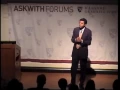
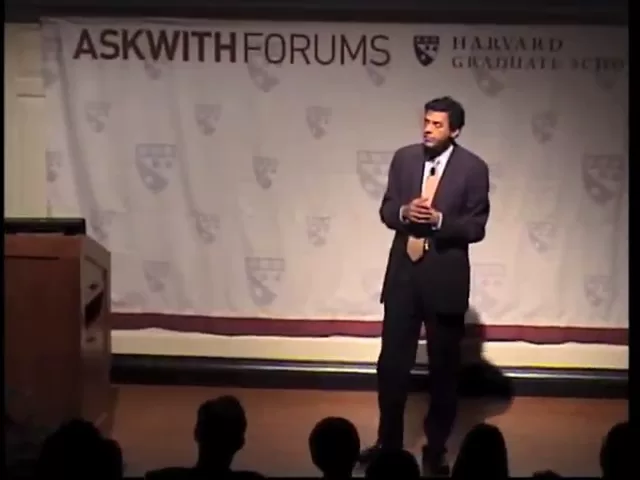
Welcome everybody um I'm Kathleen McCartney dean of the Harvard Graduate School of Education and it's always nice to have a full house and we not only have a full house we have people watching in overflow space so I want to welcome all of you who are who are watching from there um I guess it's no secret why we have a full house tonight I'm so pleased to welcome um Dr Atul gandi who is joining us uh to present uh A talk tonight entitled the difference between coaching and teaching I have a feeling you all know
a lot about him which is why you're here but let me just tell you a few things um he's a professor of surgery at Harvard Medical School he's also a professor in the department of healthology and management at the Harvard School of Public Health he is the lead advisor for a World Health Organization program entitled safe surgery saves lives he's the Founder and chairman of lifebox an international not for profit implementing systems and Technologies to reduce surgical deaths globally and he is a general and endrin surgeon at the briam and Women's Hospital in Boston I
happen to know he has operated on at least one person in the audience but I can't reveal Hippa you know um Dr gandi has also been a awarded a MacArthur fellowship and he was named by Time Magazine as one of the world's top in top 100 influential thinkers and somehow he finds time to be a staff writer for the New Yorker to write three New York Times best-selling books most recently the checkbook Manifesto Malcolm Gladwell in his review of the checklist Manifesto wrote this book begins on Familiar Grounds with his experiences as a surgeon but
before long it becomes clear that he is really interested in a problem that afflicts Virtually every aspect of the modern world and that is how professionals deal with the increasing complexity of their responsibilities from pck Crews to Cowboys to airline pilots and superintendents Dr gandi has become an expert on Experts tonight he will discuss how different professions produce top level performers by sharing lessons from a wide variety of disciplines and illustrating the difference between coaching and teaching What could be more important to Folks at the Graduate School of Education please join me in welcoming Dr
Atul gandi so thank you that was are we working good thank you that was a very kind introduction thank you for inviting me I'm a little embarrassed to talk to teachers about teaching so I have to demure to begin with um I got interested interested in writing and in research because of wanting to understand what you Do um when I started writing and actually started doing research was when I was in training myself and what I was interested in was trying to become something more than just competent at what I was learning to do as
a surgeon I wanted to understand how I really become good or perhaps even someday great at the kind of work that I was doing and in order to do that I wanted to understand the difference between those who are merely competent And those who are great at what they do and what I found was over time trying to follow and emulate and see people who were really focused on achieving something more than competence was they weren't smarter than anybody else they weren't Geniuses instead they seemed to be people who had come to grips with their
inherent fallibility and the fallibility of the systems that they work In and with what it took to overcome that fallibility and that's where my own writing started um my first article for the New Yorker was as a third-year resident and I was really shocked that they took the article in the first place but then second that there were people who were interested in these kinds of questions and I've just had the the Lucky Fortune that the things that have been obsessions for me have turned out To be ones that seem to resonate for some people
even to the point that I might be asked to come to the education school to talk about teaching so uh let me try to get away with it um part of what's interesting is the idea that there is a distance between being competent and being excellent in many lines of work that doesn't have to Be the case right the there's only a distance because there is complexity there's a distance between competence and um excellence in very hard tasks but not in very simple ones if you have a deck of three cards and your job is
to count how many cards are in the deck there is not a very big distance between being competent and being great at what you do but if what you have to do is teach seventh Graders or what you have to do is do an operation or help someone stay healthy or make a government program you're responsible for work or start a business there's a big distance and that is characteristic of complexity in fact it follows a curve and what for for helping professions like ours what makes this very trying because we act in public we
are uh making promises to a larger group of people about how we're going to perform and what makes that Distance between mere competence and Excellence unnerving to people is a there is a distance and B it doesn't look like what people expect it to look like so the anytime that there's measures of what performance looks like and what I know well is medicine um and so we see across a variety of fields that there are there is a wide distance between the best and the worst who do our work and that the um the pattern
of the Picture between the best and the worst is a bell curve where most of us are grouped in the mediocre middle I suspect that's true in teaching it's the it's it's the N it's a natural way that complexity plays out um but it is not what the public expects what the public expects is that after all of those years of training and getting a little bit of practice under your belt that the performance curve would look like what I'd call a shark's tail with all of the folks grouped towards the very best results except
for a few stragglers down here at the awful crappy end and if we were serious about improving the quality of teaching or the quality of Medical Care we'd cut those crappy people off at the knees fire them and we would be great but when it's a bell curve and it's just a few at the top but Miles Ahead it feels like where most of us are it's just disturbing it's disturbing for the public and it's disturbing for us I think well we have many examples in surgery um and Beyond surgery in in medicine in most
of the areas that we look we keep finding a bell curve um and so for example if you look at pneumonia care one of the basic kinds of um conditions that we've been treating for For many decades there is a wide gap between the best and the worst and most are grouped in the mediocre middle for one of the simplest operations that I do a hernia repair um the chances that you will have that hernia repair fail in the first year after surgery is around 5% that's the average performance but it turns out that there
are places I wrote about a place called The shise hernia Factory up in Toronto where they do uh they've made a real art of taking care Of this particular very simple operation and gotten the failure rate down to below 1 and 200 instead of one in 20 and at the upper end I learned in a study that I helped team conduct that um there were places in the country where the likelihood of failure could be as high as 25% one in four it was a bell curve you see cardiac surgery you see in lots of
different fields the one that interested me though Was a different one it was the bell curve for Cystic Fibrosis cystic fibrosis is a uh condition that inherit an inherited condition a genetic um disease that children get at a very uh are born with and show symptoms of at a very young age um it's a terminal condition the average life expectancy is uh at the time that I was looking into this around 35 years and there was however um a wide Bell curve and that was interesting to me because cystic fibrosis worked exactly the way that
we want medicine to work and many professions to work so um the Cystic Fibrosis Foundation with patients and doctors working together their families have um instituted a system where their care is concentrated in 117 centes of Excellence around the country where the teams have tremendous experience in taking care of kids with this condition they have formulated Standardized guidelines for care perfected around what seem to be the very best practices they they've got their checklists for how the care should really go they have um public monitoring of their results so you can go onto the web
and find out exactly how your Center that your child goes to is doing for survival for the for the lung function uh that your child has and their weight to critical measures of what's going on and uh this Is thought to be a way that you can raise the results and bring everybody to an extraordinary level of performance and in fact it's been remarkable over history because we with this kind of approach we've brought survival in cystic fibrosis from just six years of age to now as I said an average of about 35 years or
or more but even with all of that there's still a bell curve and a wide one with the best places achieving survival rates of 47 years and Higher a difference of 12 years in a person's life and down at the bottom end of the curve you'll see places where the average survival is in the mid-20s and so then the puzzle was why does that happen where does this come from and so I went to one of the places in the middle to find out just exactly what was what what were they doing badly what were
they screwing up on um and I went to a place the University of Cincinnati Children's Hospital that by all accounts should not be in that mediocre middle they were actually below the average performance in the country when I was visiting and the um it was a puzzle because this is one of the top 10 children's hospitals in the country the director of the cystic fibrosis program is one of the leaders of um cystic fibrosis care he helped formulate many of the guidelines that would that would be the ones to follow it was you know the
the Equivalent of a great charter school right and yet when you saw the measures it it the survival wasn't keeping up well um I went thinking that maybe they've got a fantastic reputation but they really don't deliver when you go and visit not a problem that I would have ever heard of here in Boston but maybe out there this happens um and what I saw was incredibly dedicated people they had more than 250 kids with Cystic fibrosis they knew them inside and out they were um they were dedicated to them and the families were dedicated
to their Medical Teams as well they they seem not to miss anything as I went through in the clinic and um you know they just carried out a flu vaccine campaign that ensured that every child they got to 100% of making sure every child had gotten their flu vaccine something that you know pediatric practices don't normally manage to Execute on so then I decided Well I need to visit a place at the top of the curve because they must have a secret drug how else to explain why this place would be at the very top
of the curve now one way they may be at the very top of the curve is because they had healthier kids with cystic fibrosis right there are a variety of different mutations and this is the equivalent of saying well this School has really poor kids and you could say well this program has really rich kids only they're rich genetically maybe maybe they have one of the mutations that are less severe than the most severe mutation the most severe mutation is called the Delta um f508 mutation and that mutation when you measured it turned out that
this place which happens to be the University of Minnesota Center at Fairview Hospital run by a guy named Warren Warick this Center has more of those kids than the average Place their reputation had got around and many of the Sickest Kids end up coming there and yet they continued to do better than the average well as soon as I got there I asked Dr War show me your show me your protocol show me exactly what it is you do what he showed me were the same protocols there was no secret drug there they were following
through on the same Lines of care and getting strikingly different results so I did not understand what it was that they could be doing differently until I went with him to clinic and saw what it was like to be a patient there and it was strikingly different um I can only explain it by telling you an example of a patient one of the patients we saw that morning was um a young woman named Janelle she was 17 years old she had cystic fibrosis diagnosed since the Age of six and she was there for her routine
every 3mon checkup she had uh dyed black hair to her shoulders aavine eyeliner she had rings in both eyebrows stud in her nose stud in her tongue several up each ear she was facing off in the other Corner against Dr Warren Warick 76 years old Tall stooped and frumpy looking he looked like a British academic in his tweed jacket with the liver spots on his hands and he tried bantering with her how are you doing Janelle fine how's school going fine how's your health been fine said let's pull out your lung function measures and he
pulled out a graph that showed exactly how she'd been doing and what it showed was your lung function is critical by the way because With this disease it accumulates dried secretions that are like glue in your lungs and you have to do you have to take medications and physical therapy treatments to keep those lungs open well her lung function me measures showed that she had been um she had had some ups and downs and had a dip from 109% of predicted to 90% of predicted and what that means is that she had been at 109%
of normal actually better than the average child with normal Lungs and she'd had a little dip down to 90% And I had seen the charts at the University of Cincinnati and knew well enough that these kinds of dips are to be expected there are ups and downs these measurements are not precise but that was not the way Warren War saw it why' your numbers go down he asked I don't know well have you had a cold no a fever no a cough no well what do you think could be going On don't know well have
you missed any treatments then no haven't missed a single treatment well everybody misses a treatment once in a while well how often is once in a while and gradually he got out of her that for the past three months she'd not been taking her treatments at all why aren't you taking your treatments he wasn't surprised he didn't Seem angry he seemed genuinely curious like he'd never seen this sort of situation before well she said I don't know and he kept pushing well what's going on I don't know is there something keeping you from taking your
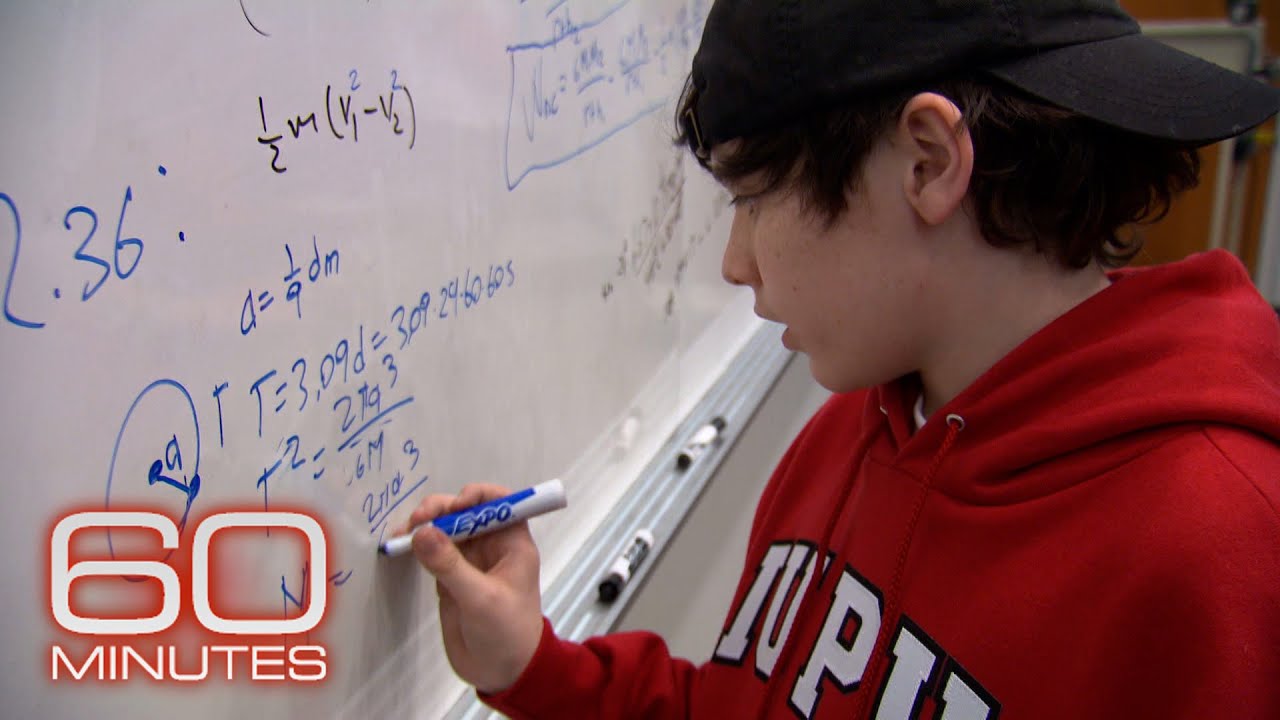
treatments I don't know well what's going up going on up here Janelle and he tapped his forehead I don't know so he decided to take a new Tac and use me as some kind of foil so he started talking to me and he goes cystic fibrosis patients are interesting they are good scientists they are always trying to experiment we have to help them interpret what they experience as they experiment so your experiment is stop taking your treatment and what happens nothing let's take a look at the math And he had a little Blackboard that obviously
looked very well used and he said let's ask what is the likelihood that if you have cystic fibrosis and don't take your treatment that you will end up in the hospital with a bad lung illness On Any Given day and the chances he said are 0.5% and he wrote that number on the board what are the chances that you'll end up in the hospital if you have Cystic fibrosis and you take your treatments the chances on any given day are 0.05% seems like hardly any difference at all you basically have a 100% chance on any
given day of being well but add it up over the course of the year and what do you get and he jotted out the math which actually was very impressive because this involved exponentials on the board and he figured out that the chances of being well on Any given day if you took your treatment chance of being well and being out of the hospital over the course of the year was 83% but the chances if you didn't take your treatment were 16% he turned back to Janelle he said Janelle how do you stay well all
your life how do you become a geriatric patient he said I don't have the answers I can only tell you the Statistics and that I realized in that little description to her was his entire world view of what it meant to be great at what he did Excellence was not a matter of being bad versus good it was the difference between being great at what you do versus competent it was between being 99.5% successful on any given day and 99.95% successful on any given day and there are lots of things like this if You play
for the Red Sox catching fly balls if you work for FedEx it's delivering overnight packages if you make microchips it's getting the microchips made the only difference in the kind of work that teachers do and doctors do is that people's lives are affected in those slim margins and so he went about trying to find that slim margin for Janelle first he tried to sort out more About her life and what was going on and what he gradually figured out was that she had a variety of things that were keeping her from being able to take
her medicines she had a new job that she went to after school and so um at the end of the day she was not going home like she normally did to take her medications and the nebulizer treatments and the Physical Therapy vest that she has to wear and then she had a new boyfriend and So and he also was 22 years old Dr Warwick did not approve after school she would go to work after work she would go to his apartment and still not get home for the treatments and then at school they had new
rules that you may know about which is that the kids couldn't keep their own medicines and take them on their own they now needed to go to the school nurse she needed to take her medicines twice a day once in the morning and once In the early afternoon and she hated going to the nurse and announcing her illness and getting out of class and so she began to skip it it's such a pain she said so he made a deal with her he said after school I need you to be able to go home for
your treatment I can talk to your boss at work and make sure that there is enough time also he asked her for the phone number of her best friend and permission To be able to talk to the best friend so the best friend could hold her to taking the medication it's a trick he clearly had worked out when you started having teenagers do well then he said as for your medicines that you take in school keep your key medic in a bag or in your pocketbook and then take them on your own at school she
stared at him they won't let Me don't tell them and with that he definitely turned taking care of herself into an act of rebellion so far she was okay with this plan oh and there's one more thing he said I want you to come to the hospital for a few days in order to get some intensive treatment and catch up on the ground that you'd lost she gave him that stare again today yes Today how about tomorrow we failed Janelle it's important to acknowledge when we have failed and with that she began to cry I
thought a lot about what war war did with her and what it did across his entire practice and what it meant there were a few things that he did that seemed to me to be in common with those who manage complexity and succeed one was that he had moral Clarity about his goals he had goals yes but he was also very clear morally what was important about the goals what he was really shooting for and for him it was keeping this Child Alive until they were old which meant he wasn't going to be able to
do it all he would have to figure out how to help her be able to do it all the second thing he had was an understanding that this would require Diligence by diligence I mean that the details create the success one of the characteristics of complexity is that small things can amplify in nonlinear ways in ways that have extraordinary consequences missing her doses of medication here could mean an 83% chance that she would end up in the hospital a year later and then a likelihood that she'd never make it to old age after that it
was a story that I understood From also the case of John Wooden the UC the extraordinary UCLA basketball coach who managed to win the NCAA title 10 out of 11 straight years I mean an unprecedented feat and one of the stories he tells is that when his fresh Squad arrives on campus and arrive for their first day he um has them go through some teaching that he does for them about how to put on their socks and he shows them himself he takes off his shoes takes off his socks gets Out the socks and he
explains you know you have to you have to roll it up and then start at the toes and you pull it very carefully around the toes and up up the ball of the foot and then and then around the heel and then up up the up the leg and he smooth it out the whole way he showed them and he made them do it exactly the way he was doing and then he did it again on the other foot and he had a reason for doing this number one he Said blisters end your season and
a wrinkle in a sock not only ends your season it ends the likelihood we're going to win but the second reason is he wanted them to understand understand is that details create success the third thing that Warren War understood was Ingenuity Ingenuity in how he could solve this problem that Janelle had by trying out these tricks like having a a Friend who he could call and connect with and help hold her responsible as a peer and take approaches like um having her hold her own medications and take them herself but if he did that all
by himself in a in a system of colleagues that were treating close to 300 cystic fibrosis patients every year he would just be great at what he does but the others would be all along the bell curve so he instituted other forms of Processes that required equal Ingenuity for example one of them was um that he had a simple meeting every week on Tuesdays where all of the pediatricians and the social workers and the nurse practitioners everybody would meet together to talk about every patient they were going to see in the coming week I mean
I've never had anything like that before never had someone looking over my shoulder and asking questions And saying what what's happening with our patients or our students along the way and many of the sitting in this meeting many of the it was you know routine any issues with this patient what's their what's their lung performance what's their weight for height um the two things that he tracked incredibly diligently and then there would be a few though where there was a problem why did their numbers go down Why were they in the hospital what was going
on with that that absence of a week from school and then they he he'd find out what the plan the team had for being able to do it what that pediatrician seeing them plann to do and he didn't hesitate when he thought it was something that could go better he would push some of the uh pediatricians who didn't like this quit I talked to one who um was incensed by the ways in which You know this guy thought he could tell him what to do but the others were incredibly dedicated to this whole process because
they had now gone more than 15 years without a single teenage death something that virtually no program in the country can say for themselves one of my favorite essays is an essay by the um by the philosophers Alistair gorwitz and uh sorry Alistair McIntyre and Samuel goritz and and what they wrot wrot about was um the nature of human fallibility and what they pointed out was that there are two reasons why we fail at anything that we set out to do one is ignorance the knowledge simply does not exist and the other is ineptitude that
is the knowledge exists but an individual or a group of individuals failed to apply it correctly what's fascinating to me about Our time our particular generation is that both have become our struggle for Millennia The Human Condition was we lived in a world of ignorance we did not understand that much about the physical world the conditions that Afflicted our body how to raise people's ability educate and do all of those things it was kind of discover as you go along do the best you can we were in a in a world of ignorance but after
the 20th century We've come through with a tremendous Storehouse of experiences knowledge and science that have shown us many ways in which at least we know what the bad things to do are and often what the most successful things to do are and we've found that both are our struggle being able to solve our problems of ignorance that still remain how the economy works and what to do about Alzheimer's disease and and uh how to get seventh graders to Care um but there are also tremendous Storehouse and knowledge of the people who are at the
top of the bell curve with information and capabilities that have not translated downward performance is turning out to matter as much as the discoveries of technology and and everything else but our question has become how to replicate the results of those who are at the top of the bell curve the war and Wars of the World how to make it so you can actually change the Curve not just for you and where you stand on it but change its shape pull it upward and Tighter and begin to alter that that to me is the story
of Education it's the story of trying to find an answer to that question in the absence of Education people are simply splayed randomly across that curve learning the best they Can but with education we change the shape of that curve the ways we educate are have become interesting that we have teachers and doctors following I think in our professional lives a classically pedagogical model um we all go to school for a long time then they make us go even longer in medicine pay a lot more tuition along the way then you graduate and the expectation
is that you've gained your Experience your internships your um field opportunities you gain a little bit more experience when you're out there on their own but then from that point on your job is to Pro improve yourself along the way you are responsible for your own self-improvement and it would be and it's understood to be a lifelong process that you will seek out education you'll seek out opportunities and our job in education is not only to teach you all The key things that you need to know at that moment in time it's also to equip
you to learn for yourself and that has worked extraordinary well it is um how juliard teaches musicians for example iach prman graduated from juliard and he got his 10,000 hours of experience from the age of 13 till he graduated there and then was put out into the world not yet the world's greatest violinist of his his generation but someone who would learn Had been equipped to learn how to rise to that level it's a training that inculcates the ethic of self- perfectionism you keep developing your capabilities in stark contrast to that our athletes the athletes
never feel that they're done if you're in tennis watch Tennis this is Rafael Nadal this is jokovic they have had coaches throughout their whole Careers hit number one and they don't fire their coach at that point they feel they still need them and in that world the view is that the teaching model is naive about human capacity for self-perfection they believe that few can achieve and maintain their best possible possible perform performance on their own well I wasn't sure what to believe about this as a surgeon we are in the camp of The non-athletes and
so I decided to call up people who were at the very top of their curve who had come through that system to ask how they had achieved that place in the pantheon for example I called up iach proman and amazingly he answered my phone call it's one of the beauties of hi I'm from The New Yorker saying hi from I'm from Harvard these days doesn't seem to be quite enough to to get them to call but the New Yorker um and and I asked him uh why for instrumentalists like violinists and so on do they
not have coaches but pitchers and tennis players do and he said I don't know but it's a mistake he always had a coach he said his coach was his wife he married Toby Perman who was a classmate of his from juliard a concert level violinist who gave up her career Playing to be in the audience and watch how he performs and push him she learned various things along the way when he asks afterwards how it went she always says it was great and then a couple hours later or maybe the next day bring up you
know there was that section that sounded a little bit mechanical did you feel what I was hearing what he said to me was the great challenge in performing is listening to Yourself your physicality the sensation you have as you play the violin interferes with your accuracy of listening so his wife Toby has been that extra ear for him for 40 years and that had been key he believed to how he got to where he got okay that's how it works for a worldclass performer who's trying to shoot to be you know the best in the
world what about us ordinary people who are just trying to do the as well as we Can with our own talents H how do we move up at least towards the Warren Wars the itak prman and part of what was fascinating me is that coaching has come to teaching itself I think this is something that you know what um what struck me was the research from your field showing that the biggest Factor um in how much a given student learns isn't their class size it isn't the amount of testing they do it's the Quality of
their teachers and for policy makers understanding this the results have been the effort to adopt what I'd call car and stick remedies fire the Bad Teachers penalize the schools with low performance give Merit pay to give bonuses to those at the top level well others are suggesting you know what you do you coach them there have been studies of teacher development work by a researcher named Bush some of you may be taught this in your regular lines of work it was new for me um and their work in California showed that professional development as it's
ordinarily done didn't work you would have um you would go for a workshop you would learn some essential skills for teaching English or teaching math you would even get to to practice them in a a mock session be observed have simulation have a chance to really pick up on it and then you'd go back to Your school and you'd give it a try and when they circled back 6 months later the chances that they were actually using any of the skills they learned was less than 15% in another arm of the study however what they
did was the same kind of workshops and so on but then they sent a teacher around who was familiar with the concepts to just watch them in class and give them a few pointers on how they did with it and just it would be two or Three visits but after six months when they circled back the likelihood that they were using the skills they'd Learned was more than 85% and that was the difference of coaching coaching programs now have grown as I understand it in in somewhere around 200 school districts around the country and the
data seems to be still early in evaluation of whether really changes the out the end point of how well the students learn and so I went to Visit one simply to get my feel for what it was like it was the Leslie Walton Middle School in Alba Marl County in Virginia and they followed an instructional coaching model which in which they had coaches offered for experienced teachers and mandatory for novice teachers in their first two years of entering the profession and so I went alongside a coaching team who observed Jenny kryer an eighth grade math
teacher who had 10 years of experience and that Particular day she was trying to teach the eighth graders how to simplify radicals this was a midlevel class this was not the accelerated class this was kind of the standard class class which is to say a class of kids who wanted to know why the heck they were learning anything about radicals and her task was to get them to grasp three highly abstract Concepts the concepts of radicals of perfect squares and of Factoring it struck me as incredibly difficult to be able to do this and in
60 minutes she did just that it was extraordinary I didn't see how it was possible that it could be improved but the coaches always think there's something to improve and so when they sat down with her after afterwards they they broke it down for her so in the teaching World you've done what we've done in medicine you've Recognized that there's a bell curve you've looked at the positive deviants those getting the best results at the top of the curve and then broken it down understood a few things and so what they recognize is there's multiple
domains that come together to do this being able to manage student Behavior how you do your classroom preparation time management in the classroom effectively using different learning structures for different styles of Learners and so on Jim Knight who is a Pioneer who runs the coaching Center at the University of Kansas um teaches coaches and and he teaches teacher coaches to observe specific details he's developed a kind of standardized method of even coaching with a checklist and it's kind of a checklist for what great teaching would be and the questions that they ask and run through
as they watch is how effective was the planning for instruction how are are they able to Interact respectfully with the students are they engaged in highlevel conversations do they understand how the students are progressing or failing to progress so afterwards they went through that list and asked her to pick her area that she wanted to work on actually it wasn't afterwards they had planned that as um early in the month as what they were thinking about working on and what's interesting about it is um there's a debate over whether you tell Them what they need
to work on or you have them pick what they want to work on and the reality that Jim Knight explained to me is that the teacher knows usually the teacher knows the novice teachers struggle with behavior but not J Jenny critzer her concern was whether the kids were really engaged this was towards the end of the year they had some high stakes tests coming up she was having to teach to the Test was worried it was feeling like she was teaching to the test rather than engaging the kids where they where she wanted them to
be engaged and the coach said she was right to be concerned now I never caught this but what the coach noticed was that there were at least four kids kids who seemed at Sea they were at different parts of the room and so they sat to recognize what new strategies might Be for them when he pointed out the name she said yeah I think you probably are right and so they um thought about the strategy she'd used she'd had them pair up that particular day and the um and what the ones that were at Sea
turned out to be were the ones who were in girl boy pairs there was no communication going on and so rather than break them up into same-sex pairs they worked on some tricks to be able to Make them more successful at being verbal and she had three more classes across the course of the day and she tried out those tricks and found it had gone beautifully and she said to me afterwards when we caught up um that this was her experience over and over again she said I'd exhausted everything I knew how to improve on
my own and in fact she' reached the point after 10 years that she was burning out a little Bit she felt isolated and for her coaching was a tital change for her um she had a lower stress level she felt more effective and what I saw for the school district was they kept a great teacher and actually got to see her improve now that I thought was worth trying for I was in my 10th year am in my 10th year as a surgeon I felt like I'd run out of my own tricks for being Able
to improve you know coming on board your learning curve just feels like it's straighted up in the first three four years and then it sort of starts leveling out and that I I I felt like I was very good at the stuff that I do um but I also could recognize that I had plateaued and so I asked a retired colleague who was one of the teachers I I'd really admired and liked a lot when I was in training and he had since retired and I asked him if he would come Back and just watch
me operate and it was incredible um he's incredibly observant and in 20 minutes he saw things that um that I didn't even understand I'd been doing he pointed out for example that you know during the operation we sat down for about 20 minutes after the case he sat through and just an hour and a half long operation um a neck operation and uh and he said you know one of the things that you do is your elbow goes in the air When you're at certain points in the case and that means that you are um
you're you're being awkward you're you're not in an ideal position so that means you need to change your instrument or move your feet so you can stand in the right way he said you were developing tunnel vision I operate under um magnifying Loops that let me see all the nerves and everything and with that I wasn't recognizing that there was during the case um some trouble that the Patient was having and the anesthesiologist was needing to um raise their blood pressure and she just said you need to be aware of those things you need to
be able to scan more regularly you also he said you know with that magnification you didn't realize the light was out of the field for more than 30 minutes reflecting off of surfaces in order to allow you to go ahead he pointed out the ways in which I'd missed the opportunities to make the team work Better together and that I missed some key opportunities to teach the people who the resident that I was working with the ultimate test I think was that um over time I started to see my complication rates get even lower where
they' been flat before it's hard to know if that's going to be sustained but so far I over more than a year and I've had him come back every month um it has Continued to be the case the final test though is not just whether I get better but whether we as a team get better in the same way that Warren war was trying to make his entire group of Physicians successful and I'm just a piece of our little school our little Charter program educating a child I think or caring for a person health is
evolving identically in many ways we're under tremendous public Scrutiny it has become far more complex than what it used to be even just two generations ago teachers are now teaching eth graders math concepts that uclid would have struggled with and doctors are diagnosing and treating more than 13,000 different conditions that human beings can have I don't think anybody Works harder than teachers and doctors I don't think anybody's better trained and yet Society is Frustrated we have a wide bell curve for our performance and when you look at the wide bell curve it's also a bell
curve for costs and there's no relationship between the costs and the results many of the most expensive places are places that are getting perfectly mediocre results and the places getting the best results have almost no relationship with the costs Beyond a certain point what you see instead is the places That are the positive deviants are the places that are most like a system we're all Specialists now we all just have pieces of the job that we do and we have little attention to thinking about how you get get all of those pieces together lots of
great people but not necessarily a great medical care or great education and that's been a disaster it's been a disaster for the cost it's been a disaster for those we're trying To serve our ultimate role I think is to be able to drive as a group towards end results and that means that we individually are not left alone in whether we're contributing to that final result that is a very painful transition for us as doctors for educators as well being rid by students on the Internet or by my patients on Yelp autonomy and respect As
professionals for whatever judgments we make has been one of our highest values and we feel rewards for what we do but under conditions of complexity where how well a student does depends on not just how one teacher does but multiple teachers connecting along the way and how a patient does can depend on dozens sometimes hundreds of people needing to pull all the pieces together under conditions of complexity we are still training Rewarding and hiring people to be Cowboys but it's pit Crews that we've needed the values when you work together when you submit to coaching
when you try these ideas the values that you end up expressing are quite different from ones of autonomy they are humility a belief in discipline a willingness to engage in teamwork I'm a surgeon you know how exactly difficult that is for us right the prospect though I think is important our North Star is what you see when it all goes right what you see when someone grasps an idea they didn't understand before or is simply better and I think what you know is the reason to think about these things things is that we change lives
and that is a privilege and an opportunity and I Thank you all for being part of it we have two microphones in the aisles and um welcome any questions that you have someone wants to try kicking it off all Hazard a try yeah is this on I think so I hear you great thank you um I'm at uh the Community Charter School of Cambridge over in Kendall Square and we're doing a lot of the coaching that you described and having a lot of success with it my fiance is a surgery resident in the Longwood Medical
Area and is getting trained and seems to get some coaching but often seems like um people make mistakes and they get yelled at and I'm just curious your thoughts whether at a school a hospital on changing the culture within kind of these institutions so that coaching is possible well let me ask you a question yeah when it works well how did you get it to work well because I'm sure there are coaches who yell at people right yeah yeah so what we did at our School putting me on the spot what what what we've done
at our school is we basically established a firewall in between our evaluators and our uh new teacher mentors so our evaluators are coming in every two weeks unannounced and doing a lot of coaching but it's hard because they're the evaluator and it's and they at the end of the year we're you know we're non-unionized they decide at the end of the year where somebody comes back so we also have um New teacher mentors I'm one of them who part of our job is to come in about once a week to observe maybe 15 minutes and
give some coaching so we did those firewalls so you had some crucial ideas that were embedded in this that I think make it um make it clear what's Difficult about it so number one being a principal at a school um where you decide to pay for people to coach and then you don't get to ask them what the results Are is very very difficult but when Jim Knight observes this in the work he's done when the coaches brought in and are spefic specifically reporting to the principal people think they've just had a spy implanted in
their classroom and they aren't there at all for their Improvement they are there to be the police and this doesn't work well well some of this is embedded in healthcare too right so um when I'm training a resident it's with someone that I'm Responsible for this patient I've made promises to and that we're needing to execute on also have four other cases that I got to get in in the day and we got to be efficient and move right along and you know next thing you know you're yelling at them because like God come on
let's let's get this going here um and I'm their evaluator and decide part of the team that decides whether they go onward and um uh and when I decided to get a coach in um I saw I decided to get Someone who was retired and it was for a reason I asked one of my colleagues to come watch my operation we rarely watch each other operate I was doing a case that he does a lot of I did fewer of and he just couldn't stand it he was like oh my God no I'm scrubbing in
I'm scrubbing in and the next thing you know he was taking over and and I didn't even agree with the way he was going about it whereas with this guy Bob ostein who'd retired his malpractice insurance had Lapsed his license was gone he couldn't do a damn thing except watch let me struggle and then uh and then bring it back not reporting to anybody not doing anything and that core intentionality of how you set it up is probably a huge part of whether it's going to be successful or not do the people understand that their
role is that now in sports it's highly variable how this Looks so if you're a tennis player you fire the coach you're paying for the coach or you hire and fire them and so they they know you you are their client if you're the basketball coach you can you bench a person and decide you know we need to be the winning team here and it's a much more um uh tenuous process a college basketball coach like John Wooden has enormous power a professional basketball coach with their multi-million doll Marquee player you know it's a little
bit more difficult how you massage Egos and manage along but you know at least you have the advantage of transparency everybody sees how the game really goes and the coach can use that to their advantage and being able to show what happens our worlds are invisible to most other people except in the most egregious cases and so um that person who's in that room is really the almost almost the only external eyes and ears Of what is possible and setting them up for success is crucial hi I'm a school principal in the Boston public schools
and I was struck by the examples that you gave we're all kind of idiosyncratic type guys they were much more interesting aren't they um and uh Dr War the way he talked to the teenager the guy with the socks and so on and I'm interested I work in a school system That has 128 schools and 128 principles head and more than that with the assistant principles and so on and you also work in large bureaucratic complex organizations and I'm interested in your thoughts about how one can build in the support for idiosyncrasy as a source
of innovation and Improvement within a large bureaucratic organization yeah well I part of the way I took away the idiosyncrasy was these Are extraordinary leaders right Warren Warick the way that eak prman pulled apart his own practice and that on some level this was a story of talent and Leadership that couldn't be replicated and and and you would have a hard time transmitting that in fact um I had a kind of um skeptical end to um that story when I wrote about it in the New Yorker magazine several years ago um and the time since
then the University of Cincinnati has been visiting and following along they didn't have some Warren wari kind of character um but following the lessons recognizing what the opportunities were and simply going in with a culture of improvement um they have now climbed into uh from being below the median performance now into the top 15 of 117 programs across the country and we've seen over that time because they've visited and and and connected dots ways in which they've Called it their pursuing perfection program they've lifted the whole curve upward so the median survival has improved for
Cystic Fibrosis so in a large organization scaling to me has meant understanding how you create that education process where people value it and see it as a routine in what they do I recently wrote about the Cheesecake Factory and the Cheesecake Factory was interesting to me because it's a place delivers 80 million meals a year at 170 Places across the country and you know in their rearview mirror is Olive Garden and they're trying to stay several steps ahead of them and they deliver a phone book of of food 330 items across all different kinds of
ways of doing things and they make it all from scratch at every restaurant they don't have the prepackaged box of crab cakes that you pop in the microwave and in order to take people who are chefs and believe they are chefs And be able to Corral them in the right direction they really have had to Institute a real process of coaching and the Striking thing to me is that they've institutionalized they have every 6 months a new menu and a new set of things that everybody works on even beyond the menu how they do service
how they how they um deal with um reducing waste and so on they and and it's a it's this incredibly orchestrated roll out that starts out as an idea in their test Kitchens ideas drummed up from the restaurants all across the country filtered out and then brought to be a few key things they're equ equalent of their school superintendents fly out their regional managers fly out learn what those things are but more than that unlike in our medical world they also then are observed teaching what they are being taught so if there are 13 new
dishes and several new service ideas they're actually um observed not only in How well they can do it themselves after two days of training but then also um observed in how well they can teach they bring those ideas back and they installed coaching all the way up down the line they have Educators who follow along with them and watch them as they teach locally and stay with the teams as then it becomes teachers teaching teachers teaching more and it fans out across the way and then six months later they go through it again And this
idea that there are a few things that everybody's learning together that they're trying to achieve as a system seems so far removed from the normal way we do things in medicine and yet we know that the way we adopt and and bring new ideas in are uh it doesn't work in medicine for new guidelines of care new discoveries the average time is over a decade before it reaches half of patients unless it makes you a lot of money then it moves a lot Faster the um the prospect of being able to institutionalize the ideas then
I think comes down to they've made it a twice a year kind of thing and then they've also recognized we're going to filter up all the best ideas and we're only going to do a few of them because people will choke on massive amounts of indiscriminate disorganized change um and so I felt like there are some key lessons in those ideas in how we make it possible for people to move along I Don't know if that resonates for you a quick followup is it a two-step process that Dr War as an individual ual does things
and he doesn't get in trouble when the pediatricians quit on him because he's got right right um but he's not in the belly of the organization right and and then the second step is the institutionalization and and I'm just if you could so I think I think there's a Key part of this which is do you have to be a player to be a successful coach right um and the answer is it's not clear uh the there are great coaches and teachers who um didn't necessarily play the game and there are great ones who did
play the game but they all know the game and they are believable they have credibility when they are talking about the way you play basketball the way you do your operation the way you teach and That credibility is really fundamental it's earned in some way whether it's in the classroom or from years of teaching lots of folks and it's earned because you also seen lots of other folks which is something that the person who is midcareer hasn't necessarily seen so much and the cultivation of that credibility strikes me as really important it can arrive in
a variety of ways but I think is crucial yes hi Dr W H thank you for Joining us my name is Divia I'm a teaching fellow here at the Ed school and a student at the Kennedy School um one of my takeaways from the conversation is that coaches often serve as observers and mentors to facilitate our own reflective process often through asking questions and I've often thought of patients and students in a similar way in that they're both consumers of a service so patients are consumers of their own healthare students are Consumers should be consumers
of their own education and so with students I've thought that coaching students can actually help facilitate that learning process thinking style reflection that could inevitably I hope improve student outcomes intellectual development Etc when I heard the Dr War example I actually thought one the way I interpreted the example is that Dr war was actually coaching his patient through asking questions about what is What's going on in your head what the behavior that maybe has led you to miss your treatments and so my question for you is is there opportunity for patient empowerment or patient education
through coaching our patients is this being done and kind of how how has it been effective or how do we know if it's being effective so the short answer is um yes and the longer answer is no the short short answer is yes there are um there's now a whole movement around Being able to give people more um knowledge and tools for being able to guide career effectively um uh yourself uh but know in the sense that the tools are not very sophisticated they're sort of you know there's things on the internet and there's various
ways that people have put things together but um uh the idea that this is something that can work across the entire spectrum of patients that we see from uh ranges of being very sick or um low leg levels of Cognition all the way up to um you know young media Savvy consumers who can can you know diagnose themselves on the internet and Order their own prescriptions from CVS and that kind of thing that that map of diversity is what we have to be able to um uh move to it because you know what we've had
are very um uh one-size it's all kinds of approaches and it's very clear that especially for patients with chronic illness many of those patients are some Are are better informed than their doctors about their conditions and um and better able to understand and guide and take care of uh help take care of themselves and contribute as part of the team who are making uh this go on the other hand when I've got a patient unconscious on the table they're in a very different position uh along the way and so being able ble to recognize that
for primary care where we can help facilitate I think an important coaching Process of identifying you know what are your three biggest goals for your health this year and what are the biggest things that you can do to work on it and there have been some software companies that have then even been able to take that physician encounter and turn it into a little package that will email you a reminder and you can set the reminders it can be daily it can be weekly it can be once a month about your particular health goals to
the Chronically ill person who again has a set of goals but these might be around taking your medications and and uh and and following up on some key things uh to the very sick patient in the emergency room or in the hospital there are different ways and opportunities to connect and we're only just beginning to explore and understand them thanks yes hi um I really enjoyed your talk today and my question is um I'm Going to flip that discussion a little bit and um just about coaching involving listening skills um and sort of using the
patient not the unconscious patient but patients and students as our they coach Us in some ways I read this article in the Atlantic Monthly recently where they did a survey of kids um and found they had all these questionnaires and measures and they found students are extraordinarily accurate as a whole you know not the disgruntled student but um In predicting which teacher doesn't do his or her job and um that's been instituted I think the Bill Gates Foundation now you know funds A study that incorporates that questionnaire now which wasn't earlier believed or given as
much value so um how what are your thoughts on that and you know why not ask the patient why not ask the student um even though they may not be 100% accurate all the time they can give us very valuable information yeah as a It's even it's clearly relevant in medicine because the ultimate measure of whether an operation is a success or a um course of of uh care for non-operative care or just your preventive care goes well the ultimate measure is whether it's a success for you not to the doctor um and it also
is clearly the case for students over time as well there's a whole movement um in medicine now called patient reported outcomes and Controversial because many colleagues will feel that the patients couldn't possibly report successfully on what their outcomes are but it's been now shown very clearly that it's um no one can in many of these instances they're the only ones who can report on the outcomes if you've had a knee replacement the ultimate measure is 6 months later are you walking better are you having better function in your life than you did before being able
to Accurately measure it and pick it up is now a whole science but it has been demonstrated to be reproducible and highly credible and very capable um and uh allows layers of much greater transparency than we've had in the system and it's more sophisticated than just the Zagat survey um uh although even at that level um understanding what service looks like and how well um people's experiences go are important measures that people want to know about Um we are in a huge struggle right now around how transparent we are willing to be um how ready
we are to collect that kind of information and then put it out in the world and let others measure us um I think it's crucial to our future that we be able to do that for for two reasons number one is that um in the absence of this information I don't know myself who the best people are in my field and if I want to get those results I want to know you know Cystic fibrosis F Foundation is the unusual part of medicine that has made public their results and trusted that the public can understand
some places might not be as goodlooking as others for more complicated reasons than just they're being not there um and I think this is something that we are struggling with in in education in healthcare in all these fields where measurement is full of lots of complexities but the outcomes that the people we're trying to Help actually report are probably our um uh closest measure of what we're ultimately trying to produce and succeed at so um I don't think that this movement is going to go away thank you hi Dr guandi uh I'm the sort of
human surrogate to the digital world following along so I have a comment and a question from Twitter um the comment is from a man in Newton um exceptionally effective softspoken speaker establishes an easy intimacy Thank you oh well thanks I'll take more what else youve got and and the question is from a woman in Boston she writes uh in education who should we ask to be our coaches how do we identify them and then how do we use them this was very interesting when I was in Alber Mall County because um the coach that I
followed around was um a teacher who was still in his mid-30s or so I think and um had only been teaching for about seven years but he was also a Baseball coach and when they had the applications from people to become one of these teacher coaches they were really looking for people who had shown the capability of of being able to work with peers and others in that particular way and they came from all different kinds of walks of life and experiences um they had to interview them and really you know getting a bad coach
can be really detrimental to people's performance it's a very sensitive kind Of position if you don't have credibility to start with or number two if you have credibility and convince people to start doing things that aren't going to help very much in the long run and so um uh bring me back to the Nugget of that question were they asking uh what the attributes were or I forgot it what is again oh oh where do you find them yeah so they there there they they did not make an ex well so um they did not
go to Coaching schools for teachers it's not institutionalized and so what they brought it up from was the teachers in their own School District who were willing to play this role for their colleagues and participate um there's two different movements I guess there's one that's called peer coaching and another called sort of more formalized instructional coaching and they had combined the two they had chosen peers but then given them um some Training for a couple of weeks ahead of time and cultivated their skills as coaches and had them constantly reading about coaching and meeting other
coaches and understanding what they really do yes thanks very much I really appreciated your presentation today and your article on the uh Cheesecake Factory as well that was excellent than U but my question to you is as we all know that online education is here to stay schools like Stanford MIT and harv Are into it big time and as it continues to explode what your thoughts on how it's going to affect teaching and coaching yeah I've been really fascinated by the online teaching experience and been a skeptic um myself then my kids started using things
like KH Academy where you know they could find lessons and learn in particular ways watching videos and going back and and relearning you all know about this work A lot more than I do and what's clear is that um there is not a substitute for the one-on-one relationship that matters but that there is um some ways in which effective online educ a can build in feedback loops that are kind of like you know my car is teaching me how to drive a little bit more um energy efficiently it's got that little green ball and when
it goes out of range that means I'm speeding up to fast and that kind of thing and what struck me about Seeing some of the online tools like Han Academy and others that they have is that they've built in ways so that you know if you have mastered the the tech the the work and you answer a bunch of questions right that you are um uh you can move on to the next higher level work but if you are not able to answer the questions right it can it can it can raise the level of
training and and uh Focus that you get and also make it clearer what needs to be flagged by a Teacher and and get that one-on-one attention I I don't see that online work being able to um uh substitute however now whether we can get that sophisticated I don't think it's cheap to make those kinds of tools I don't think it's um also the natural inclination you know when I thought of putting some of my own teaching online I mostly thought it was going to be you know stand up do videotaped lectures and then see what
happens and that clearly Is um a less than successful model having in a way that it becomes interactive and manageable by the person who's being learned who's learning on the other end and feedback loop getting set up seems to be where the opportunities come from so um I think it's sort of like my impression is it's sort of like the music industry that mp3s and digital music didn't kill CDs and didn't kill vinyl it just fragmented all and we've got it all um Proliferating along the way and um in education it's just many many channels
that um are that seem to be proliferating uh even the one that you let me have today so thank you for the chance to visit with you and um I appreciate all your work


![Harvard Professor reveals the Science of Happiness in 15 minutes | Arthur Brooks [ARC 2025]](https://img.youtube.com/vi/w8a0T5XLrXc/maxresdefault.jpg)