hey aspiring author izzy b here children's book author and illustrator and today we're gonna talk about five things to avoid when writing your first children's book so these five mistakes are really big ones but just like anything else with writing it comes with practice you're gonna really wanna listen to all five and number five is my big one so you're gonna wanna stay tuned so you hear all of them number one is something we talk about all the time in writing but i'm constantly seeing it when people send me their manuscript is to show and
not tell you need to have action your story should be showing what's happening and not you telling the reader what's happening you should be using way more verbs than adverbs for example instead of saying judy doesn't like mushrooms you should say judy's nose scrunched up as mom put her plate on the table see how that shows that judy doesn't like them because of her facial expression these are important when doing show and not tell it's like chop it's like really big chopsticks mistake number two is a big one and new writers make it all the
time you know how i know because you're looking at one of the biggest culprits of it myself why when we first start out writing we think we need to impress people by being eloquent and detailed and have tons of descriptions and to be super super duper good at writing when you have to describe a tree in perfect detail down to the finest little cracks in the bark or her hair blue in the wind and we have to describe it perfectly no don't do that this is a children's book you're not talking you don't need to
have a whole paragraph to describe someone blowing their nose you have to keep it simple you have to keep it precise you don't need to describe the setting you don't need to describe the weather you don't need to describe a character in detail those things can be done in the illustration it's your job to keep it focused on the story you only have 500 words so make sure every word counts that's actually the hard part of writing children's books you have to take what some people do in 30 000 words and you have to do
it in 500 and it has to be good are you basketball but you can spin a book number three using age appropriate vocabulary this is a hard one i even struggle with this now why because it's okay to use big words in your story you want words that challenge kids you want them to not know what a word means so they have to think about it by using the words around it it's called context or they might have to look it up which is great too because that helps the kid learn but you don't want
to have too many of those words because you'll lose your reader you have to find a fine balance of making sure that you have some more difficult words higher vocabulary some middle ground vocabulary you also want those sight words to be the most of your book so that kids can have a nice flow something i use a great resource is called the word book and i'll actually put a link to that book in the description so that you could find it this book is great because it could take a really hard word and show you
where that word is with the age-appropriate reader that you are focusing on let's say you're writing a book for second graders and you have the word some crazy big word like constitution well you can actually go into the word book and see what level of word that word is and what age that's appropriate for and then it gives you other options based on age it's a pretty cool book so you should check it out i'm parks number four is not having page turners in your book what's a page turner you ask well i'll tell you
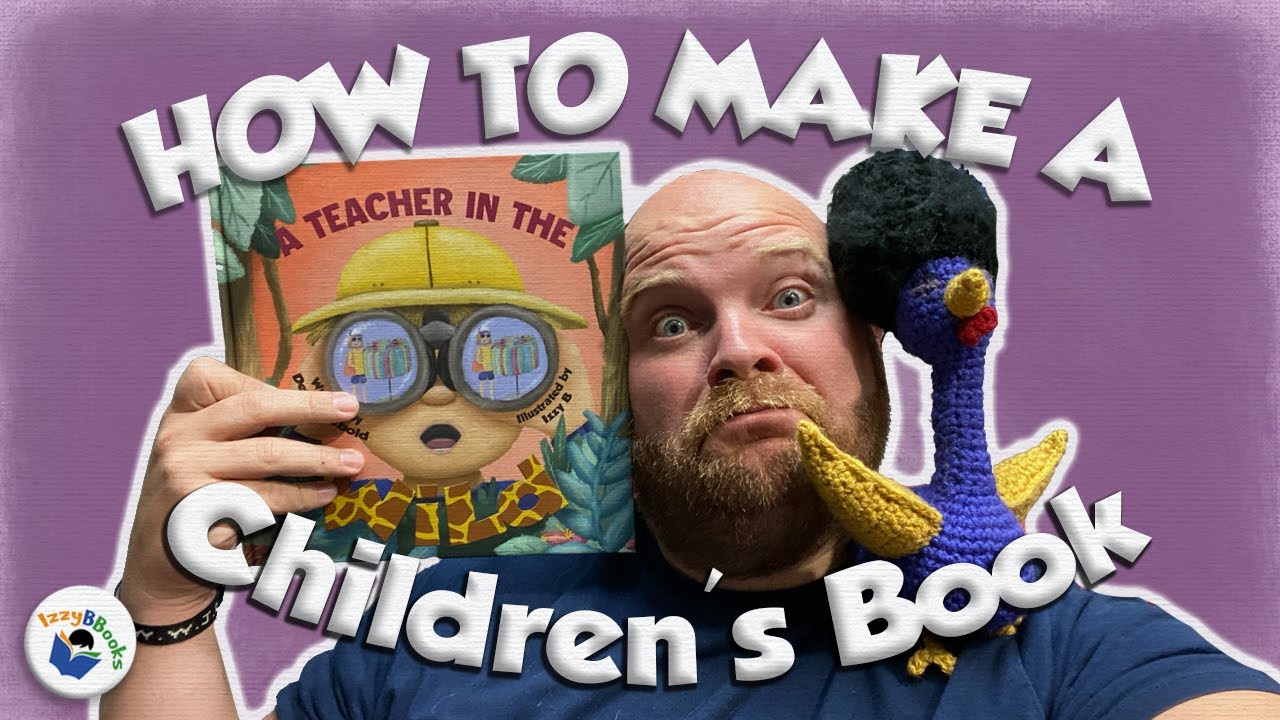
the only reason i know what a page turner is is because i worked with harpercollins publishing and they literally took time to make sure i knew how to have page turners in my story matter of fact i'm going to show you the book that i worked with with harper collins publishing and give you an exact example of what that looks like the book was called count spatula and we never actually made the book with harpercollins but this is an actual example of something we worked on if you look in the story right here it says
oh no the beast began to taste her face and olivia may dot dot dot that is a page turner what does it do it adds intrigue and it makes the reader want to turn the page you can even have page turners in your illustration i have a dog in mid-jump what's that dog gonna do the reader won't know they need to make sure they turn the page to find out a page-turner is a transition just like you'd have in a movie just like you'd have at the end of an episode of that show you've been
been binge watching staying up all night and then they get to the end and what happens you have to watch the next one to find out and now you're up even later that's a page turner i turn the page and it says olivia may giggled i made sure that the kid know there's a resolution but that is a page-turner it's what is in the book that makes you want to turn the page it's very important throw it in just go like one one and we move to two we move to three and move four and
i'm back to one that's how we are ready for our last big mistake but before i get to that make sure you like this video and subscribe to the channel because i'm gonna be making more and more videos like this for you i wanted to make videos that i wish i had when i first started out as an author six years ago and i can give you a whole wealth of knowledge that i've learned through the school of hard knocks along the way in these videos it's gonna be great so make sure that you subscribe
so you can keep up to date all right here it is this is the big mistake that i see in almost every single manuscript that someone sends me when i'm illustrating a book for them and this is it they forget the illustrator most authors forget that an illustrator's job is to visually tell the story as an illustrator myself i will read through a manuscript and i can't tell you how many times i take my red pin and i mark things that i will do as an illustrator as an author you need to think like an
illustrator sometimes it's okay to storyboard your book to actually put it into scenes and think how would i make this book visually how would i tell this story visually because a picture book is visual so when you are writing your book make sure that you don't include things that could be told by the illustrator it's all about keeping it simple but if you're describing her blue eyes and you're describing the nail polish color she has remember that's my job i can do that so keep it simple and also remember to include your illustrator it's also
great to include illustration marks in your manuscript too so that you can show that you know this that usually is how i can tell someone who's done their research and someone who's just starting out alright i hope these tips helped you but here's something i need from you if you have any questions at all and i mean any at all put them in the comments below if it's a question i can answer right now i will i guarantee that if it's a question that's a big question i may even make a video of it i
hope you enjoyed this video and i hope it helps you remember i'm going to be coming out with a lot more so stay tuned for more videos and tips from children's book author and illustrator izzy b that's pretty good i felt good energy energy energy you