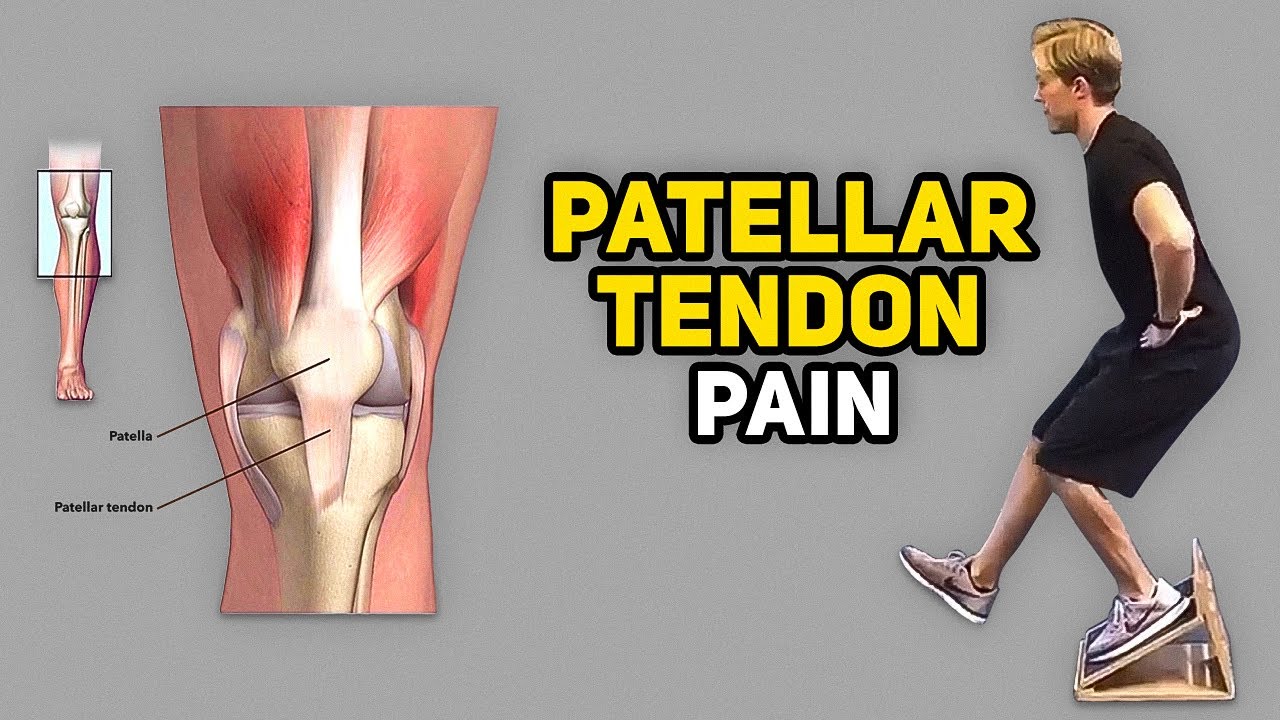
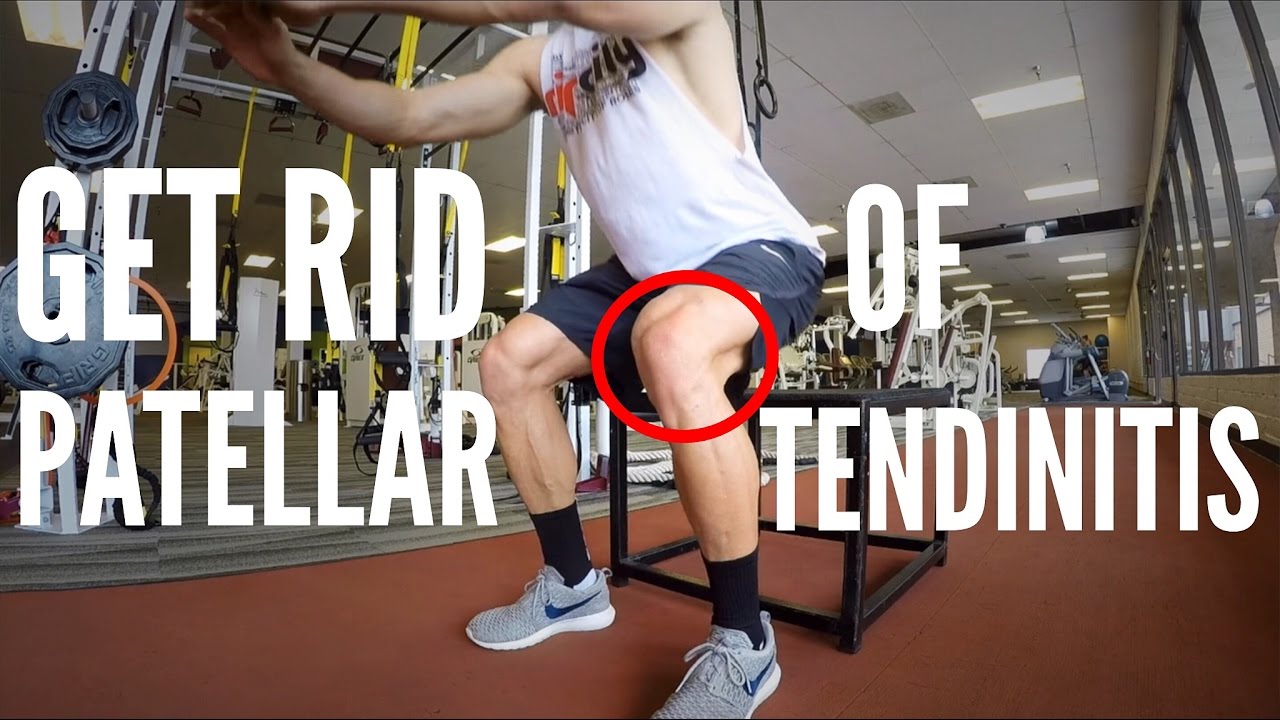
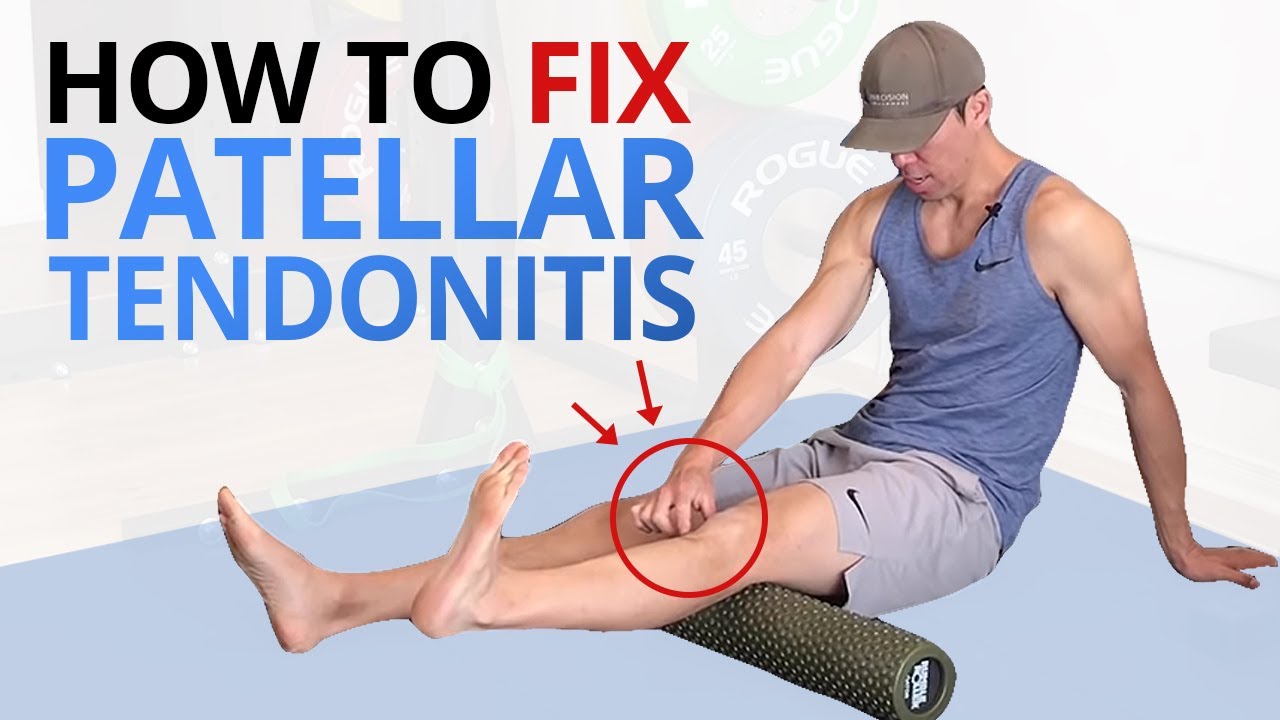
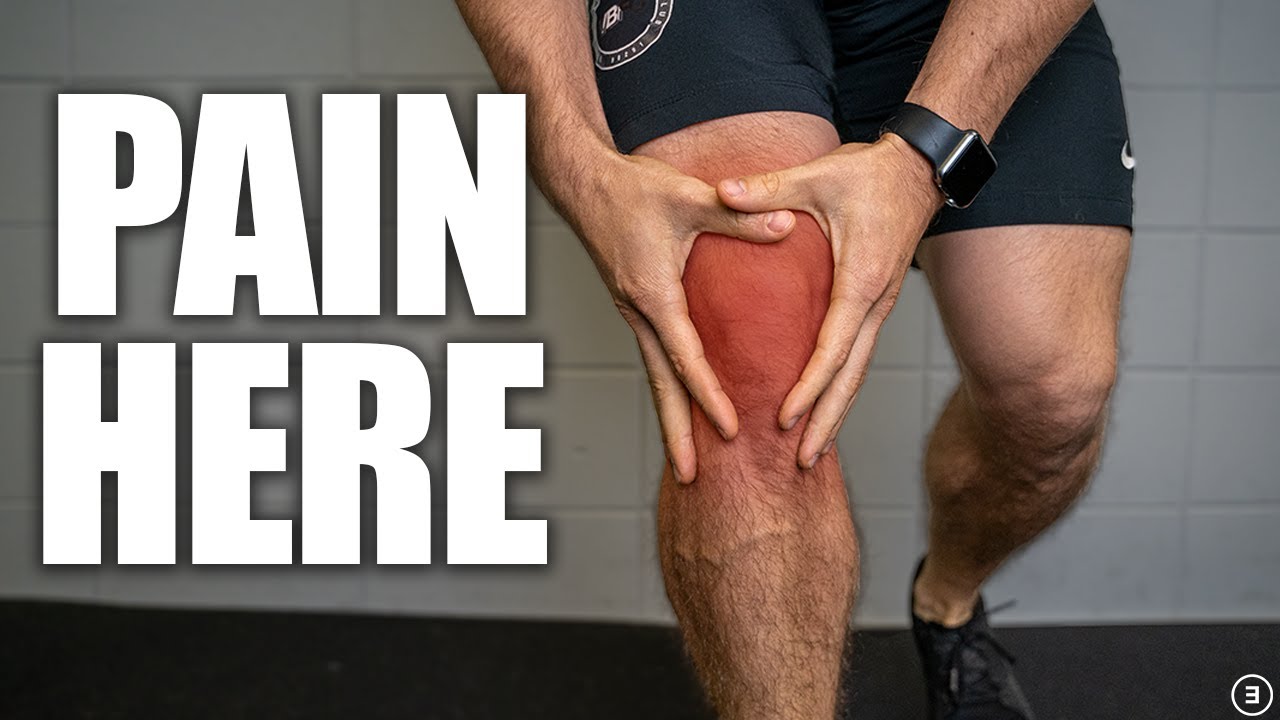
in this video we will show you a comprehensive rehab program for patellar tendinopathy also known as jumper's knee suggested by four of the world's leading tenant researchers enroll in our online course now link is in the video description hi and welcome back to physiotutors patellar tendinopathy is one of the most common sources of anterior knee pain and most prevalent in young jumping men paradoxically the athletes who can jump the highest and run the fastest are the ones who are at the highest risk to suffer from patellar tendinopathy according to cook kukadal in the year 1997
one-third of athletes suffering from it were unable to return to sport within six months and an astonishing 53 percent with patellar tendinopathy were even forced to retire from sport traditionally eccentric exercise has been recommended in the rehab of tendinopathies however a study by kongsgaardedau in the year 2009 found equal results in terms of disability and pain after 12 weeks when they compared a group performing an eccentric decline squad program to a heavy slow resistance program in patients with patellar tendinopathy interestingly only the heavy slow resistance group demonstrated pathology improvement and increased collagen turnover and more
importantly 70 percent of all participants of the group were satisfied with their program at six months compared to 22 percent in the eccentric group those findings are confirmed by a review from malieres at all from the year 2013 who found that heavy slow loading for the patellar tendon had an equivalent or higher level of evidence than isolated eccentric loading so how could such a heavy slow resistance program look like tendinopathy top researchers peter mallieres jill cook craig purdham and ebony rio proposed the following evidence-based four-stage rehabilitation protocol in their paper from 2013. first of all
loading modification of high load energy storage activities that aggravate the pain should be used in case of athletes in mid-season volume and frequency of those activities should be reduced in consultation with the athlete and coach some pain was deemed acceptable during and after the exercises but symptoms should have settled within 24 hours post in their paper malleeras used one repetition of single leg decline squat to 90 degrees of knee flexion or maximum angle allowed by pain as a pain provocation test to determine low tolerance on a daily basis if the pain score on a load
test has returned to baseline within 24 hours of the activity or rehabilitation session the load has been tolerated if the pain is worse low tolerance has been exceeded let's have a closer look at each rehabilitation stage [Music] stage one exercises can be continued on stage two of days to manage pain within the limits of muscle fatigue and soreness associated with the isotonic loading be aware that the exercises we've shown are mainly targeted at the quadriceps and patellar tendon other common deficits in strength such as gluteal maximus and calf weakness should be addressed in parallel from
day one [Music] so [Music] stage 2 exercises should be maintained at least twice per week even after athletes have returned to sport reintroduction of energy storage loads on the myotendinous unit is critical to increase load tolerance of the tendon and improve power as a progression to return to sport remember that slow and heavy loads are easy for a tendon while high loads are placed on a tendon when it has to exert its spring-like function such as in a vertical jump [Music] so [Music] at last stage 4 marks the graded return to sport which can be
started as soon as the patient is low tolerant to energy storage exercise progressions that replicate the demands of his or her sport in regards to volume and intensity of relevant energy storage functions return to competition is allowed as soon as the patient is low tolerant to full training the authors recommend to make sure that any power deficits are resolved which can be tested with a triple hop test for distance or maximum vertical hop height test you can find a video on the triple hop test for distance by a click on the info button in the
top right corner be aware that the whole rehab process can be slow and sometimes take more than six months a study from bar and colleagues in the year 2014 found that only 46 percent of athletes with patellar tendinopathy were able to return to full training and were pain-free after an eccentric training program for 12 months all right i very much hope you enjoyed this rehab video if you did please help us out by liking and subscribing to our channel and drop us a comment if you still have any questions check out our upcoming online course
on muscle and tendon rehab by anna king for more in-depth info on rehab on our webpage study.physiotutors.com as always thanks a lot for watching and i'll see you in another video bye








![How to Fix Knee Pain [Is It Patellar Tendonitis?]](https://img.youtube.com/vi/w5fXd5FCS_0/maxresdefault.jpg)