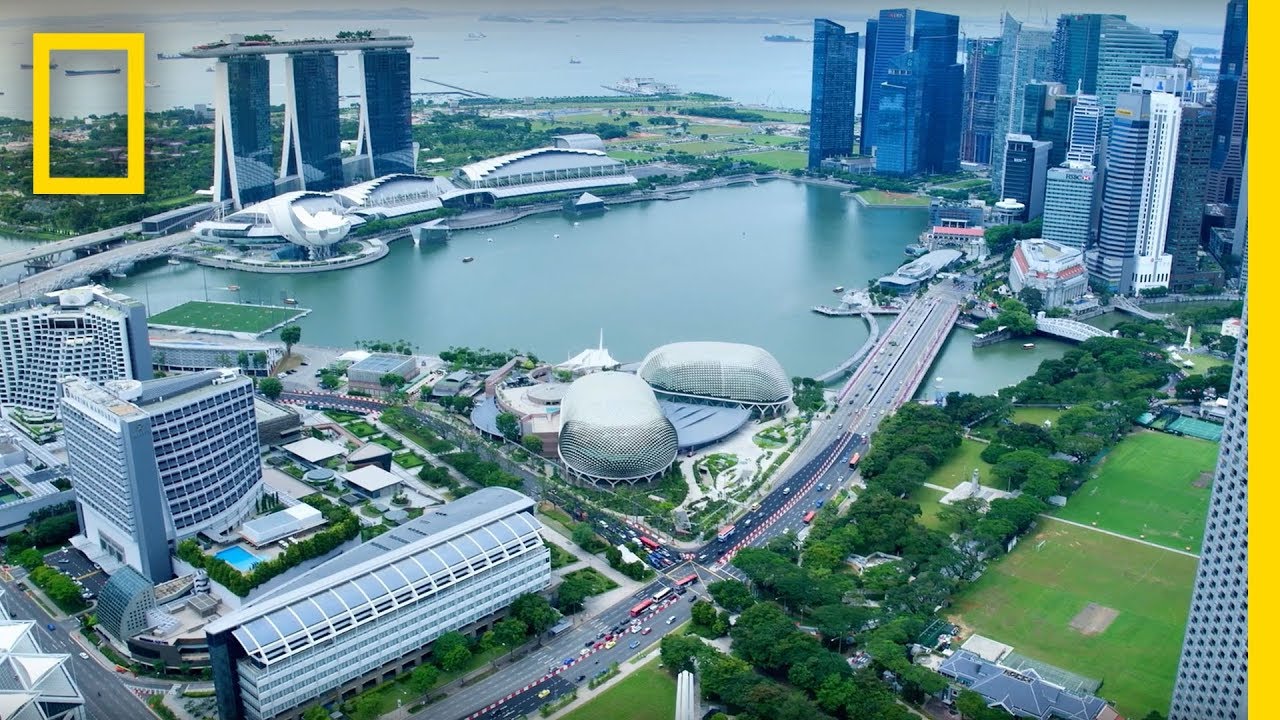
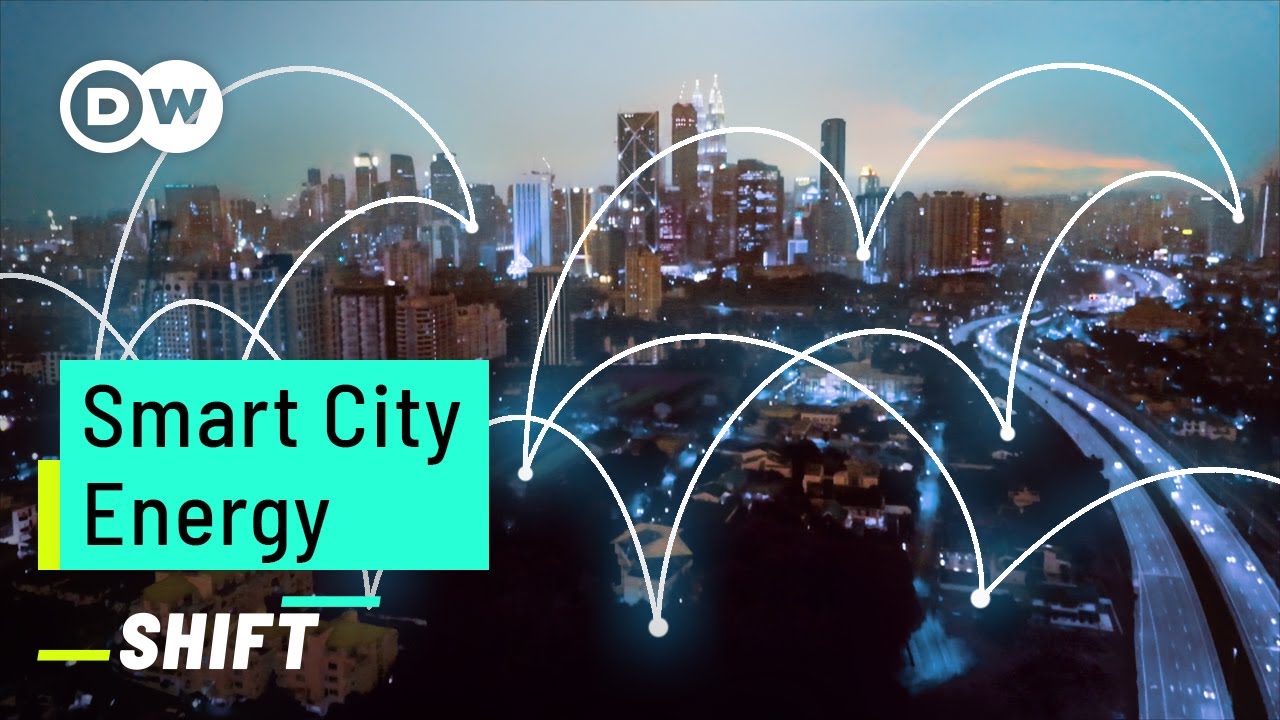
the city of the future is smart it's entirely interconnected will regulate traffic save energy fight crime assisted by big data and the Internet of Things brave new world or rather a surveillance nightmare what can smart cities look like and to be really want to live there our topic today on shift more than half of the world's population lives in cities and this number is steadily rising resulting in enormous challenges more people more traffic more pollution more energy consumption more water usage more waste smart cities are supposed to help cope with these problems projects are popping
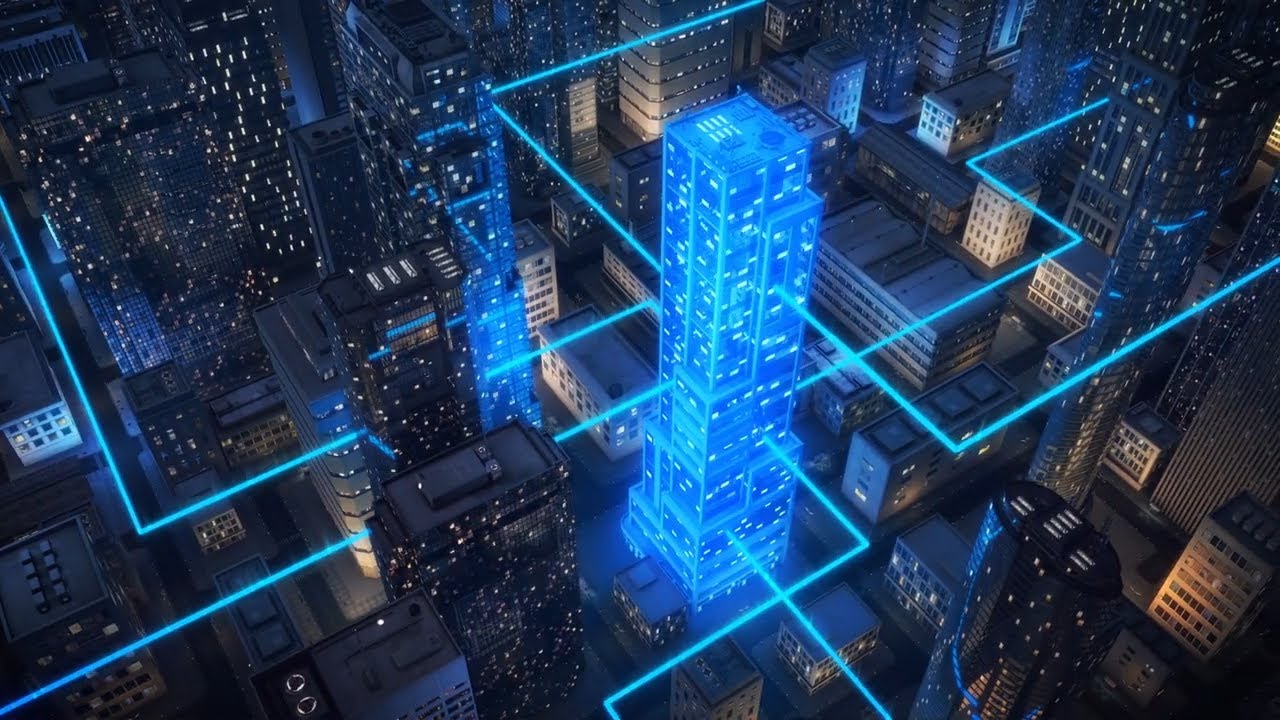
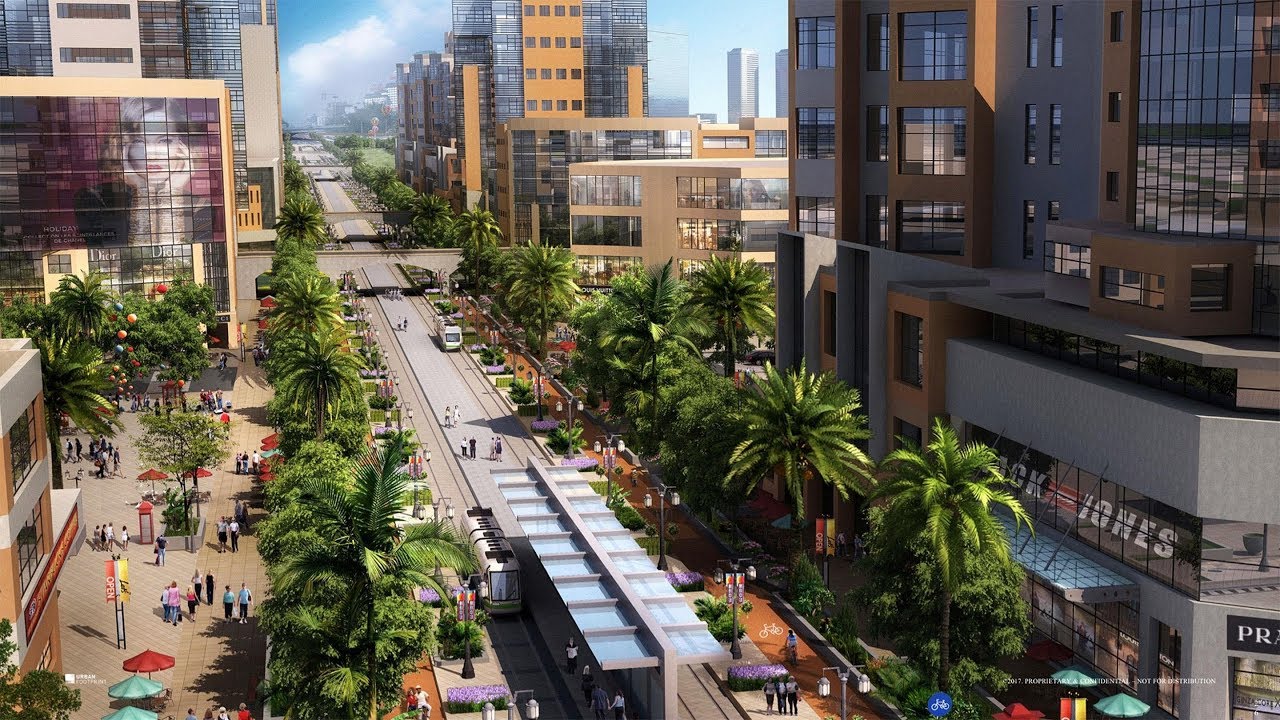
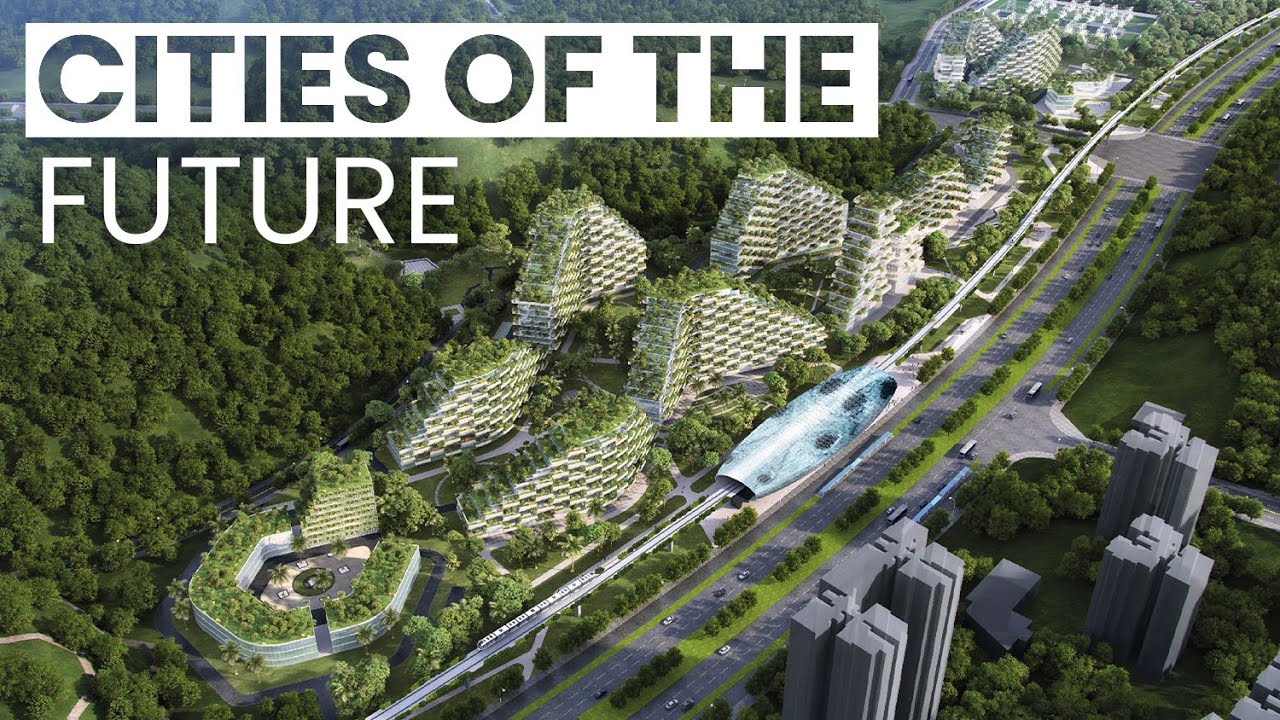
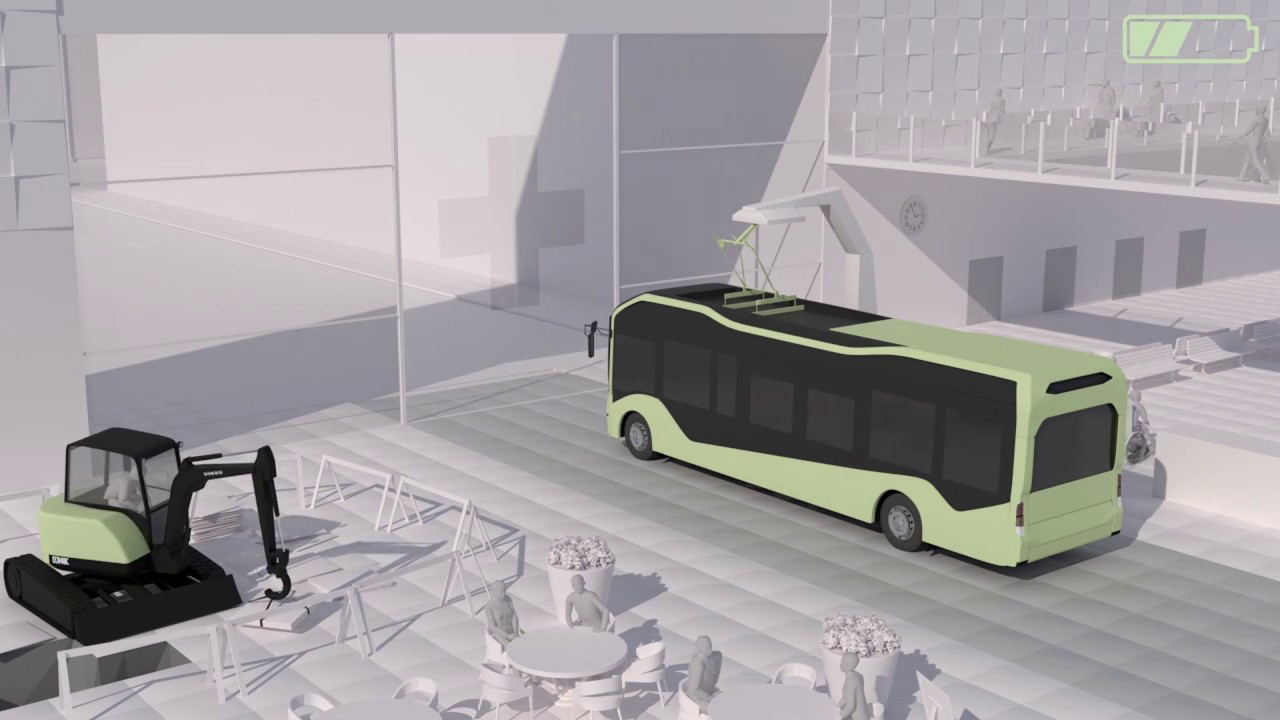
up everywhere for instance in Nigeria South Korea India or Malaysia a livable city that can think for itself how does this work like this for example visions of the future this is a smart city as imagined by tech companies and urban planners regular streetlights are replaced by smart poles which connect to other Internet of Things devices and provide broadband thanks to driverless cars accidents hardly ever happen and drones and robots deliver goods even coffee in this future city salad grows underground at the urban farm augmented and virtual reality make processes more efficient one example is
that firefighters on duty can be assisted by the control center and tech helps to find and correct system errors to prevent damage before it happens sounds fantastic but in order for these ideas to become reality technical preconditions are essential a central role Falls to the new mobile communication standard 5g it's the engine for the Internet of Things and enables interconnected infrastructures on a grand scale an expert on smart cities is yonas boom he's a researcher at the institute for technology management at the University of st. Gallen and has published a book with guidelines for cities
that want to become smart we wanted to know how do I make a city smart and why we want to improve people's lives that's how I would summarize the goal of a smart city in order to do this it's important for citizens to be able to properly explain what kind of city they'd like to live in that's the starting point and we can begin designing a smart city based on those demands imagine you're the mayor of a city and want to turn it into a smart city you'd have to consider the following [Music] first you
need to make your city interconnected by adding sensors that collect data for instance two cars or streetlights to be able to regulate traffic or two measuring stations stationed throughout the town that measure pollution levels the smart city is usually a combination of the different urban systems that we have for the most part that means Mobility Systems housing systems administrative systems energy systems education systems and so on anything affecting citizens in their everyday lives can be assigned a digital Shadow divita and Shotton for the environment but simply collecting data is insufficient big data is no end
in itself data needs to be prepared and analyzed based on this small solutions for your city can be found streetlights that only illuminate once someone is close or automatic driving restrictions when the air is heavily polluted anything is possible in your interconnected smart city to build a smart city one must do three things connect devices collect data and assess this data to find solution for the citizens but how do I benefit from the smart city here are some answers in Santander Spain the city saves taxes by using resources more efficiently with the help of sensors
public spaces are only irrigated when they're too dry garbage bins are only emptied once they're full in Helsinki garbage trucks have become obsolete waste is transferred to underground collection points without noise or pollution in Rio de Janeiro a smartphone app is enabling residents to shape their surroundings the app smart favela creates a three-dimensional avatar of the shanty towns when city planners come up with new ideas these can be looked at on the app and then citizens can vote on them in Palo Alto in the US parking lots now have sensors these notify citizens whenever a
parking space is free the city's traffic is constantly recorded smart robo cops are supposed to make Dubai safer the police robots are equipped with cameras and can find persons through facial recognition tech reports can be filed on a touchpad in Rehoboth Ukraine citizens can view the incomes of civil servants and check on how politicians have voted in the City Council city owned businesses lay bare their accounts using open data in the fight against corruption in Darmstadt Germany interconnected sensors assess the air quality and send this information to a data center which analyzes air pollution and
if necessary reports bad air quality in order for these systems to work vast amounts of data on all citizens are required but who ensures that the data is safe and who has access to it different solutions exist data is essential for a smart city it provides the basis for designing intelligent applications for the city but what about data protection to be clear in a smart city there is no protection from data being collected but on the other hand it's precisely this data that provides the basis for implementing and controlling the city system as a result
very careful and conscientious decisions need to be made regarding how the data is handled if the city controls data this can be advantageous when it comes to data protection but most cities lack the technical expertise to process and analyze the data for this reason many cities cooperate with big tech companies they have the capacity and the algorithms needed to work with data masses like Google sidewalk labs belongs to the alphabet' corporation it will construct an entire district of Toronto with the newest technology of course but the data sovereignty stays with corporations like alphabet which is
problematic as they use our data to make money an entire city state and naturally offers many opportunities so what to do experts argue for so-called data utilities these are publicly financed but independent organizations they manage process and control access to data anyone interested in developing smart city solutions could use them no matter if city owned business local startup or big tech company a promising approach I think everyone should be able to profit from farm data in data utilities personal data is anonymized as a citizen I cannot influence which data of mine is being used though
decode a project by the European Union goes even further it aims to empower individuals to control their data citizens themselves should decide whether personal information stays private or if it's being shared in order to make the city smarter pilot projects have been running in Amsterdam and Barcelona since 2018 we believe that data should be understood as a public infrastructure as a common good like water like electricity like transportation like the air we breathe they also believe that citizens can responsibly deal with their own data a desirable goal citizens should be in charge of their own
data once private corporations or governments control data in the smart City where do you draw the line when it comes to surveillance an example from Shenzhen China taxi headquarters in Shenzhen China the red cars are occupied the green cars are waiting for customers algorithms use ride histories to predict which areas are likely to have a lot of customers and when drivers can then directly head to these locations like mr. Chen his car is part of the network consisting of around 20,000 taxis in Shenzhen and it's equipped with an interior camera meaning the taxi headquarters can
watch him work and listen in on all conversations in the beginning I was uncomfortable as I didn't really know much about it and felt constantly observed but actually there's no reason for concern the cameras protect the customers and us drivers too and privacy is ensured as not everyone can view the videos according to the taxi headquarters all data is well protected and deleted after 72 hours they say the system is great for educating drivers and the footage can be used to settle conflicts or complaints the taxi provider also says customers complain less frequently and that
most like the cameras as do drivers who are now less worried about being threatened but the police also has access to the videos how freely will people really converse in the taxis another problem smart street lamps parking lot sensors or garbage bins are connected to the Internet and offer potential gateways for hackers theoretically one weak link is all it takes to shut down the city's central servers and cyber terrorists could go even further Estonia demonstrates how to protect oneself in terms of digital administration Estonia leads the way in Europe Estonians can vote online and almost
all public services are digitally accessible but this also increases vulnerability in 2007 Estonia was targeted by cyberattacks from a global network of connected BOTS or botnet both online banking and government websites were affected in response Estonia has implemented annual international training on fighting attacks from hackers they are organized by NATO's cyber defense hub and over 20 nations the military and tech companies take part questions not will we got to hit with the cyber cyber attack the question is when you will get hit with a cyber attack cybersecurity is not something you can do once because
the threat vector and threat landscape are changing everyday cybersecurity is also crucial for smart cities they are becoming a steadily increasing economic factor tech companies use smart cities around the world to test their future technologies the big question is does this benefit the citizens two points are of importance to me who controls the applications and who owns the data we need to find responsible solutions in the citizen's interest what's your opinion would you like to live this way how smart is your city join the discussion I'm looking forward to your feedback bye for now and
see you next time [Music]