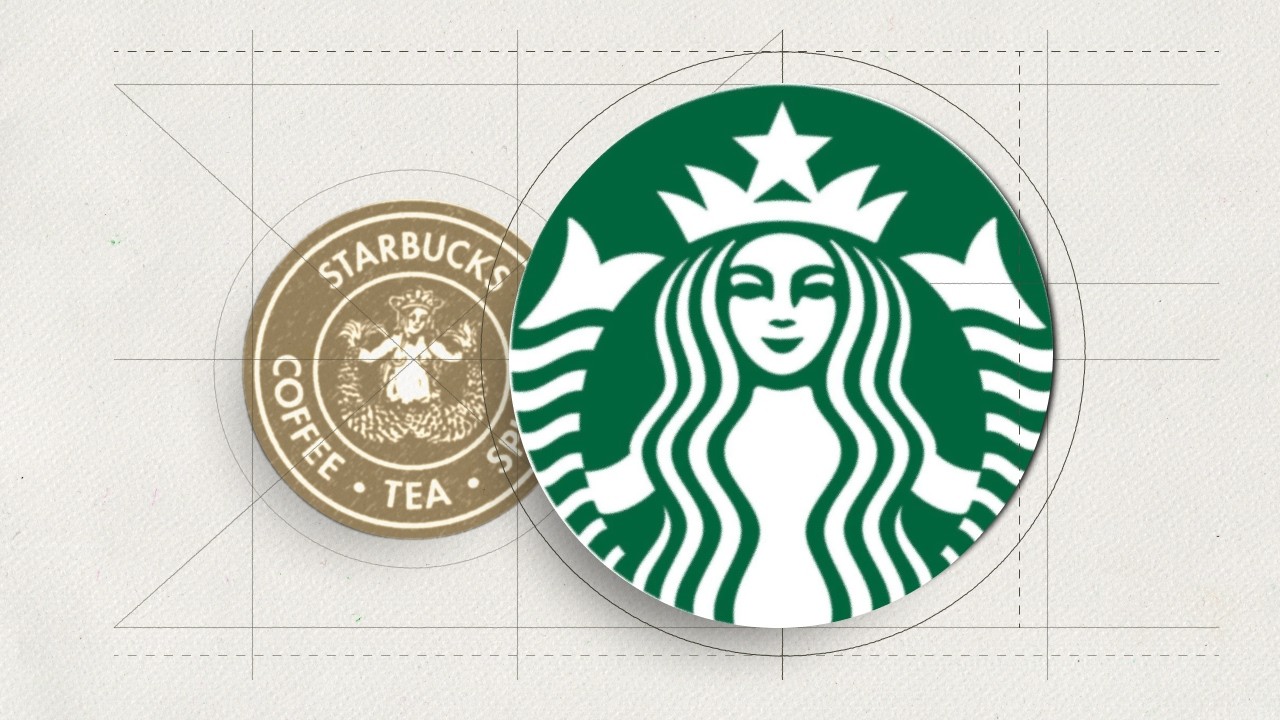
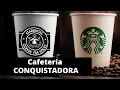
Can you imagine having a business where more than 70 million customers buy from you every week? It sounds like a dream that would take years of investment, strategy and effort, just as the company we are talking about today has done for 50 years. The most emblematic place of one of the most recognized coffee brands in the world is located at 1912 Pike Street, in downtown Seattle, in a room of 300 square meters.
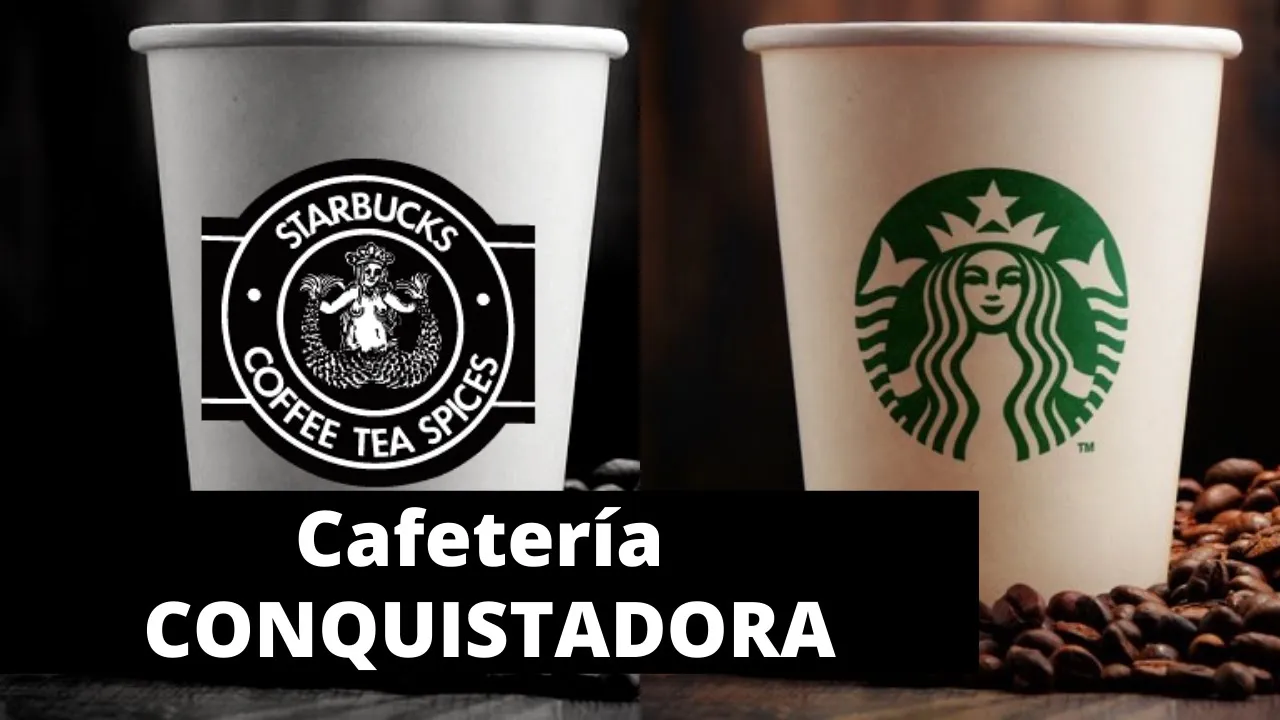
Starbucks boasts it as the first store, but it is not. The first one opened in 1971 a few meters away, although it was demolished a few years later, so it was moved to this space that has a plaque that refers to it as the first branch, which made it one of the main attractions of the city. This small place is full of boxes with the mermaid logo, however, it does not have chairs or tables, or food bar, but it does have a strong smell of coffee, in addition to preserving the essence of the place that gave rise to it.
to a brand that has more than 30,000 stores in 70 countries. Seattle is a city that can be defined in rain, grunge, and brown. Located in the northwestern United States, it shelters its inhabitants with cool temperatures and under a permanent gray sky and light drizzles.
It was also here that the musical legends of Nirvana and Pearl Jam emerged. His dozens of downtown cafes reveal his fondness for this bean, particularly on Pike Street. If you walk from its beginning to 10th avenue, you will find nine Starbucks and at least 10 local coffee shops.
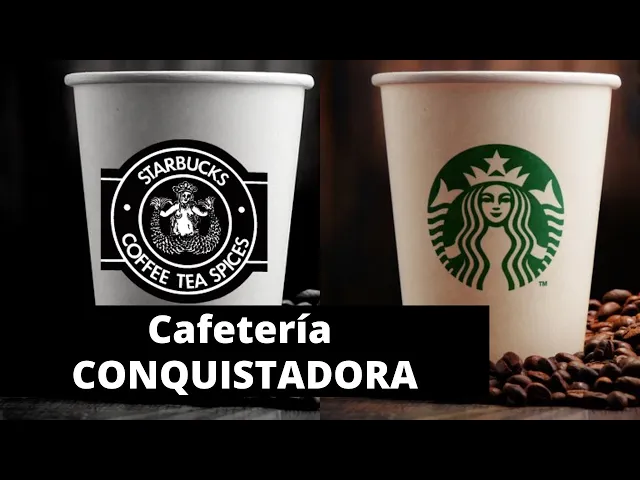
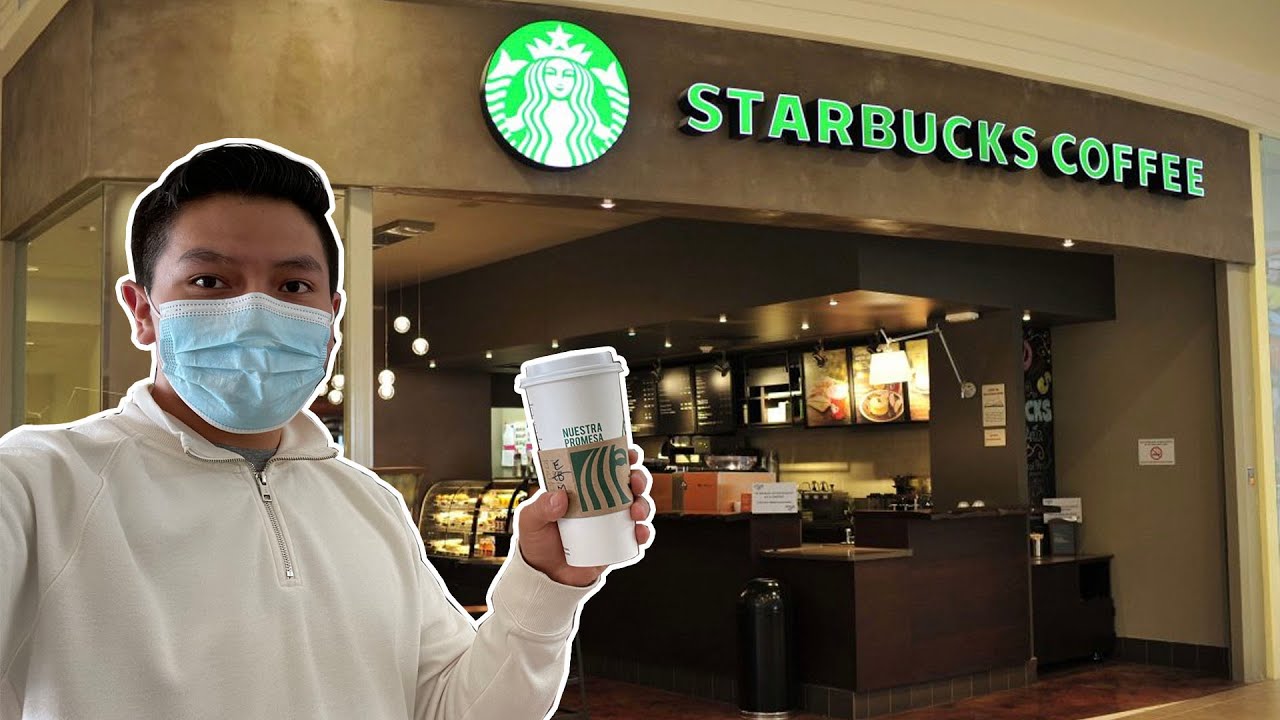
Pike begins just 100 meters from the port where the large vessels that enter through the Piuget Strait arrive and gives its name to the Pike Place Market, a market for seafood, foreign objects, and sales, known internationally. This is the context that surrounds the history of Starbucks, the company that I will talk about today, a business that started with a small store in 1971 and today is worth 131 billion dollars, in addition to being one of the brands fastest growing worldwide. Starbucks Corporation is an international chain of coffee shops founded in 1971 in the state of Washington, (United States).
Today it is the largest coffee marketing company in the world, with more than 30,000 locations in 70 countries. Starbucks sells brewed coffee , hot beverages, and other drinks, as well as sandwiches and some other products such as mugs, thermos, and coffee beans. Most of the people in the world every day get up to work looking to contribute to making the world a better place to live, and they won't let me lie that many of us as we seek to change the world, we are also looking for a good cup of coffee.
and share moments with our friends. This is the way the world was when the first Starbucks store opened in 1971, and it continues to be so today. The year 1971 brought various social and economic changes to the world thanks to the last years of the Vietnam War and the demonstrations of the nuclear power of the United States.
But not everything was tension, there was also hope with the birth of various businesses that would eventually become authentic international industries. One of those businesses was Starbucks, a small establishment that opened its doors in Seattle in 1971 thanks to the enthusiasm of its three partners: the English teacher Jerry Baldwin, the history teacher Zev Siegel, and the writer Gordon Bowker. Back then, the company was a single store in Pike Place Market, a historic Seattle market.
From its cramped location, Starbucks offered some of the best freshly roasted whole bean coffees in the world. The name, inspired by the novel Moby Dick, evoked the romance of the high seas and the maritime tradition of the early coffee merchants. Starbucks was an idea that was born thanks to the inspiration of its three founders by the coffee entrepreneur Alfred Peet, the same man who used Americans to consume coffee in a cup instead of a can.
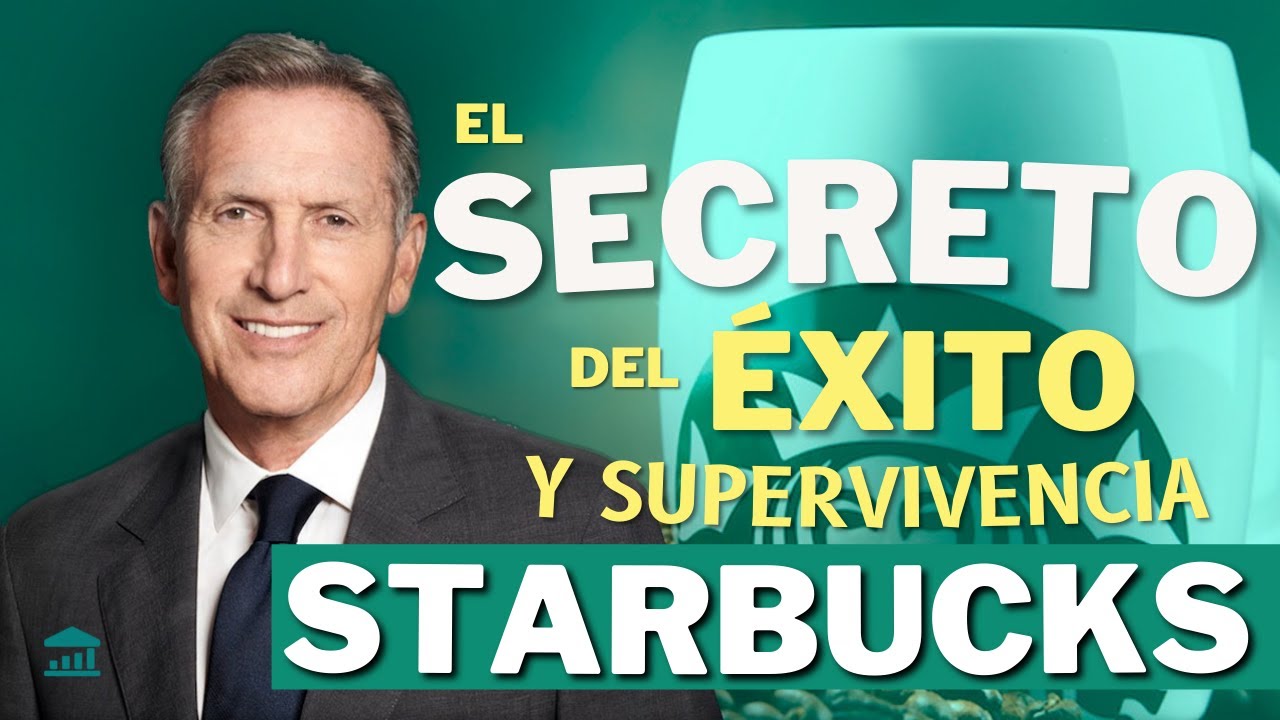
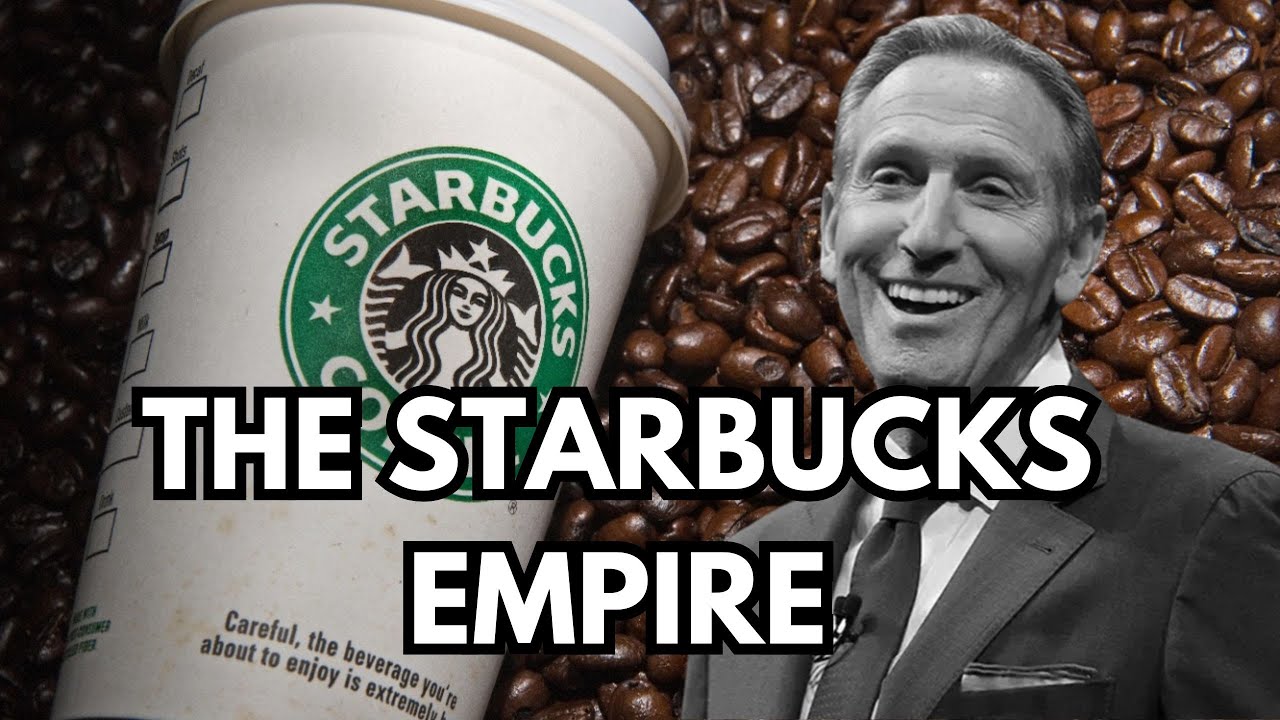
In fact, it was Alfred himself who taught Jerry, Zev, and Gordon his roasting style before opening their first Starbucks. The first years passed for Starbucks, a business that grew little by little until it had four stores. It would be 11 years later that in 1982 the company would have the incorporation of Howard Schultz, a man who came to change things.
In 1982, he first walked into a Starbucks store. Ever since he had his first cup of Sumatra, he was drawn to Starbucks and a year later he joined the company. Howard Schultz tells in his book The Starbucks Challenge, that, at first, the original owners of the cafeteria sought to create an experience for coffee connoisseurs and attract newbies by selling beans they collected from different places.
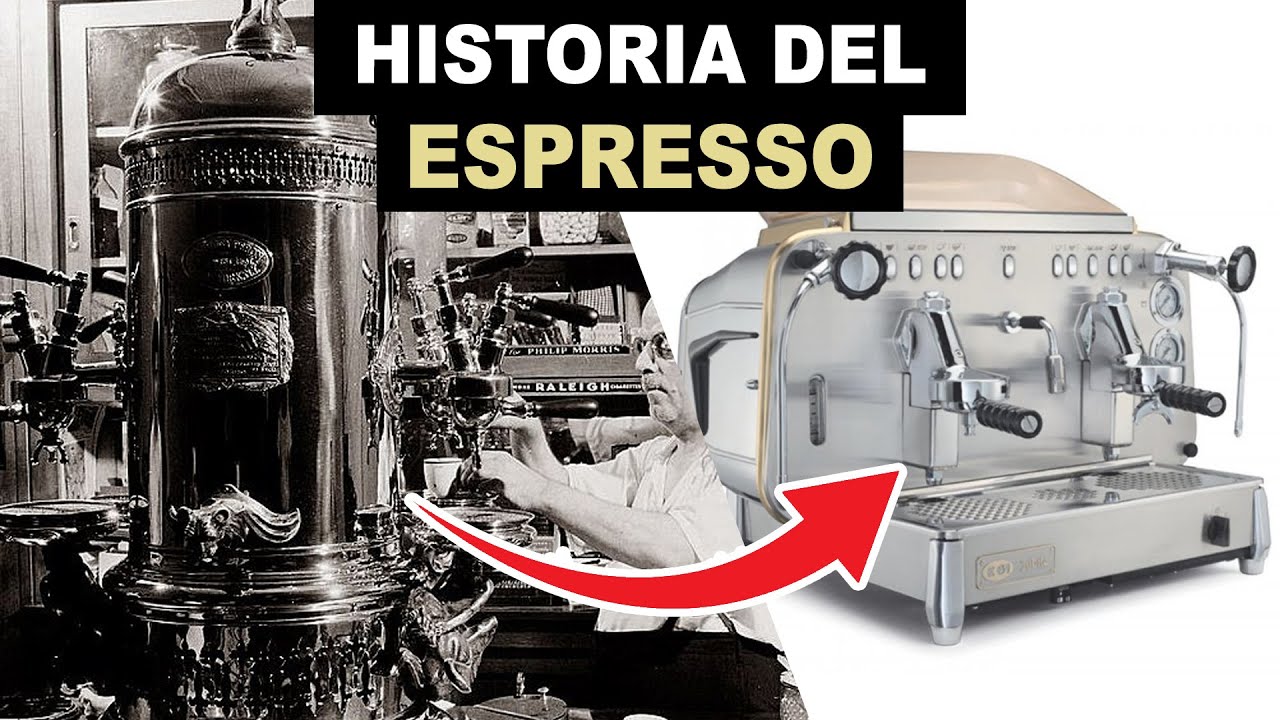
Vision that would change on one of Howard's trips. In 1983, Howard traveled to Italy and was captivated by Italian coffee shops and the romance of the coffee-drinking experience. He had a vision to bring the tradition of the Italian coffee shop to the United States.
A place to talk and feel part of the community. A third place, between work and home. "My conclusion was that we would not only serve coffees, but create an environment in which the intimacy of the relationship with space and the experience of coffee could come to life," Howard recounted in his autobiography.
Of course, at that time the idea seemed crazy because it was totally out of the ordinary in the United States. In fact, the initiative caused annoyance among the partners who firmly rejected the proposal. Most likely, more than one would have given up, however, Howard Schultz did not give up his vision and decided to quit Starbucks for a time to start his own Il Giornale coffee shops.
In just 5 years, in 1987 Howard's new business already had a small network of three establishments and it was then that he decided to risk his capital together with other investors to buy the business of his former bosses, a coffee shop called Starbucks. . And from this moment is when the true expansion of Starbucks really begins.
From the beginning, Starbucks set out to be a different company. A company where not only coffee and its rich tradition are honored, but also where a sense of connection is created . After Howard assumed full control of the company, Starbucks' growth was exponential.
By 1990 the business already had 84 stores and, in 1992, 165 establishments; that year also coincides with its incorporation into the stock market. Once the United States was conquered, the next step was to get out. That is how in 1996 the first Starbucks was opened in Tokyo.
Only two years later, the company decided to take the big step towards internationalization by acquiring the English chain Seattle Coffee Company, which at that time had 60 stores. Of course, it seemed that everything was a success for Starbucks, but as in everything there were also bad decisions. One of them was passing through China, the country where the brand opened its first franchise in 1999, in Beijing.
For the year 2000 Starbucks opened a new establishment, this time in the Forbidden City, a fact that provoked protests from institutions that did not consider it appropriate for an American "icon" to be in the middle of such a sacred place for Chinese culture. This caused the establishment to close, but far from endangering the brand, it was an apprenticeship that would serve for the expansion plan . A curious fact is that, after that incident, Starbucks today has 3,300 stores in China and an ambitious plan has already been announced to double the number of coffee shops to reach 6,000 stores in 2022, so the reality is that this situation made him take a step back to take two forward.
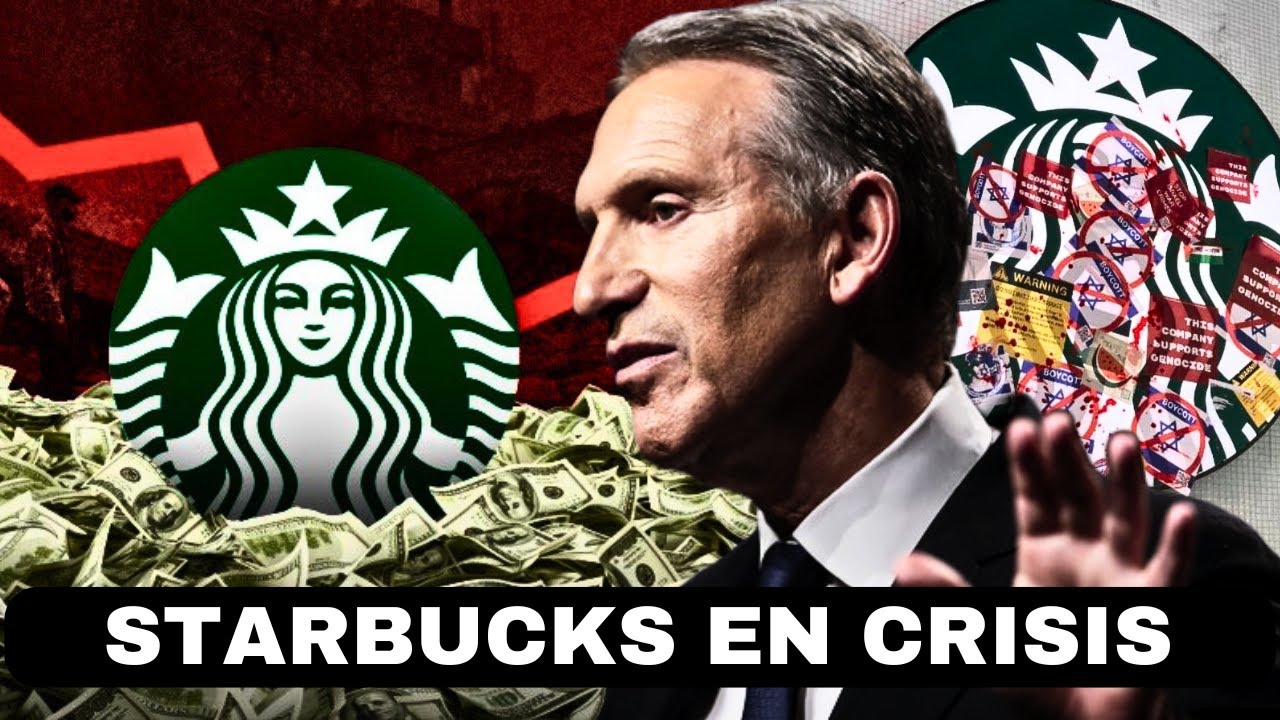
The year 2000 not only meant controversy in China for the American company , it also brought with it Howard Schultz's decision to step down as CEO. The businessman decided to step aside to dedicate more time to another of his passions: basketball. After spending seven years entertaining his NBA team, Seattle Supersonics, in 2007 Howard returns to Starbucks life thanks to a drastic decline in earnings.
Upset by the financial results, Howard then issued an internal statement to Starbucks CEO Jim Donald, warning him that "we have made some decisions that, in retrospect, have diluted the Starbucks experience and commoditized our brand. " The problem was that this internal statement ended up leaking to the press, a fact that accelerated the fall in the price of Starbucks shares . The fall in the company's profits would be made worse by the financial crisis of 2008 and a change in the taste of customers who were polarized between those who were looking for "fashionable" places and those who increasingly sought low prices .
It was at this point that McDonald's and Dunkin Coffee announced their entry into the coffee market . The falls in earnings, together with a more fierce competition made that same 2008 Howard assumed the position of CEO again admitting that the concept of "Starbucks experience" was being diluted and that there were too many stores open in the United States, so many that they were cannibalized . Those words led to the decision to close more than 7,100 Starbucks branches in the United States, a measure applied on February 26, 2008 provoking various labor protests.
Yet paradoxical as it may be, such drastic measures ushered in the reinvention of Starbucks and the reinvention of Schultz as the genius capable of bringing the company back to health. The CEO's position was quite clear based on four fronts: • Curbing growth in the United States. • Close underperforming stores.
• Renew the Starbucks experience. • Continue with global expansion. These decisions were applied together with a bit of austerity, measures that took effect until two years later when in 2010 the results began to arrive.
In his autobiography, Howard says that in 2010 the stores began to recover traffic and the chain was already announcing profits of 176. 9% in the first nine months of its fiscal year. From that moment on, all its numbers have risen until today, when the chain currently exceeds 30 thousand establishments in more than 70 countries.
The recovery of the numbers was accompanied by an intense advertising campaign, both inside and outside the company. In 2011 Schultz published the book entitled 'Onward: How Starbucks Fought for Its Life without Losing Its Soul, recounting precisely that, how Starbucks "fought for its life without losing its soul. A survival story, but also a statement of principles about a way of understanding leadership, management and the world of the company.
The emotional part begins as a communication strategy of the company that has accompanied him to this day. Commitment to fair trade, Environmental Mission statement , aid to social projects, one of the best companies in the world to work for, and, the latest, the launch of an Anti-prejudice Training Program to combat racism. These are some of the campaigns championed by Starbucks that have fostered its image as an honest and committed company in the face of society.
Regarding the treatment of their employees, they say that after the crisis an important educational campaign was carried out for the chain's employees to raise awareness about the treatment of customers and the essence of the company, but also to make them feel part of the project, as if it were a big family. In fact, many of the economic crises that Howard Schultz confesses to having suffered during his childhood, he wanted to spare his employees. The creator of the Starbucks concept mentions in his autobiography “When I was a kid, I also knew what it felt like to have no money.
My parents never had anything, nor did they have any savings ”. Since 1991, Starbucks has granted the possibility of acquiring shares to all employees, thus moving to the category of 'partners'. An exemplary way to create happy employees in your workplace.
“I never set out to build a global business. I set out to build the kind of company my father never had the opportunity to work for. One that treats all people with dignity ”The last great Starbucks concept was born in 2014, on the same street as the first Starbucks, but at number 1124, where it began another adventure inspired by its origin and with a view to improving its taste.
10 blocks from the 'first store', the company opened the first Starbucks Reserve, Roastery & Tasting Room, a space for coffee lovers to taste the beans that the brand has collected throughout the world. With the beans it collects, the company makes its experts more than 250,000 cups of coffee a year to choose what its new reserves will be. Some of them, you can only taste in this huge place.
If the first branch is characterized by its simplicity, this one will surprise us with its size and its huge toasters. Starbucks Reserve combines the original idea of the company, to satisfy coffee connoisseurs, with the experience of consuming the drink prepared on the spot. In this way, when consuming a product you can approach the baristas so that they can tell you the whole coffee process, from how it is grown, the country of origin of the bean, and the techniques for straining, to the methods of caring for the environment.
. You will not find any store with these characteristics in another country. However, the company is currently preparing to open another reserve roaster in China, a country with which Seattle has close communication thanks to its ports and air connections.
Finally, after telling you the story of this impressive coffee shop, Arguably the six keys that paved the way for Starbucks success as a franchise are: • Product Personalization. • Expansion model inspired by another big one. • A premium approach.
• Offer your own experience. • Focus its operation on the customer. The truth is that you can learn a lot from the history of Starbucks, but also from its business model that at first seemed outdated, but with certain arrangements and decisions it became a model to be followed by thousands of companies and businesses in the world.
world. And that currently its model makes it one of the most valuable companies in the world and with the most loyal customers and employees that exist. His story can really teach us to create innovative ventures, which sometimes even arise from a simple cup of coffee.
I send you a big greeting investors, take care of yourselves, and see you soon.