hey there future Healthcare Legends today I'm going to walk you through responding to a patient in pain as part of your chccs 041 training we're going to meet Mr Jones who's having a rough time and learn how to help him out so let's get cracking first things first always make sure you're washing those hands or using hand sanitizer before you enter the room good hygiene is key now when you walk in remember to greet Mr Jones warmly something like good day Mr Jones how are you feeling today you'll notice Mr Jones is looking a bit
uncomfortable and might be grimacing this is your first clue that he's in pain it's crucial to pay attention to these non-verbal cues next up ask Mr Jones directly about his pain keep it simple and clear like Mr Jones can you tell me where you're feeling pain and how bad it is on a scale of 1 to 10 this helps to gauge the severity of his discomfort now let's talk about assessing the pain you'll want to determine the nature of Mr Jones's pain is it sharp dull throbbing or burning these details are important for making a
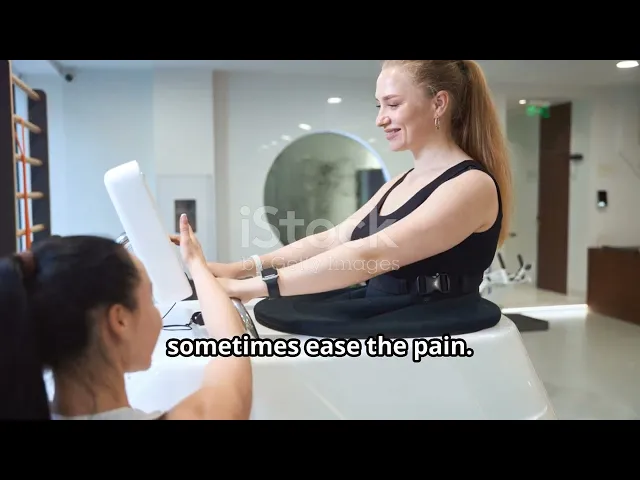
proper assessment once you have this info don't forget to check his medical history and any current medications sometimes pain can be a side effect of medication or a symptom of an underlying condition when responding to Mr Jones's pain you might need to adjust his position in bed ask him would you like me to help you sit up or find a more comfortable position being in a more comfortable position can sometimes ease the pain pain if repositioning doesn't help it might be time to consider other interventions this could include giving prescribed pain relief or using non-pharmacological
methods like a warm compress or some relaxation techniques remember communication is key keep Mr Jones informed about what you're doing and why this builds trust and makes him feel more at ease after any intervention reassess Mr Jones's pain ask him how's the pain now Mr Jones it's important to know if his pain has decreased stayed the same or worsened all right let's quickly recap always greet your patient and wash your hands first look for non-verbal cues and ask clear direct questions about their pain assess the Pain's nature and check their medical history try repositioning them
and consider other pain relief methods if needed finally reassess and keep communicating and there you have it responding to a patient in pain doesn't have to be daunting with these steps you'll be providing top-notch care in no time thanks for tuning in and happy learning catch you later