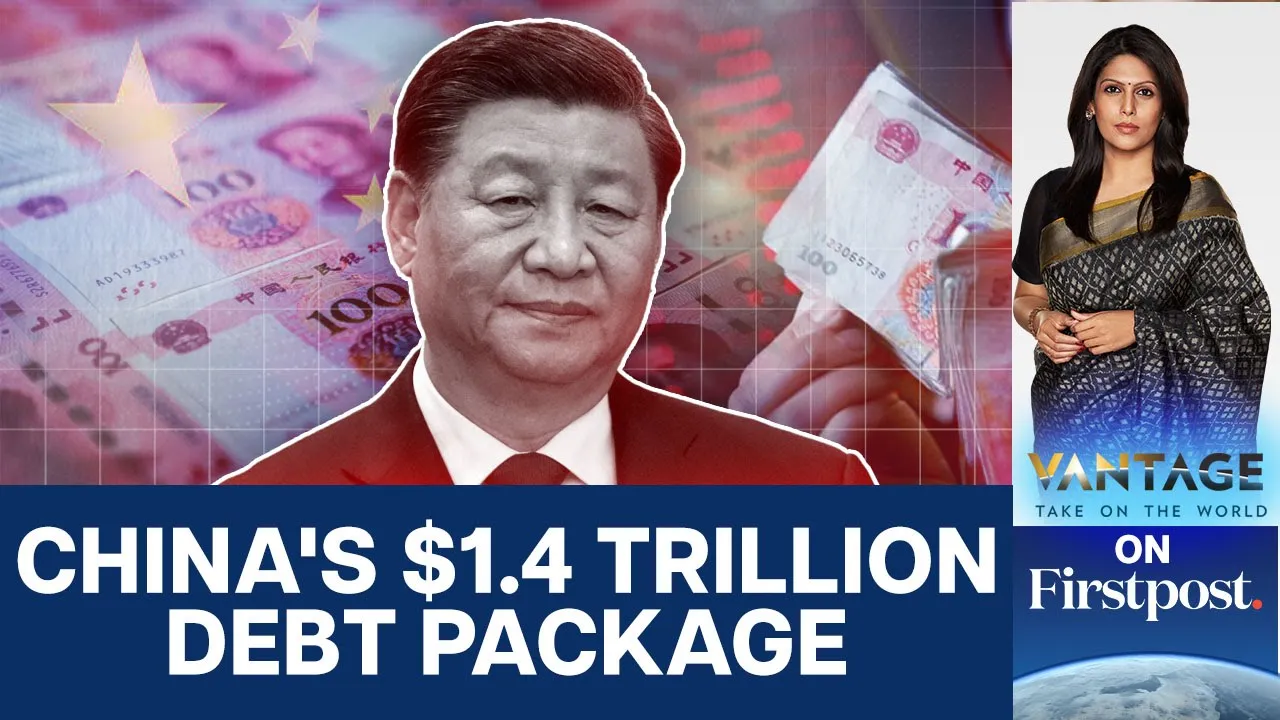
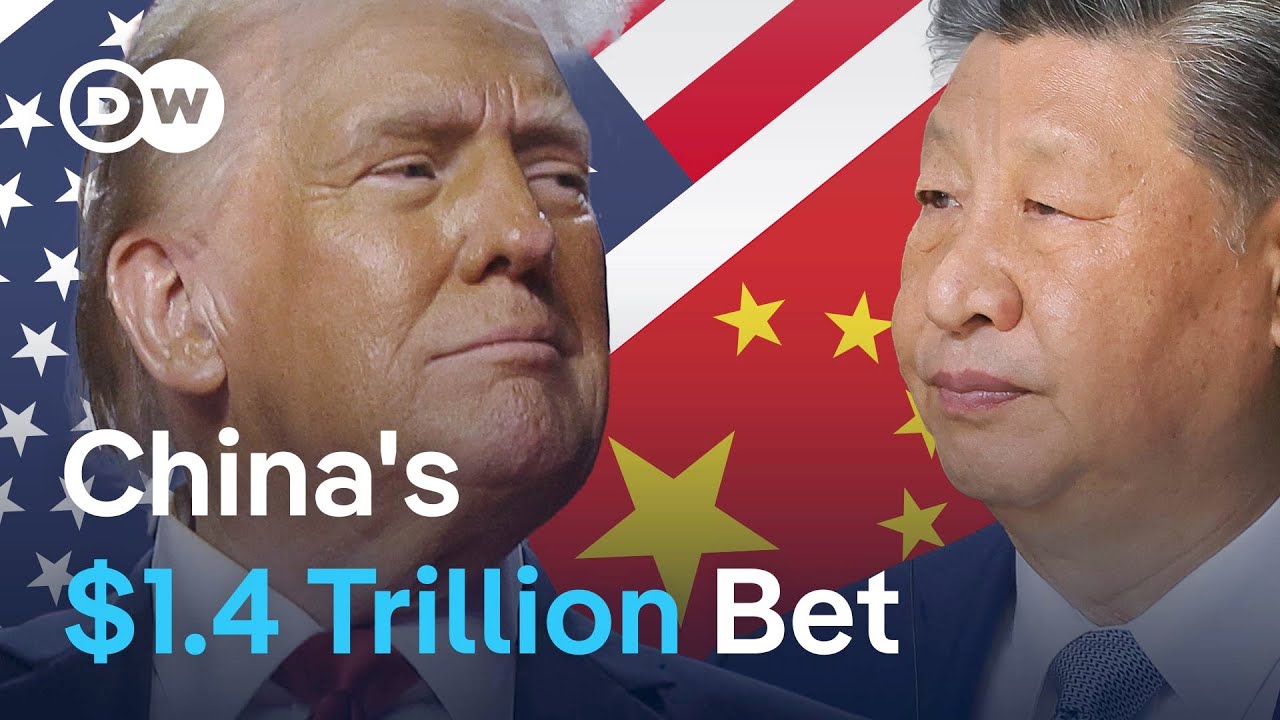
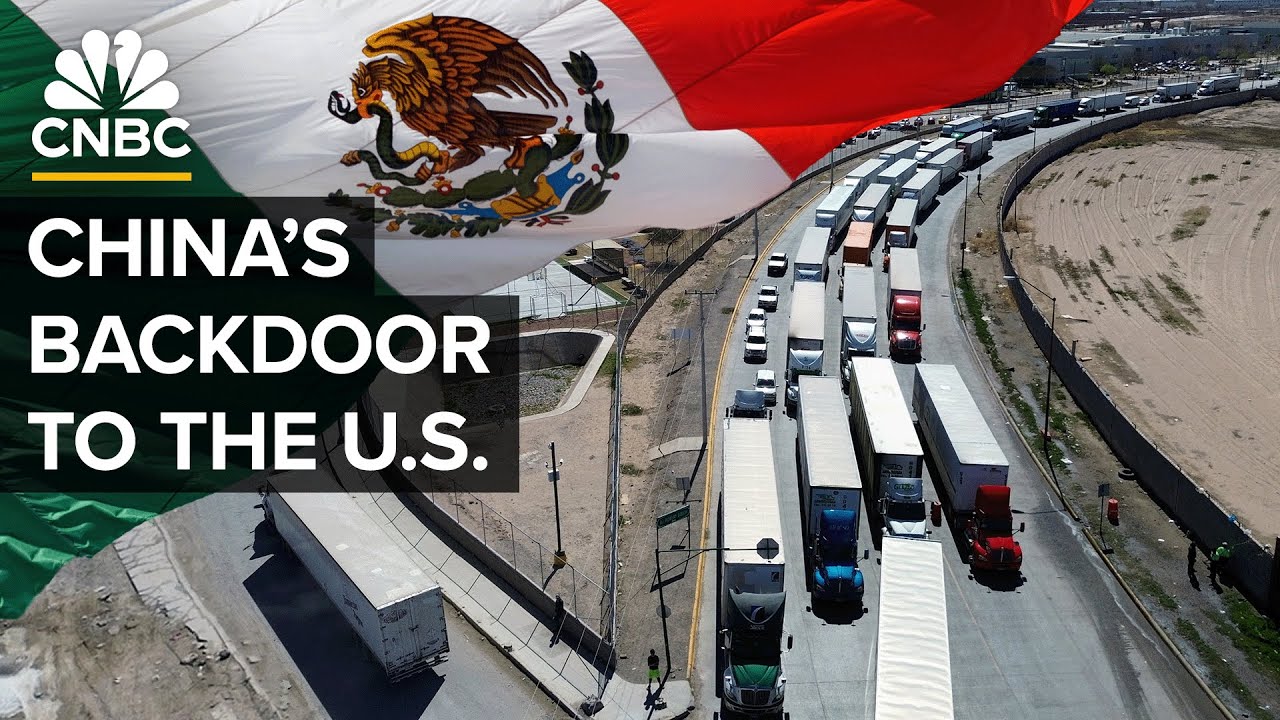
our next story is about China the country is gearing up to face economic headwinds growth is already slow China still hasn't completely recovered from the Wuhan virus pandemic and the subsequent collapse of their property sector but Beijing is expecting another blow soon in the form of a Donald Trump presidency in the US Trump has vowed to put tariffs on Chinese Goods that's basically a tax on Chinese Imports and these tariffs he says could go up to 60% as high as 60% meaning Chinese Goods will become very expensive for Americans and so their demand will go down so China's export sector is bracing for a major hit as you can see there's chaos all around but the Chinese markets were still hopeful they expected the government to do something about all of this they were eagerly awaiting a new stimulus package it came last Friday and all their hopes were dashed because instead of a big injection into the economy what they got was a debt swap plan this 6 trillion Yuan debt ceiling will be arranged over 3 years 2 trillion Yuan per year from 2024 to 2026 to support local governments in replacing all kinds of hidden debt starting from 2024 800 billion yuan will be arranged from new local government special bonds every year for five consecutive years to supplement government financial resources specifically for debt repayment and a total of 4 trillion Yuan of hidden debt can be replaced local governments in China will be allowed to take new loans now that's what the plan is these are your city and state level governments their debt ceiling will be raised by 6 trillion Yuan so they will get 4 trillion through special bonds that comes to a total of 10 trillion Yuan which is equal to 1. 4 trillion us that that is beijing's grand plan for the economy allowing local governments to take more loans to borrow more money sounds rather underwhelming and that's exactly what the markets felt Asian stocks fell today because of China's underwhelming stimulus package Hong Kong's hangsang index closed almost 1 and a half% down clearly beijing's new package has not inspired confidence but they insist that it is a good move they say it's a long-term plan to fix the fundamentals by 2028 the total amount of hidden debt of local governments will be significantly decreased from 14. 3 trillion Yuan to 2.
3 trillion Yuan the average annual reduction will be lowered from 2. 86 trillion Yuan to 460 billion yuan less than one6 of the original amount now one of the major challenges that China faces is local government debt the so-called hidden debt local governments in China are are heavily in debt it's unsustainable and this debt has been accumulated over the years but this debt is also kept off the books which is why it is called hidden debt it is off the books it is built through opaque financial instruments something called local government financing vehicles or lgfvs local government financing Vehicles now this debt has been kept off the government balance sheets it's not publicly known but these local governments still have to pay heavy interest rates on it and where do they get this money to pay the interest by diverting money the money taken on loan is not spent on infrastructure as it as it is meant to be governments cut the salaries of civil servants they delay payments to contractors and they do all of this to service this hidden debt China is worried that this could lead to deflation and prolong the current situation the current slowdown so Beijing has granted local governments a Lifeline with this new debt package now the local governments can swap their hidden debt for the normal kind they'll get the normal debt with lower interest rates that's the debt package in a nutshell and China insists that this is a great move but here's the problem with that Beijing says its hidden debt comes up to about 14 trillion U but the international monetary fund puts it at 60 trillion 14 to 60 look at the Gap it sounds like Beijing is trying to downplay the problem and even if we assume that China's figures are not fudged which is a big assumption the relief amount is still not enough $1.



![Chris Langan - The Interview THEY Didn't Want You To See - CTMU [Full Version; Timestamps]](https://img.youtube.com/vi/9miVG2xT5jY/maxresdefault.jpg)