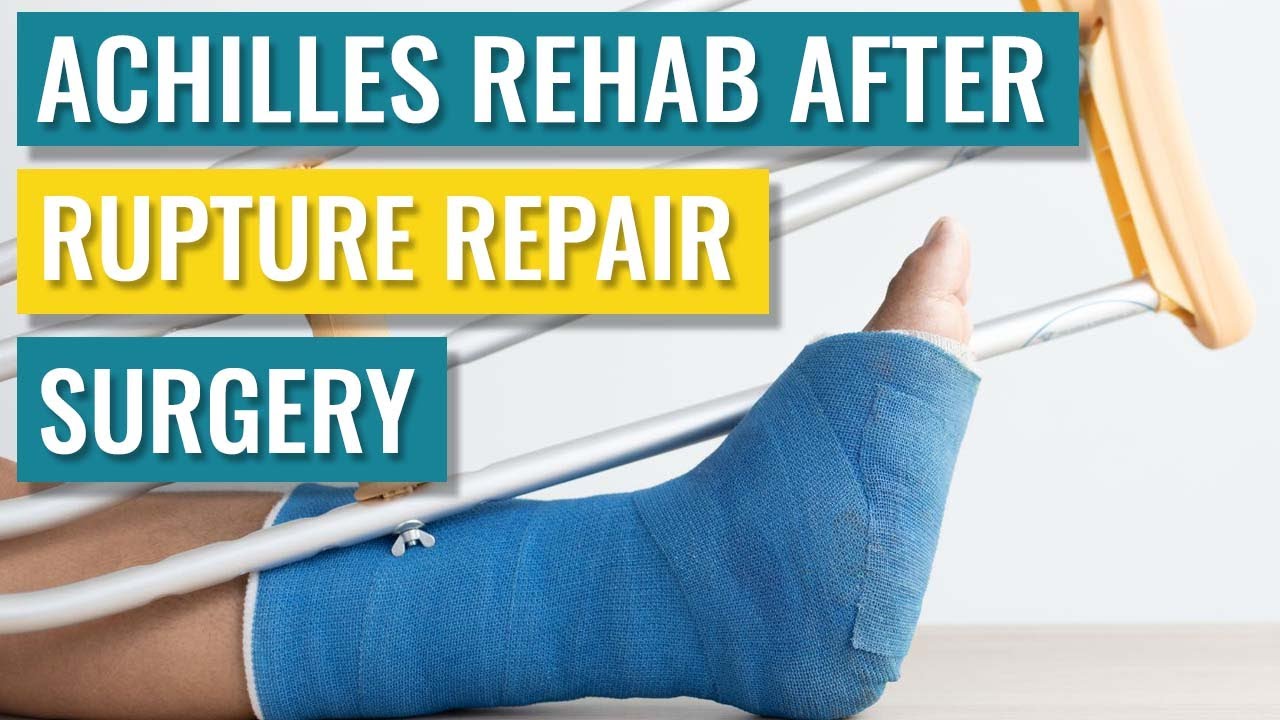
In this video we are going to show you a couple of ideas for early rehab after Achilles tendon rupture repair. Get our very own Assessment E-Book and mobile app! Links are in the video description.
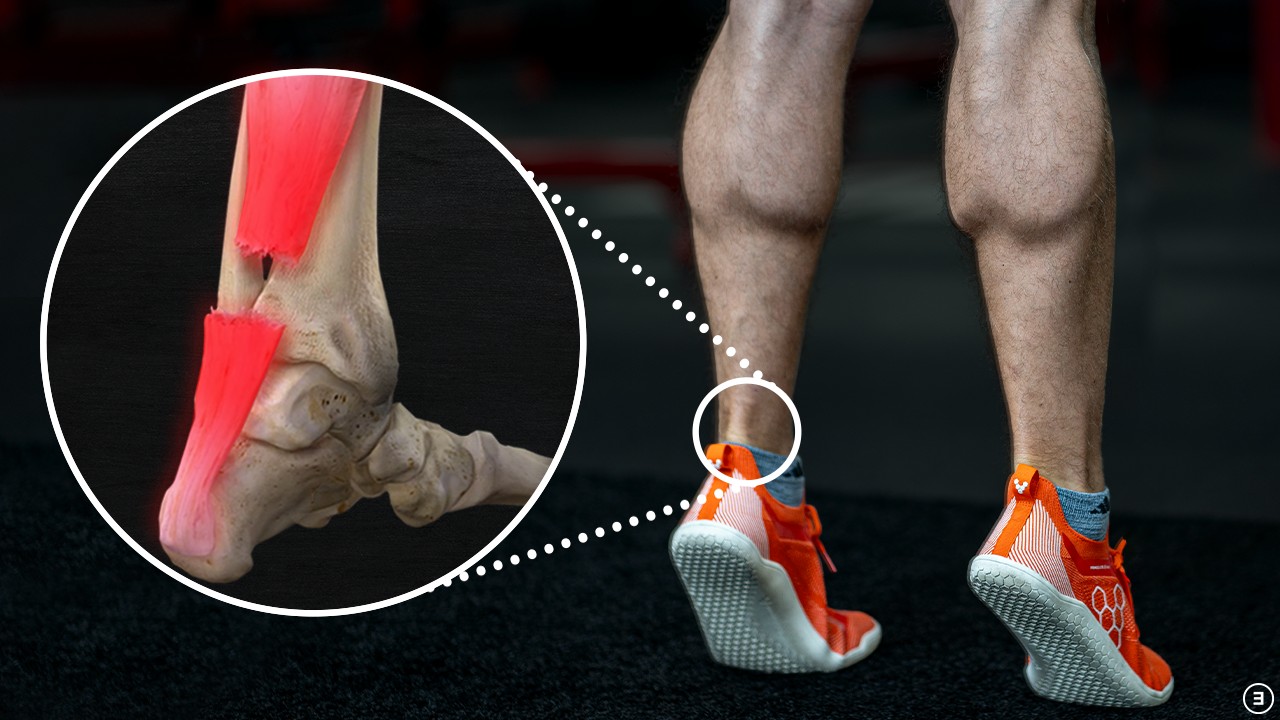
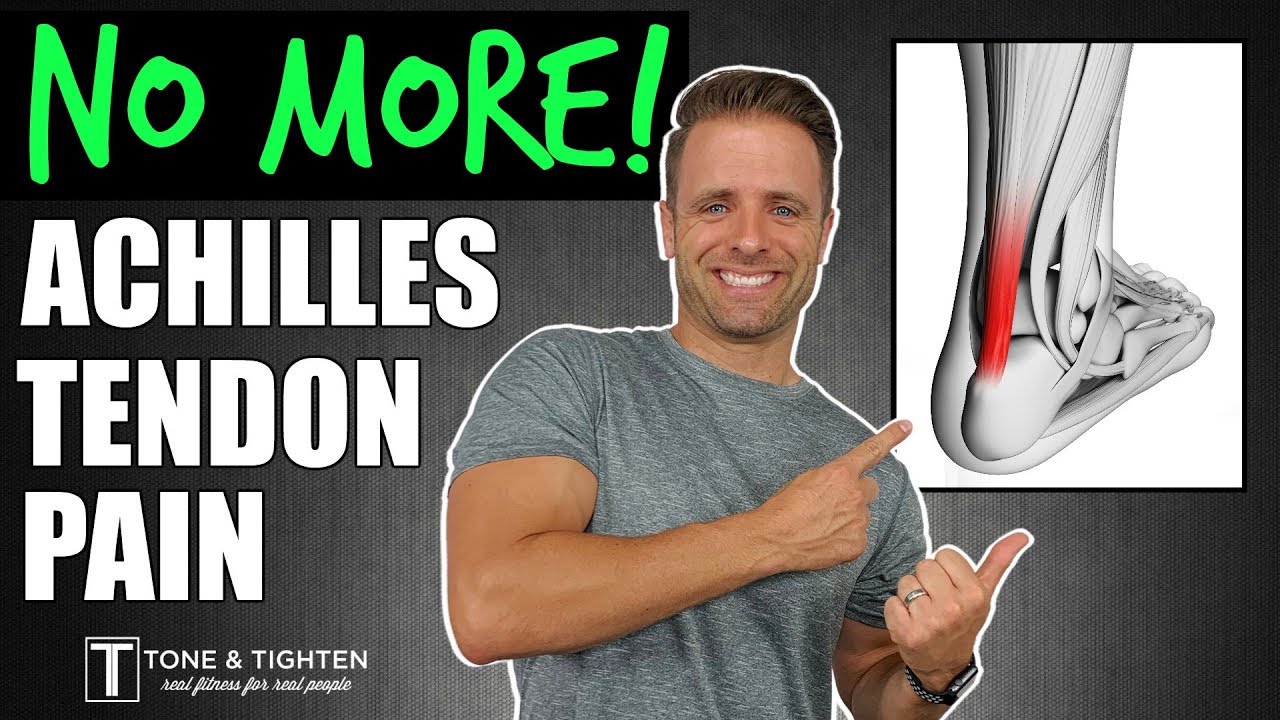
Hi and welcome back to Physiotutors, the Achilles tendon being the biggest and strongest tendon in the human body is formed by the tendons of the soleus and gastrocnemius muscles which both insert at the calcaneus. We mostly see ruptures of the Achilles tendon in high impact sports predominantly in the male athlete While a scientific review from the year 2017 showed no significant differences in the outcomes of surgical and conservative management the re-rupture rate of conservatively managed tendons was higher and conservative management might not be suitable for every injury depending on its severity. However, there is a clear benefit of an accelerated rehab program including early mobilization versus immobilization as has been researched by Brumann and colleagues in 2014.
In the 1st phase post surgery, usually lasting about two weeks, the goal should be to properly educate the patient on the expected course. Make sure that the wound heals properly and swelling is under control The patient will likely wear a walker boot with 30° of plantar flexion, but should be able to walk with full weight-bearing. Your aim is going to be to strengthen the surrounding muscles.
So let's look at what this could look like. Asking the patient to move the toes into extension and flexion can be a great way to engage ankle and foot motion early on. A simple straight leg raise in supine lying position even with the Walker boot still on or with additional ankle weights can be performed by the patient.
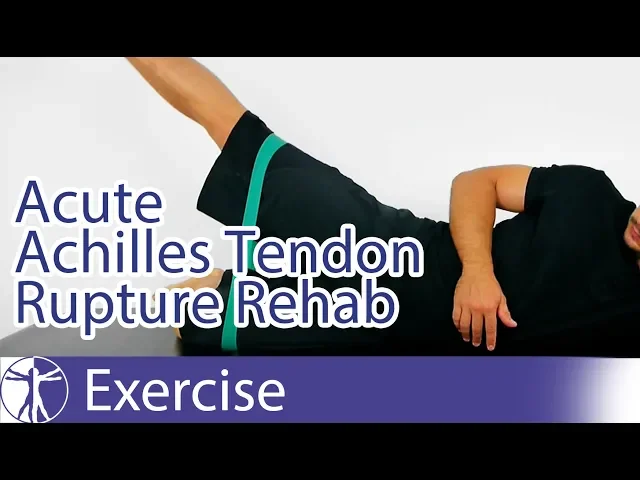
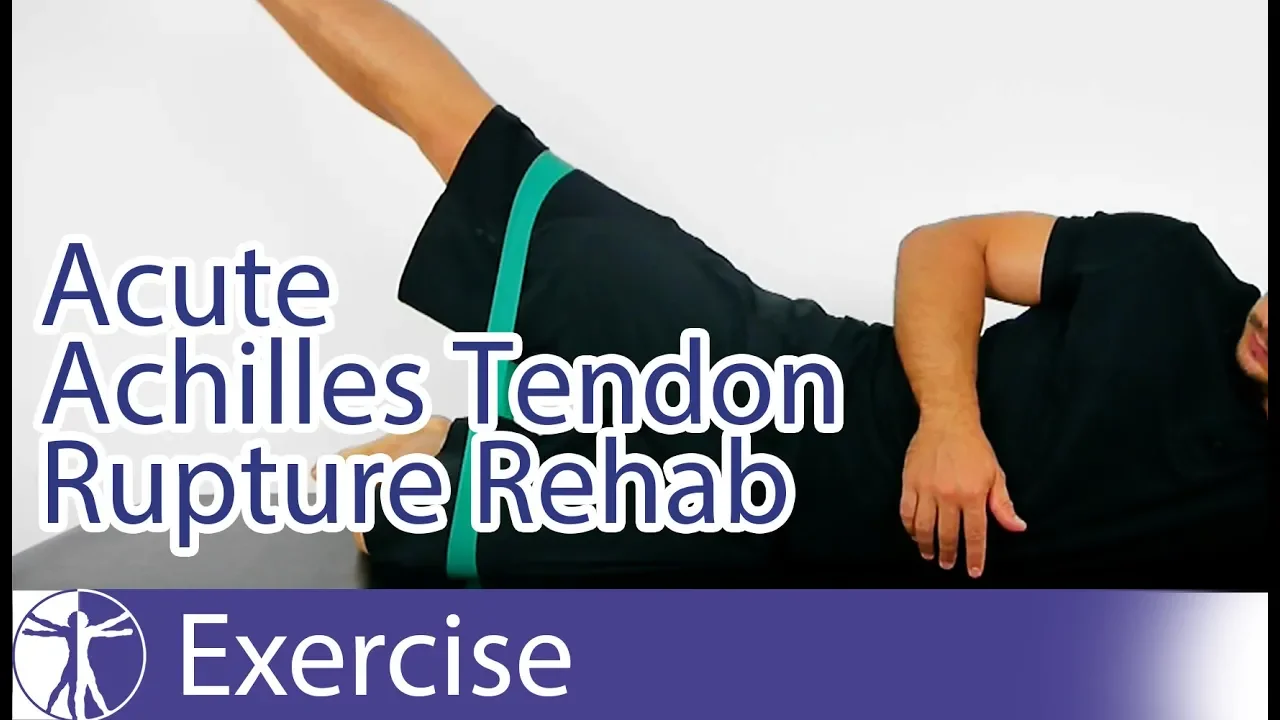
In order to keep the glutes in good condition for later weight-bearing you can do something like clamshells without resistance or by adding a DynaLoop around the knees for further resistance. Another pillar non-weight-bearing glute exercise are side-lying abductions. You can perform those without resistance With an additional ankle weight or you can use a DynaLoop above the knees to apply resistance.
In order to be able to progress to the 2nd phase the patient should be pain-free in rest and swelling does not increase. Check out phase 2 in the video to my left and give this video right here a 'Like' if you found it helpful! If you haven't subscribed to our channel yet we urge you to do so as this helps us out a lot.
Check the links in the video description for more Physiotutors goodness. And as always this was Andreas for Physiotutors. I'll see you next time.
Bye!