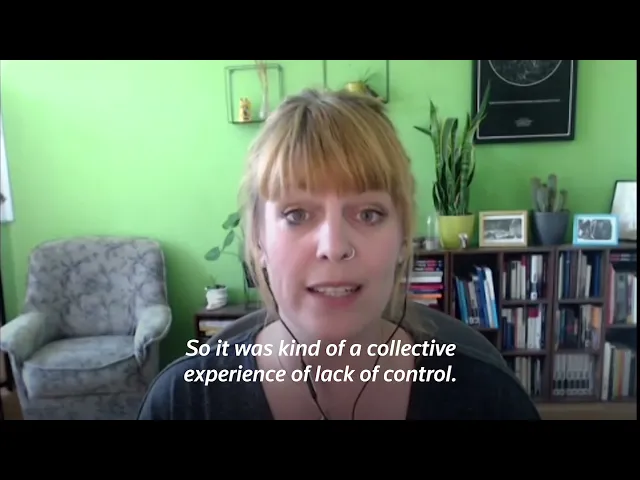
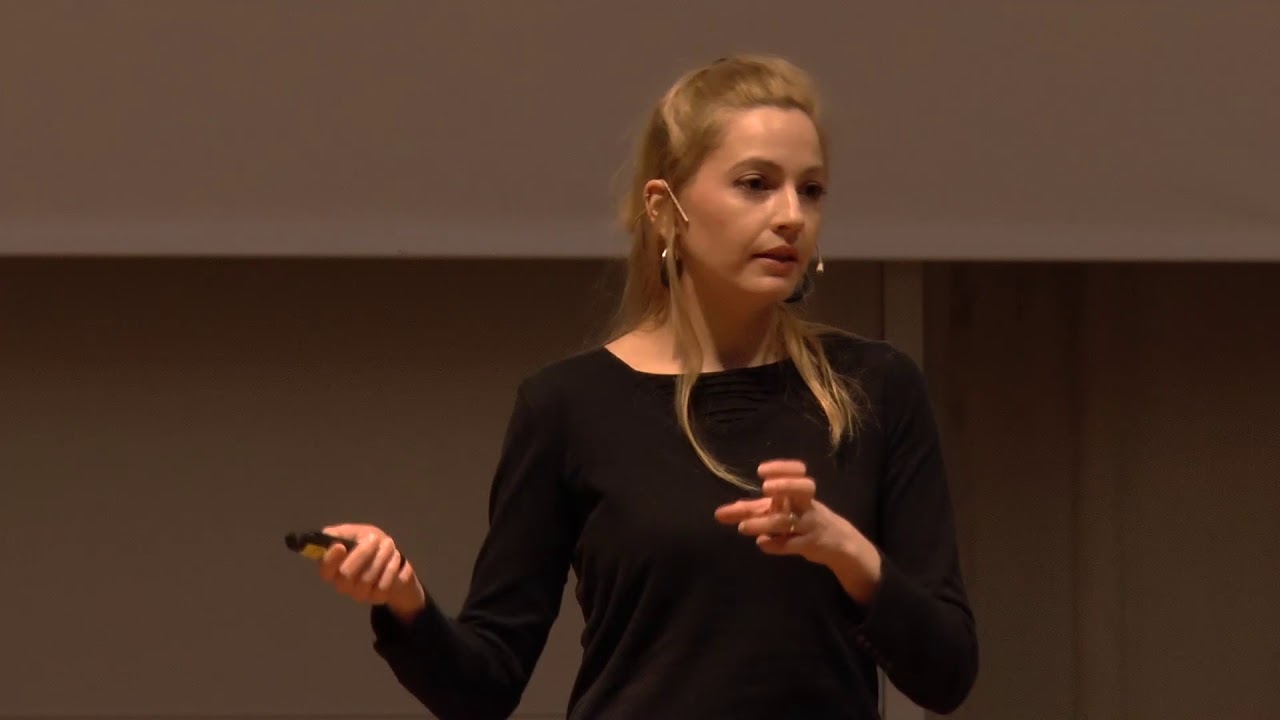
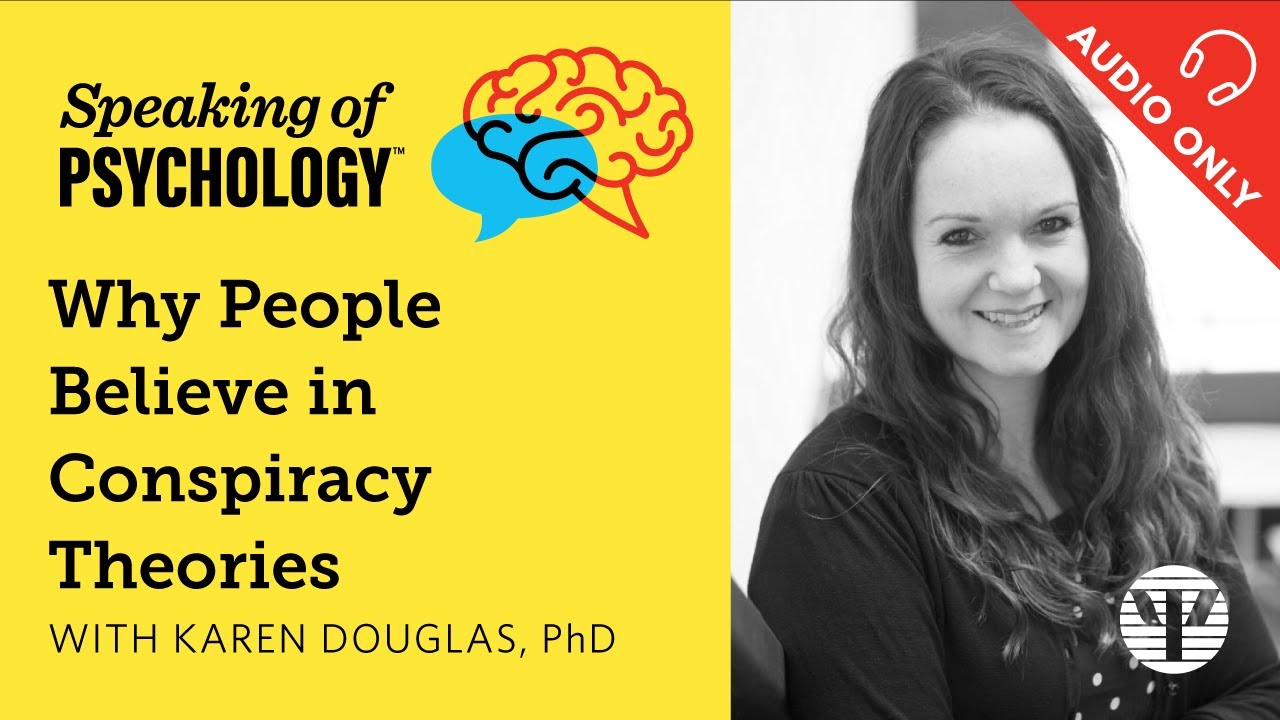
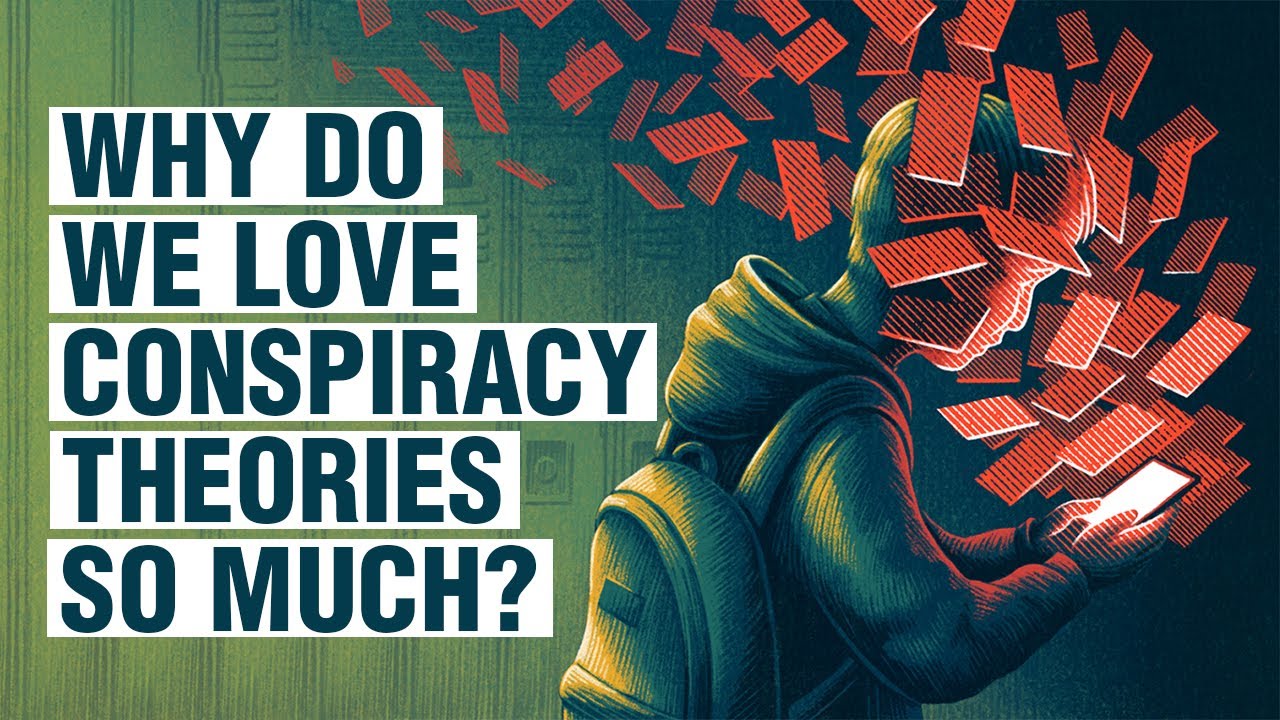
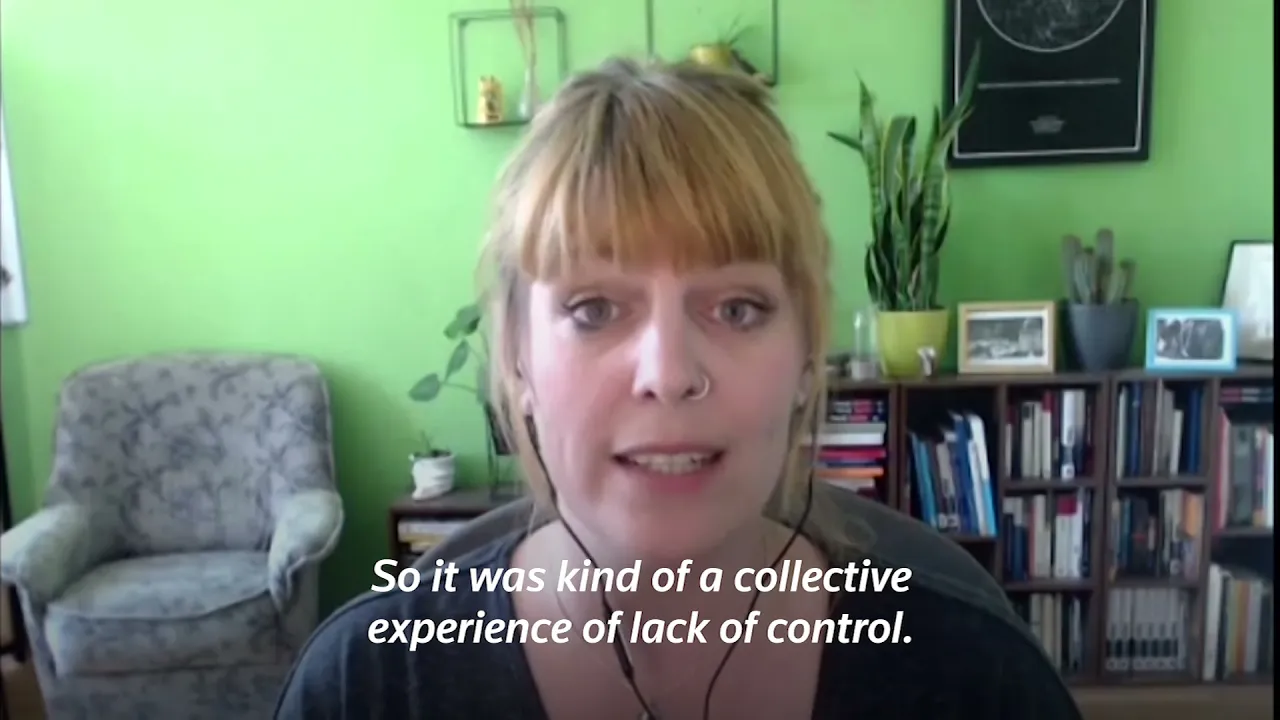
from a psychological point of view you can say that conspiracy theories fulfill certain motives they have um for example in a situation where people lack control people are also more likely to believe in conspiracy theories to compensate for this lack of control and um i think the the co-owner pandemic was for many people exactly that they didn't know what how things are gonna be um yeah if they can send their children to school if they will keep their job so what's kind of a collective experience of lack of control but there are also social motives
that are fulfilled by conspiracy theories we know that from our research that people with a strong need for uniqueness are more likely to believe in them because they feel like they stick out of the crowd they know what's really going on and um this part is especially important for my point of view because it explains why it's such a strong identity it's an ideology and why you not just can counter it with facts