hey folks dr mike here for renaissance periodization don't reduce your soreness if you're sore and want to grow weekly tip number 30. here we go let's keep it short let's keep it sweet i can promise it'll be sweet i don't know about short hopefully i tend to ramble here we go let's say your last session for quads or hamstrings or chest or something like that made you really really sore in those muscles and you know that when you heal again and your muscles are healed you can train again and provide more hypertrophy so you're probably
thinking quite rationally of course that hey like i want to heal as fast as possible very good but how you attempt to reduce the soreness is a really really big question and you might not even be sore yet but you trained your quads your hams your chest or whatever and you know that this kind of workout that you can tell by the way how weak your muscles are how weirdly they're contracting and everything that you're going to get ultrasource you're going to think maybe i can make it so that the soreness doesn't last as long
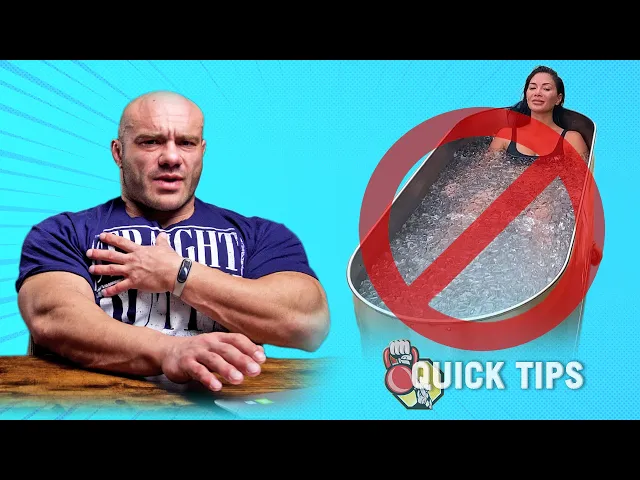
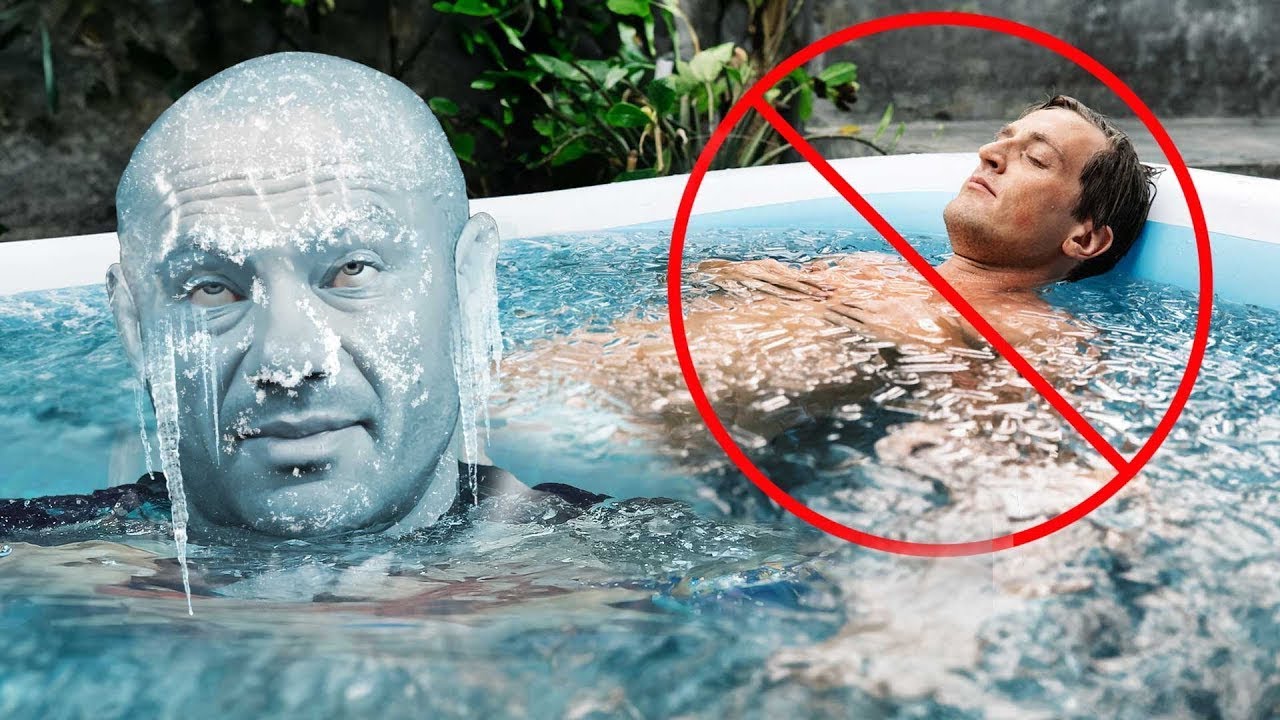
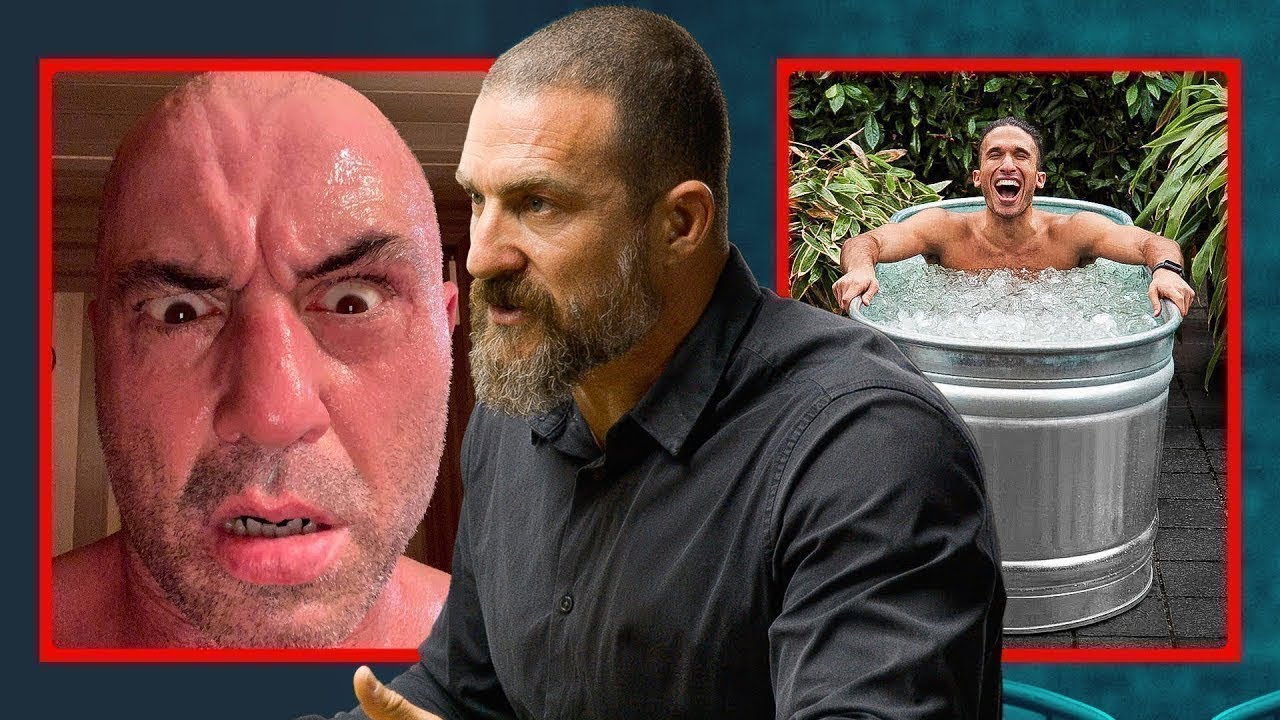
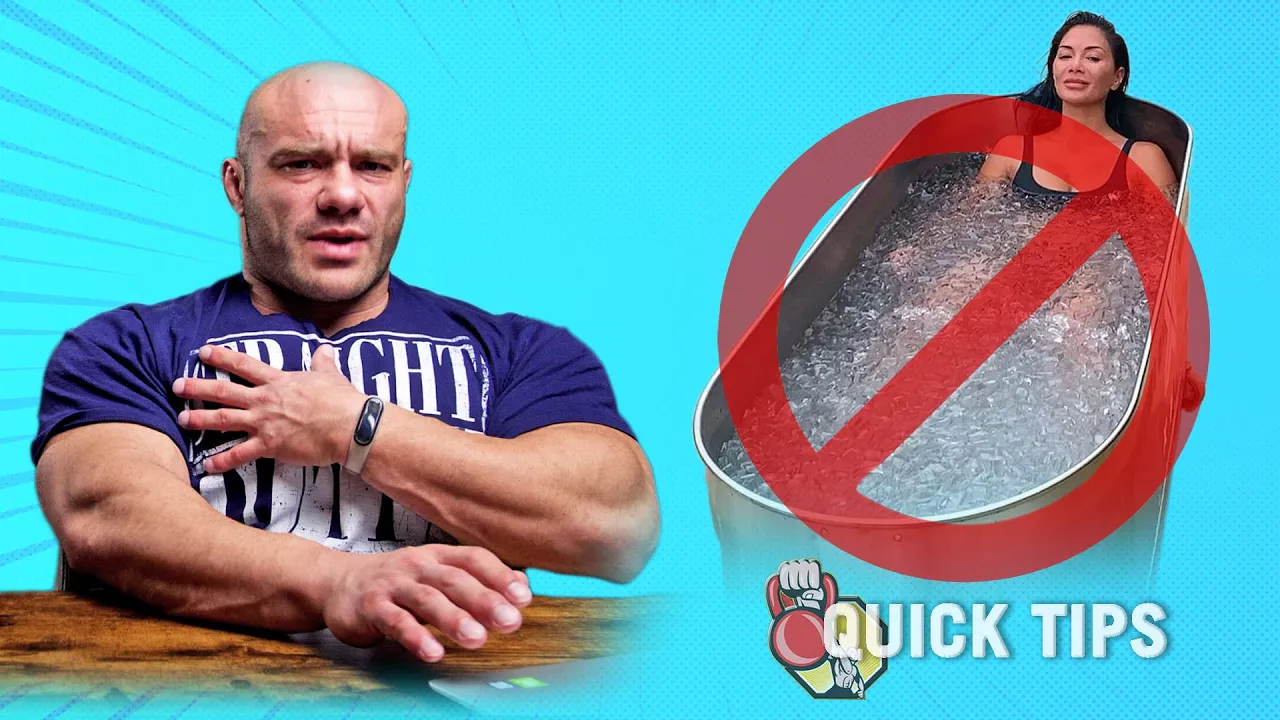
and do some things now to keep the soreness from really hitting me maybe you have an idea to do some of the following quite popular things to reduce how high the soreness gets or if the soreness is high to reduce how much you're feeling it and be ready to train again faster you may be into some of the following things the cryo chamber cold exposure a contrast bath which is fucking terrible a contrast shower hot cold hot cold hot cold it's awful it's a form of torture ibuprofen et cetera et cetera et cetera you can
even ice the region that sometimes works will these things reduce the peak soreness yes will they sometimes bring down the soreness after it's already at peak or on its way yes however all of these interfere with growth generally speaking when you've been exposed to an exercise stimulus you get some combination of recovery and adaptation in response to it however these types of modalities heat extreme cold a combination or anti-inflammatories all of these work to reduce inflammation by the way like ibuprofen what they do is they speed up recovery but at the expense of adaptation so
you heal faster but healing in this case doesn't mean as much growth because like there's tons of instances where you heal but you don't grow if you get into a car accident hopefully you heal up from that but your doctor doesn't come into your hospital bed three months later like oh my god your fucking leg is jacked i'm sure glad that truck ran over it it just healed it didn't grow so if we are going to use these modalities we want to use them almost exclusively in the context in which you need to recover really
fast and you don't care about adaptation and hold on a sec what when do we not care about adaptation well in some specific sports circumstances for example let's say you're in a soccer tournament and it's every other day you play a game so long as you win the game you go you know standing quarter final semi-finals final something like that in between the days each game is going to make you pretty fucking sore has the potential to if you use ibuprofen or you use contrast or you use cryochamber after the games to become less sore
what you can do is recover faster and then each successive game that you qualify for by winning the earlier ones you're not as sore going into the game which means your performance is higher now somebody can say hold on a second that means your legs aren't adapting to the soccer training as much but hold on it's not training yeah you get less quad growth but who gives a shit you don't you have the same size quads fine but those are the same size quads that got you to winning all the qualifying games they got you
into the finals you're not going to add so much quad muscle size or cellular capacity between three games over a week that you're going to like win the championship versus not the recovery is 50 trillion times more important than the adaptation so we intentionally do these anti-inflammatory measures ice or contrast or heat or anti-inflammatory drugs what that does is it allows us to recover really fast at the expense of adaptation but it gets us performing when we need to however if you're just training in the gym regularly and you are trying to get jacked or
strong you do not want to use these then what do you do in order to heal soreness faster because all ibuprofen heat cold stuff off the table as a matter of fact a bad thing so then hold on we're just supposed to fucking live with the soreness to an extent yes but there are a few things you can do to reduce at least how long the soreness lasts in a way that doesn't interfere with adaptation here they are i'm going to tell you then you like this shit again [Music] hey do you want to like
go on a date with me okay hey we're going on a date cool yeah [Music] eat well and a lot healthy food lots of protein lots of calories sleep well and a lot you already know the drill and yes before you ask special sports supplements aka anabolic steroids and related derivatives um they do reduce soreness in the good way time to peak soreness can be shorter peak soreness can be higher or lower but the total duration of soreness the time to heal is faster with anabolics for sure right just because i know you some of
you are interested in that sort of thing but basically for the rest of us it's eat well and sleep well that's what recovers source when you say oh man my biceps are really sore what do i do do you want to grow biceps well yeah eat and sleep and i wish i had some other shit to tell you about like well if you contrast bath and then go in the cryo chamber and fucking freeze the thing of ice on the bicep and then break it off you're gonna heal and it's gonna be great but that
will cause you gains it's not a really good thing so again there is another thing you can do a really really trippy idea to reduce soreness and that is never allow as much of the immune system-mediated inflammatory cascade even gets started essentially not allow your body to gear up to make those adaptations how does it do that well it allows the immune system to infiltrate the muscle cells and just the muscle area in general that inflames it and that's what causes that secondary damage you know right after workout you're not very sore you're sworn in
delayed onset you're sore 12 hours later 24 hours later even more sore that's when all that immune system stuff and all the recovery and adaptive machinery arrives essentially starts kind of peeling your muscles open and fixing them and making them bigger you can prevent that from happening to a large extent how well you can do the ice heat cold anti-inflammatory stuff which you can also do is train very hard and then over the rest of the day eat very little very little protein very little food in general you can do psychedelic drugs or something like
that stay up all night and don't sleep because if you have a good night of sleep especially if you've eaten plenty of that day lots of protein before you go to bed you guys have had this experience you wake up source fuck the next morning you're like shit the sleep didn't work it made me worse it didn't make you worse it allowed that soreness to occur because that soreness is part of the adaptive process if you skip that night of sleep and then get very little the next day as well you would probably not get
nearly as sore at all in that muscle group as you would from that same exact workout if you had eaten plenty and slept plenty and not been stressed out so we think okay how do i reduce soreness someone's like fucking easy brooch don't fucking eat a lot don't sleep that next night you're like beautiful i'll really get jacked then no you won't and you of course you knew that that's crazy so when we change we think of ourselves as trying to avoid soreness or reduce it we have to be very careful not to kill the
golden goose that lays the golden eggs i guess it's just the regular goose that lays the golden eggs in any case this is not by accident getting sore isn't necessarily a good thing but in the context of hypertrophy in a timeline in which you can recover on time getting soreness is or sorry getting sore is a good thing and healing from the soreness via two things food and rest is exactly the plan never letting your soreness peak or healing it artificially quickly by using ice or heat or meds or post-workout cardio is another one if
you get uh right off of the squat rack and your legs are super pumped if you do like 30 minutes of incline walking it actually flushes a lot of the metabolites out it prevents a lot of that hypertrophy signaling getting into motion and then you actually won't get a sore you'd be like oh my god i found this ultimate hack i do a crazy hard leg workout get the gains and then i do hard cardio right after for 30 minutes and i'm not sore i can train you know uh three days earlier than i would
before yeah it's nice except you canceled out all the gains that you're doing it's a bad idea it'll lead to poor growth so what you really want to do is this train hard get whatever soreness comes with training hard it's just something you gotta just take and you have to understand that in many contexts that's actually a good thing and then when the question is well how do i reduce the soreness you really just have two options one eat plenty to sleep plenty train hard get sore eat a ton sleep a ton recover repeat that's
the growth formula see you next time