For centuries, the devil has been the laughing stock of Christians. We've boiled him down to a mindless, raging being, creating chaos just for the sake of chaos. But have we ever considered Satan as an actual character in the biblical story?
A character with actual emotions, realistic motivations, and specific goals? A character who does nothing by accident and thinks through his every move? A character who had a real chance at changing the direction of human history forever?
Have we ever asked the question: Why did Satan really rebel from God? Why does he hate humanity so much? What was his unique connection to Jesus?
I mean, all the strongest villains in our favorite movies have goals and morals they believe to be right, so why would the ultimate villain be evil just for the sake of evil? And what does the Bible actually say about Satan? Throughout the whole Bible, we encounter glimpses of Satan's personality—fragments that hint at a more complex motivation.
By putting all the pieces together, we get convincing answers to these tough questions, revealing a character with far more understandable objectives. The story I'm about to tell you deepens the entire biblical narrative, including all the major characters, and it starts in a time before humans. Many eons ago, God created a heavenly species: glorious angelic beings who worshiped around the throne of their creator.
But among the worshippers, God anointed one for a special purpose, described as a signet of perfection and blameless in his ways. He was covered with many precious gemstones and was exalted to a special place in heaven. God himself chose this angel to be a guardian cherub—a morning star shining bright in all his splendor in the full presence of God.
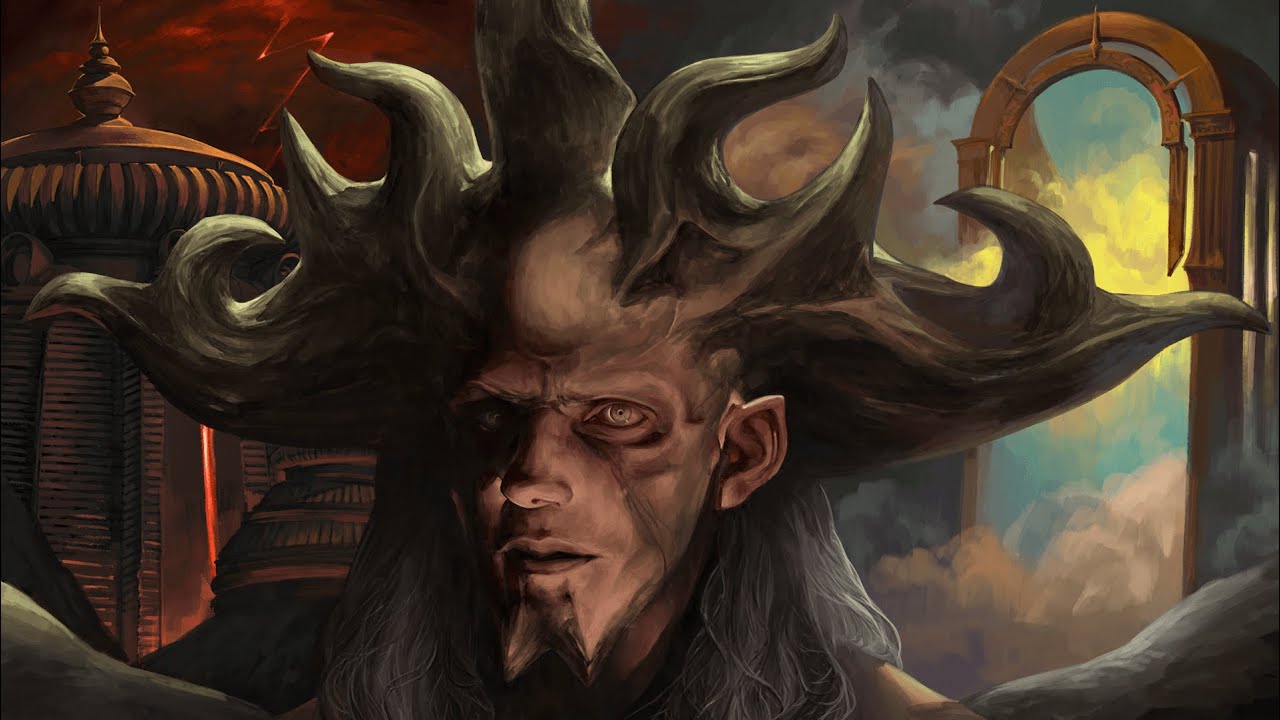
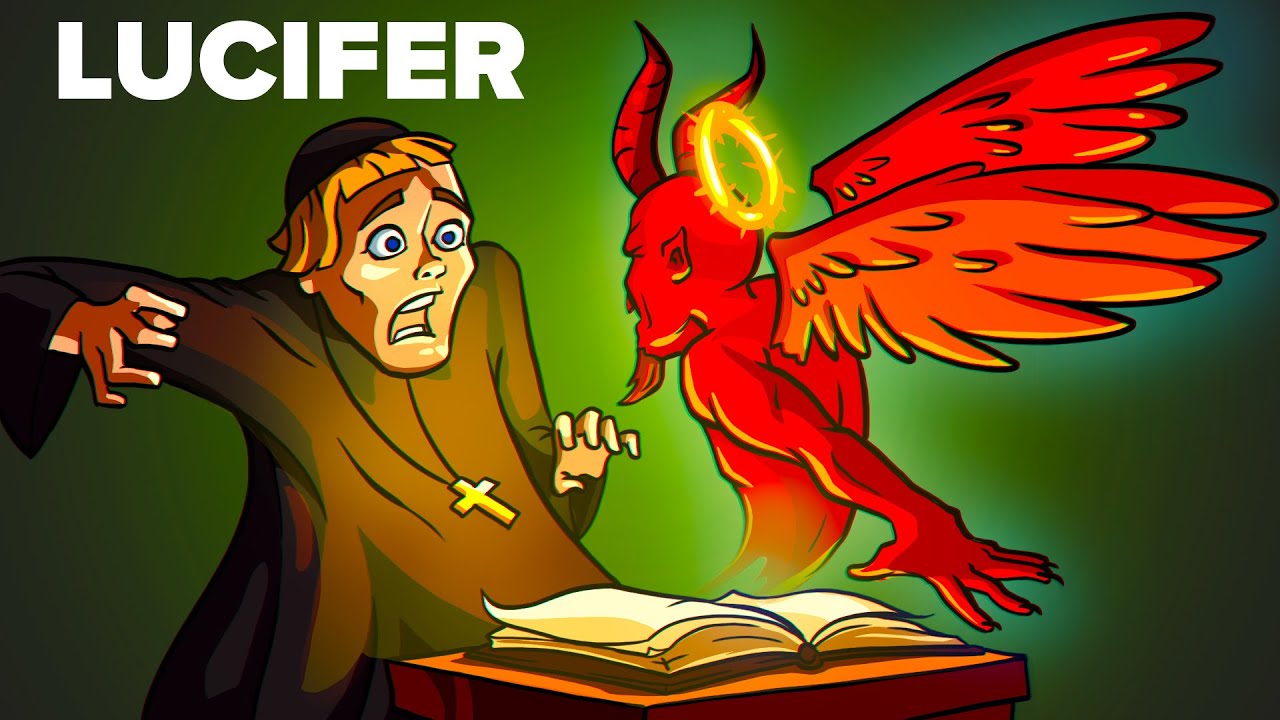
His name was Lucifer, meaning "bearer of light. " Despite his high position, he believed he was deserving of more. He wanted to exalt himself above his angelic brethren and become like the Most High.
Although ambitious, Lucifer served his creator blamelessly until God made a decision that would change everything. He decided to create again. The angels marveled at God's creation of light and of the stars; they sang praises as he created plant life and the land in which it would grow.
They rejoiced as they watched him form the beasts of the field, the fish of the sea, and the birds of the sky. Everything he created was good. But on the sixth day, God made his most controversial decision: creating mankind.
At this point, God said to himself a phrase that Lucifer never expected he would hear: "Let us make man in our image, after our likeness, and let them have dominion. " This creation was special—uniquely loved and appreciated by God—and yet they seemed so feeble and vulnerable. What exactly made this creation so special?
Well, Lucifer was soon to find out because God had a vision—a plan that would cause Lucifer to question everything. A plan to crown this pathetic little race of creatures with glory and honor, to bring them near to God, to establish them as God's own possession, to receive new perfect bodies, to become heirs to his kingdom, to inherit eternal life, spiritual rewards, and dominion in heaven. Most critically, it was a plan in which they would become like the Most High.
There was abundant rejoicing at the creation of the world in heaven, but Lucifer felt a growing resentment towards God's new love. Why would God create an entirely new species to worship him when Lucifer and the angels had been doing it perfectly their entire lives? But to Lucifer's growing unease, there was even more to God's exaltation of humanity.
He planned on giving the world to come not to the angels, but to the humans. He planned to send the angels to the humans as servants, and ultimately his new species would have authority to judge Lucifer and his brethren. God's ultimate creation wasn't the angels after all; it was these pathetic little animals.
Lucifer was an angel booming with confidence. He assumed that if God were to bless his creation, he would be the first to know. Angels were the supreme beings and described as the morning star; he was the cream of the crop.
He adored himself, and having humanity elevated above him was incredibly unfair. This is when Lucifer came up with a plan—a plan to prove to God and the angels that God was making a mistake. Adam and Eve lived in the Garden of Eden, and Lucifer identified weaknesses that could be exploited.
The tree of knowledge of good and evil gave him an opportunity to strike, and with a simple question and a simple lie, Lucifer had successfully triggered the fall of humanity. He demonstrated to all the heavenly hosts and God himself just how easy it was to lead these creatures astray. This was the first step in Lucifer's vengeful vision.
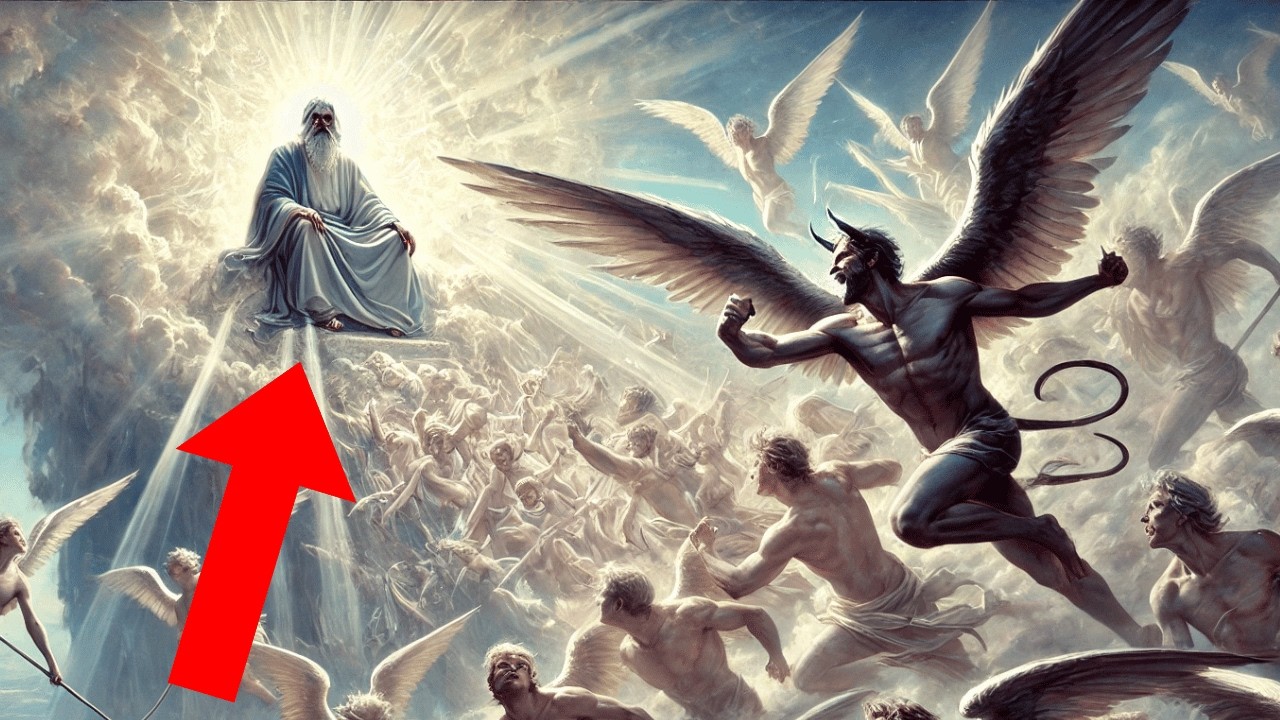
His objective was simple: to prove that the human race was incapable of fulfilling God's perfect design for them, to prove that humans weren't worthy of inheriting eternal life or inheriting God's creation, and ultimately, to get God to annihilate humanity and bless the angels instead. After the fall of man, God found wickedness in the heart of Lucifer, and he was cast out from heaven. He lost his status, and his wisdom was corrupted.
But he wasn't alone; because God was so intent on exalting humanity, many of his angelic brothers abandoned their heavenly posts as well and joined the rebellion. At that time, a third of the angels were convinced and deserted their creator. This is the moment when Lucifer, the guardian cherub, died and Satan, the adversary of mankind, was born.
With this new name came a new role: he would accuse mankind day and night, accusing them of sinning and failing to live up to. . .
The image of God, Satan knew, that if humanity worked to succumb to sin, God's justice would guarantee their destruction, proving that the blessing should have remained with the angels all along and ultimately that Satan was right. But at the fall of mankind, God had an unexpected response. Once Adam and Eve ate of the forbidden fruit, they became sinners before God; they were ashamed of their nakedness and decided to run away and hide.
But instead of destroying them for their betrayal, God sought them out. He created clothing to cover them and performed the first sacrifice. At humanity's lowest moment, God stood by their side.
But Satan now had an effective argument to level against God: God's justice had been compromised in His gracious response to humanity's rebellion, and eventually, He would have to destroy them. The damage was done. Satan would embody his dual title as tempter and accuser, tempting the offspring of Eve to sin and accusing them of being failures when they did.
This was his life's work—to ensure not a single human could live up to God's glorious design. Satan's successful sabotage continued on and on throughout the generations. God saw how great the wickedness of the human race had become on the earth and that every inclination of the thoughts of the human heart was only evil all the time.
God regretted that He had made human beings on the earth, and His heart was deeply troubled, so He flooded the world, killing every single human. Satan had achieved the first part of his objective, but God's mercy got in the way yet again. God had shown undeserved mercy to humanity, and yet again, He relented from executing His justice by rightfully destroying them.
Satan knew that if he kept up the efforts, someday soon, God would have to annihilate humanity, until a certain man named Job offered a glimpse of hope for all of mankind.