this mini lecture provides a brief introduction to the four generic strategies that companies can utilize in their efforts to realize competitive advantages before I introduce the four generic strategies however I want to make sure we are clear on what a competitive Advantage is and the key levers a company can pull to achieve an advantage for the purposes of this lecture a competitive Advantage is when a company achieves higher profits than the average competitor in the product Market consider two companies that have similar revenues and Sim costs and therefore similar profits well the focal firm can
achieve a competitive advantage in one of two ways first this company can somehow drop costs while keeping revenues constant in this case the focal firm now achieves a competitive Advantage due to lower costs second the focal firm can increase revenues while holding costs constant in this case the focal firm now achieves a competitive Advantage due to higher revenues of course a company could realize an even greater Advantage if it could somehow do both but that is very difficult to do in practice now this brief overview may seem obvious but it is important to lay the
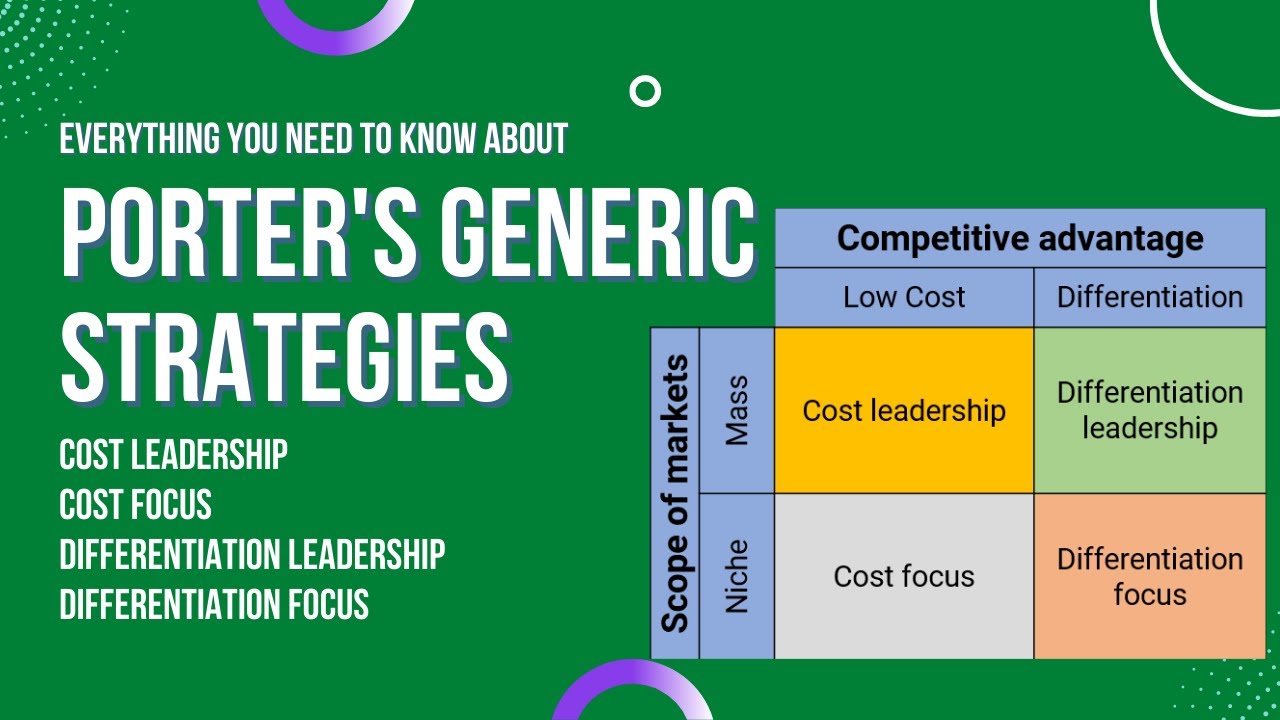
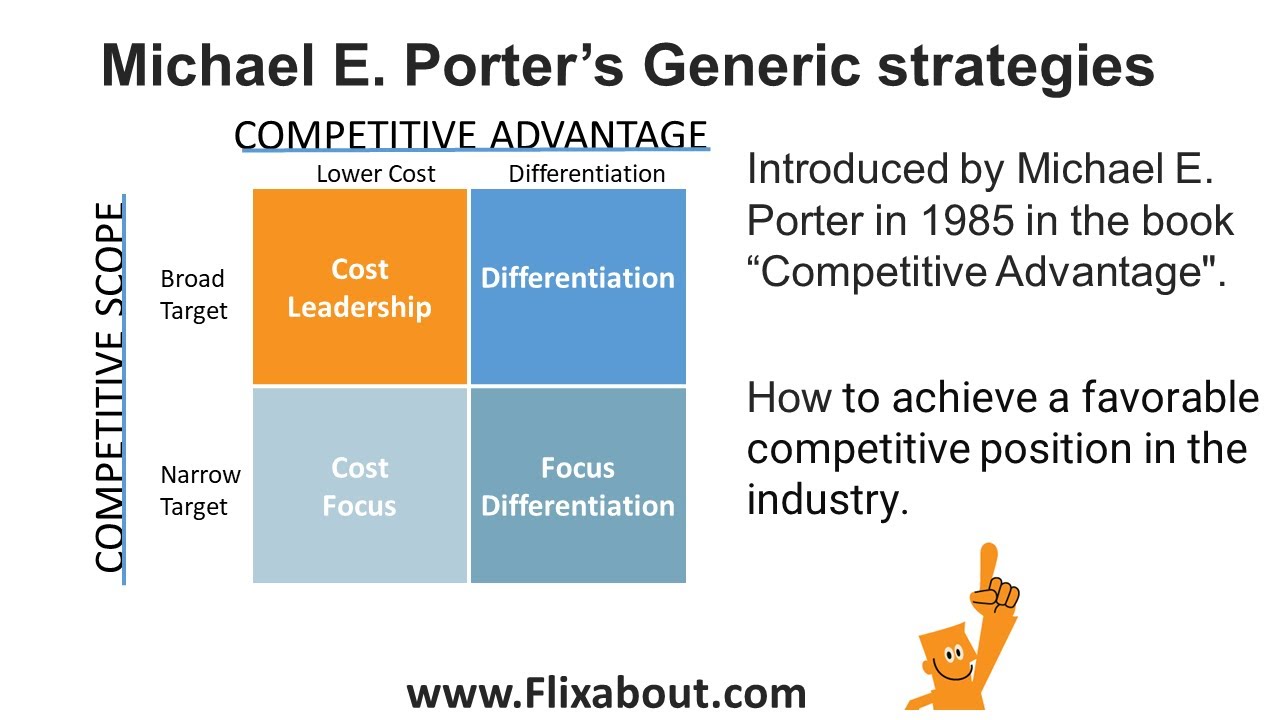
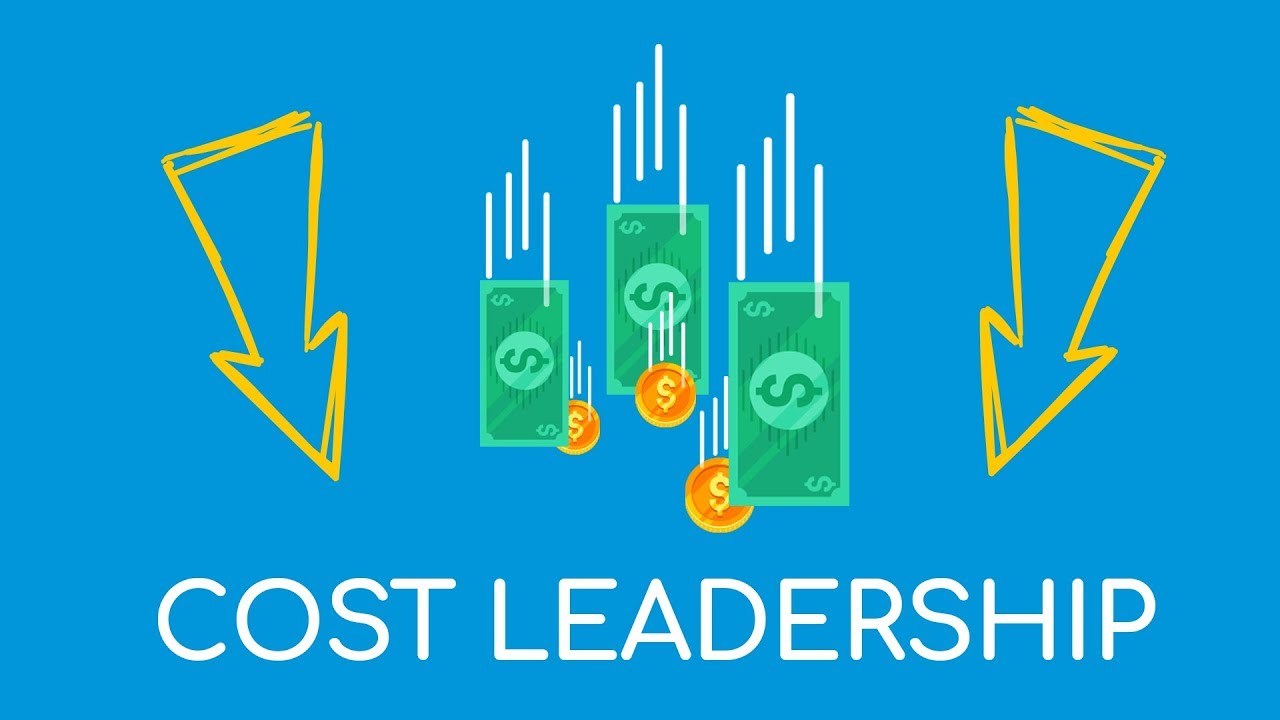
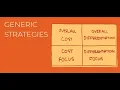
groundwork for the following discussion Michael Porter suggested that generic strategies can be defined by two key Dimensions the scope of the strategy and the source of the competitive Advantage for scope the company could Target a broad Market or a narrow focused Market for the source of competitive Advantage the company could either be the low cost leader or a differentiator the result is these four quadrants that represent the four generic strategies overall cost leadership differentiation cost focus and differentiation Focus cost leadership is really about being the lowcost provider for a broad customer base examples of companies
that do this include Dell computer amazon.com and Walmart these companies all offer products that are pretty similar to other products in the marketplace but they have lower costs these low costs allow them to consistently capture higher profits than their competitors differentiation is really about doing something different that makes your broad Market customers willing to pay more for your products and services examples of companies that do this include Harley-Davidson and apple these companies offer products that customers really want and so customers are willing to pay high prices for them these higher prices allow these companies to
consistently capture higher profits than their competitors cost focus is basically a cost leadership strategy in a narrow or focused Market Aldi is a great example of a focused cost leader Aldi targets a very narrow and extremely price sensitive customer but only carries the products they can offer at a huge discount they strategically locate close to traditional supermarkets so that these penny pinching extreme customers can still go somewhere close by to get the other things they need that Aldi doesn't carry differentiation focus is basically a differentiation strategy in a narrow or focused Market Ducati motorcycles is
a great example they target a narrow slice of performance focused motorcycle enthusiasts Ferrari is another example they target performance focused drivers who have millions to play with so generally you can select any one of these four generic strategies in your efforts to achieve a competitive Advantage it is very difficult however to try to do more than one companies that try to do more than one frequently get stuck in the middle you see when you cut costs aggressively then you also tend to cut product features and services thus it is very hard to clearly differentiate your
product when you're aggressively pursuing a lowcost strategy at the same time you often have to spend money to make your product somehow better than the other products out there doing so is clearly inconsistent with a cost leadership strategy the main activities you engage in to become a cost leader are simply inconsistent in most cases with the main activities you engage in to be a differentiator getting stuck in the middle is a pretty unhappy place to be your products aren't different enough for customers to be willing to pay more but they also aren't cheap enough for
customers to choose you for your bargain prices you are left without any clear unique value for the customers you're trying to woo so while some companies have in fact found ways to do both it is usually wise to choose one and stick with it understanding when some companies are able to do both is a topic for another mini lecture