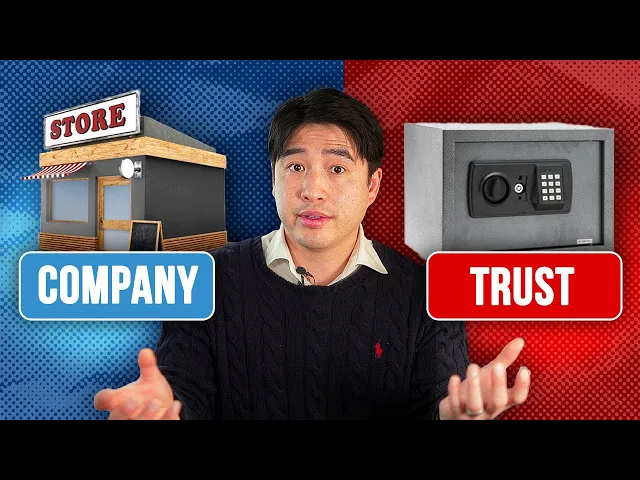
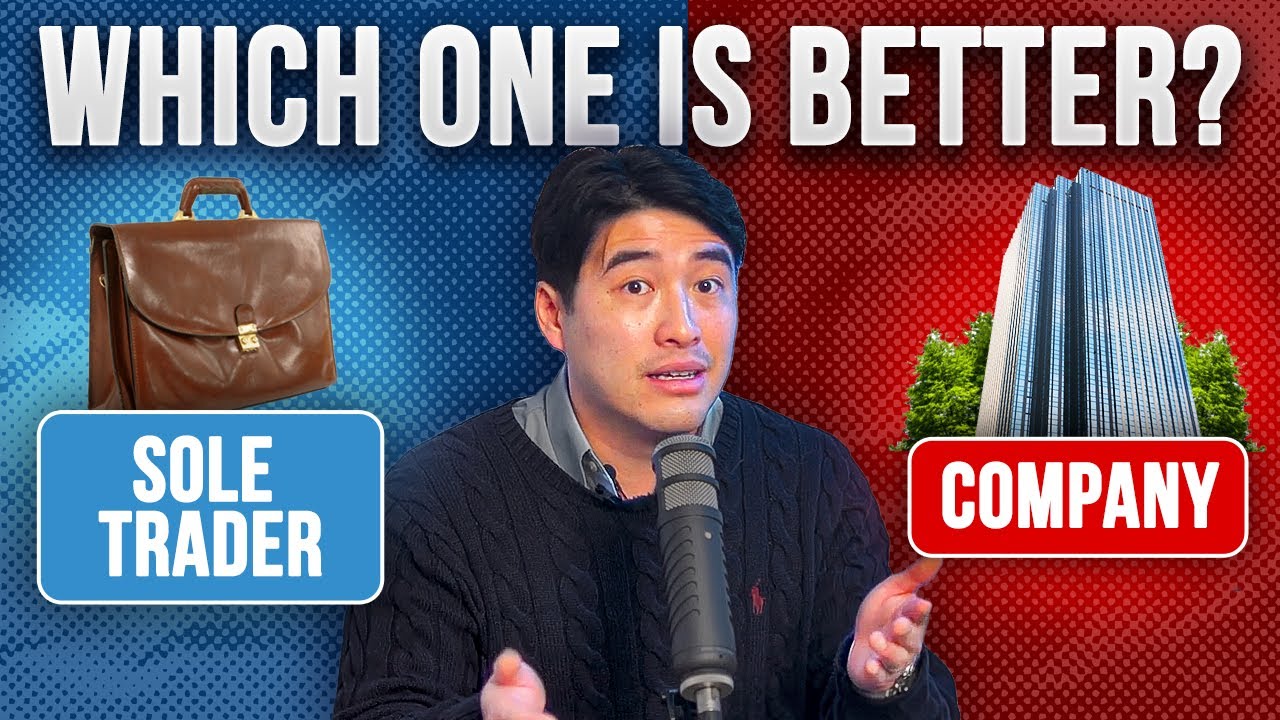
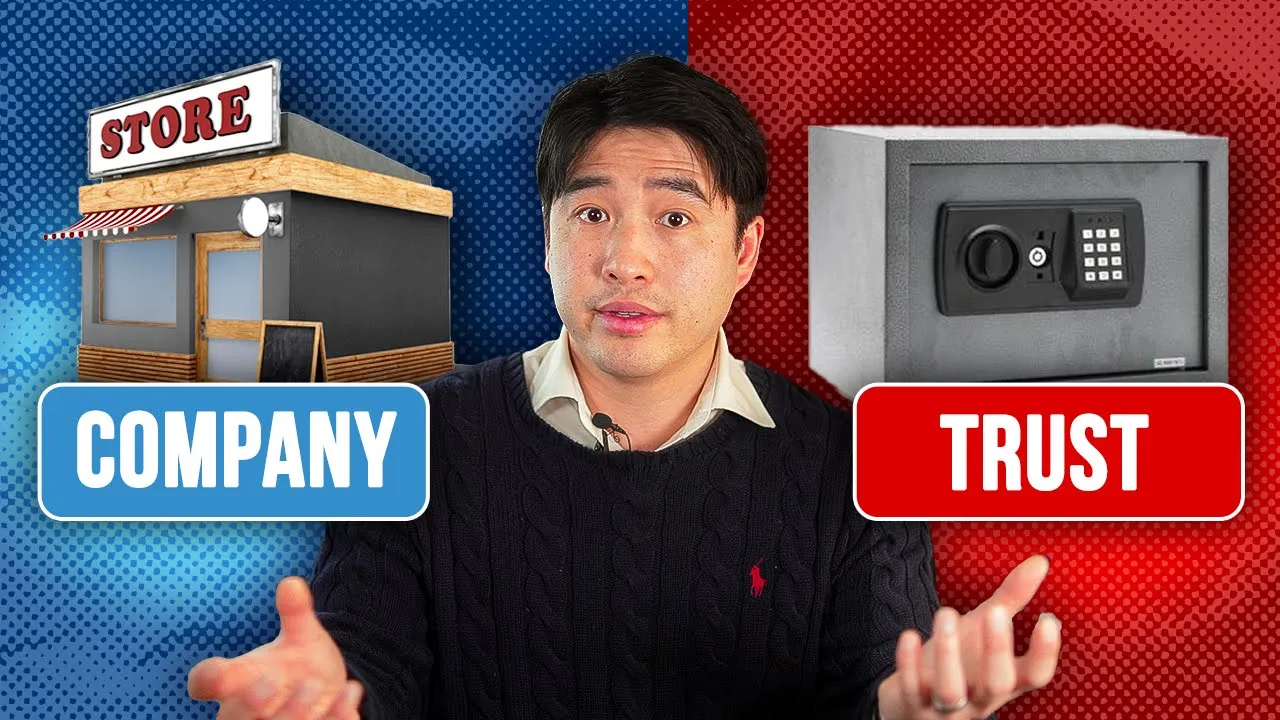
so is a company better than a trust like what's the actual difference and is one better than the other this is one of the most common questions I get asked all the time as a childood accountant for over 17 years and now I'm running my own accounting firm serving over thousands of clients most of these clients are usually worried about paying too much tax wanting more flexibility they want to protect their personal assets or some just simply heard they should do it and want to know more so if you fall in this camp or you're
just curious I'm going to share with you exactly what I teach my clients to help them make the decision on which is more suitable for them yes suitable not better because better implies that one is fundamentally more superior to the other but like many other things in business and accounting the choice is about suitability not superiority so in this video we'll go through number number one how companies and trusts work number two what are the pros and cons of both number three how could you potentially combine the benefits of each to create a hybrid structure
are you ready let's get straight into it companies are separate legal entities which means they pay their own debts and can sue or be sued separate from their owners to set up a company you're looking at around $700 to $1,200 you'll need to appoint at least one director and the company can issue shares to shareholders the director and the shareholders can be the same person which is pretty common in small businesses one of the company's big advantages is that it protects the personal assets of the shareholders because the company is a separate legal entity the
shareholders personal assets are usually safe if the company gets into trouble the tax rate for companies is also really attractive right now back in the 1980s companies were paying a massive tax rate on 46% but now the company tax rate is down to 25% for small businesses with a turnover of less than $50 million compare that to individual tax rates which can be as high as 45% plus the 2% Medicare Levy and you can see why a lot of businesses are choosing the company structure now another thing that makes companies appealing is that they've seen
as a more professional investment ready structure if you're looking to bring in investors or get bank loan a company structure can make that easier but companies have some downsides too every year you've got to pay an annual fee to asset to keep your company registration current the annual review fee for proprietary company is $310 and if you want to sell your Capital assets or investments in the company you won't get that 50% capital gains discount that individuals and trusts can access also any losses the company makes can only be carried forward to offset future profits
you can't distribute those losses to shareholders to offset their income so your losses kind of get trapped in the company let me give you a real life example to illustrate this I had a new client who switched accountants to me let's call her Sarah she started a small Fashion Boutique and decided to set this up as a company for her business in her first year of trading Sarah's Boutique made a loss of $50,000 she was hoping that she could use that loss to offset her other income and she had a part-time job that was hoping
to pay the bills while she got her business off the ground but because her business was set up as a company that $50,000 loss was stuck in the company Sarah couldn't use it to reduce her personal taxable income if her business had been set up as a soul Trader she could have used that loss to offset her other income and then reduce her overall tax bill which could have got her a refund but instead that $50,000 loss is carry forward in the company and if Sarah's Boutique makes a profit in future years she can use
that carry forward loss to offset some of the future profits and reduce the company's tax bill in the future but in the meantime it doesn't help her personal tax situation at all sometimes it's a good idea to set up as a soul Trader at the start to claim the losses in the business against your personal income such as the wages once the business starts making a profit we can look at restructuring into a company later now let's talk about trust a trust is a special Arrangement where someone holds and manages assets for the benefit of
others the trustee is the person or entity who manages the trust assets for the benefit of the beneficiaries and the beneficiary being the owners back in the 1980s as I said earlier the company tax rate was a massive 46% that meant that if you're running your business through a company you're giving up almost half of your profits in taxes but trust offered a way around this and it's the reason why it became so popular back in the day because as trust isn't a separate legal entity but rather an agreement it can't pay taxes instead the
income from the trust is distributed to the beneficiaries and they pay taxes in the individual rates you can make your family members including your kids beneficiaries of the trust and if your kids were under 18 and not earning much income at all they'll be taxed at a much lower rate than the 46% company Tax Rate so by running a business through a trust and distributing profits to your lowincome family members you can reduce your overall tax bill the children could be 6 months old and they could receive up to $188,000 of income taxfree it was
a pretty clever strategy but as per usual the government started figuring out this loophole so now if you distribute more than $416 to a child under 18 that income gets taxed at a whooping top marginal tax rate of 45% so now these days my clients look at all the family members to distribute income to possibly reduce their taxes but it's getting harder and harder to use CH other family members in Australia for example since the cost of living in Australia is quite high it's harder for families to have one non working spouse in the family
these days it's more common to have both spouses working in the family this means you most likely won't be able to access lower tax rates using the Family Trust as both spouses will be working and earning income personally but what about the retired Mom and Dad well they evil on social welfare which means that if they receive trust income they can lose their eligibility to social welfare or Mom and Dad are receiving other income in their personal name too but trusts still do have some advantages they offer some asset protection for beneficiaries especially if you
have a corporate trustee and if you sell Assets in the trust you can access the 50% capital gains discount assuming the trust has held the asset for more than 12 months trusts have also been quite useful for extending the borrowing powerful investors due to the fact that some banks will ignore the loans in trust so they don't impact the Bor Bing power of the investors but the trust must be self-sufficient and meet its own liabilities and obligations this is why investors have benefited using trust to invest in properties however you have to tread lightly and
get proper tax advice buying property in trust can result in higher land tax costs and in certain States like newfs it's quite High the benefits in trust can be eroded by the hidden cost in admin and taxes depending on the type of trust structure trusts also also give you flexibility in how you distribute income H which then helps you manage your taxes a discretionary trust is a type of trust where the trustee has discretion to decide how much income to distribute to each beneficiary each year this is different from a fixed trust where the beneficiary
entitlements are set out in the truste and the distributions are fixed per year like with companies trusts also have some downsides as I said earlier trusts aren't separate legal entities like companies so the beneficiaries have to pay tax on their share of the trust's income trusts can also be more complex and costly to administrate than companies so if you're setting up a trust with a corporate trustee which is usually recommended for extra legal protection you're looking at a setup cost of 1,500 to 2.5k and like companies any losses stay in a trust you can't distribute
them to beneficiaries so when might you choose a company over a trust I know this answer is probably not the one you're looking for but it really depends on your situation let's say you're a freelance graphic designer and your business is really taking off you're starting to hire employees take on bigger contracts switching from a soul Trader to a company structure could be a smart move the legal protection and lower tax rate of a company could really be beneficial as your business grows on the flip side let's say you're a family who earns a bunch
of investment properties and you have some family members who don't earn income a trust structure could work really well here you can distribute the rental income to family members in lower tax brackets and when it comes to selling the trust can access the 50% capital gains discount so they can half the taxes when they sell the properties the key is to get professional advice tailored to your specific circumstances talk to an accountant or a lawyer who can look at your situation and recommend the best structure or the combination of structures for you at my accounting
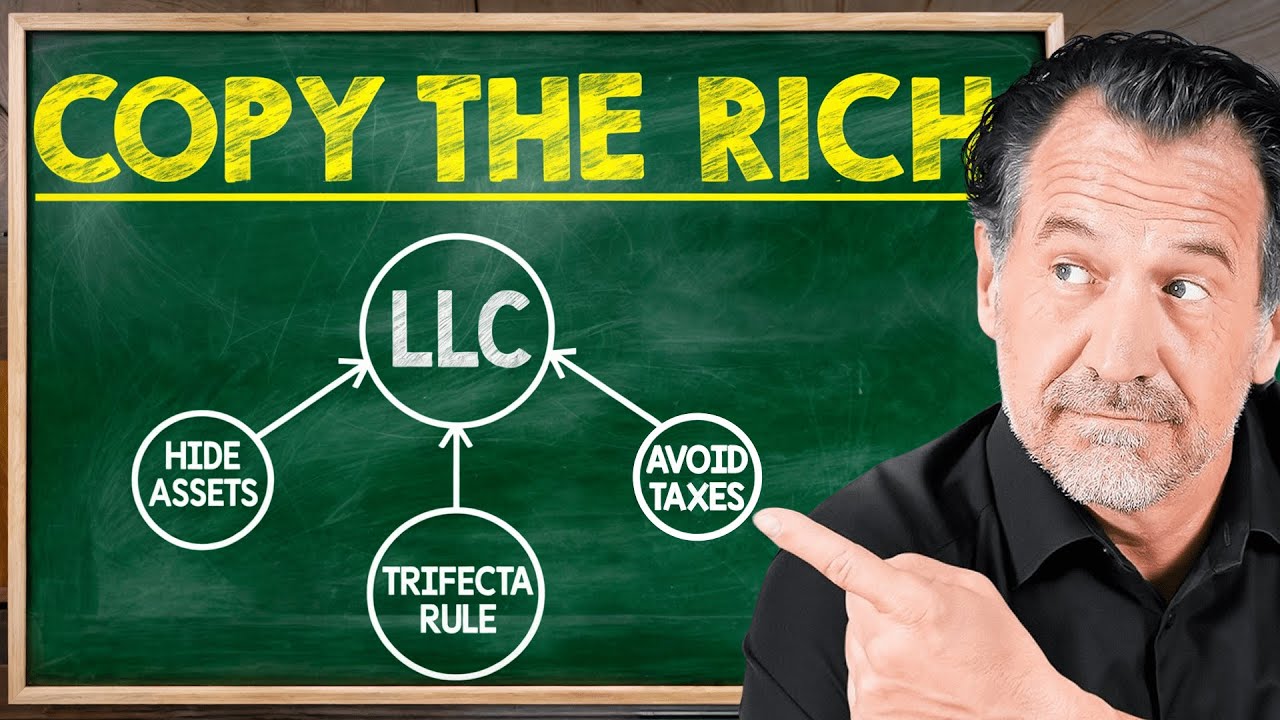
firm we often set up hybrid structures that buy a company and a trust to get the best of both worlds let me give you a simple example of how this could work in your business we have a client let's call her Emma who runs a successful online retail business she's currently operating as a soul Trader but her business is growing rapidly and she's looking for a way to structure her business that will give her asset protection tax efficiency and probably flexibility for the future after discussing her situation we recommended a hybrid structure that combines a
company and a discretion trust weird but here's how we would set it up we established a discretionary trust with Emma as a primary beneficiary the trust will have a company which will act as a trustee for the trust we then set up a trading company to run the business Emma will be the sole director and the shareholder will be the trusty company of the trust the online retail business will be run through the trading company the profits will sit in the trading company and be taxed at 25% every year Emma could decide to distribute profits
by dividends from from the trading company to the trust and then the trust can distribute the profits to MMA and any other beneficiary like her spouse or children as needed each year these are the benefits the business trades under the company not under Emma personally this provides a layer of protection for her personal assets if something goes wrong with the business by Distributing profits through the trust Emma can take advantage of the lower tax rates of other beneficiaries this can help reduce tax overall the discretionary trust gives Emma flexibility in how the profits is distributed
each year she can adapt to changes in her family circumstances or tax laws by having a company as a trustee Emma is also protecting herself from personal liability for the debts of the trust the great thing about this structure is the trading company can also take on other shareholders and business partners by selling a portion of the shares of the company the profits of the business can be fixed at 25% tax rather than the high personal tax rate of 45% this means you can reinvest this money back into the business for growth at a lower
tax rate and of course this is a simplified example in every client situation is different the exact structure we recommend would depend on the specific circumstances of the business and the client's goals we can even go more detailed by adding a smsf and a bucket company but I always tell clients when you first start learning to drive you don't go driving a Ferrari cost way too much and it's very difficult to drive a similar case is for your structure don't over complicate it as it will be too expensive and difficult to run I recommend you
write a list of non-negotiables for your business based on these pros and cons then speak to your accountant to make sure whatever decision you want to make aligns with your goals and Circumstance this video only covers one part of the process so if you're looking for more details on the actual setup process for a company you should watch this video here That's all folks see you guys later