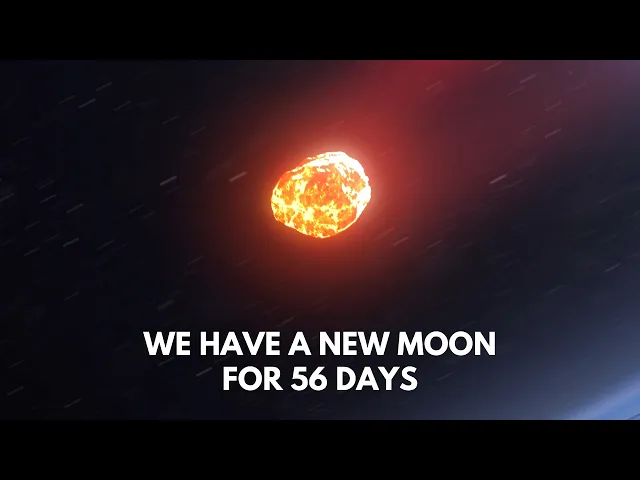
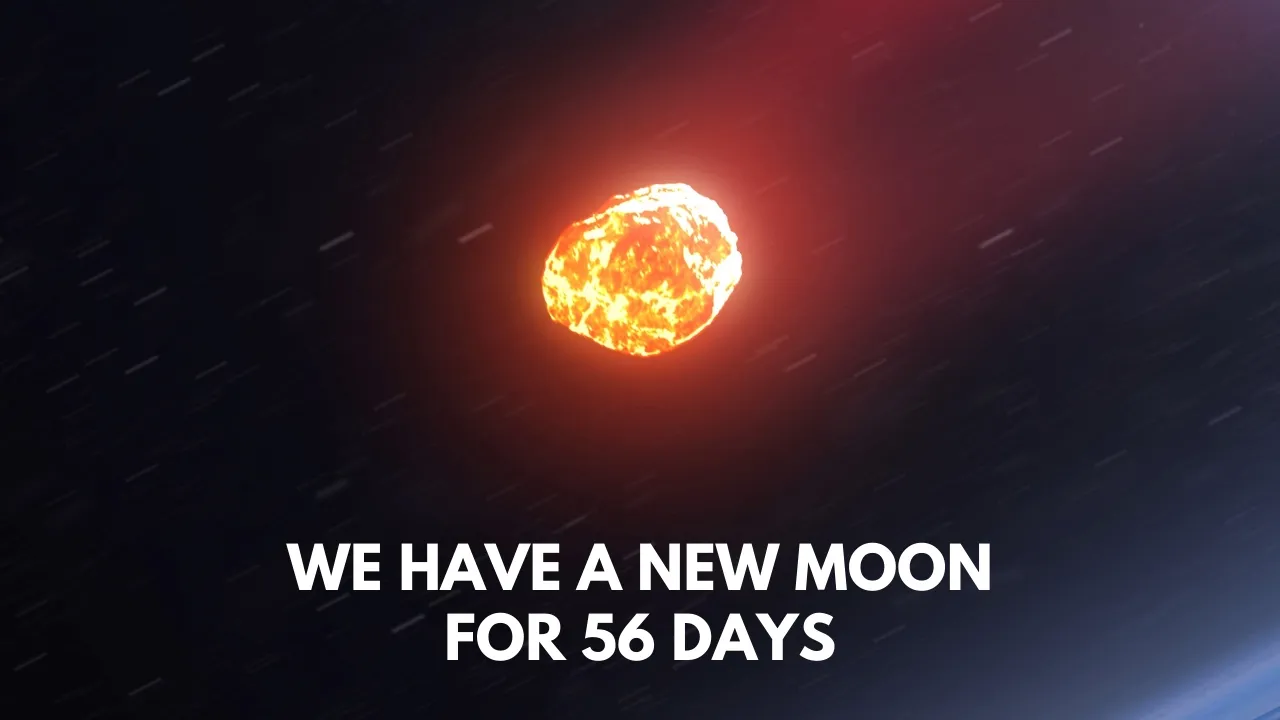
imagine an asteroid drifting through space now picture this rock getting close enough to Earth then it gets caught in our gravitational pole becoming a temporary companion for a short while before it continues its Journey around the Sun this is the fascinating story of asteroid 2024 pt5 a Celestial body that will become Earth's newest Mini Moon for a brief 56 days starting in late September 2024 but what makes this asteroid so special how was it discovered in the first place finally and most importantly how can this Brief Encounter answer some of the most puzzling questions about
our solar system before we begin make sure to subscribe to our channel for regular space updates asteroid 2024 pt5 was discovered in August this year by the atlas telescope in South Africa that's the same telescope that discovered Comet A3 Atlas which is currently approaching our planet and is predicted to become one of the brightest naked eye comets so far Atlas is an automated system designed to spot asteroids that could pose a threat to Earth this particular rock is about 10 m or 33 ft in diameter small by Cosmic standards but large enough to be interesting
fortunately pt5 is not on a collision Cor course with Earth instead it will briefly become a Mini Moon orbiting Earth before continuing its path around the Sun what makes pt5 intriguing is its size and trajectory at just 10 m wide it's much smaller than the large asteroids that usually make the news however its small size makes it more susceptible to being temporarily captured by Earth's gravity giving it the chance to become a Mini Moon scientists believe that this asteroid comes from the Arjuna group a collection of small asteroids with orbits around the Sun that are
very similar to Earth these asteroids are defined by their stable lowi inclination orbits that allow them to experience repeated gravitational interactions with Earth this leads to what is known as one is to one mean motion resonance where their orbital period matches that of Earth allowing them to be temporarily captured by Earth's gravity under certain conditions the process of an asteroid becoming a Mini Moon is a delicate dance between gravity and speed Earth's gravitational pull starts to dominate the asteroid's motion when it enters a specific region in space near our planet if the asteroid speed and
trajectory are just right it gets temporarily trapped by Earth's gravity and begins orbiting us for a short period in the case of 2024 pt5 predictions suggest Earth's gravity will capture it on September 29th 2024 it will then make a single loop around the planet and return to its original path around the Sun escaping the Earth's orbit on November 25th unlike our moon which is in a stable orbit many moons like pt5 have highly elliptical orbits meaning their path is more stretched out and less predictable that's part of why their stay with Earth is so short
while many moons might seem Rare Earth has had a few similar visit in the past one of the most famous examples is 2006 rh120 a small asteroid that orbited Earth from 2006 to 2007 this Mini Moon which was between 3 and 6 m in diameter stayed within Earth's gravitational influence for about a year providing astronomers with a unique opportunity to study a small neear object in real time another recent example is 2020 CD3 a mini Moon captured by Earth's gravity in 2018 and remained in orbit until 2020 this asteroid offered valuable data for refining models
of how small objects interact with Earth's gravity planetary defense researchers are particularly interested in objects like 2024 pt5 because they focus on identifying neear objects that pose a significant threat to Earth their primary goal is to track asteroids that are at least 460 ft across large enough to destroy an entire city so far 11,000 of these potentially dangerous asteroids have been discovered but researchers estimate there are around 25,000 in total even more concerning is the presence of millions of smaller asteroids whose locations remain unknown while these smaller rocks might not cause global Devastation they could
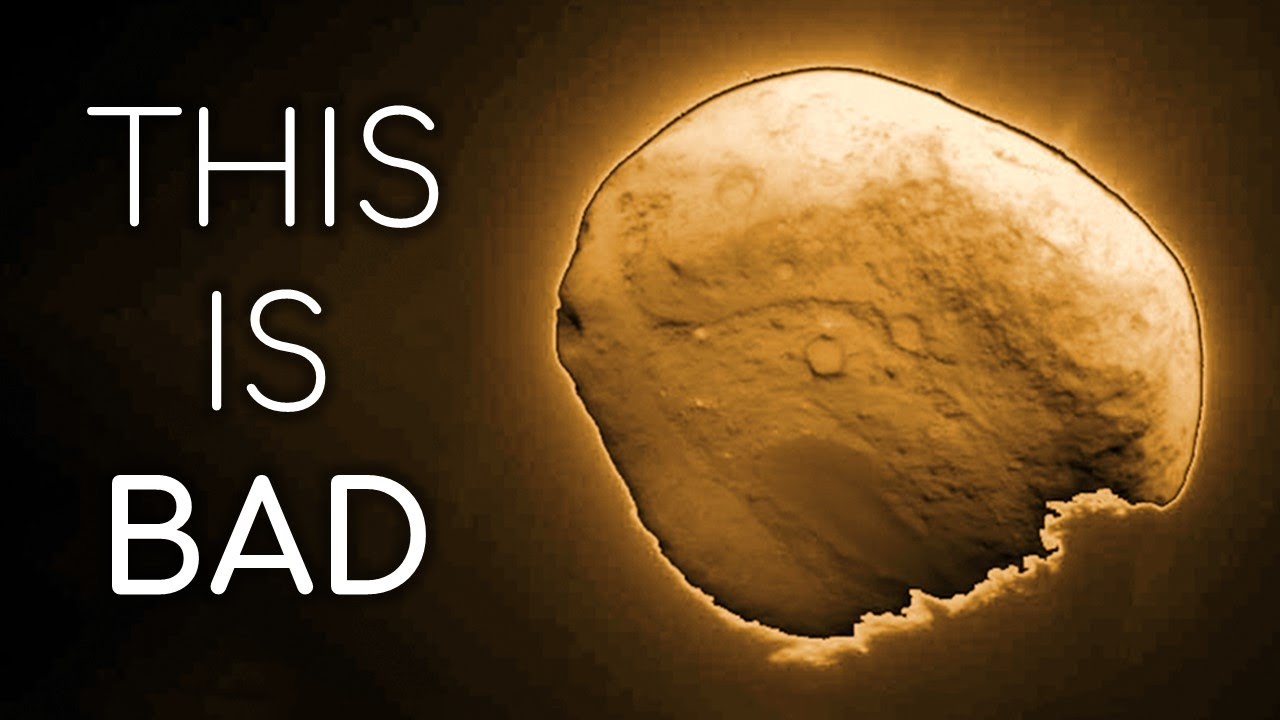
still lead to widespread damage and casualties if they were to impact a populated area though it may only be here for a short time the arrival of pt5 is significant and can help us answer a long-standing mystery regarding our neighboring planet Mars Phobos and deas the two Martian moons have long puzzled scientists because of their unusual shapes small sizes and irregular orbits one leading theory suggests that they might be captured asteroids from the asteroid belt or remnants of larger bodies that once orbited Mars Phobos and damos resemble of the rocky bodies found in the asteroid
belt especially their irregular shapes and cratered surfaces their composition also seems more similar to carbon-rich asteroids than to the material Mars itself is made of if they were captured their current orbits around Mars would be expected to be more irregular however both moons have relatively circular orbits which complicates this idea another theory suggests that Mars might have experienced a massive impact in the past throwing debris into orbit around the planet over time this material could have coalesced into Phobos and damos this is similar to how Earth's moon is thought to have formed except Mars's moons
are much smaller and appear less uniform by studying these mini moons scientists can gather crucial insights into the process of gravitational capture how celestial bodies like asteroids can be pulled into a planet's orbit under certain conditions understanding the Dynamics of these temporary mini moons helps us model how Mars might have captured Phobos and damos if that's indeed what happened 2024 pt5 will be too dim for the Naked Eyes and even typical amateur telescopes and binoculars to observe only professional astronomers using large telescopes with at least 30 in in diameter will be able to study it
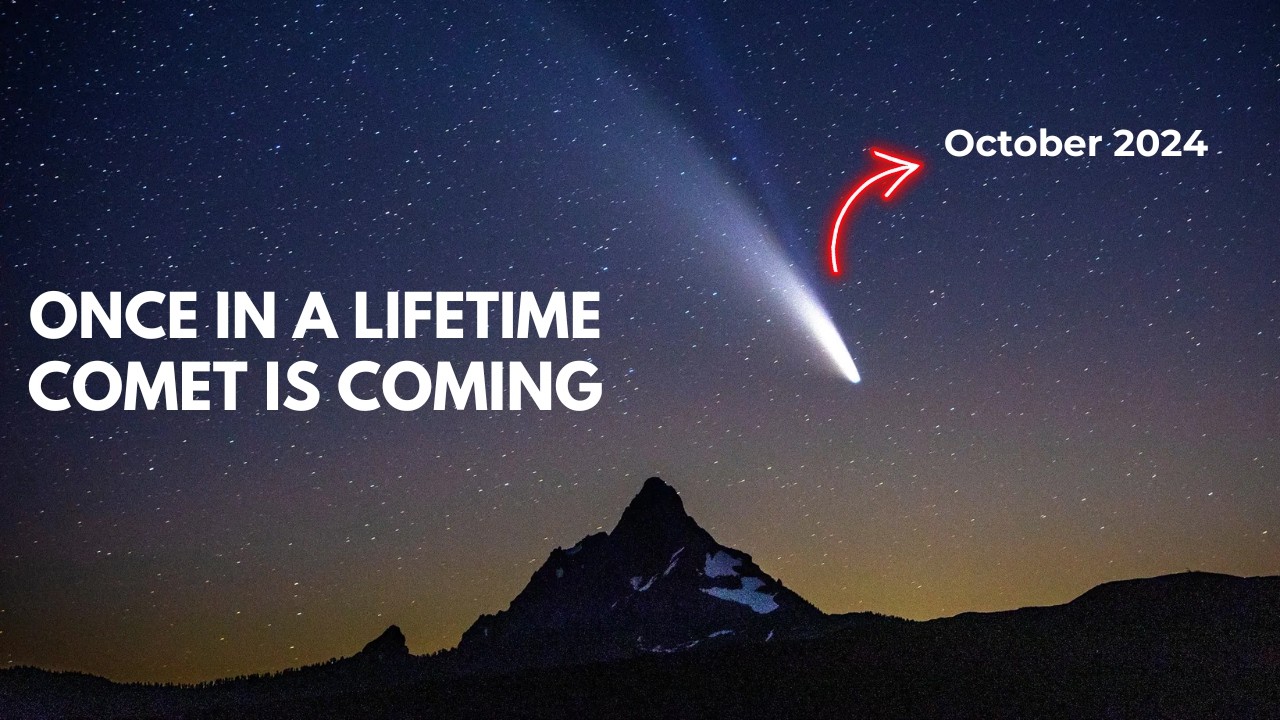
however in the first half of October there's another Cosmic visitor that will certainly put up a great show in the sky it's Comet C 2023 A3 chuchin Chan Atlas discovered in January 2023 while it was still between the orbits of Jupiter and Saturn this comet has captured the attention of skywatchers everywhere after journeying over a billion kilometers toward the inner solar system in just 20 months Comet A3 is shaping up to be one of the most anticipated celestial events of the year the comet will make its closest approach to to the sun on September 27th
and its closest path by Earth on October 12th experts are eagerly predicting that this dazzling visitor will be easily visible to the naked eye even more exciting are recent calculations suggesting that on October 9th as the comet passes between Earth and the Sun a phenomenon called forward scattering could cause its brightness to Surge dramatically potentially reaching a magnitude of minus 4 this would make Comet A3 shine brighter than every Star and planet in the October Sky setting the stage for a truly Unforgettable Cosmic spectacle we've just uploaded a detailed video All About Comet Atlas including
everything you need to know about how to watch it which direction to look and the best dates to see it with the naked eye this is a rare opportunity so make sure to check out this video and catch a glimpse of this incredible Celestial visitor before it disappears thanks for watching see you in the next one