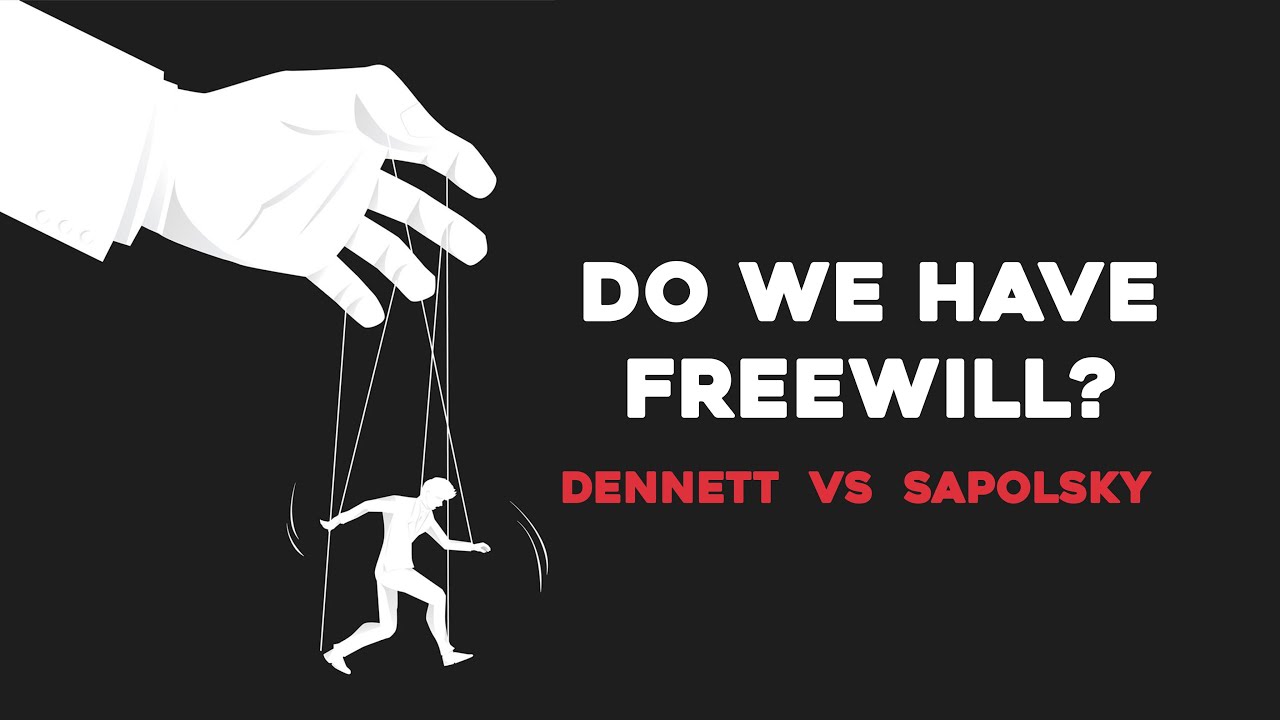
Have you ever wondered if you're truly in control of your decisions? Or even why you clicked on this video? Split-brain surgery has uncovered a surprising truth about our consciousness that challenges everything we thought we knew about free will.
Get ready to question the fundamental nature of who you are. Callosotomy, or split-brain surgery, is a medical procedure that separates the brain's hemispheres, allowing them to operate independently. This technique, initially developed to treat severe epilepsy, opened a unique window into the workings of the human mind.
The results of this surgery raise a central question: Are we really the masters of our decisions? The implications are profound, challenging our understanding of free will and the nature of consciousness. The findings suggest that our perception of a unified identity may be an illusion created by the brain itself, a concept that has the potential to revolutionize our understanding of the human mind and of ourselves Through a unique surgical procedure, our understanding of the mind leaped forward.
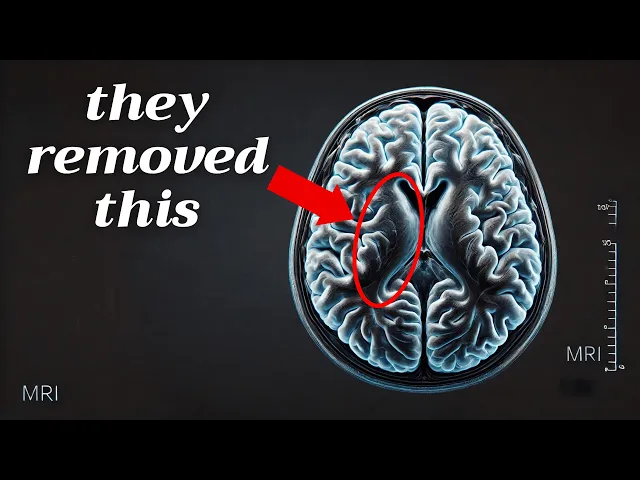
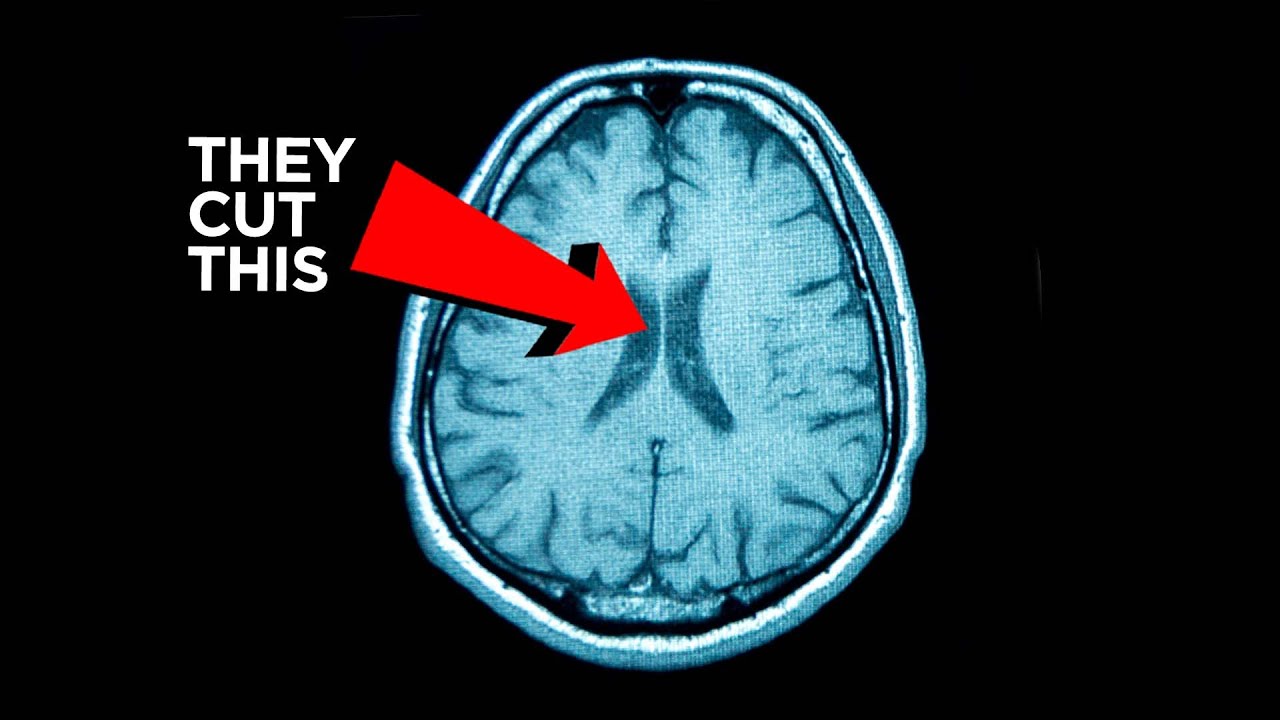
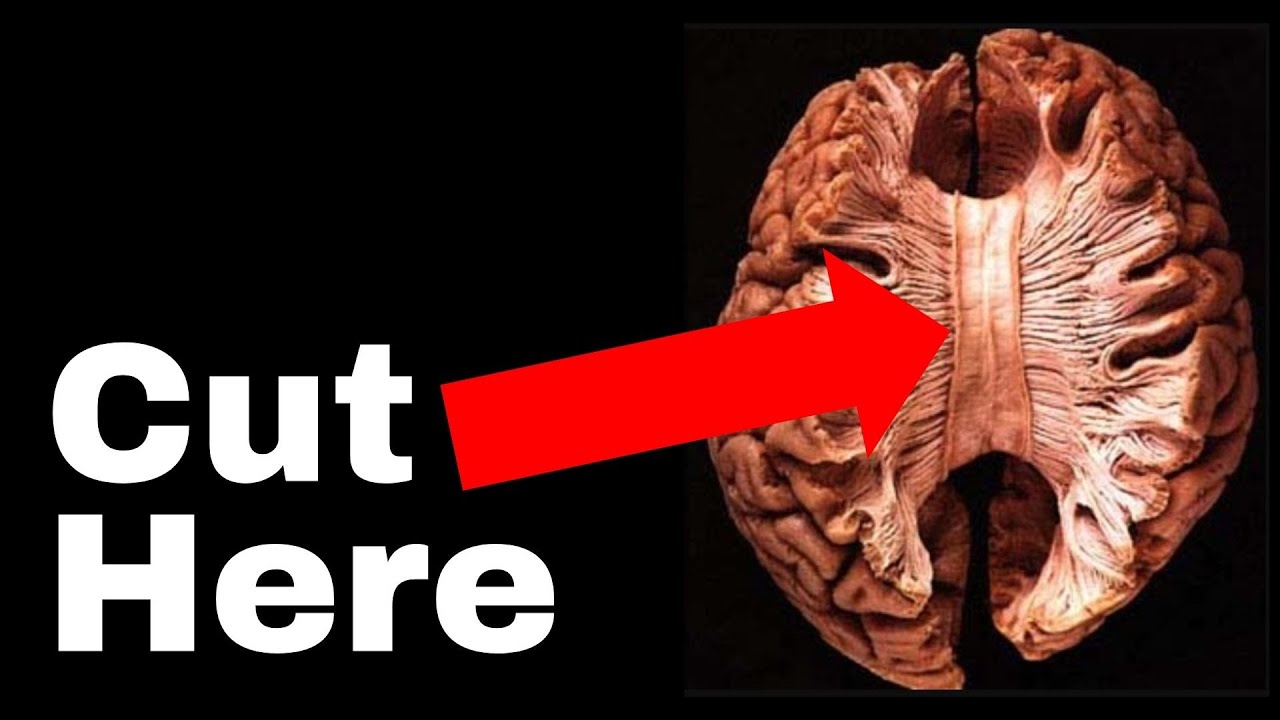
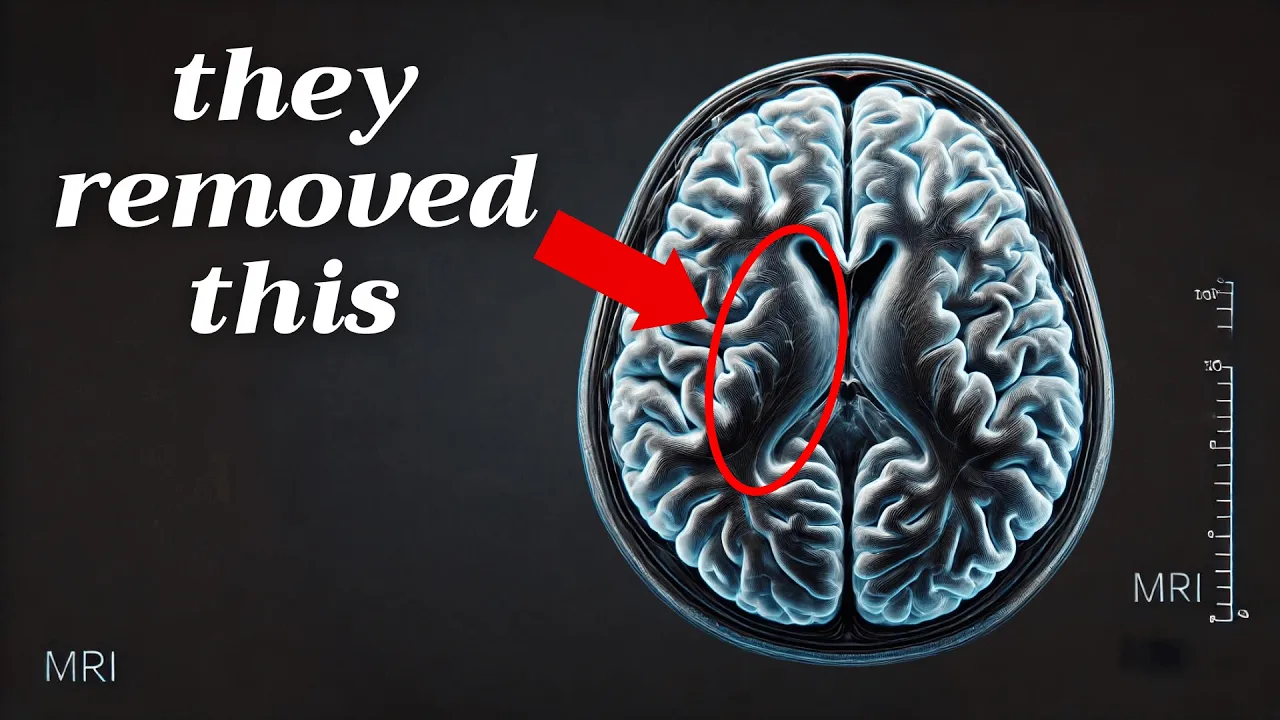
By separating the brain's hemispheres, scientists uncovered that each half can operate independently, raising fundamental questions about consciousness and free will. Callosotomy, or split-brain surgery, was initially developed to treat severe epilepsy. It involves cutting the corpus callosum, the bundle of nerve fibers that connects the left and right hemispheres of the brain.
The corpus callosum, with its millions of nerve fibers, facilitates communication between the two brain hemispheres, helping us experience a unified consciousness. The first callosotomy was performed in 1936, but it wasn’t until the 1960s that the procedure became a refined treatment for epilepsy, opening a window into brain function. Dr Michael Gazzaniga, a pioneering neuroscientist, conducted groundbreaking research with split-brain patients during the 1960s and 1970s.
His studies revealed the distinct functions of the brain's hemispheres, challenging long-held views on consciousness. Gazzaniga’s findings showed that after surgery, the two brain hemispheres could operate independently, each with it’s own capabilities and even it’s own consciousness. This challenged the idea of a singular, unified mind, suggesting a more complex and fragmented consciousness than previously thought.
For example, when information was presented to the right hemisphere, the patient could act on it but not verbalize it a skill controlled by the left hemisphere. These observations led to a deeper understanding of the specialized roles of each hemisphere: the left for language and the right for visuospatial tasks. The independence of the hemispheres after callosotomy raises intriguing questions: If different parts of the brain can make decisions without the others' knowledge, what does this mean for our understanding of free will?
These findings challenge our understanding of consciousness and free will. Imagine waking up one day to find your left hand acting independently of your conscious control this is a reality for some split-brain patients. In a well-known study, a patient was shown a chicken claw and a snow scene, pointing to a chicken and a shovel.
When asked about the shovel, the left hemisphere created a plausible but incorrect explanation. This illustrates the “interpreter module” in the left hemisphere, which constantly seeks to create coherent narratives, even when they’re inaccurate. The split-brain surgery’s results suggest our perception of a unified consciousness might be, in part, an illusion created by the brain itself.
This discovery raises important questions about how we form our sense of identity and control. Alien hand syndrome, where one hand acts without the person’s conscious control, further exemplifies the complexity of brain function post-callosotomy. The division of the hemispheres can result in behaviors that seem autonomous, challenging our assumptions about free will.
The implications are profound: If many of our actions are influenced by brain processes we are unaware of, can we truly claim conscious control over our choices? The idea that our brain’s consciousness is distributed across various systems prompts us to reconsider free will. Are our decisions genuinely our own, or do they emerge from unconscious neural processes?
Recent studies suggest that many decisions are made subconsciously, even before we become aware of them. Dr Gazzaniga’s research distinguishes between “weak emergence,” where properties arise predictably from basic interactions, and “strong emergence,” where new properties cannot be predicted. This perspective suggests consciousness could be an emergent property of brain processes, influencing how we view free will.
Understanding consciousness as an emergent phenomenon has significant implications. It suggests our decisions may be shaped by factors outside our conscious awareness, balancing subconscious influences with conscious reasoning. This interplay creates a complex dynamic, challenging simplistic notion of free will.
Neuroplasticity, the brain's ability to reorganize itself, offers hope in this debate. It shows that while subconscious processes influence many decisions, we still have a degree of control. The ability to shape our thoughts and behaviors suggests we are not mere spectators in our lives.
As Dr Gazzaniga notes, “Action is composed of complementary components that arise from within and without. ” This suggests that, although many decisions are subconscious, there is still an element of conscious control. The interaction between conscious and subconscious processes forms a complex system that defies simple determinism or absolute free will.
Understanding the complex interplay between conscious and subconscious processes opens up possibilities for personal growth. What if we could reprogram our mental patterns to create lasting change in our lives? Neuroscience discoveries not only challenge our ideas of free will but also offer insights for personal development and healthier relationships.
By recognizing that many of our decisions are influenced by subconscious processes, we can develop greater self-awareness and question ingrained behavior patterns. This allows us to make conscious changes in areas of our lives where needed. One promising aspect of this understanding is its potential to improve relationships.
By realizing that our actions and those of others are often subconsciously driven, we can cultivate empathy and reduce conflicts based on misunderstandings. Neuroplasticity shows that practices like meditation, mindfulness, and cognitive-behavioral therapy can alter brain structure and function, promoting well-being. Understanding and leveraging neuroplasticity allows individuals to actively reshape their thoughts and behaviors positively.
Moreover, understanding brain processes can foster a more compassionate approach to oneself and others. Recognizing that many thoughts and actions arise from subconscious processes helps us be less critical and more understanding of our flaws and those of others. This understanding can also lead to more effective strategies for managing stress and overcoming habits.
For example, knowing how stress affects brain function can inform better stress management techniques, while understanding addiction mechanisms can help in making positive lifestyle changes. It's crucial to remember that while many decisions are influenced by subconscious processes, we still have the ability to exercise conscious control. As Dr Gazzaniga observed, “action is composed of complementary components that arise from within and without.
” This means that, although we don't have complete control over our minds, we can still actively influence our thoughts and behaviors. Applying this knowledge can lead to a more intentional life. By understanding the processes that shape our decisions and behaviors, we can make choices that align with our values and goals, leading to greater satisfaction and more meaningful relationships.
Understanding the complexity of consciousness and free will can be a powerful tool for personal growth. By recognizing the influence of subconscious processes on our decisions, we can develop greater self-awareness and identify areas for change. Neuroplasticity offers hope, demonstrating that our brains can adapt and form new connections throughout life.
This perspective can also significantly improve our interpersonal relationships. By understanding that the actions of others, as well as our own, are often influenced by subconscious factors, we can cultivate greater empathy and understanding. This can lead to more compassionate interactions and reduce conflicts based on misunderstandings.
By applying this knowledge, we can live more consciously and intentionally. While we do not have complete control over all aspects of our minds, we can actively influence our thoughts and behaviors, aligning them with our values and long-term goals. If this video resonated with you, write in the comments: “IT MADE SENSE TO ME!
” If you're looking for an easier way to connect with this divine intelligence through meditation, we have developed an audio tool pack.