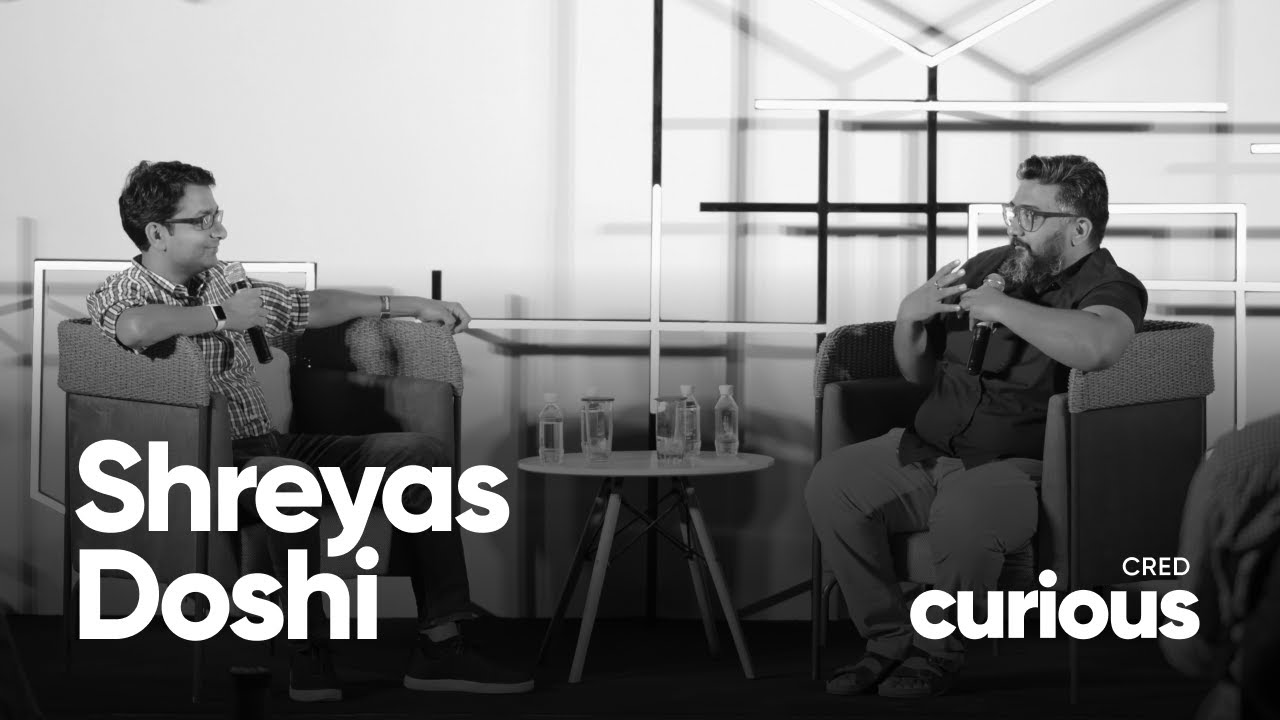
I think AI is going to be amazing but I also think it it it's going to be unfair and what it's going to quickly do is replace the bottom it's going to set a floor that if you're not above this level then there's no point in employing [Music] you uh Shen first of all thank you so much for uh coming on cred curious uh it's a lame attempt toop copy what you try to do in life full-time basis uh uh But uh thank you for being here and I'm super excited to chat with you and
I'm so happy to talk to you again man it's been way too long since we last chatted uh I should tell you one thing that has changed in my life because of appearing on your podcast uh there are so many Founders who I usually reach out to everywhere in the world to connect with them and meet with them and at least 50 60% of them already know me because they have seen the podcast and and uh they Are like oh kunal's here and and I'm like oh I was trying to reach get in touch with
you and they're like oh we've heard your podcast and and and in very different countries have found this uh to be such a big thing so uh uh quite an amazing reach you have uh and and congratulations on that it it's amazing to be able to share your wisdom with people who've never encountered you before and listen to you and then they're like oh yeah this is amazing Feels so good to he Shan so let's start with just give us a quick background uh about you and there are many people from India who will be
listening for this for the first time uh many of us already have read about you and some ways but would be a good to get a two quick things one what is your background uh how did you kind of land up to doing what you're doing and what your motivation behind what you're doing between the podcast books What are you really doing yeah so I uh have a computer science background with an MBA and I joined an intelligence agency right out of University I went to work for one of those three letter agencies uh because
I wanted to serve my country and and Tackle interesting problems that not a lot of people want to tackle and throughout that process you know I started making a lot of decisions and got thrust into positions of leadership and responsibility that I Probably wasn't quite ready for uh but we didn't really have a choice we just had to use who was in the building and you know you put your hand up and it's it's next man up sort of mentality and uh I was nominated and so the blog and the website fs. blog started as
a means for me to reflect on the things that I was learning as I wanted to learn about how do I make better decisions I want to learn about Charlie mugger I want to learn about Warren Buffett I want to Learn what they're doing differently what can I take from that to apply not only in my life but apply at work so that uh we're more successful and our allies are more successful uccessful in what we're trying to accomplish and I was probably one of the first people in the organization to start taking these ideas
from outside and implementing them inside and of course at the time that I started this I wasn't allowed to have an internet presence I was Anonymous I mean I worked for an intelligence agency I wasn't allowed a Twitter profile I wasn't allowed to LinkedIn I wasn't allowed Facebook I mean none of this stuff was allowed and so it was really just an anonymous website and the original website was 68131 d144 4. blogger.com and 68131 is the postal code for Brookshire haway and 1440 is the unit number in C Plaza and it was a series of
digits because it was never intended to be read by anybody else it Was really just intended to be my Reflections on what I was learning and struggling with and trying to connect and trying to piece together and then it sort of took off I guess Wall Street sort of found it somehow and and you know by 2012 I think I think we had 50,000 readers or something or I don't know maybe 25,000 readers and then in 2018 it really blew up when the New York Times wrote a profile on me and you know they called
me and they were like why Does everybody in the world why is everybody in Wall Street talking to you why are you so sought after this guy from Canada and then it really exploded from there and now you know we have a newsletter and a podcast and a website and it's still the exact same thing that it always was it's me reflecting on what I'm learning and now I'm just sharing it with the world and I'm so happy to get to share that with more people amazing amazing um I'm I'm just Kind of curious about
uh a few things uh over reading so much over meeting so many interesting people seeing broad patterns uh what have you concluded as intelligence what is intelligence like what is really the meaning of intelligence over here I'm going to taple that maybe a different way what I've concluded is that the people who are consistently getting the outcomes that they want that Doesn't mean they get it every time but the people who are consistently getting lucky almost as if it looks from the outside one thing that they do differently than everybody else is they put themselves
in a position for Success they play on easy mode as if it were they're never in a position where they're forced by circumstances into doing something they don't want to do and they always seem to be prepared for whatever comes Next and this was mindblowing to me because I haven't really heard this talked about a lot publicly and I don't think anybody's really put this together yet and it's sort of dawned on me actually it really solidified a little while ago when one of my kids brought home a test and you know I'm an Indian
parent I'm an honorary Indian parent because I am like so strict on my kids especially when it comes to school and academics and I want them challenged and I want them them to struggle and I want them to persevere and I want them to overcome failure but one of my kids came home and he gives me this test and he's got a really bad grade on this test and I was like you know looked at him and he's like brugs his shoulders and he's like I did my best and I was like oh now is
not the time to talk about this he's super emotional so let's wait a little while we get the emotions to dampen down and then I talked to him later on that Night I'm like tell me what it means to do your best and he's like well at 10:00 when my test started I read all the questions and I read all the points and I allocated my time and I answered the questions to the best of my ability I was like huh really interesting let's rewind 96 hours four days did you study for the test well
I studied the night before did you sleep well no I went to bed late why did you go to bed late because I was cramming for a test did You get up and have a healthy breakfast no because I was running late so I just grabbed like a pop chart well did you get no fight with your brother yes why did you get into a fight with your brother because I was running late and our bathroom times got mixed up I was like so look at this you chose to play on hard mode you didn't
know it at the time these were ordinary moments you know you're not thinking about what position this puts you in but what you Did was you chose to play on hard it doesn't mean the test wouldn't have kicked your butt uh but you chose to go into that test making it harder than it had to be and so often in life this is what we do we make it harder than it has to be because we're only thinking about decisions and outcomes from the moment of the decision forward we're never thinking about the position we're
in at the moment of decision are you operating from a position of strength are you Operating from a position of weakness or in the language I use with my kids and a lot of adults you playing on hard mode or are you playing on easy mode interesting uh I I I I find it mean so easy to connect with this topic I I find it so hard so I often uh tell people in India there's a word called SAR which is uh Loosely translates to uh struggle to get something right like I you struggle and
and I said that so many of us have become addicts of Struggle because we almost feel that if we get something without struggle it's almost like cheating right and I think uh what I have seen amongst the most smartest people and people who get what they want like you said you called it easy mode I have seen that they absolutely hate struggle absolutely want to find the shortest path to achieve things and remove all the conditions that would not make them get into that position so it's very interesting and And honestly it comes from thinking
preparing planning versus just constantly being busy and doing uh there are there are no points for difficulty in this right uh uh I'm curious to get one more perspective that uh uh what are the few major beliefs if you reflect back from the time you started uh uh and and let's say mid mid to Journey then you're still kind of getting intrumental Knowledge like you you're kind of everything is kind of giving you now 1% 2% return right uh every new conversation or every new thing you read uh what are the few things in the
last few years that like absolutely shook your belief systems like what are the few things that you discovered that kind of resonate with you now that you did not think that that existed or that point of view existed well one thing I never thought about until we talked About it actually was sort of how where we place the emphasis on spending is a signaling mechanism not only is it are you spending more in your living room or are you spending more in your bedroom and then what are you signaling to other people in your bio
so we talked about this and ever since we've talked about it I'm like oh where do people spend money why are they spending money there and I thought that that was like it's just once you see the world that way Everything changes and it doesn't mean that you know that Insight is worth millions of dollars but it changes how I look at things and it actually gives me better insight into people because now I can understand what is it that they value and one other thing I think we talked about was sort of what P
what people signal is something that you can use to manipulate them but it's also a signal of what they value and what's meaningful and what's important to them And you can do that from a LinkedIn bio you can do it from a Twitter bio you can do it from all these things and you can gain a lot of insight into people through doing that and that was something that was like a big that was a big thing for me I still chew on this all the time that's amazing that's amazing and flattering thank you uh
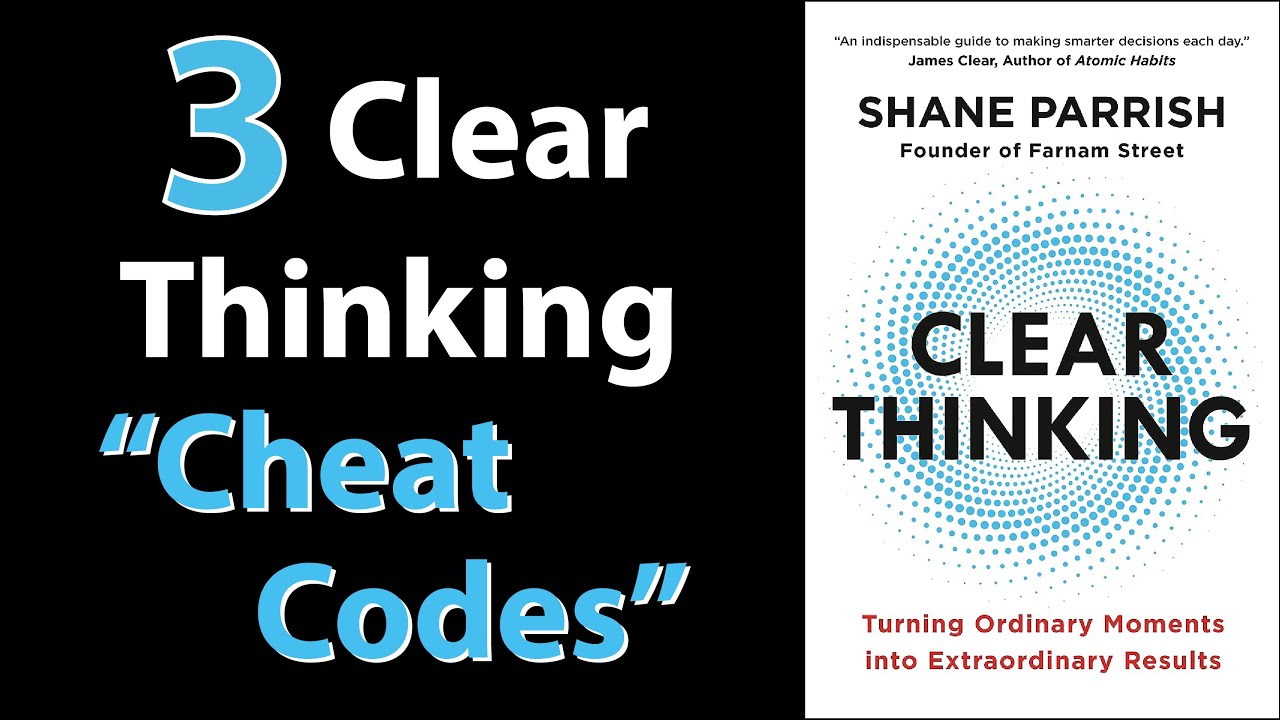
I I I have to ask you a question on uh the book uh uh what was the Insight that you Wanted to communicate through the book and and what was that big moment that you felt that I think this needs to be communicated through a structured book versus kind of a blog post here and there what was the background and and uh then I would obviously want to go into the book a little bit but I'm curious to know the the origin story yeah so I mean I like reading books I love reading books and
I find Books very useful I don't like reading a lot of modern books because I find a lot of books published maybe in the last 10 years not every book by any stretch but a lot of books you read the introduction and you understand the book you don't even need to read the book it should have been a blog post it should have been an article it should have been a thre minute uh you know audio book if you will and I didn't want to write a book like that and so I held off writing
For a long time even though I've been studying and talking to you know Charlie Munger and Daniel cman and you and Warren Buffett and all of these people for my entire life I was like I don't know how to put this together in a way where every page is some sort of it's new it's a new insight every page has something to offer and I think the two big insights for the book If you will that are are unique perhaps and all of these ideas are other people's ideas Just to be clear I am like
the the rapper around the bouquet here these are stolen they're they're borrowed they become part of me some of them I've used for so many years that I don't even know where I got them from but a few of the Big Ideas in the book are positioning matters right playing on easy mode or hard mode and then you have to manage your defaults and some of the defaults we talk about are emotion ego social inertia but when we talk about this Commonly when you read most books when you pick them up they tell you oh
you know it's very simple you get angry everybody gets angry you just need to recognize when you're angry and once you recognize when you're angry you just tone yourself down and it's so funny because it's like that might work 10 or 15% of the time so I didn't want to write a book until I had a really better idea about how to deal with this stuff and the the insight about how to deal With this is how do we take our environment because environment determines Behavior not only physical environment but virtual environment how do we
create an artificial environment whereby we can get better insights where we whereby we can make better decisions whereby we can avoid trouble uh and avoid trouble is putting it on easy mode right so you know you don't send that angry email you don't say those things that can't be unsaid you don't do these Things and so I Look to sports and I Look to sort of Warren Buffett and I looked at all these people and I was like what sort of insights can we draw about how to do that and I think that that was
sort of then once I got that I was like I think you know I have enough year for a book that I would want to read uh a book that I would give away a book that I would mark up a book that you know would be useful to me and the idea with the book was I just want to be Useful to people and I want to get it into as many hands as possible and hopefully people find it useful and I've been so lucky the feedback it's been out two weeks it's blown my
mind we made the New York Times list the Wall Street Journal list I get emails every day from people saying how they're putting what's in the book to use in their life and that makes me so happy amazing amazing uh let let's just go a little bit deeper into this uh I I'm curious uh about Uh uh what is clear thinking like I'm I'm just kind of there is fuzzy thinking and there is clear thinking and and what is really that like if you can just unpack that a little bit like what is what are
the virtues of that yeah so there's three real components to clear thinking positioning managing the urges that get other people into trouble and then thinking independently and in if you're not thinking independently you're not thinking clearly you're letting Somebody else tell you what your thoughts are you're just running on somebody else's opinion you're never going to create advantageous Divergence you're always gonna just do what the crowd is doing and the problem with a lot of people there there's no problem with doing what the crowd is doing best practices are though by definition average so if
you want to create Advent ous Divergence you have to opt out of best practices you have to do something Different but you have to be strategic and insightful because if you opt out and you're wrong there's no points for that you got to opt out and you're right and so how do we create situations where we can opt out and be right how do we manage these urges that we all have Buffett calls it temperament uh how do we do that in a way that we can think clearly in these moments when we don't ordinarily
think and I think something that everybody will resonate with is you Know what do I mean by ordinary moments I mean like my son's test like that the four days leading up to that that was a series of ordinary moments that you know put him in a bad position he wasn't consciously choosing to make these decisions he wasn't thinking or you know you're arguing with your partner or spouse about something so trivial whatever it is maybe you left your shoes in the door or they left their shoes in the door it doesn't like you start
Arguing about something trivial and if I were to tap you on the shoulder in that and I said hey Kun know do you want to put water or gas on this situation you would look at me and you would say water like this this doesn't matter this isn't important why am I spending energy on this why am I doing this and in that moment you're thinking and because you're thinking you're thinking clearly we generally once we think we're generally pretty good but These ordinary moments get us into trouble because we're not thinking and we're taught
throughout our whole life hey if you focus on a big decision if you find the right partner if you pick the right company to work for if you pick the right city to live in like these are the big decisions and we generally think about these we don't you know we're directionally correct we might not get them perfect but generally speaking we get the direction of that Really good the problem is if you don't show up to work and work your butt off every day well it doesn't matter that you pick the best company to
work for doesn't matter you had the best opportunity doesn't matter you had the best boss it gets multiplied by zero think of your partner you don't invest in that relationship you don't put the time in the effort in in the ordinary days the ordinary moments it doesn't matter you're gonna you're going to wake Up to divorce papers you're going to wake up to them walking away from you and the same thing so you have to think about these ordinary moments because they have the ability to multiply all these big decisions by zero and yet we
focus so much on the big decisions and we don't focus on these ordinary moments that determine the outcomes H so interesting you talked about moving away from the automatic mode that your amigdala has got into and kind of Activating neocortex by putting a neocortex question is an interesting thing to think about uh I I had mentioned this to somebody recently that uh uh people with poor emotional regulation can be quite entertaining to watch but in positions of power they can be quite devastating totally 100% and so how do we create the environment how do we
create an artificial environment whereby we can regulate Ourselves better uh ideally we want to prevent these things from happening that's why positioning is so important because positioning doesn't change the fact that you're you're going to get upset but it changes how you deal with it are you on easy mode or hard mode when it comes so you want to avoid it if you can then you want to position yourself to be on easier or hard mode and if you can't do any of those things are there strategies that we can use to Create an artificial
environment whereby we're not thinking and but we're following a rule where we've laid out a process by which that we can follow a ritual if you will that helps us avoid trouble and just gives us that little pause between stimulus and response for our brain to kick in and be like is this moving me toward the outcome I want or away from the outcome I want interesting so interesting uh let's do an experiment on applying the Framework live uh through a potential example let's say we are trying to role play two people who are investing
in startups uh in early stage where data is barely anything you can't really know much uh and and you want to be good at making those decisions uh what would you recommend to someone who's kind to get better at that uh on what how to get to that position and how to unlock that easy mode like what would be the So a couple things come to mind that might be a little bit counterintuitive one is deal flow matters right so the opportunities you're seeing so what's easy mode from a VC perspective I'm not a VC
I'm just sort of like hypothesizing here easy mode is the best deals are coming to me and the worst deals gets filtered out so I my selection pool all of a sudden is better so how do I get better inputs and better inputs in this case means how do I get better deals Coming in better insides is another thing that you want to get so how do I think differently than my peers because if I want to have unique insights I can't think like everybody else so am I consuming the same information that everybody else
is consuming so these sort of go into easy mode hard mode right you're consuming all the same information as other people you get all the same deal flow as other people well you've made your job harder than it Needs to be the second component of that is sort of like how do I manage these urges right and these urges come from environment they come from stress they come from outside influences so what are my pressures am I pressured by investors to invest if I feel that pressure I'm likely to make bad decisions and I'm not
likely to think as well as I could be thinking if I'm pressured by time box and you know Founders are like this deal is closing in 12 hours do you want in or Out well I'm likely not to make good decisions in those moments how do I avoid those circumstances am I what is my process by which I'm evaluating these Investments can I separate the ACT of understanding the company from the act of wanting to invest in the company from the act of does this investment make sense can I break this process up into three
distinct phases whereby I spent a lot of time getting to know the company and the founder and then I walk through This process differently right okay this looks like a decent investment what do the does the investment line up with sort of what I'm running from a money point of view whether it's individually or fund is it the right check size is it the right longevity do we think longterm turn so the company's good now let's check all these other boxes off and then third uh you know am I going to write this check does
that Mak sense I only have one investment left in this fund am I being pressured because I want to raise another fund is this a company that's all over the news and I'm doing it because I want to show it as an investment to my LPS what's my real motivation for this and I think these are the things that you want to walk through and you want to create an environment whereby you're helping yourself get to the outcome you want using process and rules and I think that that sort of allows you to increase the
Odds you're going to think independently what's your reaction to that you do this for a living no I actually I I I have a very different uh I invest a lot uh more on a part-time basis or more on on on a full-time basis I keep building a company I think when I when I think about the framework I think it's a good structure of input levels to follow uh and and that was by qu next question that uh when you have done enough good thinking and enough good Decision it becomes your gut right what
we call as gut so when you switch to that mode right sometimes you don't know how to explain that how do you see that how do you how did you think that how do you make and and you can't really explain what's going on so I believe that what you're saying is that are the input levels that have gone into building a gut and and the gut is kind of playing the role now and and if somebody explains tries to ask you how Do you have this gut feeling then how did you predict this how
did you think of the second order effects and you can't really explain because you don't know what all has gone into building that gut yeah so this is really fascinating right because if you are all in on VC investing your only hope of developing intuition and associative pattern matching is to be all in on this for years if you're just starting out you're not going to have a gut you're Not going to have judgment that's calibrated and so what do you need for intuition to develop you need rapid feedback you need a lot of repetitions
and you need the same environment and when you have all three of those things your gut tends to develop fairly quickly when you don't have all three of those things it develops really slowly and so you if you're all in on this and you do it for years you can have Associated pattern Matching this company reminds me of this company here are the similarities between them it's like um you know searching on gole instead of an exact quote it gives you here's the most likely result that's what you're trying to do when you're developing intuition
about Investments I think that that's a really hard skill to get to and you're never going to have a chance of getting there unless you dedicate significant time and resources to getting there or You can make it happen right you're in a position where we have millions of followers or you're in a position where you can totally influence the outcome well now you've created easy mode again right you've create an unfair playing field whereby hey I'm going to invest in your company and now all of a sudden I'm going to expand your reach by like
a million people so interesting so interesting uh can you can you talk a little bit about The associative pattern matching and and let's say you are trying you're young in your career and you're trying to build this right uh how does one go about it because it seems like some people are just naturally gifted but doesn't seem to be the there has to be some input levels to build the skill like we can't just think it's a gift and move on with it what's your thought on first of all what is it and and how
does one build it yeah so I mean there are differences Between people at Birth and you know we just consider that luck and you know so there there's slight differences in IQ between people and then there's differences between the household and the environment that you're brought up in but at some point you take control of your trajectory and it doesn't matter where you're starting on that grid it just matters where you where you are and what your potential is and at the point where you take control of your potential Well then you can start dictating
okay how do I develop my own you know I grew up with all these hidden rules and these hidden beliefs about was possible but now I'm an adult and I have to take responsibility and control for me being an adult and I want to change my trajectory so what can I do to develop better insights and better pattern matching well you live in a time that we've never lived in before where you can get direct information from the Smartest the best people in the world you can follow them on Twitter they might not talk to
you that doesn't matter you can listen to their thinking live you can listen to their earnings calls you can read everything that they're writing especially when they're writing direct and what you're doing there is you're changing your inputs and when you change your inputs not only do your standard start to increase but now you start to see patterns between these People and that's the dawning of associative pattern matching hey Toby luk is doing this but so is Canal maybe there's something to this I want to dive into this they're using different language around it but
they're actually doing the same thing what is that thing that thing seems really valuable now I can start developing that Associated pattern matching and now I can start getting insights that other people don't have and all I really did was start Filtering the information that came into my head to get a higher quality of signal and lower noise amazing I love it I love it uh let's uh talk about um uh since you probably started writing uh I'm sure it been a a while that you were writing about this book and thinking about this p
and suddenly GPT arrives and we are all in this AI world uh and what we so I asked uh Sam uh at an event Uh uh what has what does he feel about humans after he's gone through the Journey of building Chad GPT and open Ai and he made an interesting observation he said that uh I used to always think that humans were the special species that were gifted intelligence and now have come to a conclusion that intelligence is just a property of matter uh uh and and not be our special gift anymore right and
and fascinating and scary at the same time uh but I'm Curious to know what is your view on what's going on with GPT and Ai and and uh how do you see the second order effects of this that's an interesting observation by Sam I'll have to ruminate on that before I I offer any Cs on it I think I think AI is going to be amazing but I also think it it it's going to be unfair and what I mean by that is like you know Jeff Bezos and I have the same tools available to
us he uses an IPhone so do I but the way that he uses that iPhone creates a lot more leverage than the way that I use my app and AI is going to offer leverage at various levels from you know uh the bottom of the food chain to the top of the food chain and what it's going to quickly do is replace the bottom it's going to set a floor that if you're not above this level then there's no point in employing you your judgments aren't good enough Ai and but that floor is Always going
to be rising and it's going to allow your best people to be even better right and so then this is how I think about it where your best your most valuable employees are are are not going to be 10 times better they're going to be a hundred times better all the time that they spend searching for information all the time that they spend on rudimentary tasks is gone all the time they spend interacting Going they can now do the thing that they do really well and they can do it better than anybody else and they
can get the insights now it's a race between can I keep up can I be better than AI because now all the sudden complacency is not really an option whereas with people complacency is an option if I'm slightly above average then I can be complacent I'm less likely to get get fired and I'm less likely to lose my job and I can still a little lazy but now All of a sudden I'm in a race I find myself in a race with AI because that AI might be starting out at a 25 and I might
be a 52 but that AI is going to increase every year and can I increase faster than AI can increase can I demonstrate value can I create value can I have unique insights and unique judgment what's going to be common is AI is going to be best practices but by definition best practices are going to be average and so again how do I create Positive deviation or advantageous Divergence from the crowd I need to know when to opt out of AI I need to know when to use judgment the same as policies and procedures and
organizations you develop these procedures and the most valuable part of that procedure is the person who's executing it opts out this procedure doesn't make sense in this situation right they're exercising judgment and it's that judgment that Allows them to be paid really well I love it I love it I'm curious what are your thoughts though I'm I'm so curious about your second order of thoughts uh I I I have very similar view uh okay I believe that uh every technology uh has managed to cause advantages uh for the whole Humanity but extraordinary advantages for a
small group of people who know how to leverage right uh in fact I was I was almost almost going to make a recommendation in This thing when thinking about what you're saying as was like What if you could see the GPT searches of the best Minds it was public information because it's not about the answers anymore it's about the great questions and you may not be the best to ask great questions so I was going to ask you that how do you use GPD uh and I'm I'll tell you how I do it I'm curious
to know how you do it so three four things that I do regularly is uh uh Uh ask about the input levers right so I will say if this has to change and this has to happen in this situation what should be the five input levers uh for that for example I recently asked that if somebody has to be great at making decisions what are the 10 put levers then it does a good job and then I I asked GP that what are the two questions I can ask to know if somebody has good judgment
right and it does a good job of just doing that again and again so Almost acting like my thought partner on uh being able to answer that second is I make conjectures to GPD and I asked GPD to go find me three points to support what I'm saying and three points to kind of break my belief system right and it's not the best at it but it gives you very interesting point of views sometimes it gives you evidence that you're right and yes there is these three evidences on why what you're saying makes kind of
makes sense The third thing is uh the the image thing I'm playing a lot of fun with right now so I just like took a picture of a landscape and say how do I clean this up how do I make this better how do I make this Garden around the pool look better how do I uh oh I'm wearing this thing uh does it match up what could be the better styling and it's just just a uh uh thing to just kind of learn from personally but I think the more important things have been like
uh Summarize all the customer complaints that I've got last week and give me in order of importance what I should be working on right uh and I think you are right if people if people really want to do high impact stuff by generally being lazy I use the word lazy in a in a very generous manner over here and and I say that you don't want to be busy but you want to do only high impact things GPD is a great tool to uh get there now my view about what's going to Happen to humans
uh uh is uh our ability so every techn so if you go back in 30 40 100 years uh Generations did not have to upskill regularly to be relevant right you could have one skill and pretty much live your life doing that uh we are entering a time where if you are a person in college right now like what do you really tell them on what to skill them on like I would I would say that just become good at critical thinking or clear thinking or whatever but you can't Teach like you can't even give
them any guidance on what they should be learning uh because you may not be needed to do that like I recently uh took a massive chart that RBI recently published about how India's national savings are and all like a complicated chart of lots of rows I just put an image and and asked questions to GPT and it did better than any humans could do for that for me and and and instantly right so the thing is that what do you really tell them to Become good at from here on right uh so I think the
the the need to upskill is going to be so frequent that what you call us race but I think it's going to be a point where it will not make sense to do that right you will just like imagine we start playing a sport and I realize I can't even get one point out of you yeah do I play that game anymore so I'm worried about a large chunk of human population feeling that it's not a game Worth playing and therefore cause some different order of second order effects where uh uh uh people who are
good at leveraging technology will have to find ways to kind of manage the whole thing now uh we we always keep talking about Universal basic income and all these things but I think these are not Simple Solutions because we we are living in a world where we have mematic envy that makes us not not happy with what we have no matter how much more is It than what our parents had or our grandparents had we are looking at Celebrities almost every second on how are they living their lives and what kind of fancy things that
they are doing and what kind of fancy places they are at so our our our mematic desires and our skills are going to be at such major odds that we'll want to destroy every mtic God so that we feel equal so I think we're gonna sorry you think we're GNA go I Think we're gonna go into a big cancelling world uh where we'll want to kill everybody who has anything that has mematic Envy so that we feel equal with them uh in in some ways and and it's going to be uh I mean I think
there is no way to predict second order effects but I don't see it's going to be a a soft Landing it it would be interesting to ask chat gbt with the second order effects so can you and it cautiously avoids it it Cautiously avoids making than that I think you know there's a lot of things that you said that are right we one of the the principles of psychology that I think a lot of people Miss are we have a need to contribute to society we have a need to be part of something larger than
ourselves and when we're not that we start having mental health issues we start having uh you know we start acting out of emotion a lot more and examples of that were during Co and not working In person with other people and not being connected to the people we worked with one of the first things to go was we didn't feel a part of something we did outside we felt part of a global pandemic but in the company we worked for we didn't feel part of something larger than ourselves we felt disconnected from the community we
felt disconnected and that started showing up in mental health issues in in people on mass and I think that we have a Fundamental need to be a part of something larger than ourselves to be contributing to something beneficial and good and I think that we can't underestimate the role that that plays in human happiness the rewards are going to be different for people who know how to use and take advantage of AI and the people that can leverage themselves and go from five times leverage 200 times leverage and they're going to be just proportionately rewarded
when it comes To teaching skills to kids I mean you're right but let's invert it right what we don't know what the future is going to look like but we do know that are several skills that you can learn that are going to help you no matter what the world looks like are you resourceful can you overcome adversity can you work hard right these are not going away these things are always going to be the case yeah and I I I agree with you about you know these Problems aren't easy to solve uh but in
in a way they're really good problems to have right the advancement of society and you know collectively I don't think we're we're anywhere you know in the the next five years about AI sort of like running 80% of people out of jobs me right now you might be able to replace 20% of people with AI or 80% of government but 20% of people and you know I think in the future that number is going to go up so You need to advance your skills and that's good right that'll be a forcing function for everybody um
to get better at what we're doing and to get us out of complacency which society advances and it doesn't Advance when we're complacent but I think there's so much we can do with it in terms of how to use it just going back to the the question at the very start I love the ways that you're using it I don't think I've been that clever but how to use it I mean we've Already replaced some Outsourcing with it right so we you know I'll I'll upload stuff and I'll be like edit this for spelling and
grammar don't change any words but edit for clarity spelling and grammar and it'll come back and it'll make minor edits and it's 100 99.9% grammatically correct so the people that we were paying before it managed uh editing and all of this stuff with the exception of podcast transcripts where we we sort of um fill in blanks and do a Lot more detail with them I mean all that's gone away we're saving thousands of dollars a month in editing wow and you know I I'll put things in and you know when I'm struggling writing something and
I'll be like I'm struggling with this what do you think I'm struggling with and I'll just upload a paragraph or to and it you know sometimes it comes back with like you're missing the key Point here right like it really points out so what did does do is If you think of decisions and all the things that get us into trouble as blind spots you know all the source of all bad decisions blind spots well chat GPT can now all of a sudden start Illuminating blind spots for me and you want to it doesn't mean
you're going to win that's a different scenario right if I know everybody's hand in poker I don't have any blind spots that doesn't mean I'm going to win the hand but it means I'll play my hand perfectly Yep and so I think what we can use it for is like getting input into our life getting input getting a different perspective on our life getting different um perspectives on our work right so sometimes I'll be like how would Marcus Aurelius look at this problem and all of a sudden now on my personal board of directors I
have somebody who's been dead for thousands of you know thousand years and he's all of a sudden helping me with my problem Because chat GP GPT can assume his Persona better than I can how would Warren Buffett look at this problem what would he consider to be the most relevant variables and that doesn't mean it's right but it's going to keep getting better and it just provides you a different lens into the situation everything comes down to like how we're looking at it the problem like all cognitive biases are basically the fact that we think
what we see is all there Is to see yep and so if we can start looking into the system from a different angle I can start reducing I'm never going to eliminate all my blind spots but I can dramatically reduce them and I think one way that AI can help us is that the other way that you mentioned that I thought was really clever and we're using this right now with the great metal models books is we're about to republish them and we've fed all the cants into you know the thousands of Reviews on Amazon
into chat gbt and we're like give us some insight onto this and I think it's you know before well this is interesting right because before that would have probably been a full-time job for somebody for months yep uh and and my ability to extract insights from that would be 100% related to their ability to determine what is an insight and what isn't an insight and you know if you have the right person in that role you're going to get the right Insights but if you have an idiot in that role you're not going to get
any insights you're going to get the wrong insights from that yeah and so now all of a sudden you can see how this is going to take over how it's going to replace jobs but not only that you can see how it's going to give the best people more leverage Y and make them faster that took minutes yep it would have taken months before yeah I think I think that's absolutely true uh the the The absolutely crazy thing will happen when um the best people share how they use this and that compounds like we spoke
about how are we using this and imagine if this becomes a way of people sharing company sharing what they are doing uh for example I've been few few demos and I'm like wow like I I I was invited to a a global uh Banks uh AI demo thing and and I saw the demo and I was like this means like 50% of People are not needed by the bank anymore if you really are going to make these things live and this person said that oh but we cannot we cannot let people go and and I
think that's the right thing to do but what makes well hold on wait let's walk through that right so there's a couple of angles to look at this through which is from an existing bank that is protected by regulations from new entry if I can prevent competitors then yes I Can keep those people employed if I can't prevent competitors then the next bank is going to be much more efficient because they're not going to start out with all these people and then you have a political problem which if we have mass layoffs of the lowest
levels of jobs the levels most easily outsourced already to AI well now we have a political issue and that can cause a whole bunch of Discord within our country and between our country and Other countries and that becomes like a really interesting problem to think about and how it manifests itself but the seeds of Destruction are already sewn you you can delay them but the seeds of Destruction are the next company that starts is using Ai and whatever they're doing so your competition is coming and if you want to survive your competition you have to
imagine this world where your competition has all of these things Working for them already yeah I I I met a Founder uh who's building an AI based company using GPD and very interesting interview framework he's implemented uh wait tell me more about this because interview framework is the following uh it's a regular stuff but there is in one assignment and the the assignment is so complex that and you are going only 24 hours to complete the assignment unless you are really good at using GPT you are not going to get this Assignment done so the
the key way to getting hired over there that no matter what the function is you're getting hired for legal you're getting hired for something else it doesn't matter the assignment is so hard that unless you are really mastering GPD you'll not be able to complete the assignment in 24 hours and that's the only hiring criteria that they have now imagine this person has managed to get these high leverage People into the firm and this is a new company which means it requires significantly less people to get uh more stuff done and I see their demos
and I'm like wow this is next level but now imagine doing this an existing company yeah imagine it's a it's a thought experiment everybody's given an assignment again to secure their job again yeah uh I mean that that that's a that's a great way where you can take advantage Of chat TBT to hire better and instead of you know hiring twice as good now you're hiring five times as good as before and and that in and of itself will lead to nonlinear super nonlinear results yeah imagine an AI interviewer uh versus the biased human interviewing
that we do uh in a job situation uh it would extract more insight and by the way guess what it'll be extraordinary reading face expressions it'll be extraordinary at Reading uh a body language it'll be extraordinary at all the other things that you have no clue about yeah in in judging can you imagine being on Zoom with your company and all of a sudden AI pops up when I'm talking and you know or somebody's talking and just little button goes up over it it's like he's lying he's not telling the truth he's being evasive uh
and you know like what will that do to meting uh yeah it'll prevent sort of Like B people from hiring C people uh it it in a way that we haven't been able to really do before yeah small companies can do it but bigger companies haven't been able to do it it'll be interesting to see how all of this manifests itself through Society I mean there's always going to be a market for insight there's always going to be a market for hope there's always going to be a market for meaning and these are things where
we can we can do a lot of things as humans Leveraging AI to get better results it's going to be fast we can we can talk about this topic all day long I'm going to move to some questions I we have less time we have next 15 minutes to cover a few things I have a question that I asked bunch of people on Twitter uh uh and and uh I I'll probably go through some of them uh but you can also uh look at them you can probably see them right now uh when was the
last time you didn't think clear in Retrospect would you want to edit action decision you took at that time well let me I'm trying to think of an example that that comes to mind that had consequences that was sort of like significant not trivial and you know without getting into the details I um I made a poor decision uh In the Heat of a moment I don't know three four months ago and so this is after I written the we all do this right I don't Want to be held up as the Paragon of somebody
who thinks always thinks clearly that's not the case the point is that we can be better at it and and what I did was I replied to an email fairly snappily late at night uh and it had a lot of implications and on that night what had happened I was tired from the day I was you know the kids were emotional uh that evening I was trying to get things off my plate and so I replied with thinking I mean we all do This this is human we've all done that so what would I want
to edit the action decision no I mean would I change it yes but do I want to edit it no because it becomes a learning experience The Learning Experience for me was like okay one of the ideas that I talked about in the book is rules how do I create an automatic rule so I can prevent this from happening again which is you know I'm not going to send emails past 9 pm unless there's an emergency I can just Create a rule around that I can even like delay them on my computer I can come
up with a software rule around that there's lots of situations where I'm like okay uh if I'm going to be prone to do that and then I look into what went into that right why was I so emotional well I've been back to back to back to back meetings for the last few months and so this has been part of the book launch it's part of the process I get it but it's also contributing to me being a Little more irritable a little more on edge and saying things that can't be unsaid or saying things
that I don't want to say all of a sudden I'm going to change that I know it's happening I'm going to put myself in a position because right now playing on hard mode I want to play on easy mode I know exactly what I need to do to go back to easy mode makes sense uh uh the next question I think you've already answered so I'm going to jump to the one after that uh What are some of the contradictions that Co exist in the brightest Minds I don't know if I understand that question really
basically let me let me try to kind of decode this in some ways like uh like what what are some of these crazy contradictions that exist in Bri's mind for example chaotic but structured or perfectionist but like absolutely un like un like complete chaos like like what are the things that you've seen That kind of exists as contradictions in the brightest Minds well I think you know maybe I'm getting the question wrong but what one thing that comes to mind is the brightest minds tell you a particular approach to doing things or something that's valuable
or a way that they do it and the contradiction is that that works in their environment and might not work in your environment but the real insight is that they've set up their environment in a way that works For them and I think that that is something that we sort of Miss here in in terms of how people go about this I mean everything is is basically a belief right so one thing can be true and the other thing can be true I think Peter Ste lays this out in zero to one he sort of
lists 10 Common points of wisdom and then you know on the next page lists the exact opposite and they both seem true and they both can be true and and I think the the Insight that we need to Have is that um anything can be true we have to think about how it exists in our environment and so when Buffett makes things simple they're not simplistic um they're simple in a way that he's come out through complexity on the other side of Simplicity and I think the other thing is a lot of these people talk
in I want to say sound bites but there's probably a better word for this to sort of give you they give you the compression right if we think of Learning as a loop between experience reflection compression action and that's the loop of learning they've had the experience they've done the reflection they come up with the compression they give the sound bites Buffett is really good at this Munger is really good at this gives you the sound bites they sound so simple and they sound so simple that we ignore them but they're not simp simplistic they
come from massive amounts of experience and Reflections And you can basically deduce all the rules of investing from walking backwards from Buffet rule number one don't lose money rule number two see rule number one and if I work backwards like what would be the reflections that would draw that conclusion I can start coming up with the principles for investing just from that simple statement I love it uh I think the the point to note what you're saying about the compression thing is that I mean my I you you call it sound bites I call it
abstractions right like they they just crazy abstractions uh and and sometimes uh something that some abstractions that have lasted for centuries are actually quite deep and sometimes you just don't realize how like for for example ancient proverb about something right uh and and we take some of these things as fun things to say but there are these compressed wisdom which and people sometimes go through through these Things I I still recollect one which is a Polish prb which says a guest sees more in an hour than the host sees in a year right and such
a interesting thing to just kind of put that perspective and you can suddenly start doing that so the way I applied that is every time a new person joins cred I tell them in 15 days 25 days can you give me your key Reflections because you are not the host yet you've not become system yet but you will have the sharpest observations and I have learned immensely from that one compressed wisdom applied in other context and and kind of lived but you're right it's very hard to people to kind of see that application layer uh
also another thing to just say that you need to find the motivation to apply everything right for example don't lose money can be Loosely applied to don't hire idiots yeah and see rule number one right yeah and and and the thing is that if you just do That again and again and again and again you'll be fine right because it's so funny because we're chasing complexity when the answer lies in Simplicity 99% of the time but we want to feel bright so the simple ideas don't carry enough weight with us because our ego takes over
and we want to feel like we have a unique Insight so we want to make it harder than it actually is and the process of making it harder than it actually is we sort of choose to play on Hard I I've seen a beautiful bov meme which is showing a low IQ person and a high IQ person and and a full Bell cve over there and it talks about how to lose weight uh and this one says eat less work out more and the bright person says eat less work out more and everywhere in the
middle is like oh you need to do this diet you need to do this you need to do that like all sorts of things going on but ultimately things are just Simple uh but that's the that's the thing we should move to the next question yeah this is an interesting one uh I'm also curious about this uh you worked at an intelligence agency uh uh a three alphabet one and and you obviously had to deal with situations like what have you learned in about reading people and I'm sure there's a very distinct way when you
did a podcast with me I actually was exhausted after that podcast I it it it it it took a lot out Of me so there is something that do and I've not experienced that with anybody else what is going on well I I first of all I didn't work in a human intelligence agency I worked in a signals intelligence agency with that said uh I mean when you work with people in human intelligence you sort of pick up on things and I think that uh some of the things I developed in intuition about is people
right and that doesn't mean my intuition is always right but Having met thousands of people throughout the course of my life and having worked with a lot of people you develop little tells about people are they consistent are they reliable can I trust them uh what makes somebody trustworthy will consistency and reliability go a long way to building trust and what do I do if I don't have that person in my life well you get rid of them uh and that doesn't mean you have to forget or forgive or any Injustice that they've done to
you it doesn't matter but you don't try you try to repair that relationship once and then you move on right so what have I learned is that I don't hang around with toxic people I get those people out of my life as quickly and easily as possible and as politely as possible again you don't need to forget you don't need to forgive you don't need to do any of these things in order to move on uh but too often we let the people around Us dictate who we become and what we think and I think
one thing that I've learned is that those people have a really really big influence on you so you have to curate curate that you also have to curate your inputs and this is something that intelligent agencies are brilliant at we don't think about but the same lesson applies to Twitter who am I following on Twitter what thoughts am I allowing into my head what's the signal to noise ratio of this I'm not a Computer processor I'm not going to be able to filter out the signal through all the noise so how do I think about
this well the lead Domino here is to get you know who am I following unfollow everybody you're following today and start again from scratch uh and maybe even Max it out have a rule that you can't follow more than 250 people or something and just follow 250 of the brightest smartest people don't think about it in terms of politics don't Think about it in terms of anything else just follow that because those inputs become your thoughts and those thoughts become your actions in the future and so you're letting this dictate the same as an intelligence
agency there's a huge difference between low quality information coming in the building and high quality information coming in the building but we never think about that with what we consume are the books I'm reading the people I'm hanging out with The thoughts that I'm I'm following on social media are those high quality information that I can use to become the best version of myself I love it um Shane it's close to an hour so I'm going to probably wrap and ask you one final question uh what are the three reasons somebody should buy your book
oh uh you know don't buy it if you don't want to buy it so there's no marketing on my end here uh I mean I Think if you're feeling stuck or you know you're you're wondering what you can do better and put yourself in a position for Success the book offers you a road map of time tested insights uh that hopefully people are still reading in 20 30 years and it's something that you can apply uniquely to your daily life and work and it's something that should help you get the results that you're looking for
amazing amazing Shane thank you so much I I I wish we could Chat for longer I'm going to come see you sometime soon uh yes I would love you meet in person uh uh and and uh uh I have so many topics to chat about but uh someday soon uh uh maybe in can would love that yeah let me or let me know when you're in New York next I will do that okay take care all right guys thank you very much I appreciate [Music] it