hey gotat lovers and welcome back to another video while most of the time your cat is a perfect companion there's always the occasional unwanted Behavior whether it be scratching your furniture or jumping on your countertops there are times when it's important to tell your cat no but how do you tell your cat no in a way that they understand that's what we're here to explain if you enjoy this kind of content subscribe to the channel for more cat videos now let's explain how to tell your cat not to do something and some common training mistakes
to avoid does your cat understand no when seeking to correct your cat's Behavior it is important to acknowledge that your cat can't always understand the message you are trying to send them because we can't communicate directly with our cats sometimes messages or signals Get Lost in Translation so your cat does not inherently understand what no means however cats are highly intelligent animals and they do have quite a good understanding of body language and expression in fact one study published in the National Library of Medicine concluded that cats use visual and auditory cues to recognize different
emotions in their humans the same study also showed that cats respond accordingly to the emotion that they are detecting in their human so cats make an inference about how their human is feeling based on the tone and volume of their voice as well as facial expressions and body language based on the emotion they determine that their Guardian is experiencing they adapt their behavior in response with this information in mind it becomes clear that cats can not only recognize when we are upset with their behavior but they can learn from your reaction while cats aren aren't
known for being as trainable as dogs they certainly can learn and adapt their behaviors based on your response in other words your cat can learn to understand when you saying no but it is important to do so correctly your cat does not inherently understand the word no nor do they know that their actions are good or bad while it may seem obvious to you that tearing up the furniture is bad your cat does not see it that way approaching your cat's behaviors with an understanding that they are not intentionally upsetting you is a great first
step from there you can work with your cat to teach them boundaries and good behaviors in a way that they will understand how to teach your cat to understand no just like you can teach a dog to associate the behavior of sitting with the word sit you can teach your cat to associate the meaning of no with the word itself it will just take a lot of consistency and patience earlier we discussed how your cat does not inherently understand the meaning of the word no but they can come to recognize the sound and tone of
it this is why consistency is important if you say no in an upbeat high-pitch tone and then say it in a low serious tone your cat probably won't recognize that you are saying the same thing when teaching your cat the meaning of no you need to be consistent in the way that you say it make sure to be firm and emphatic in your pronunciation to ensure that your cat understands what you are saying however while you should be assertive you should not be harsh do not yell at your cat or attempt to scare them as
this will lead them to associate no and even you with fear and anxiety rather be consistently strong in your tone to get the message across while you say no physically but gently remove them from whatever they are doing for example if your cat is scratching at the kitchen table firmly say no while interrupting the behavior and moving them elsewhere how to correct bad behavior as we mentioned it is important to correct your cat's behavior in the right way to correct bad behavior you will need to be patient and willing to work with your cat with
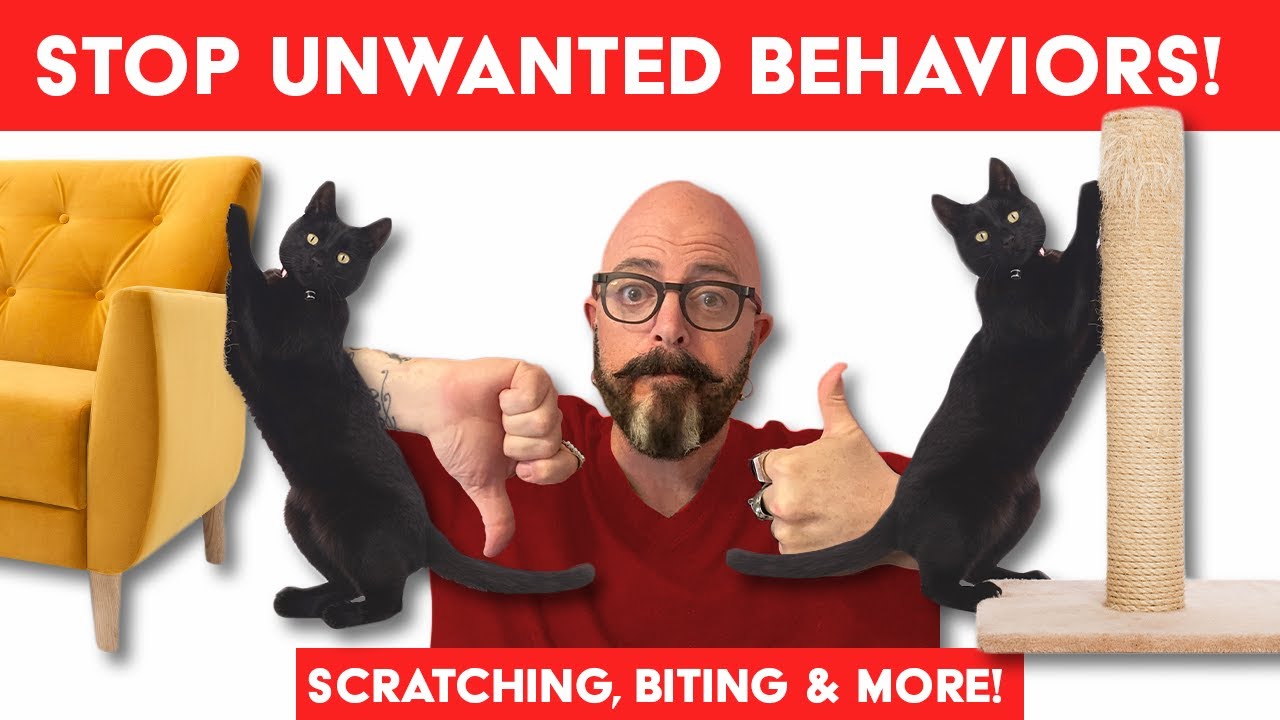
enough patience repetition and understanding you could properly correct your cat's behavior in a way that strengthens your relationship with them rather than damages it next we'll discuss a few common scenarios and how to correct your cat's back behavior in a way that they will understand scenario one how to get your cat to stop scratching the furniture scratching the furniture is one of the most frustrating cat behaviors not only can it permanently damage your furniture but it can also be very costly to do repairs or replace damage pieces entirely to get your cat to stop scratching
the furniture it's important to understand why they scratch in the first place scratching is a natural cat behavior that has several important purposes firstly it is good for claw maintenance it helps your cat naturally we wear down their claws so they don't get overgrown if your cat's claws grow too long it can be uncomfortable or even painful for them to walk to help your cat maintain their claws and potentially save your furniture make sure that you are trimming their nails every 2 to 3 weeks scratching is also important for marking territory your cat's wild ancestors
would mark their territory to improve their chances of survival and avoid contact with other potentially dangerous cats though your cat doesn't rely on their territory as much today they are naturally territorial creatures they Mark that territory through scent which they release through scent glands these scent glands are found all over their body but particularly in their paws by scratching your cat releases its scent glands and marks its territory cats also scratch as a way to relieve their excitement or excessive energy or just because they're bored when attempting to get your cat to stop scratching your
furniture the goal is to not get your cat to stop scratching altogether as we've discussed scratching is an important Behavior rather than eliminating the behavior the goal is to redirect it to do so you should provide your cat with plenty of outlets for scratching including scratching posts or boards you should also be strategic about their placement for example if your cat tends to scratch the couch keep a scratching post right next to it then use positive reinforcement to get them to prefer the scratching post to your furniture one way to do this is to give
them a treat every time they scratch on the scratching post scenario two how to get your cat to stop jumping on the counter cats are very curious creatures and they like to explore as much of their surroundings as they can this often means that they will jump on on any surface available to them especially if it's higher up so they can get a good scope of their environment unfortunately this may mean that your cat is often jumping onto your countertops this behavior is not often desirable as it is unhygienic and potentially dangerous for your cat
to get your cat to stop jumping on your counter redirection is your best bet your cat has a natural desire to jump up to high places so provide them with safe places to do so you can invest in a cat tower shelves or a climbing tree to fulfill your cat's desire to jump while keeping them away from your countertops when they use the alternate jumping areas make sure to reward them either verbally with pets or with treats this will teach your cat that they should choose the designated jumping spots rather than your countertops aside from
jumping your cat may like your countertops because they provide close access to your fosset if there is one thing that cats love it's running water cats are fascinated by running water likely due to their wild instincts in the wild running water is always a safer bet to drink than Still Water this is because still water can quickly grow dangerous bacteria whereas running water is more likely to be clean so your cat is drawn to any source of running water that they can find even if clean water is in no short supply if you notice your
cat is jumping on your countertops to watch or drink from the faucet consider getting them a pet Fountain there are many benefits to water fountains not to mention that they will get your cat away from your countertops scenario three how to get your cat to stop giving love bites love bite is a term given to a playful nip or bite from a cat one not intended to be harmful but can hurt nonetheless this behavior is most common among kittens who are still learning about the world around them however if this behavior is not corrected early
on it can last well into adulthood if your cat is biting you try to redirect their playful aggression onto their toys interactive toys that put a bit of distance between you and your kitten like feather toys or string toys are a great option use positive reinforcement to encourage your cat to play with their toys rather than bite you if your cat is ignoring their toys and biting you during play time instead you should react as mentioned previously your cat does acknowledge an adapt to your reactions therefore you should let your cat know that their behavior
is not okay when your cat bites you during play time the best response is to say ow and walk away this signals to your cat that biting is painful to you and leads to the end of playtime if your cat's biting escalates or your attempts to stop them aren't working you should consider Consulting an animal behavioral specialist biting can be dangerous and it should be taken seriously if it becomes more frequent or aggressive common mistakes to avoid mistake number one punishing your cat a very common mistake that Cat Guardians make when trying to correct their
cat's behavior is punishing them punishment is never an okay response to a cat's Behavior no matter how upset you may be while anger is a natural response especially if your cat has just destroyed an expensive piece of furniture or broken an Irreplaceable family heirloom it achieves nothing if anything reacting with anger will just damage your relationship with your cat and teach them to be afraid of you contrary to popular belief cats don't understand the concept of punishment and they aren't likely to associate your punishment with their behavior so punishment is not only harmful to your
cat but it is ineffective as a training technique rather you should always rely on positive reinforcement and redirecting occasionally spray bottles are recommended as a training technique though this should only be used as a last resort while spray bottles can be effective at interrupting bad behavior it is still a form of punishment if you choose to use a spray bottle do so very sparingly other training techniques will be far more effective in the long term without scaring your cat or making them uncomfortable m mistake number two giving up too quickly while it can be frustrating
and tedious it is possible to correct your cat's bad behavior giving up too quickly or lacking in consistency is another common mistake that Cat Guardians make teaching your cat the meaning of no and correcting their bad behaviors is not a oneandone process rather it takes Commitment if your cat doesn't immediately cease their bad behavior after you redirect them or tell them no don't give up to fully understand a concept cats need repetition it will take multiple interactions for your cat to recognize your response resp to their behavior and adapt accordingly now that we've gone over
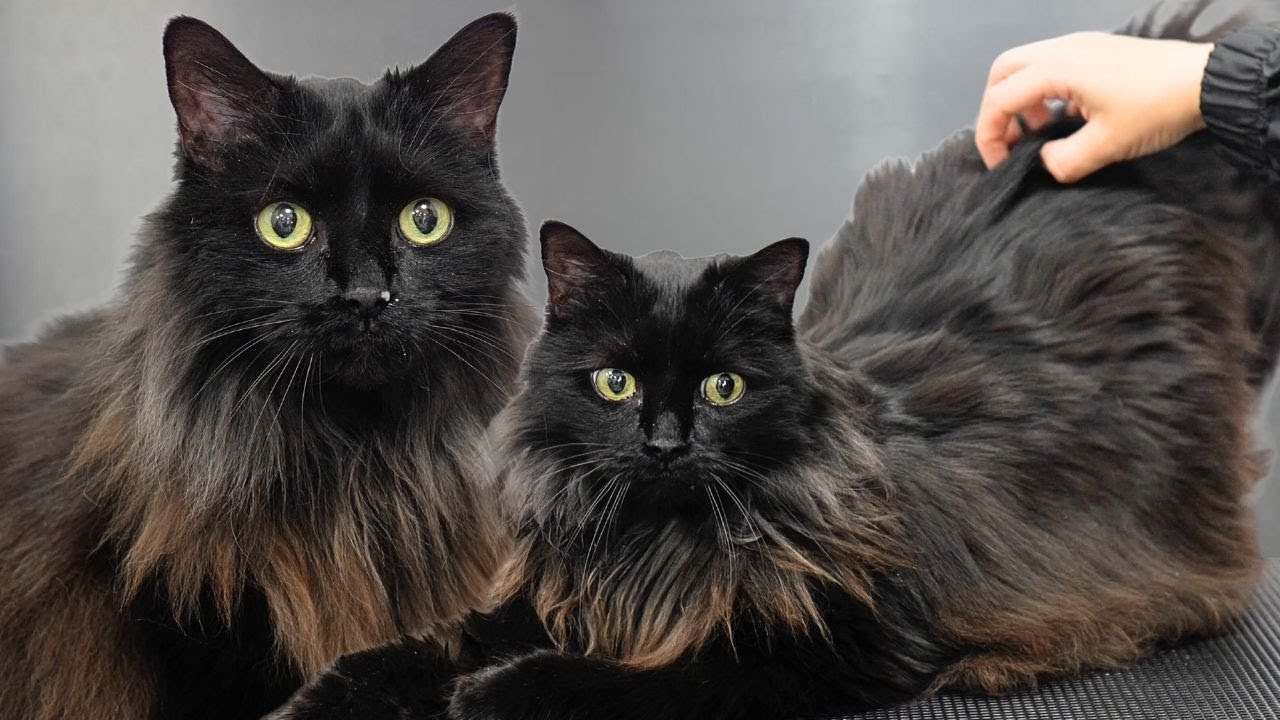
this topic it's time for cat of the week this video's cat of the week is Toby his Guardian says Toby is a sweet talkative and somewhat clingy boy who loves to cuddle with me at night his mama showed up one day and had him and his siblings I ended up keeping him the mama cat and one of his sisters he loves spending his days teasing his sister playing with his mom and getting lots of pets congratulations Toby keep being Pome to enter your cat for a chance to be featured visit the entry link in the
description ion box below as always we would love to hear your thoughts in the comments below also if you found this video helpful please give it a thumbs up because it helps other cat lovers find our content thank you guys for watching and we'll see you next cat day for another video