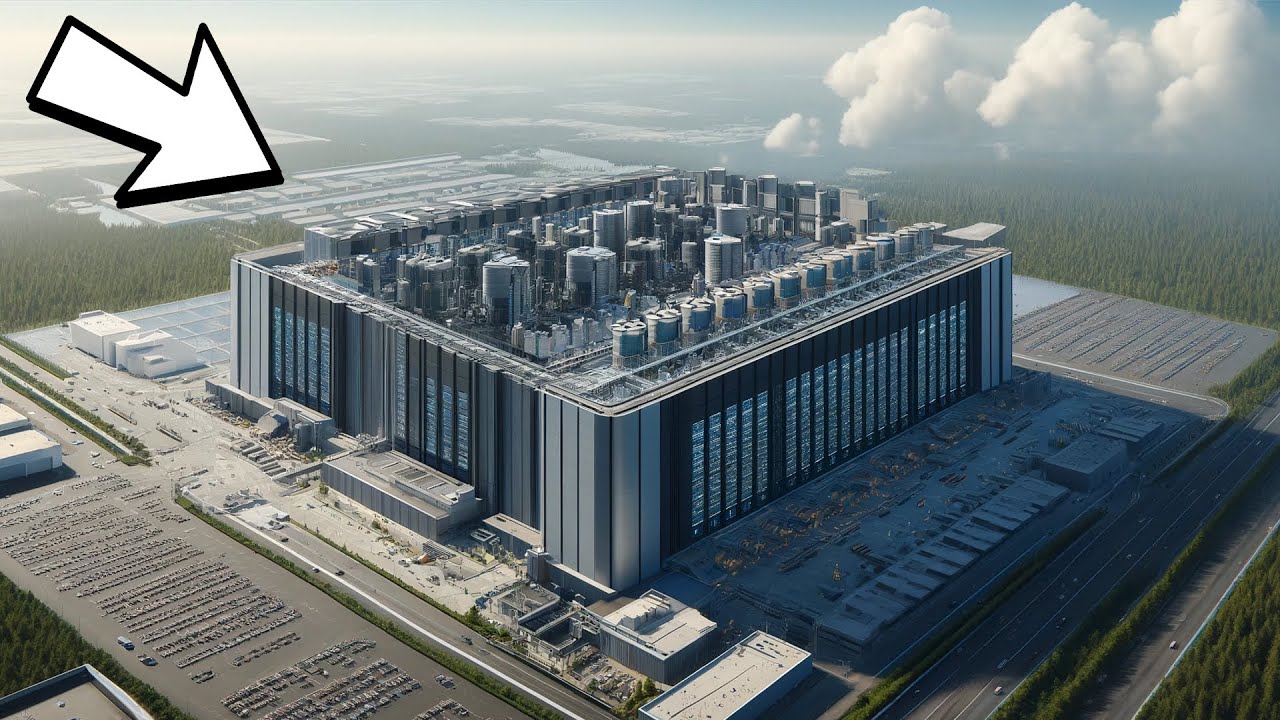
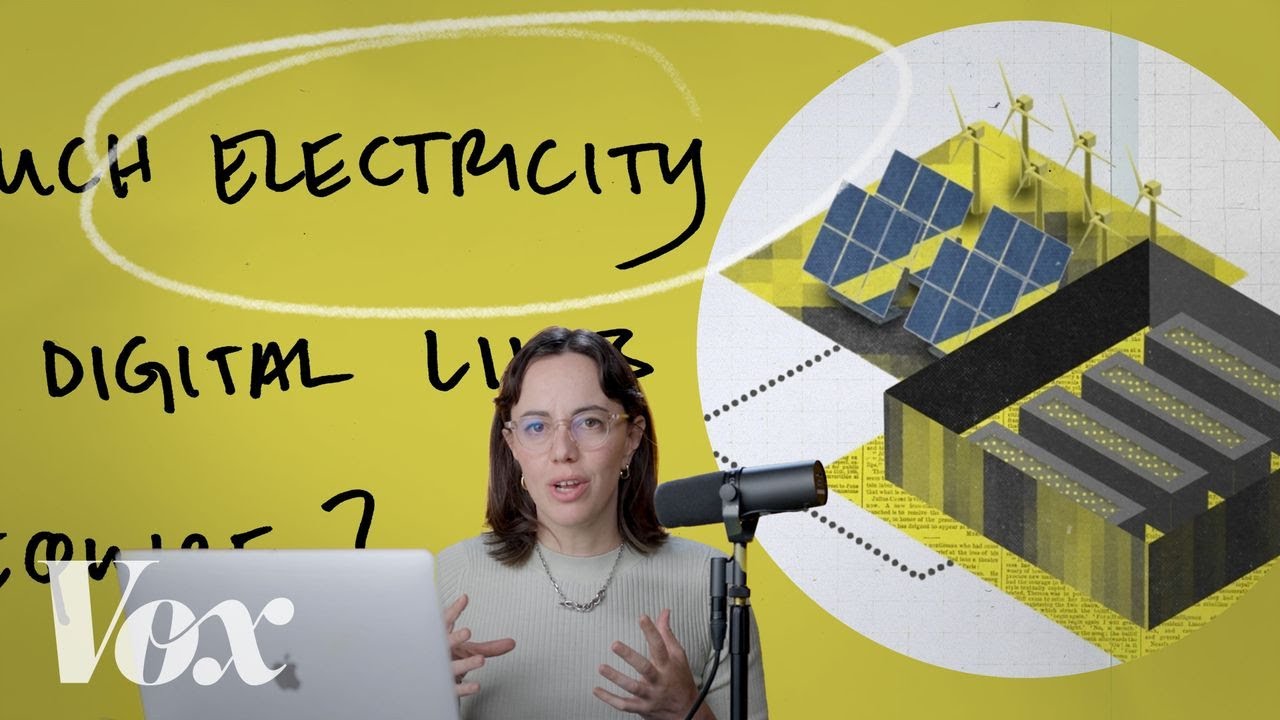
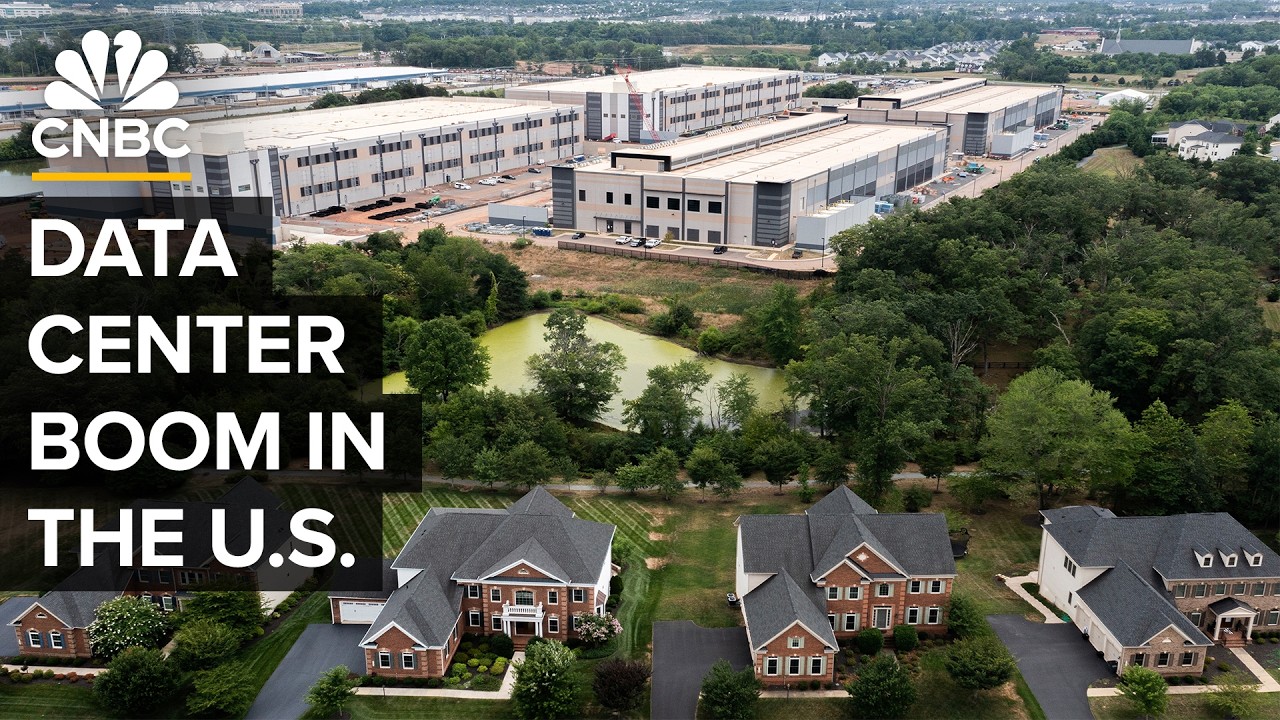
[Music] data centers use about one percent of electricity in the world so today let's explore how data centers are powered especially in a world confronting the threat of climate change in september 2020 google ceo sundar pichai unveiled that google would become one of the first companies to operate carbon free 24 hours a day 7 days a week 365 days a year by 2030. carbon free means running data centers on clean electricity that does not come from fossil fuels but how does a global technology company with a constant need for electricity achieve the ability to slash
all of its carbon emissions within a decade well that's a big question and to answer it we have to go back in time in 2006 google installed over 9000 solar panels in its mountain view california buildings and learned how to optimize our efficiency with tricks like finding optimal locations and washing them but six years later it was still a unique and custom process to buy renewable energy traditional power companies didn't have the experience with the volume of wind and solar that google was seeking but fast forward to today and google has become the largest corporate
purchaser of clean energy and utility companies now have an idea of what's needed making it an industry standard just like computer chips higher production volumes create lower costs as clean energy has gone mainstream the cost has declined and wind and solar are now cheaper than any other resource in many areas of the world adding clean energy to grids is only one part of the strategy data centers also need to be designed efficiently historically it took a massive amount of cooling a data center technician in the 1980s would be wearing a very thick sweater since temperatures
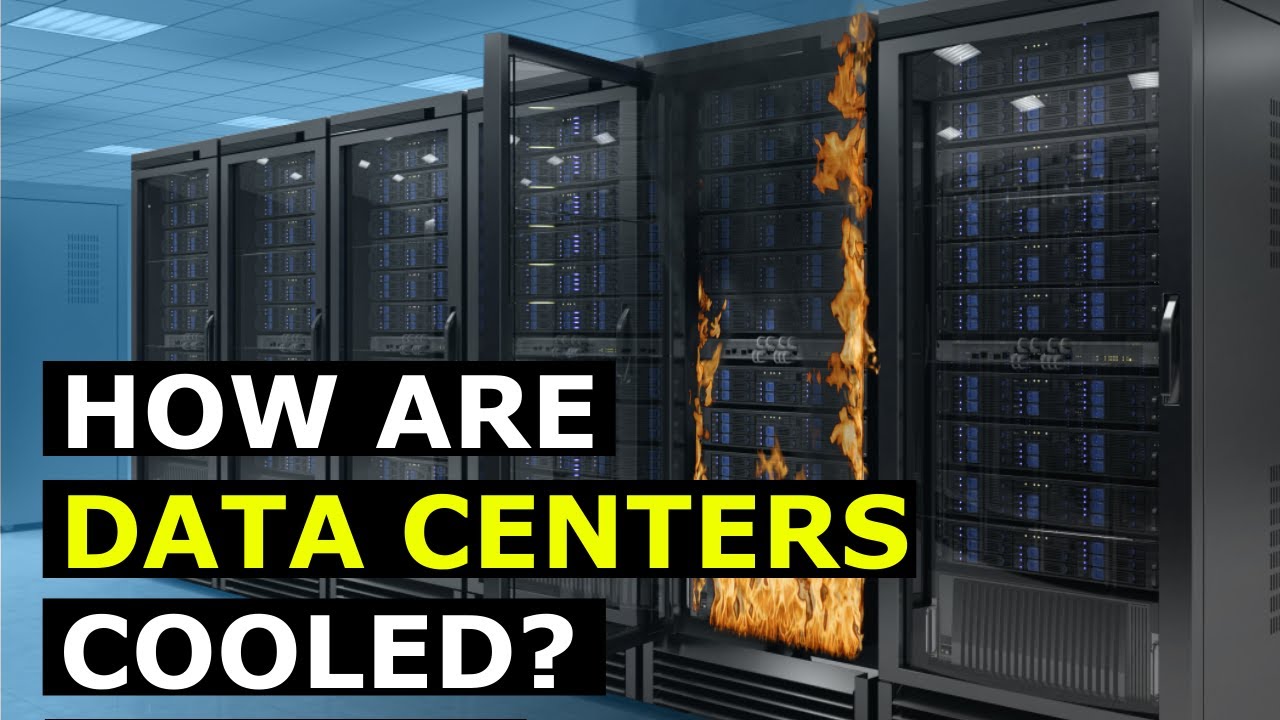
inside were around 58 degrees all the time today a t-shirt suffices a lot of effort has been placed on designing better cooling systems and isolating the hot aisles from the cold aisles in fact in 2018 a data center engineer created an ml algorithm that exponentially improved cooling loads by at least 30 percent this ai powered efficiency recommendation system ingested all the cooling system data we had on power temperature and pump speeds and fed it to neural networks that learned how to operate the mechanical systems more efficiently teams of engineers also worked on how to make
the servers more efficient to squeeze more computation out of each machine in the past an idle server could use just as much energy as one that is processing at max capacity one way to improve this capacity was to virtualize machines that means you take a physical device such as a server and run multiple instances of an operating system it's almost like having 10 20 or even 50 different computing loads running on one physical device keeping utilization high and energy emissions low between 2010 and 2018 overall computing efficiency grew by 550 percent in data centers and
in 2019 google reported that its data centers delivered over seven times as much computing power with the same amount of electrical energy google began to buy enough solar and wind energy to match its total electricity use worldwide since 2017 but there was still more work to do for example there were still data centers that could only use solar energy during the day but at night we're using carbon intensive energy from the grid so the energy teams at google started thinking about our mission in a completely different way how could we match every bit byte search
payment and translation to a zero carbon electron googler anna radovanovic understood that there was a way to use data to tell when power was clean or dirty at any given time since google logs data on every single compute workload we could analyze which tasks did not need to happen immediately such as the training of machine learning models these tasks could be safely scheduled at a later time and powered with clean energy without affecting performance this is called demand response which is not a new concept for big energy consumers like grocery stores offices or factories who
reduce their energy demand at certain times of the day even though this concept has been around a long time google is going about it in a pretty unique way and carbon aware computing has made a huge shift in the industry although complicated it's key to decarbonizing the digital economy by mid-2020 all the elements came together incredibly cheap renewable energy radical improvements in efficiency higher density batteries green hydrogen and novel types of greener nuclear plants for the first time google was able to put a firm date on our 24 7 carbon goal this is so important
to us as the next decade is vital to limit climate change and make a huge shift in our relationship with natural resources if you want to learn more check out the links below and stay tuned for more on discovering data centers