we tend to take a lot of aspects of modern life for granted but humans weren't always flying around the world or performing life-saving operations there was always a first time for everything and a lot of this stuff had to be figured out the hard way so today we're taking a look at some forgotten first attempts in history some are successful some eh not so much number five the first international flight did you know the first international flight was done by two nearly naked men the invention of the hydrogen gas balloon in 1783 sparked amazing to
discover the limits of human air travel new records were being set weekly and the pursuit of going down in history as the first man to do something was on everyone's mind on a cold morning on January 7th 1785 two men French inventor and balloonist Jean Pierre blad and American do John Jeff set out to make history by doing something no man had ever done before they're going to attempt to fly a gas-powered balloon across the English Channel from do England to Gans France the flight would be approximately 21 Mi over over water and would be
the first time in history that a man would travel internationally from one country to another in the air after spending the morning loading up their supplies and launching a small test balloon to confirm the winds were with them blot and Jeff boarded their basket and launched their balloon towards France at first things seemed to be going as planned they had prepared ballasts which helped to stabilize their basket that would also serve as weights that could be thrown overboard whenever the balloon began to lose altitude throughout the first half of the flight the men periodically threw
out a ballast to get some lift back into the air anytime the balloon seemed to dip a little too much just under 2 hours into their flight the men spotted the French Coast in the distance and they began celebrating they were about to do something no one had done before but the excitement quickly turned a concern when they realized that their balloon was again starting to lose altitude and they had thrown their last available ballast overboard 30 minutes ago still miles from the French coast and the Raging English Channel Growing ever closer beneath them blad
and Jeff began desperately throwing things out of their balloon first the silk ores they had packed that they thought they could use to paddle the air with next their scientific instruments and food anything that was not essential was thrown overboard but nothing seemed to help as the balloon kept falling closer and closer to the water the men now in a full-blown panic began to strip and threw their clothing into the water as a desperate attempt to lose any and all possible weight when all seen doomed the balloon caught a gust of warm air that lifted
the now nearly naked men back up into the air just long enough to make it over to the coast of France the Euphoria of escaping death by drowning in the English Channel was quickly met with the realization that they might instead die on the French Coast as the men now found themselves losing altitude over a thick forest a crash into one of the trees would throw them out of the basket and into a freef fall towards the ground a few hundred ft below left with nothing else to get rid of the two men realized they
hadn't peed all day the men began peeing into two external bladders which they quickly threw overboard in jeffy's reports of the flight he writes that that between the two of them they were able to let loose about 5 lbs of urine which ultimately saved their lives the balloons stayed in the air just long enough to not crash into the trees and as a clearing opened up ahead the men began to grab nearby branches to slow themselves down and made a safe landing in the clearing the men were soon greeted by supporters who came to bring
them back to the public to celebrate their record-breaking accomplishment of being the first men to fly over the English Channel upon seeing the two men in their underwear the supporters quickly gave blard and Jeff their jackets to cover up before escorting them back I guess lucky for them cameras weren't invented yet number four the first traffic light it's the mid 1800s and London has a huge problem with hor drawn carriages namely they keep killing people in 1866 1,12 people died and 1334 were injured in horse or Carriage accidents on the Streets of London to put
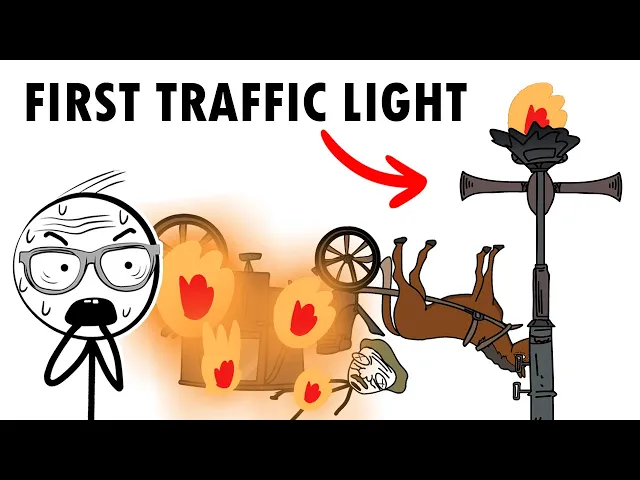
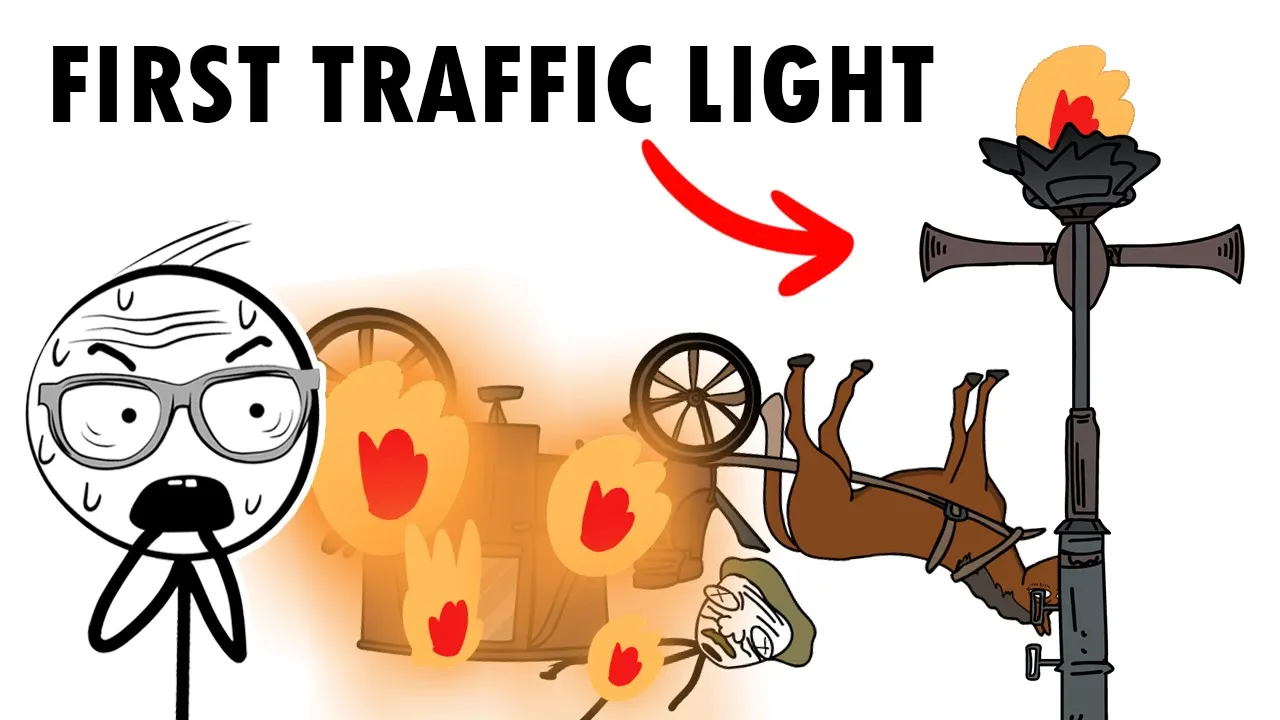
this in perspective Los Angeles had 364 traffic fatalities in 2023 so basically you were three times more likely to die in a traffic accident in 1860s London than modern day La needless to say this was a huge problem and a man named John Peak Knight stepped up to solve it Knight worked as a railway manager and he came up with the idea to bring the railway signaling system to London streets his design used a similar semaphore flag system during the day and a gas- powered light that changed from green to red at night the entire
traffic light would be operated manually by a police officer who stood underneath the signal the design was finalized and soon installed in Parliament Square in London on December 9th 1868 Knight's invention was initially met with a mix of curiosity and skepticism at first londoners saw the strange new Contraption with its red and green signals and wondered what on Earth is going on drivers argued with each other horses unsurprisingly didn't know what the lights meant and just kept moving along one horse was even reported to nibble on the semaphore arm probably thinking it was a new
kind of snack despite the initial confusion and a few bumps londoners slowly began to appreciate the logic behind Knight's invention and things were good for about a month see in January of the following year just 1 month later gas from the lamp leaked causing an explosion that poured burning hot gas on the police officer operating the traffic light killing him on the spot as you can expect Parliament wasn't thrilled seeing people turned into human torches in the middle of their Square so the traffic light was removed and London would not see another traffic light until
192 9 when electric lights were installed number three the first parachute jump okay we're back in the late 1790s in France and as we learned in the first story the hot air balloon craze is soaring and people are flying higher than ever a man named Andre Jac garon a balloonist from Paris seeking his own place in history is hard at work developing what would become the world's first parachute the thing with Garner on is he wasn't just designing these things he was also the test pilot he would hold public demonstrations of his new devices that
would make him somewhat of a controversial figure on one occasion he took a woman up with him in a balloon which upset many officials the police protested the event saying that a woman's delicate organs could not handle the high altitudes and that he might kill her he did it anyway and unsurprisingly the woman was fine but perhaps the biggest contribution garon made towards Aeronautics was his first successful parachute jump on October 22nd 1797 in mono Park Garner Ron stood in a basket attached to his silk parachute that was connected to a hot air balloon he
slowly floated up and watched Paris shrink below him as he ascended to the dizzying height of 3,000 ft it was then garon Cut the Rope attaching his parachute to the balloon and began his descent the parachute unfurled with a grand flourish and for a brief moment it seemed like everything was going according to plan he proudly waved his French flag from high in the sky so all could see and then the winds started to pick up now remember garon was not harnessed into a modern day parachute he was sitting unsecured in a basket 3,000 ft
in the air attached to what was basically a frameless silk umbrella the winds started spinning the basket in a circle gently at first then increasingly more and more violently as he descended at points during his descent the basket was nearly parallel with the ground garon became violently ill and began vomiting all over himself as he spun around and around when he finally touched the ground the velocity of the Fall bounced the basket back into the air for a second bonus ride eventually he finally landed about 1 km from the park where he was found uninjured
though probably dizzy and smelling like vomits his supporters picked him up and rushed him back to the park where he was greeted by a cheering crowd now that I think about it this might also be the first documented case of air sickness too number two the first submarine attack for our next story we're going back a few years to 1776 and the American Revolutionary War is in full swing the British Navy is the most powerful Fleet in the world and the HMS Eagle is holding a tight blockade over New York Harbor the Americans massively outgunned
came up with an invention which they called the turtle that ended up being used in what is now known as the first documented submarine attack in history that didn't actually work but it's still a cool story so let me show you the idea of American inventor David bushnel the turtle was a tiny man-powered egg-shaped submarine made completely of Oak a single pilot would sit upright in the egg and use foot pedals to operate a tiny propeller that would move the turtle forward underwater imagine riding a stationary bike in a small Barrel underwater in complete darkness
while quickly running out of air to breathe that's basically what it was like trying to Pilot this thing but needless to say the Americans were desperate to try anything to break this blockade on the night of September 7th 1776 Sergeant Ezra Le climbed into the turtle his mission was to Pilot it undetected to the HMS eagle and attach an explosive charge to the bottom of the ship the bomb was mounted onto the turtle and attached to a drill head that Lee would manually drill into the ship's wooden Hull in the cover of Darkness Sergeant Lee
began paddling his way underwater towards the HMS Eagle he reached the ship undetected and then using a hand pump to fill the bottom of the submarine with water he dived in the turtle to a spot under the ship once in position and with just 30 minutes of air Sergeant Lee began to crank the drill to attach the explosives as he begins drilling Sergeant Lee becomes frustrated the drill doesn't seem to be going into the ship as it should it turns out the hull of the HMS Eagle had been upgraded with copper plating to protect its
wooden Hull from damage and as hard as Lee tried the drill he could not Pierce this protective metal layer running out of oxygen he eventually gave up and set and released the charge in the water and pedal away as quickly as he could with his oxygen nearly running out there are some reports British Marines saw him and began chasing him in a rowboat but he was able to escape unharmed Upon returning safely from his fail Mission Sergeant Lee was commended by General George Washington for his bravery and he was made part of his secret service
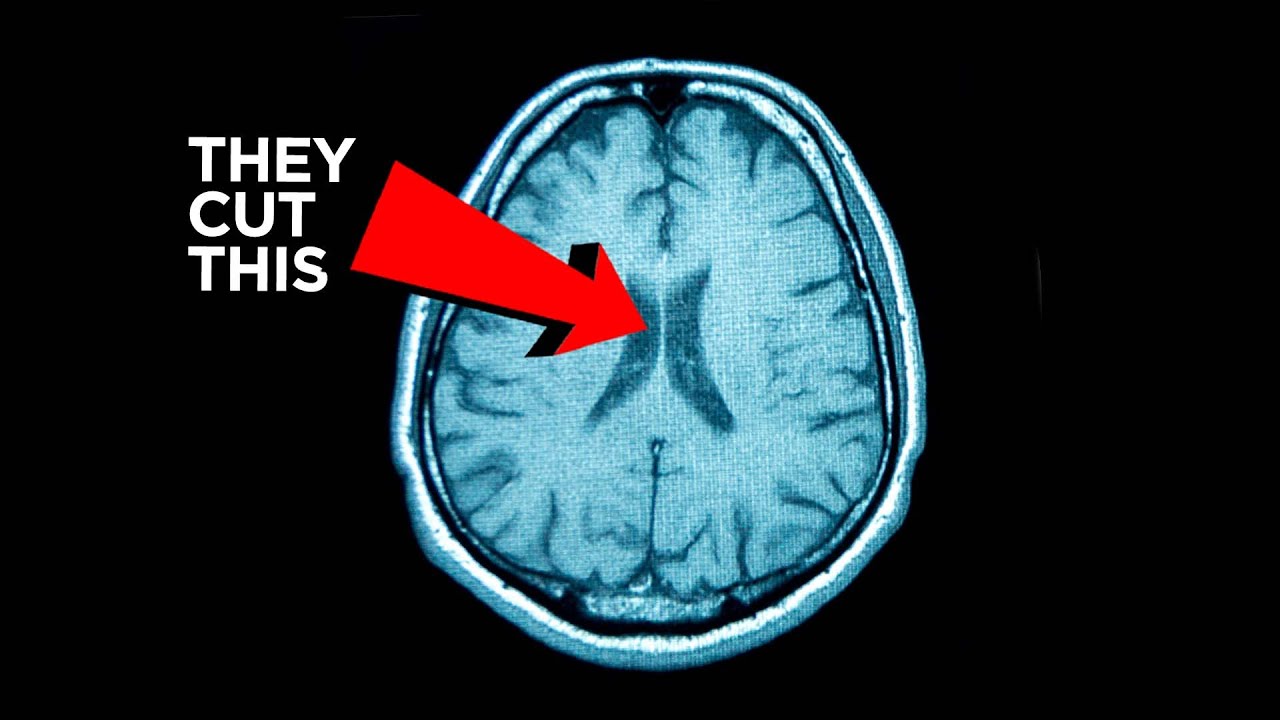
number one first blood transfusion okay this one is wild as it involves transferring blood from an animal into a human it's the mid 17 century and humans are still kind of figuring out how the human body works best medical practices at the time were done at your local barber surgeon and often involved bleeding you with leeches in com Jean Baptist Denise a French physician sat on making his mark on the medical world now the thing about Denise that you should know is he came from a less prestigious University so he was mocked and outcasted by
the medical Elite in Paris this created an intense urge to prove he was just as good as the wealthy Physicians who were born with everything the cuttingedge medical research of the era was focused on the possibility of blood transfusions as a potential cure for diseases and in 1667 a heated rivalry between Britain and France to see which country could successfully perform the first human blood transfusion began the British had successfully taken blood from one dog and put it into another which initially put them ahead in the race as French doctors struggle to recreate the results
Denise began conducting experiments with a barber surgeon named Paul EMZ and the two were successful at transferring 9 o of blood between two small dogs though one dog became very weak and the other seemed fine but it was quote not awake and gay like it was earlier honestly both of those dogs probably got messed up pretty bad by Denise's experiment but because they didn't die the two men continued to push forward and found success with 19 more blood transfusions performed on dogs with none of them dying Denise was hellbent on showing up both the British
and the doctors in Paris who mocked him and quickly began conducting blood transfusions with other animals such as sheep cows horses and goats all in the pursuit of being the first to perform the procedure he believed would make him famous the first human blood transfusion Denise decided that when the time came he would use the blood of a lamb the symbol of of the blood of Christ for the procedure I guess now would be a good time to remind you that blood types were not discovered until 1901 so these guys didn't have the best understanding
of what blood was or what it was for on June 15th 1667 Denise and EMZ were finally given the opportunity to conduct their groundbreaking experimental procedure a 15-year-old boy who had been suffering from intense fevers for 2 months would be the test subject the boy had been leached by Barber surgeons over 20 times with no results the experimental blood transfusion was a last ditch attempt to save his life the two men transfused 12 ounces of Lamb's blood into the boy's veins and allegedly by the next morning the boy was completely cured Denise then attempted another
blood transfusion with a middle-aged Barber this time with sheep's blood who again did not die from the procedure and he felt he had punched his ticket to the big leagues in reality the success of the two animal to human blood transfusions were most likely due to the fact that the small amounts of blood that was used did not trigger a lethal allergic reaction because as we find out Denise's next patients were not as lucky a Swedish nobleman who fell ill traveling in Paris died during his second infusion of calfs blood under Denise's care and a
fourth patient named antoan maroy had even worse luck his only real ailment was he was prone to running away from his wife to enjoy the Paris nightlife and his wife did not appreciate that he was infused with Cap's blood which made him violently ill and on the second infusion he suffered an extreme allergic reaction that nearly killed him after making a miraculous recovery Mary's wife urged Denise to do another transfusion which he had first refused but later relented and performed maroy died the following night and Denise was charged with manslaughter in the court proceedings it
was discovered that mooy's actual cause of death was arsenic poisoning from his wife this cleared Denise's name legally but his reputation as a doctor was practically destroyed and the practice of blood transfusions was banned in France until the mid 19th century barring explicit approval from the Paris faculty of medicine the guys who Denise ha did