today let's take the first step and learning about fire behavior [Music] [Music] hey my name is Matt Hinkle and this is gonna be part one in a series on fire behavior whether you're a brand new firefighter or a seasoned company officer fire behavior or having an understanding of fire behavior can really help you so if you're a beginner maybe learning how to actually work the nozzle the way that you're supposed to or if you're a seasoned company officer it can help you make better fundamental fire ground decisions so let's get right into it this is
going to be part one a fire behavior 101 what is fire so this is kind of one of those topics that comes up where everybody just kind of blows it off like it's nothing but it's really important to understand what is fire before you even get into fire behavior or fire tactics or understanding strategies or anything like that we need to know what it is in the beginning so just to keep it simple fire is really just a chemical reaction you see light and you feel heat from that reaction now when we start talking about
fire behavior we really have to address one of the very first things which is what are the states of matter and what is why is that even relevant for fire behavior so it's very common for us to know states of matter or solid liquid and gas we don't get into plasma typically for fire fighters but three main states of matter that we deal with are solids liquids or gases then you may be wondering why is this important for fire behavior well really it's because wood is a solid gasoline as a liquid they both burn but
they do not burn in the solid or the liquid state they burn as a vapor the vapor has to be produced or a gas has to be produced for fire to occur so let's use one of the most well-known examples of transferring states of matter or a product transferring from one state or transitioning from one state of matter to another easiest one to talk about is water and you'll see why this is really important in just a second so let's use water as an example because it's the easiest one to understand if we freeze water
which is 32 degrees Fahrenheit or zero degrees Celsius then we're going to have a solid and we know that as ice as we bring the temperature of that material up past 32 degrees it starts to become a liquid and then all the way from 32 degrees to 212 degrees it stays in a liquid state and at 212 degrees we get vapor water vapor also called steam so that is the boiling point of water and that produces water vapor so let's transition that example over to a product like gasoline gasoline is flashpoint is negative 45 degrees
Fahrenheit and what that means is at negative 45 degrees Fahrenheit which is a very low number the product is producing enough vapor to basically flash you'll also hear the term flame point or fire point and the difference between flash point and flame point is very very close flash point is literally the temperature at which the product can create a flash but it can't sustain combustion flame point or fire point depending on what book you're looking at is when the vapor is significant enough that the product can sustain combustion those are usually really close together but
basically at negative 45 gasoline is already produced in vapor that can ignite so that's why gasoline is a little more volatile than other products and volatility of a product is dependent on how much vapor does it produce at whatever temperature that you're at so if it's a hundred degree day like in my state if you're on asphalt and it's 97 degrees outside in the summer gasoline is producing a major amount of vapor and it's very very read about readily ignitable so let's jump over to a solid fuel so we know that a liquid has to
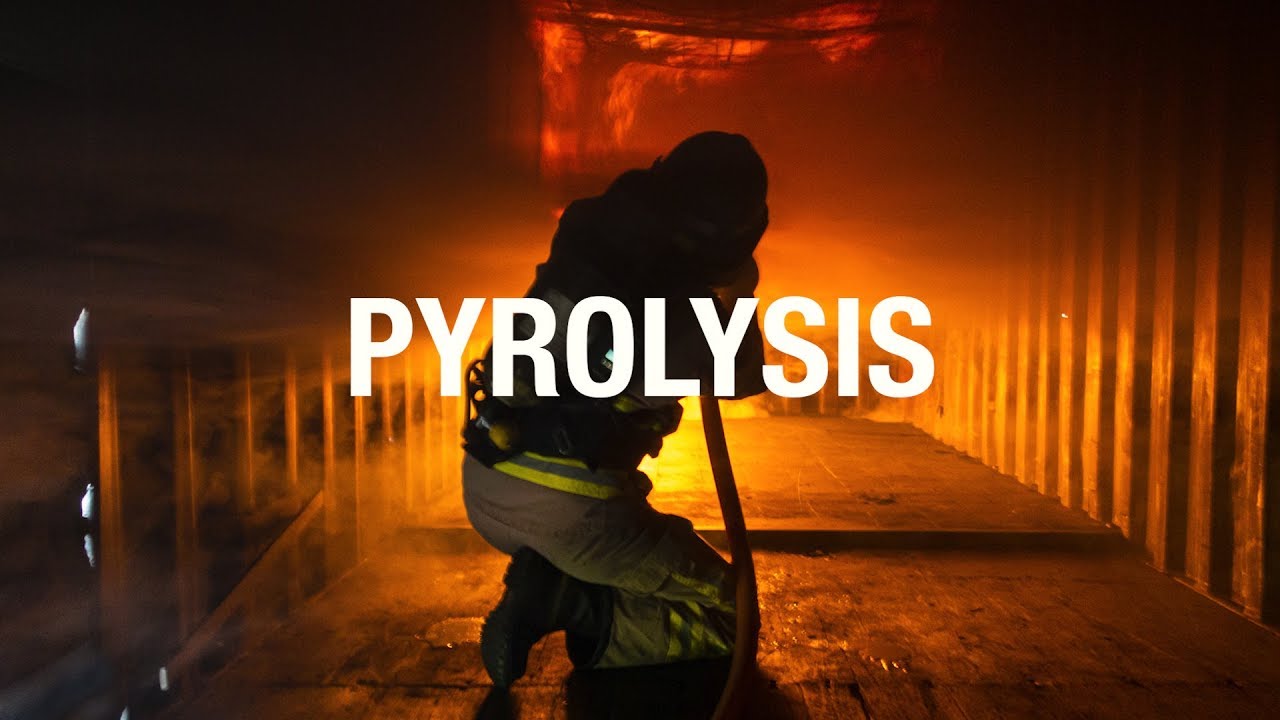
turn into a vapor for it to burn but what does a solid do a solid basically does the same thing but we call this pyrolysis pyrolysis is the thermal decomposition of a material and basically what that means is wood won't readily burn wood has to break down in order to be able to burn so this is why have you through a wall gonna camp farm it doesn't just spontaneously combust it's not it has to start breaking down that wood to be able to burn so if you drive a wood out or if you preheat the
wood and raise the ignition temperature of the wood it becomes more readily ignitable if you chop the wood into fine pieces in a while more surface area for the wood to come in contact with a heat source it will go into pyrolysis so that's why we do that would does not have a fixed ignition temperature and that's because of humidity and density and all kinds of other things so we just know a range that wood will burn in and obviously if you're in the western part of the United States you have a much drier climate
and you're you're used to seeing these really large wildland fires but if you go over to the southeastern portion in the United States we have a more wet climate a more humid climate and it's harder for us to have fires like they have out west so most books jump into fuel or what are the types of fuel and really we're not gonna get into that we're just gonna keep it real plain and simple a fuel is a material that that stores energy so basically fuel is potential energy fuels can be any number of things they
can be woods papers gasoline's doesn't matter a fuel is not a liquid a fuel is something that can burn or something that stores energy and is able to burn so why does this matter well basically because firefighters typically use predominantly water to absorb the energy of a material but also to coat surfaces in water and reduce the products ability to turn into a gas or vapor or to go through pyrolysis this is how we protect exposures we talk about falling water directly on the structure next to the one that's on fire because that will absorb
heat energy it will reflect the the radiant heat somewhat it's kind of a opaque type solution it'll kind of reflect that heat but it will also reduce the ability for the product the surface to start off gassing or to start producing a vapor or go through pyrolysis so if you can inhibit pyrolysis or if you can prevent the product from turning into a vapor it can't burn it has a very difficult time getting to that point if we have too much heat energy and not enough water the energy out runs the water's ability to absorb
it and it will still ignite so let's jump into the fire triangle and the fire tetrahedron a lot of your books will have both of those in there and really the main reason they do is because the fire tetrahedron is fairly new in discussions the fire triangle has been around for a long time but it wasn't until later that really we decided as a community the chemical reaction needs to be addressed so let's do this really quick the fire triangle basically says there are three elements that need to be present for a fire to be
able to burn oxygen heat and fuel so the way that we as firefighters can fight fire is we can remove one of those elements so if we take away oxygen smother the fire the fire will go out typical example of this is a grease fire on a stove and you take the lid of a pan and just close the lid and it has no ability to get air and the fire goes out fuel is another one so firefighters can remove fuel not typically by running outdoors with a couch that's on fire from inside the house
but one of the most common ways is either shutting a valve off to a liquid fuel source like refineries and things like that or shutting off the power that could remove a fuel source but also cutting down trees or digging fire brakes or doing back burns or anything like that in a wildland fire also can remove fuel and that is a really common way that wildland firefighters try to mitigate risk at a wildland fire is dealing with the fuel itself and then we have heat which is the vast majority of the way that the typical
municipal structural firefighter fights fire and that is applying water to remove the heat or to reduce the heat energy and that also can make the fire go out so what's the tetrahedron it's basically exactly the same thing with one additional component added to it and that's the chemical chain reaction so basically the reason the tetrahedron is there is because we do have to recognize the fact that a chemical chain reaction has to take place for fire to continue to burn and if you disrupt that chemical chain reaction the fire will also go out so that's
absent from the fire triangle but essentially they're the same thing they're just kind of a more modern look at what elements have to be there for a fire to occur it's just typically as a typical firefighter you're not removing the chemical chain reaction or you're not specifically addressing that you're doing something else and making the fire go out rather than actually addressing the chain reaction so one of the best examples that I like to use is comparing a carburetor to the structure that's owned fire if you're not familiar with a carburetor a carburetor mixes fuel
and air to achieve an efficient burn for an engine for a combustion engine so that is the combustion process if you have too much fuel and not enough air we call that too rich and it doesn't burn as efficient this is what the choke does on an engine when you choke the engine you're increasing the fuel mixture decreasing the air and having a more rich mixture inside of the carburetor if you take the choke off or if you lean it out when we get more lean we're getting more air and less fuel and somewhere in
the balance we're running the most efficient burn that we can now look at a structure fire a structure fire is exactly the same thing if you take the doors and windows and treat those as the air inlets and air outlets then basically you having the ability to control the amount of air going in and out of a structure is the exact same thing as a carburetor controlling the amount of air going in and out of an engine so even though sometimes that's out of our control having the understanding of the concept of how air and
fuel mix within a structure can make you be a much much better firefighter and specifically a much better company officer so let's carry on with that that topic and that is let's use the example of a Bunsen burner and right here we have some pictures of a Bunsen burner flame if you're not familiar with a Bunsen burner it's what you see in labs it's a natural gas typically natural gas fed a little torch that heats up beakers and things like that in a lab most of us have used them in school or something similar but
a Bunsen burner has the ability to adjust the amount of air going into the flame so if you have a good good or if you choked down the air you're gonna get number one you're gonna get a more orange flame a less efficient burn something that's lacking in the amount of air and our world now we would call that ventilation limited if we move over to the next flames we're progressively getting a better balance of fuel and air and on the very far right you see number four we're gonna have the most efficient burn if
you've ever looked at natural gas burn and it's blue you're gonna notice there's no smoke there there's hardly any by-product that's left over when natural gas burns it's very very clean whereas if we look at wood burning we have stuff that's left and that is called the byproducts of combustion it can also be smoke smoke is actually byproducts of the combustion process it's basically saying the fire didn't burn well enough so we have these smoke particles that go up in the air and yes smoke can be ignited because they're just particles that didn't finish burning
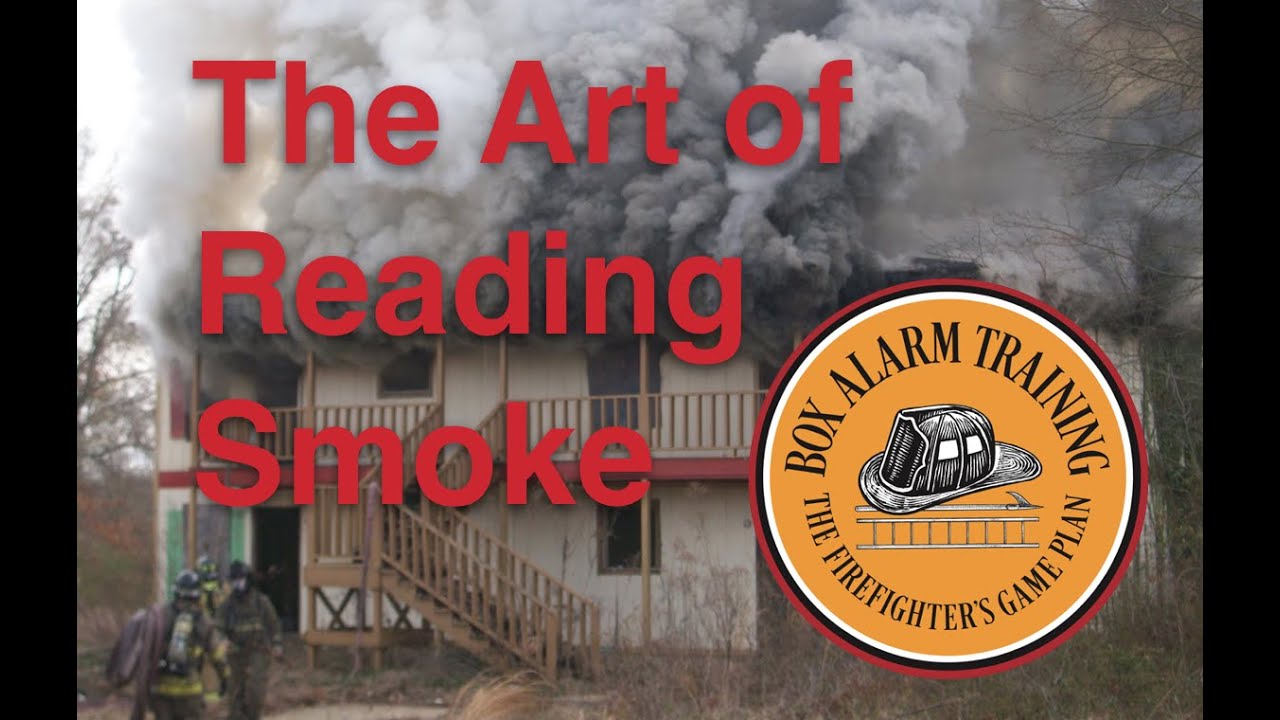
so the more efficient burn you have the less smoke you have the less efficient burn you have the more smoke you have and this is we're kind of learning how to understand and breed smoke or the art of reading smoke as a lot of people say this is where that can become a really good thing to understand as an officer or a line-level firefighter it's basically what is the fire doing at the moment what's the behavior is it need air does it have air is it fuel limited is it vent limited that's all those things
are very hard to kind of understand but it takes experience and a background knowledge of all of us to really understand what's going on on the fire ground so let's take a look at a couple of pictures that can help you kind of understand what's going on at the fire in this first image we have a fire that is very vent limited or most likely very vent limited you're seeing very dark pressurized turbulent smoke and that's an indication that the fire is not burning efficiently the fire is choked down and it's producing more byproducts of
combustion because it's not able to burn very efficiently so we're seeing these really thick plumes of smoke that are really charged and turbulent if you pull up on the scene of this you should recognize you know it could be products of combustion that changed the smoke of course but it's most likely due to the fact that this is a ventilation limited type fire so the fire is warning air and as you start opening things up doors windows vent blue Fenny thing like that you're going to get a significant growth of the fire because that's what
it needs so let's look at another one this is another ventilation limited type fire this is a heavy charge turbulent smoke firefighters are at the door to make entry they have a line in place it you know you can see some free burning fire over there on the right that's probably a carport or a garage but basically this is showing that there is a lack of air moving in and out of that structure now you're gonna see this really commonly in our modern structures because of the way that we insulate our homes we have double
pane windows and good insulation and tight doors and you know the everything is insulated really well so the structure does not breathe as well which means you get a less efficient burn even though we have really really efficient or not efficient but really volatile products inside and we'll get into that a little bit later on so let's carry that theme to the next photo in this picture we see the the smoke conditions are very very different and what do you notice different from this photo to the one before well basically you're seeing ventilation points you're
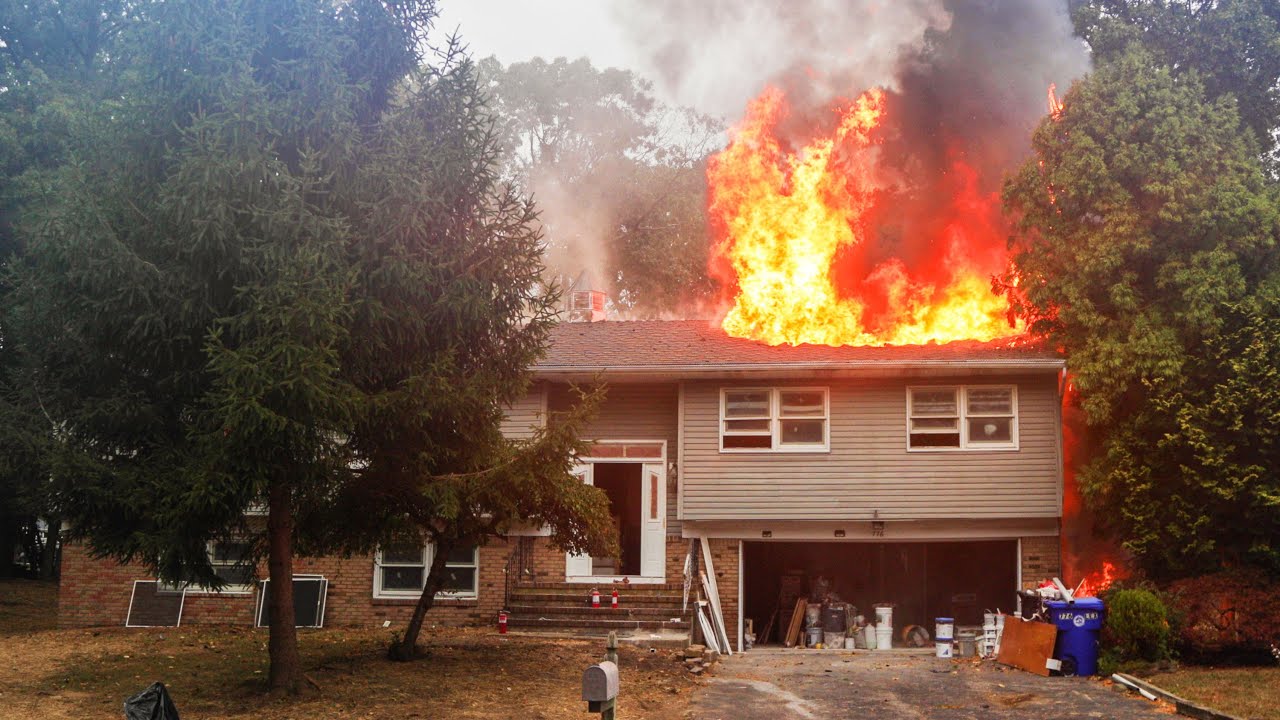
seeing fire that's vented through outlets through windows and that is providing an air pathway or a flow path for air to run through the structure and it's ventilated so the fire is burning more efficiently it will increase heat release rates fire will grow faster with more air but at the same time that's a big balancing game tactically on do you want to control the vent points or uncontrol uncontrolled vent points those can be really really bad or uncontrolled flow paths can be really really dangerous but you notice that this the smoke conditions are much more
lean there's not as much turbulence the colors not as dark there's not as much volume of smoke all that stuff is diminished because it's good ventilation the fire is ventilated very well and the fires burning more efficiently so let's jump to this picture this picture is showing some firefighters that just cut a vent hole in a roof of a structure so you'll see in this picture there's hardly any smoke and this is for multiple reasons but one of the biggest is they've cut a vent hole in the roof and they're providing an efficient burn they've
provided a flow path or a ventilation point for the air to leave the structure and this is one allowing smoke to exit the structure through the through the roof vertically but it's also providing a flow path or air movement from the bottom of the structure towards the top and it's creating a more efficient burn so you're getting less smoke production and the fire has a pathway to travel this can increase the growth of a fire absolutely but it can also be very strategic if done right to control the pathway or the growth of the fire
so I know that was quick that was just the foundation this is going to be a multi-part Cirie's if you want to keep watching the series of videos make sure you subscribe to the YouTube channel and you can follow us at our website or Facebook page box alarm training I'll put all the links up and the future links of the videos will be in the description below so thanks for watching and we'll see you in the next video [Music] [Music] you