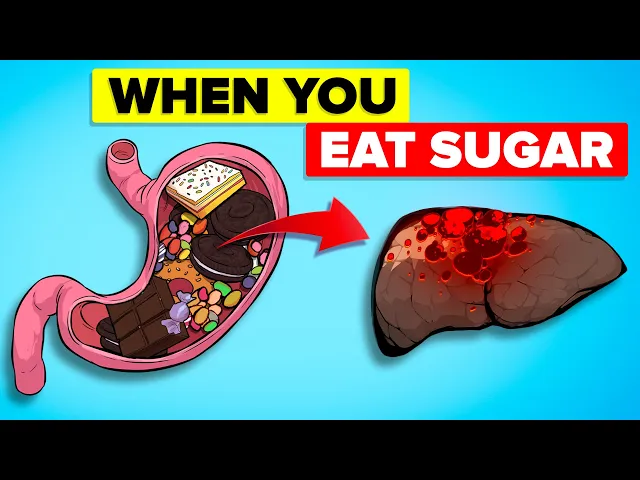
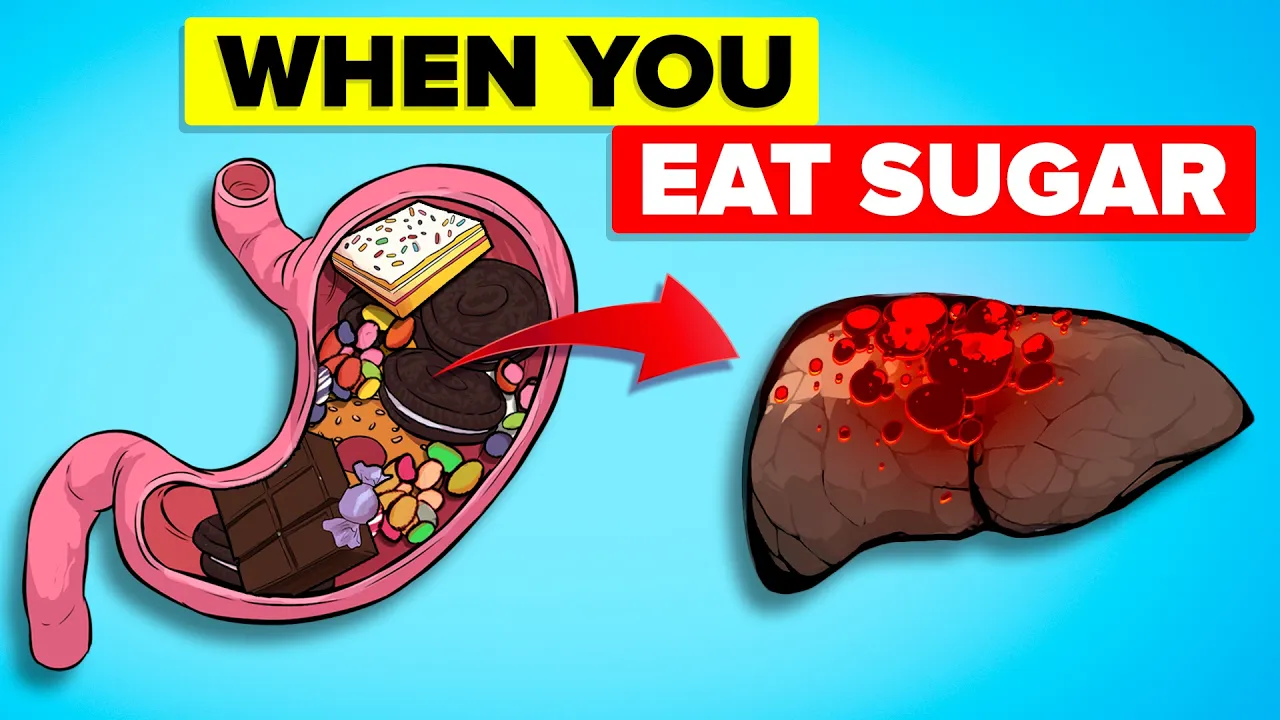
Can cake give you cancer? Will candy bars give you acne? Will too much sugar in your diet basically ruin your life with depression, mood swings, and anxiety?
Sugar. It's everywhere, from our morning coffees to the desserts we promise ourselves “just this once. ” But what really happens inside our bodies when we indulge in these sweet treats?
Thankfully, we’ve got a man on the inside - Because nobody loves sugar more than our co-worker, Chris. Chris is a typical guy here at The Infographics Show HQ, with a major craving for sugary snacks. Chris, like many of us, often finds himself reaching for that extra piece of chocolate or a sugary soda to beat the afternoon slump while researching North Korean human rights abuses for a video.
As we follow Chris's daily routines, we'll uncover the not-so-sweet truths about sugar and its effects on the body. So, let’s start at the start of Chris’ day. He wakes up with a new assignment, gets dressed, and prepares for work.
But he’s gonna need an energy boost before he hops to it. Chris often starts his day with a sugary coffee and a pastry, a combo that tastes like a treat but acts like a rollercoaster for his blood glucose levels. Shortly after his meal, he experiences a surge of energy.
This is the classic sugar rush, a familiar sensation for many who indulge in high-sugar foods. However, this surge is fleeting. As Chris has learned, the energy boost is quickly followed by an inevitable crash.
This sudden drop in blood sugar leaves him feeling tired, sluggish, and often hungrier than before. It's a classic scenario of high highs followed by low lows, and it's directly tied to the rapid rise and fall of blood sugar levels post-sugar consumption. These spikes and crashes are not just about temporary changes in energy; they're indicative of how our bodies process and react to sugar.
The science behind this is rooted in how our bodies handle glucose. Studies reveal that consuming high-sugar foods leads to rapid spikes in blood glucose levels. For instance, consuming a single 12-ounce can of soda, which contains about 39 grams of sugar, can cause blood sugar levels to rise sharply within just 30 minutes.
These spikes are followed by a rapid decline, often within an hour or two, leading to the sugar crash that Chris experiences. This pattern is not only a temporary fluctuation in energy but also a risk factor for developing insulin resistance, as detailed in scientific research. When Chris consumes sugar in preparation for finding out about the latest in Chinese military technology, his body breaks it down into glucose, which then enters his bloodstream.
This rise in blood glucose levels triggers his pancreas to release insulin, a hormone that helps cells absorb glucose for energy. However, when the influx of sugar is too high and too quick, it often leads to an overproduction of insulin, causing his blood sugar levels to drop rapidly. Which will seriously impact his ability to research whether a Mongol Warrior would win in a fight with a Spanish Conquistador.
This drop in blood sugar is what causes Chris to feel the crash. It's not just a dip in energy; it can also lead to irritability, difficulty concentrating, and a craving for more sugary foods to regain that lost energy. This cycle of spiking and crashing is particularly concerning because it can strain the body's ability to regulate blood sugar effectively over time, which is essential for overall health.
Moreover, Chris's reliance on sugary foods for quick energy boosts can have long-term implications. Frequent and large fluctuations in blood sugar and insulin levels can lead to insulin resistance, a condition where cells don't respond well to insulin and can't easily take up glucose from the blood. Insulin resistance is a risk factor for type 2 diabetes, a significant health concern globally.
Sugar-induced blood sugar spikes and crashes are not just about temporary changes in energy but can have broader implications for metabolic health. It's a wake-up call about the short-term and potential long-term effects of high sugar consumption, emphasizing the need for a balanced diet for sustained energy and overall health. As we continue to follow Chris's daily journey, we delve into the next chapter: increased cravings for sugar.
We’ve all been there, right? After the initial energy spike and subsequent crash, Chris often finds himself reaching for another sweet snack. It's not just a lack of willpower; there's a complex biochemical reaction at play.
The more sugar he consumes, the more his body craves it, creating a challenging cycle to break. This phenomenon is rooted in the brain's reward system. When Chris eats sugar, it triggers the release of dopamine, a neurotransmitter associated with pleasure and reward.
This reaction is similar to responses triggered by certain drugs, making sugar highly addictive. The brain remembers the joy brought about by sugar, leading to increased cravings. For Chris, this means the more sugary foods he eats, the more his brain urges him to continue consuming them.
The cravings are not just psychological but also physiological. The blood sugar crashes following high sugar consumption leave Chris feeling depleted and in need of a quick energy source. His body's natural response is to crave more sugar to replenish energy levels quickly.
This creates a vicious cycle: he consumes sugar, his blood sugar spikes, then crashes, and he craves more sugar to counteract the crash. Furthermore, frequent sugar consumption can dull the body's natural hunger mechanisms. For Chris, this means he might struggle to differentiate between true hunger and sugar cravings.
Over time, this can lead to a disconnection from his body's natural hunger signals, making it harder to maintain a balanced diet. Additionally, research suggests that a diet high in sugar can alter taste receptors, leading to a decreased sensitivity to sweetness. As a result, Chris may find himself needing increasingly larger amounts of sugar to satisfy his sweet tooth.
This escalation can further perpetuate the cycle of sugar consumption and cravings. Chris's experience highlights the importance of understanding the impact of sugar on our bodies and minds. It's not just a matter of self-control; it's about understanding the biological responses that sugar triggers.
Breaking the cycle of sugar cravings is challenging, but awareness is the first step. By gradually reducing sugar intake and finding healthier alternatives, Chris can start to retrain his brain and taste buds, moving towards a more balanced and healthy relationship with food. In the next stage of Chris's sugar journey, we confront a common consequence of high sugar intake: weight gain.
Chris, like many others, finds that his frequent consumption of sugary foods has led to an increase in his body weight over time. This isn't just a personal observation but a well-documented fact supported by a plethora of research. For instance, one prominent study found a clear association between sugar intake and body weight in both adults and children.
The more sugar consumed, the more likely it is for an individual to gain weight. The reason behind this weight gain is relatively straightforward. Foods high in sugar are often high in calories but low in nutritional value.
When Chris consumes these foods, he takes in more calories than his body needs for energy. These excess calories are then stored as fat. Furthermore, the American Heart Association highlights that sugary drinks, in particular, contribute to obesity due to their high sugar and calorie content and their lack of satiety – they don't make you feel full.
Another factor contributing to weight gain is the impact of sugar on hunger and satiety hormones. High sugar consumption can disrupt the normal functioning of hormones like leptin, which signals fullness, and ghrelin, which signals hunger. For Chris, this hormonal imbalance means he might not feel satisfied after eating, leading to overeating and, consequently, weight gain.
Additionally, the blood sugar spikes and crashes that result from high sugar consumption can influence Chris's eating patterns. The rapid drops in blood sugar can lead to increased hunger and cravings for more sugary, high-calorie foods. This creates a cycle where Chris is constantly snacking on sugary foods, contributing to a higher calorie intake and, over time, weight gain.
Plus, sugar's addictive qualities can make moderating consumption challenging, further contributing to weight gain. The dopamine release associated with sugar consumption can lead to dependency, making it hard for individuals like Chris to reduce their intake. This dependency, coupled with the high-calorie nature of sugary foods, can result in a steady increase in body weight… a phenomenon Chris is noticing when his pants are fitting juuuuust a bit too tight.
Addressing this issue requires a multifaceted approach. Reducing sugar intake, increasing physical activity, and consuming a balanced diet rich in whole foods can help Chris and others manage their weight more effectively. It's about creating a sustainable lifestyle change rather than opting for quick fixes.
By understanding the link between sugar and weight gain, individuals can make more informed choices about their dietary habits and overall health. Moving forward in Chris's story, we come across a significant and often immediate consequence of high sugar intake: its impact on dental health. Chris, like many others indulging in sugary diets, begins to notice more frequent dental issues, including cavities and gum problems.
The connection between sugar consumption and dental health is well-established in medical research. According to the World Health Organization, consuming free sugars, particularly in the form of sugary snacks and beverages, significantly increases the risk of dental caries (cavities). The WHO recommends reducing sugar intake to less than 10% of total energy intake, emphasizing its importance in preventing dental decay.
The process leading to dental decay begins when Chris eats sugar. The bacteria in his mouth thrive on these sugars, producing acids as a byproduct. These acids then attack the enamel, the hard outer layer of her teeth, leading to demineralization.
Over time, this constant assault weakens the enamel, leading to the formation of cavities. Furthermore, sugar's impact on dental health goes beyond just cavities. High sugar consumption can also lead to gum disease.
The same bacteria that cause tooth decay can also irritate and infect the gums, potentially leading to gingivitis and, in more severe cases, periodontitis. This was underscored in a study in the Journal of Periodontology, which found a notable connection between dietary sugar and the prevalence of periodontal diseases. Chris's case is not unique.
Globally, tooth decay is the most prevalent health condition. This prevalence is largely attributed to the widespread consumption of sugary foods and drinks. The impact of sugar on oral health is not only a matter of individual health but also a significant public health concern.
One notable aspect of sugar's impact on dental health is its immediacy. Unlike other health issues that may take time to develop, the effects of sugar on teeth can become apparent relatively quickly. This immediacy can serve as an early warning sign, as it did for Chris, prompting individuals to reconsider their dietary habits before more serious health issues arise.
Addressing the impact of sugar on dental health involves both personal and public health measures. Reducing sugar intake, maintaining good oral hygiene, and regular dental check-ups are essential steps individuals can take. Public health initiatives – such as reducing sugar in processed foods and beverages, implementing sugar taxes – and promoting oral health education, are also crucial in combating the widespread issue of sugar-related dental diseases.
Chris's experience serves as a reminder of the importance of dietary choices in maintaining not just overall health, but specifically oral health. As we delve further into Chris's exploration of sugar's effects, we encounter an often overlooked aspect: the impact on gut health. Chris starts to notice digestive discomfort, bloating, and irregular bowel movements, prompting him to investigate the role of his high-sugar diet.
The human gut hosts a complex community of microbes, and diet plays a pivotal role in determining its composition and health. Excessive sugar intake, as Chris discovers, can significantly disrupt this microbial balance, leading to a range of gastrointestinal issues. Scientific research supports Chris's observations.
Studies suggest that high-sugar diets can alter the gut microbiome, leading to increased gut permeability and inflammation. These changes can manifest as various digestive problems, from simple discomfort to more severe conditions like Irritable Bowel Syndrome (IBS). For Chris, understanding this connection between sugar and gut health is a revelation, explaining some of the digestive issues he's been experiencing.
He can’t write videos on the toilet, after all! It’s extremely unsanitary! Moreover, the type of sugar consumed plays a role in gut health.
Foods high in added sugars, particularly fructose, are more likely to cause gut imbalance. Fructose is absorbed differently compared to other sugars and can cause an overgrowth of unhealthy bacteria and yeast in the gut. This was highlighted in a study that linked fructose consumption to altered gut flora and increased gastrointestinal discomfort.
Chris's personal experience is echoed in the broader population. With the rise in processed and sugar-laden foods, there has been an increase in digestive disorders globally. The “World Journal of Gastroenterology” reports a correlation between Western diets high in sugars and the prevalence of gut-related diseases, highlighting the need for dietary changes to maintain gut health.
The next critical phase of Chris's exploration into the effects of sugar shows him a sobering reality: the increased risk of chronic diseases linked to high sugar intake. As he delves into research, Chris finds that his sweet habit might have more far-reaching consequences than he initially thought. Studies have repeatedly shown that excessive sugar consumption is a key factor in the development of several chronic conditions, such as type 2 diabetes, heart disease, and certain types of cancer.
The risks extend to heart health as well. Chris discovers research that outlines how high-sugar diets contribute to cardiovascular disease. Excess sugar can lead to weight gain, increased blood pressure, and abnormal cholesterol levels, all of which are risk factors for heart disease.
This information is particularly alarming for Chris, considering heart disease remains one of the leading causes of death worldwide. Furthermore, Chris is surprised to learn about sugar's potential role in cancer development. While research in this area is ongoing, some studies suggest that high sugar intake might increase the risk of certain cancers due to increased obesity.
The World Health Organization has identified high sugar intake as a significant contributor to the global obesity epidemic. Obesity, in turn, increases the risk of developing a range of health issues, including diabetes, heart disease, and certain cancers. Chris’s personal realization is a reflection of a wider public health issue.
With the prevalence of added sugars in modern diets, there is a growing burden of chronic diseases. Public health initiatives and dietary guidelines increasingly focus on reducing sugar intake as a means to combat this trend. For individuals like Chris, understanding these risks is the first step towards making healthier dietary choices.
Through his journey, Chris recognizes the importance of moderating his sugar consumption to lower his risk of chronic diseases. This insight leads him to make more informed food choices, emphasizing the need for balanced nutrition. As Chris continues to explore the impact of sugar on his health, he turns his attention to an often-overlooked aspect: skin health.
he starts noticing changes in his skin's appearance, like increased dryness and early signs of wrinkles, prompting him to investigate further. Chris uncovers a direct connection between high sugar intake and skin health issues, particularly aging and acne. The process responsible for these changes is known as glycation.
Chris learns from dermatological research that when he consumes sugar, it attaches to proteins in his bloodstream, forming harmful molecules called Advanced Glycation End-products (AGEs). These AGEs damage collagen and elastin, the proteins that keep his skin firm and elastic. This process accelerates skin aging, leading to wrinkles and sagging.
In addition to aging, Chris discovers that sugar can exacerbate skin conditions like acne. A diet high in sugar and refined carbohydrates can increase androgen secretion, oil production, and inflammation, all of which play a role in acne development. This is corroborated by research that links high-glycemic diets to increased acne risk.
For Chris, this means that his sweet snacks might be contributing to his skin flare-ups. To add insult to injury, Chris finds out that sugar's inflammatory properties can affect his skin beyond just acne. Chronic inflammation caused by excessive sugar intake can exacerbate other skin conditions like rosacea.
Beyond these specific conditions, overall skin texture and radiance can also suffer due to sugar. Nutritional dermatology research suggests that sugar can dehydrate the skin, leading to dullness and a lackluster appearance. Confronted with these findings, Chris understands the need to reduce his sugar consumption as part of his skincare regimen, or he’s never gonna wow the ladies on Tinder.
He learns that a balanced diet, low in sugar and high in antioxidants, can help mitigate these skin issues and improve overall skin health. As Chris progresses in his journey to understand the effects of sugar, he begins to notice a correlation between his sugar intake and his mood. He often finds himself experiencing mood swings, feeling irritable or anxious, especially after indulging in sugary treats.
Intrigued by this pattern, Chris delves into research and discovers that there is indeed a scientific basis for these mood fluctuations linked to sugar consumption. The primary factor behind these mood changes is the fluctuation in blood sugar levels. Chris learns that when he consumes sugar, his blood sugar levels spike rapidly and then plummet just as quickly.
This rollercoaster of blood sugar levels can have a direct impact on mood. Studies explain that these rapid changes in blood sugar can lead to symptoms of anxiety and irritability, as they trigger a stress response in the body. For Chris, this explains why he feels a sudden drop in mood following the initial sugar rush.
There’s more. Turns out that the inflammation from the consumption of sugar can include inflammation in the brain. Research shows that chronic inflammation can negatively affect mood and has been linked to disorders such as depression and anxiety.
Chris realizes that his high-sugar diet might be contributing to this inflammatory response, affecting his mental well-being. Chris also discovers the impact of sugar on neurotransmitters, the chemicals in the brain that regulate mood. High sugar intake can disrupt the balance of neurotransmitters like serotonin and dopamine, and imbalanced levels of these neurotransmitters can lead to mood swings and even depression.
This new understanding sheds light on why Chris might feel a temporary boost in happiness after eating sugar, followed by a sudden mood dip. Chris also learns about the impact of sugar on mitochondria, the energy-producing structures within cells. Excessive sugar consumption can lead to mitochondrial dysfunction, as noted in multiple scientific studies.
This dysfunction can reduce the cells' ability to produce energy efficiently, contributing to overall feelings of tiredness and low stamina. Another revelation for Chris is the role of sugar in dehydration. Consuming large amounts of sugar can lead to increased urinary output as the body tries to balance blood sugar levels.
This diuretic effect can result in dehydration, a common cause of fatigue. A study in The American Journal of Clinical Nutrition highlights the connection between hydration status and energy levels, emphasizing the importance of adequate hydration for maintaining energy. As Chris delves deeper into the impact of his dietary habits, he encounters a concerning aspect of high sugar consumption: impaired cognitive function.
He begins to notice that on days when his sugar intake is high, his ability to concentrate and remember details at work is not as sharp as usual. This observation leads him to explore the link between sugar and brain function. Scientific research confirms Chris’s experiences.
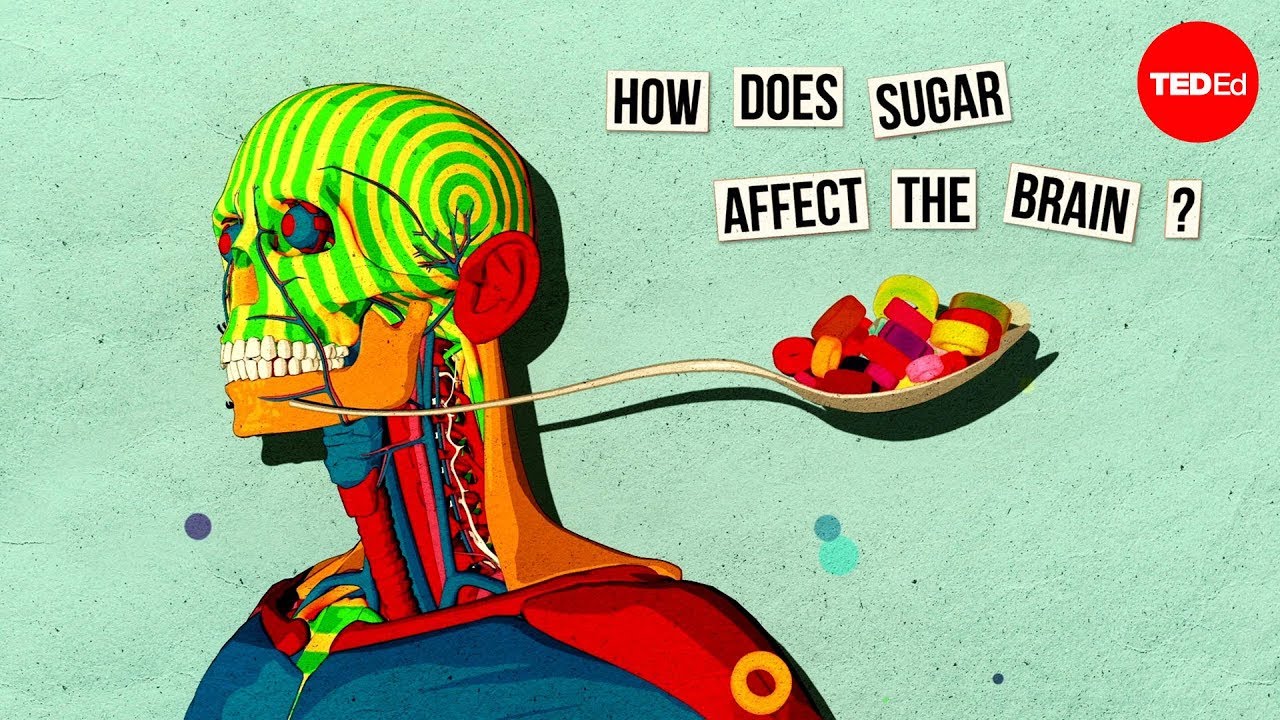
Studies suggest that high-sugar diets can have a negative impact on cognitive abilities, including memory and attention span. When Chris consumes sugar, it leads to rapid spikes and subsequent crashes in blood glucose levels. These fluctuations can impair brain function, as the brain relies on a steady supply of glucose for optimal performance.
The study indicates that over time, this pattern of fluctuation can lead to cognitive decline. Furthermore, Chris learns about the role of inflammation in cognitive impairment. Diets high in sugar can increase inflammation throughout the body, including the brain.
Chronic inflammation has been linked to a decline in cognitive abilities and is considered a risk factor for neurodegenerative diseases like Alzheimer's. Research supports this, showing a correlation between high sugar diets and increased risk of dementia. The impact of sugar on the brain also extends to neurotransmitters, the chemicals that relay messages between brain cells.
Excessive sugar intake can disrupt the balance of neurotransmitters like serotonin and dopamine, which play vital roles in mood regulation, learning, and memory. Research points out that an imbalance in these neurotransmitters due to high sugar consumption can lead to cognitive deficits. It's clear that the sweet treats we often enjoy come with a less pleasant side.
Chris's journey has illuminated the various ways in which excessive sugar intake can affect our bodies, from causing blood sugar spikes and increased cravings to contributing to serious health issues like weight gain, dental problems, and even impaired cognitive function. His experience serves as a reminder that while sugar can be part of our diets, moderation is key to maintaining our overall health and well-being. So put down the candy and get back to work, Chris!
These videos won’t produce themselves! Now check out “What Happens To Your Body When You Stop Drnking Coffee. ” Or watch this!