Hi it's Wasim from Curious Doc. We're going to continue with this theme of analysing the biomechanics in sports except today we're going to talk about sprinting. I also wanted to make this because it seems like there's so much misinformation out there.
Almost everyone has a different opinion about leg movement, arm swing and foot positioning etc. And almost no one backs this up with scientific reasoning. Let's first look at the acceleration phase, the first 10 or so meters of the race where the sprinter is gaining speed.
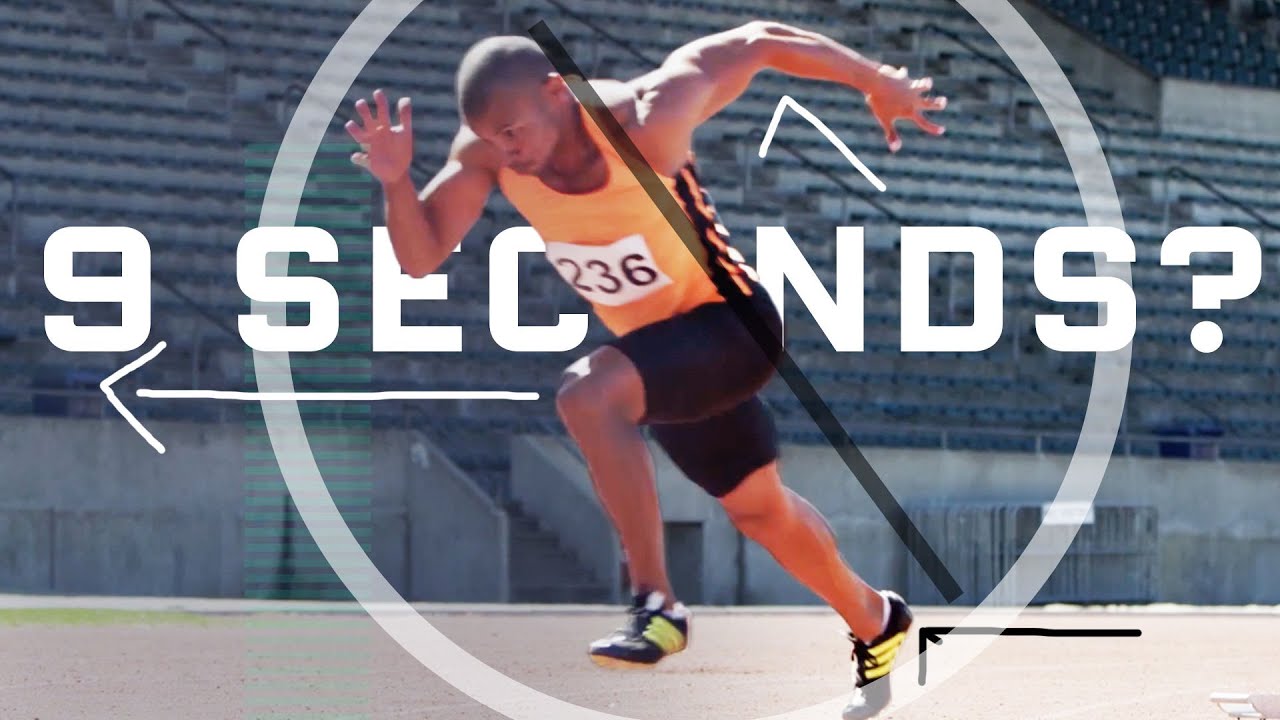
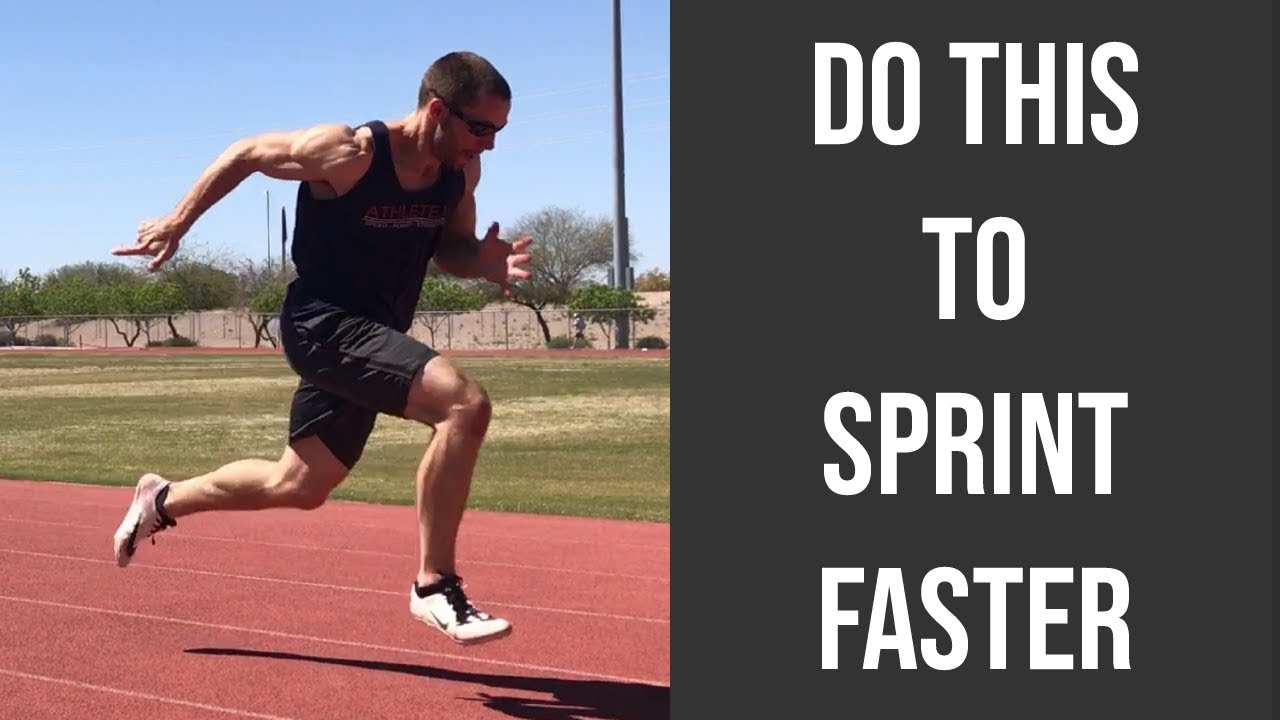
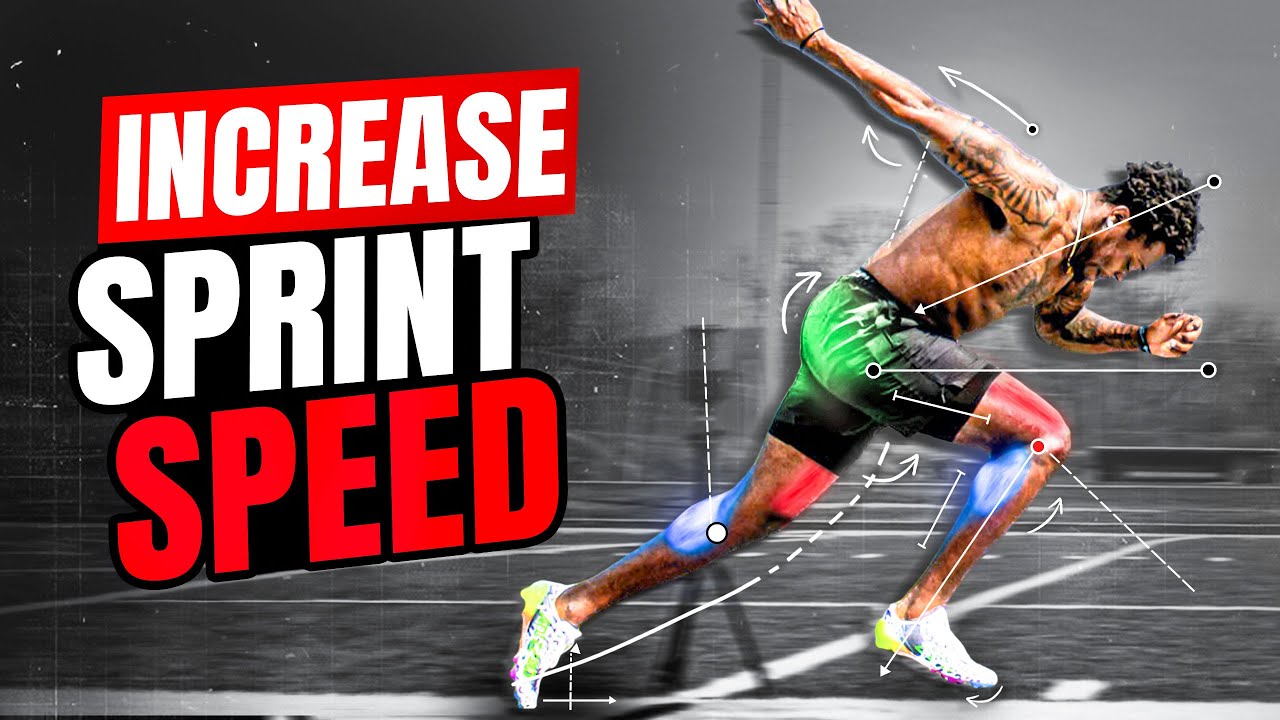
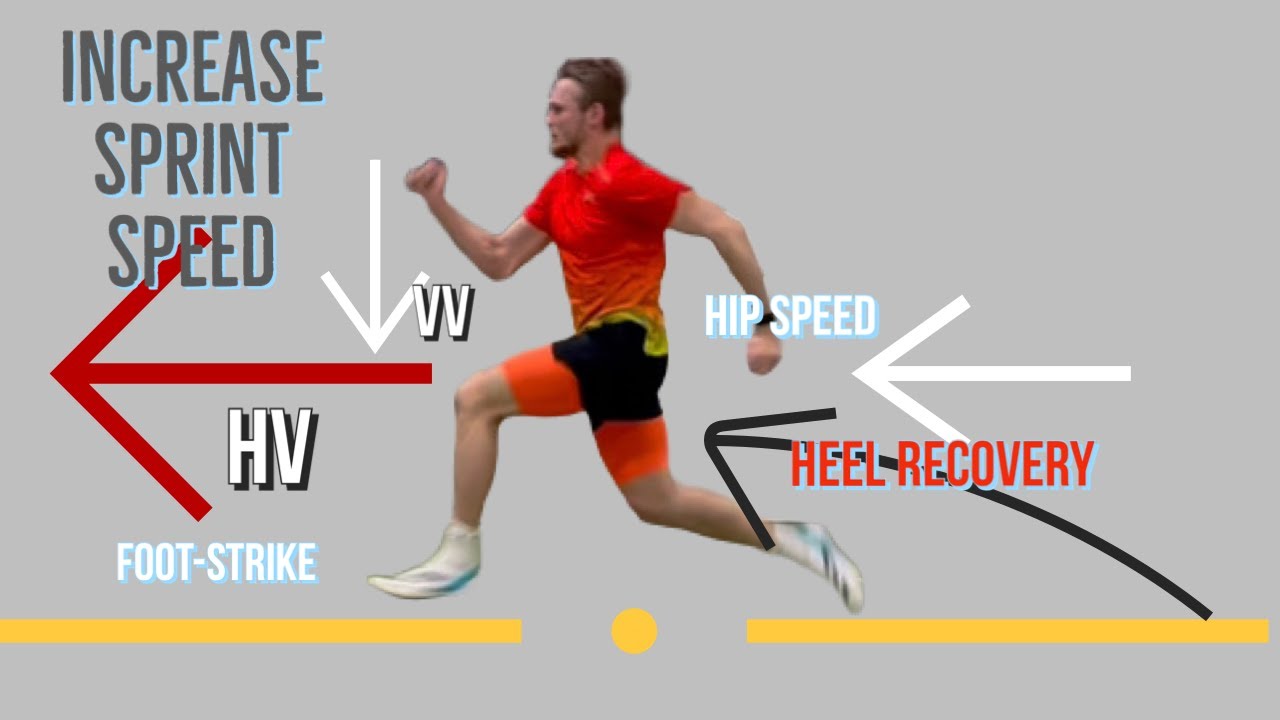
Here the goal is to lean the entire body forward and maximise length of time the foot is planted into the ground. If you look at the foot pushing off the ground, you can see the force vector is being applied in this direction. When we break down the force vector into horizontal and vertical components, you can see that some of the force is being used to propel you forwards and some of the force is vertical, keeping your body off the ground.
Obviously, sprinting is all about moving horizontally as quickly as possible, so the aim is to maximise this horizontal component which is done by leaning the body forwards. As you can see, the torso and shin should be parallel to each other, forming an acute angle with the ground. In this case it's about 45 degrees with the ground but the more acute the angle, the more horizontal force you produce and the faster you'll accelerate.
However, you have to be careful because if you lean too much, there won't be enough vertical force keeping your body up which means that you'll start to stumble. Your legs also won't be able to move underneath your body fast enough to catch your falling body. One trick to counteract a stumble is to drag the trailing foot just above the ground instead of bringing it up high like you're used to.
This way the foot has to travel a lot less distance and can reposition underneath your center of mass before you stumble. So in summary, the aim of the acceleration phase to create an aggressive forward lean to maximise horizontal force production whilst ensuring there's just enough vertical force to keep your body from stumbling. Once you've reaching maximum velocity, you transition into the maintenance phase, where the biomechanics of the body changes completely.
The stride length increases and the contact time between the foot and ground decreases. The body also needs to straighten out and become more upright. A lot of new runners will assume that the body lean will help in the maintenance phase like it does in the acceleration phase but unfortunately, since you're no longer accelerating, it only works against you and slows you down.
A 5-10 degree lean is okay but any more and the range of motion of the legs will be severely compromised and as we'll see soon, the center of mass moves to a suboptimal position over the legs. Let's talk about the phases of running and the goals of each phase by concentrating on one leg at a time. When the foot is on the ground, it's called the drive phase.
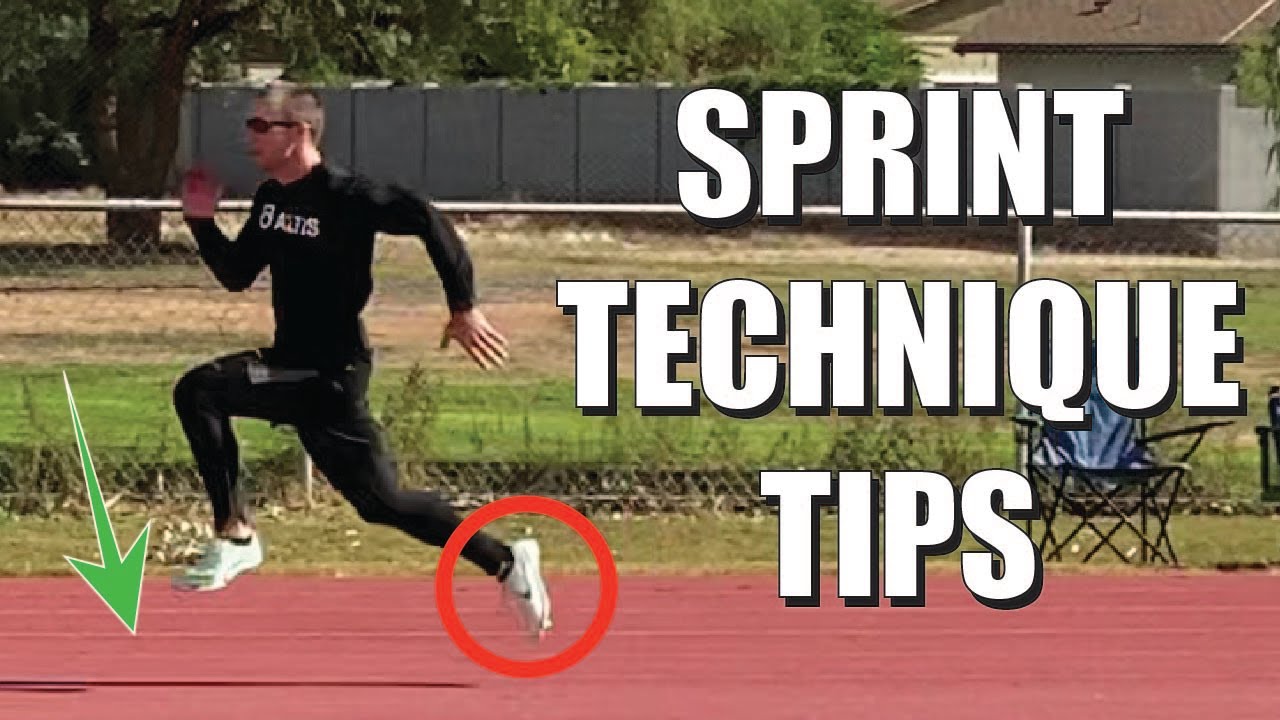
At the beginning of the drive phase, when the foot hits the ground, the goal is to step directly underneath or just in front of your center of mass. If the foot steps too far in front of the center of mass, we can see a force is applied in this direction. And as we know, according to Newton's 3rd law, there's an equal and opposite force in this direction which is called the ground reaction force.
When the foot is in front of the center of mass, this ground reaction force is in the opposite direction to the runner, acting like a braking force and causing the runner to slow down. It's a common problem for all new runners and is often compensating by activating the hamstring muscles to pull on ground with the foot. This is a really inefficient way of running and tires you out quickly.
However, if you focus on landing the foot underneath your center of mass, a lot of the force is in the horizontal direction. If we look at a video of Usain Bolt, you can see that his leg starts to move backwards while it's still in the air. And the foot only hits the ground whilst it's underneath his hips.
Also note how his knee is above his foot at the point of contact so he's pushing with his legs instead of pulling. This is another reason why we need to have an upright torso while in the maintenance phase of running. If you lean too far forward, your foot will tend to land behind the center of mass.
As a result, you're missing out on a big part of the drive phase and won't be able to transfer energy into the ground as efficiently. After initial contact with the ground, we enter the middle part of the drive phase. The aim here is to plantarflex the ankle with the calf muscles, extend at the hip with the glute and hamstring muscles and keep the torso upright using the core.
This is often referred to as triple extension and the whole point of it is to use the entire range of motion of the legs whilst keeping the body upright. However, the term triple extension is controversial because people often refer to the knees being fully extended. If you watch any elite runner, you'll notice the knee is always in a tiny bit of flexion throughout the entire range of motion.
At no point, do the knees fully lock out. And this is for good reason, because locking out the knees in full extension creates a biomechanical DISadvantage to your hamstring muscles. The hamstring originates at the pelvis and inserts on the tibia (and fibula) just below the knee.
In engineering, this is called a class 3 lever, with a pivot at the knee joint, the effort at the insertion of the hamstring and the load being applied to the distal tibia where the foot is. Now if you imagine your knee is fully locked out, you can see that no matter how much you pull with the hamstring, the knee won't bend. This is why the knees are always slightly bent in running or rock climbers always have a slight bend in their arms when doing an isometric pullup.
Next, we have the recovery phase where the leg is in the air. This is an often overlooked part of running but extremely important. The recovery of the leg determines the speed and momentum of the other leg's drive phase.
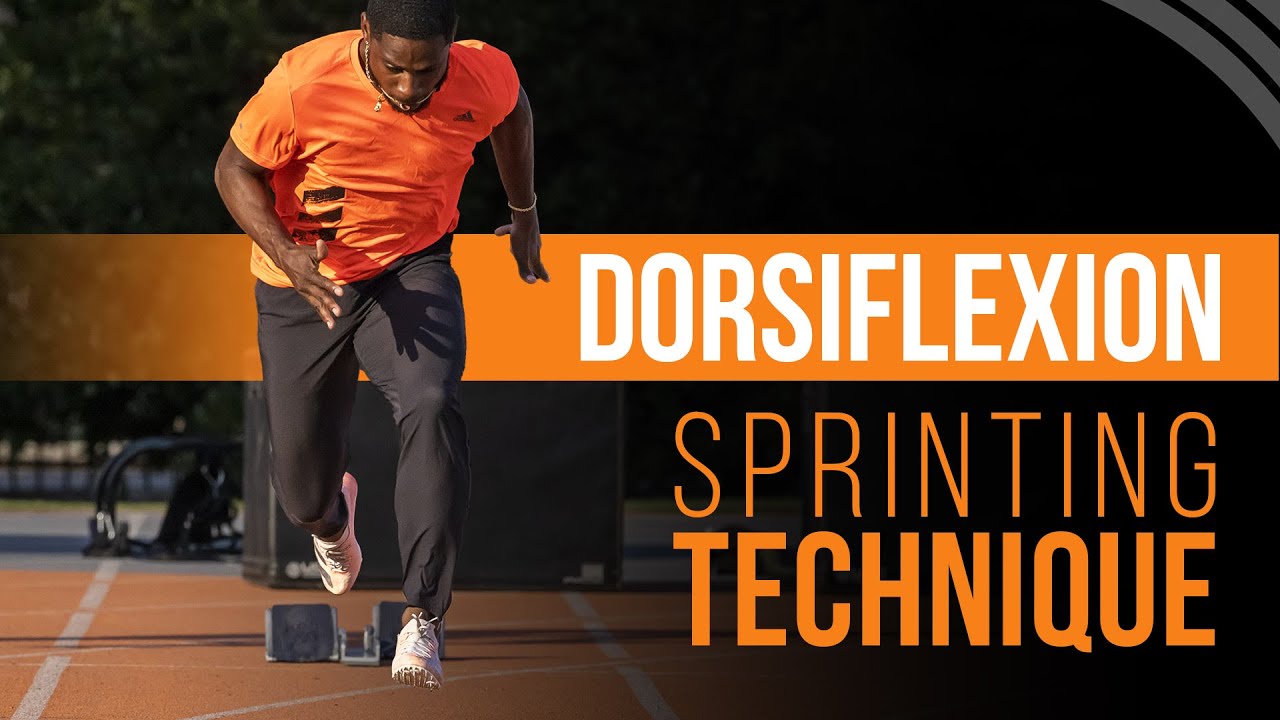
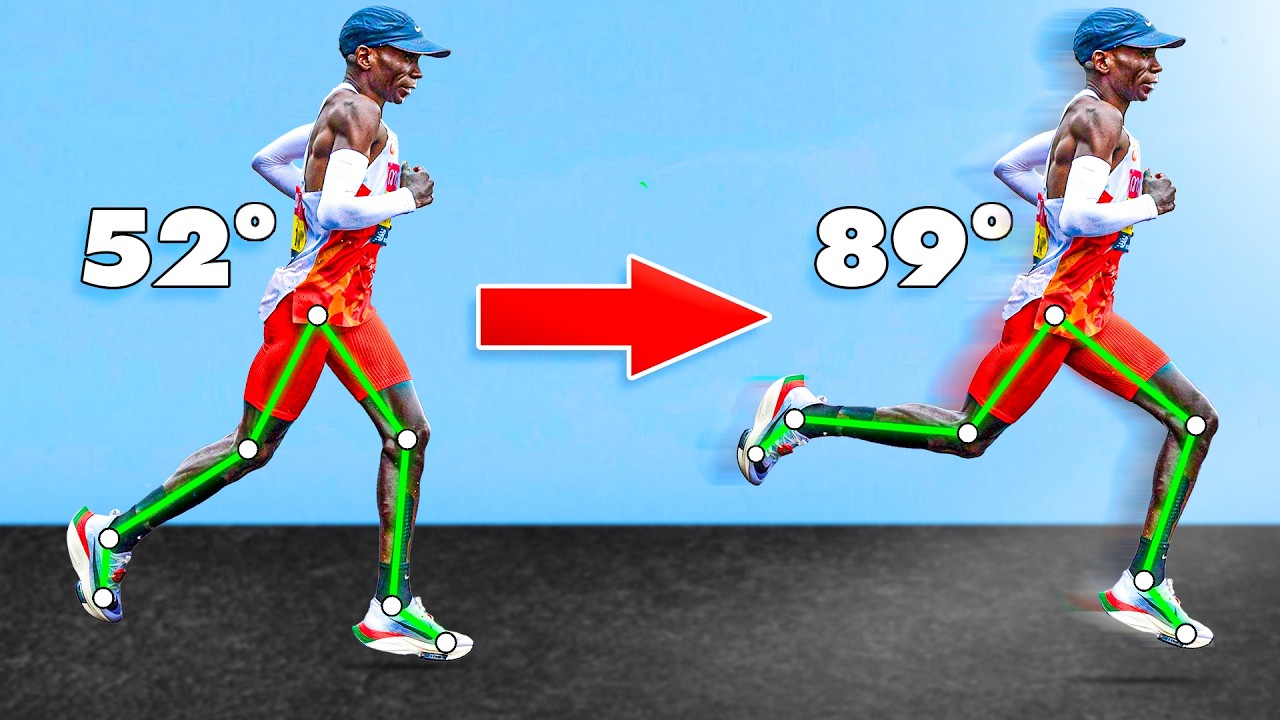
So the aim is to recover the leg as quickly as possible so it's ready to hit the ground running for the drive phase, pun intended. To optimise the recovery phase the knee should be almost fully flexed and the ankle should be dorsiflexed. This decreases the moment of inertia produced by the leg so that less effort is required to swing the leg forwards.
You can think of the moment of inertia as the torque required to rotate an object from a standstill, so if you imagine holding a hammer at arms length, it's much harder to rotate at the shoulder compared to when the hammer is closer to the body. It's also a similar concept when ice skaters spin really fast when they bring their arms and legs in. And the same thing happens in running, the knee and ankle is brought closer to the hips so that the moment of inertia is smaller and the leg can recover quicker.
And the faster the recovery, the more faster and forceful the drive phase of the other leg will be. So in summary, for the maintenance phase of running, you want to land with your foot underneath your center of mass to minimise the braking force. Then you want to push off the ground using the calf muscles to plantarflex the ankle, the glutes and hamstrings to extend at the hip and the core to keep the torso upright.
And finally when your foot leave the ground, you want to flex at the knee and dorsiflex at the ankle to minimise the moment of inertia of the leg and speed up the recovery phase. As you can see the whole motion is rhythmical and smooth. If you look at the position of the hip, it doesn't bounce up and down but instead seems to float above the ground.
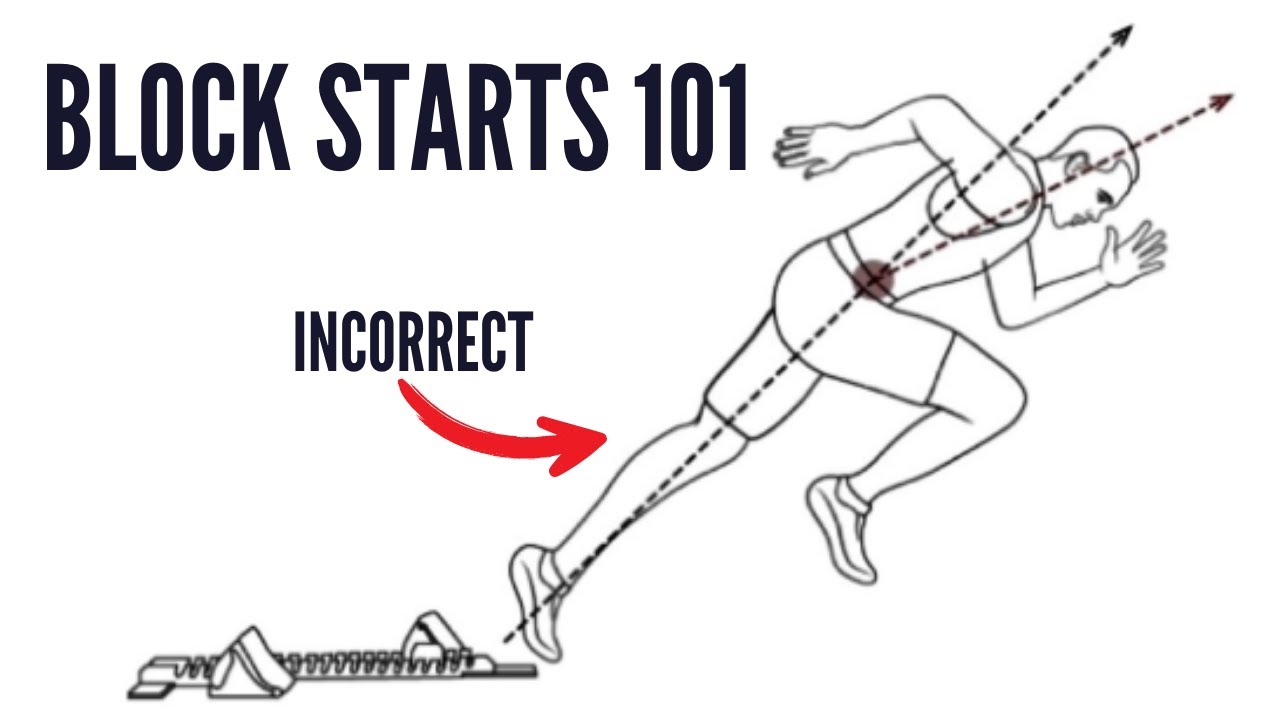
This shows that a lot of the energy is going into horizontal motion and isn't being wasted in doing mini-jumps with each stride. Sprinting biomechanics is one of the most complex things I've learnt and there's a lot of things that I didn't have time to cover in this video such as how to push off the blocks at the start or how to move the arms correctly. So if you enjoyed this video and would like to see part 2, consider subscribing with notifications on.
Thank you.