As we've been discussing in our previous videos, we've talked about how important it is to have an encryption key that is only known by the person encrypting the data and the person decrypting the data. Well, this brings up a logistical challenge, especially when we need to encrypt a large amount of data across the internet: how do you share that encryption key between those two people without physically transferring that encryption key across an insecure medium like the internet? One way to do this is by exchanging the key out of band, which means we're not going to use the network.
That means we would need to find some other method to transfer that key from one place to the other. You can think back to the person with the suitcase that is handcuffed, and they hop on the train, go across the country, and hand that suitcase off to someone else. Now both sides of the conversation will have the same key.
You could, of course, accomplish the same thing by using a courier, calling someone on the telephone, or simply exchanging the key in person. But on the internet, we don't have the luxury of time; we need to be able to encrypt a single communication immediately in our browser. So, we would need to use some type of in-band key exchange, which means some type of information is going to be sent across the network.
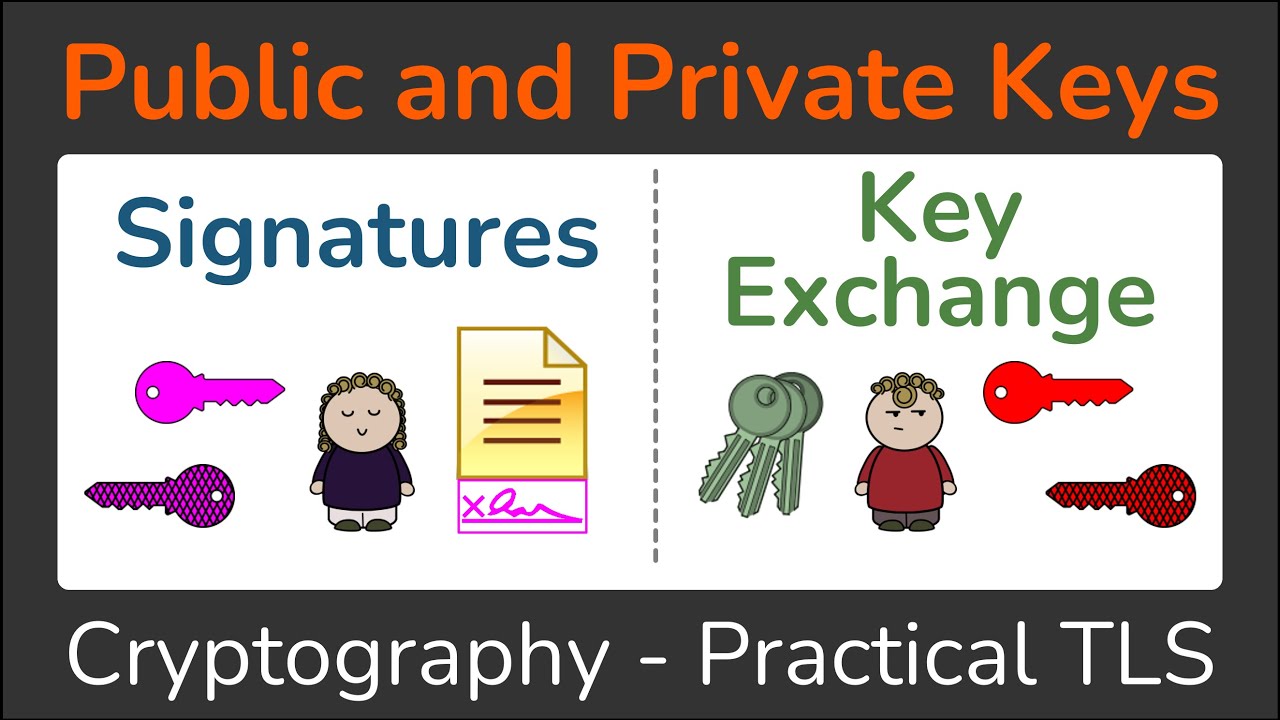
Sometimes you can do this by using additional encryption mechanisms. For example, you could use asymmetric encryption to encrypt a symmetric key, send that asymmetrically encrypted key to a third party, and they can decrypt it to obtain the symmetric key. This allows us to securely transfer these encryption keys across the network, and it all occurs relatively quickly.
This is something that's commonly done with keys that may be used for a short period of time; for example, things like session keys are used on a temporary basis. We then remove those session keys and use a new session key for the next session. For example, a client could encrypt a random symmetric key that could be used for a session and encrypt it with a server's public key.
The client would then send that encrypted information to the server, and the server would use its private key to decrypt that session key. Since session keys tend to be ephemeral or temporary, we can use that session key, discard it, and then perform this process again to transfer a new session key between systems. There's also another way to create a symmetric key between two devices by using public key cryptography.
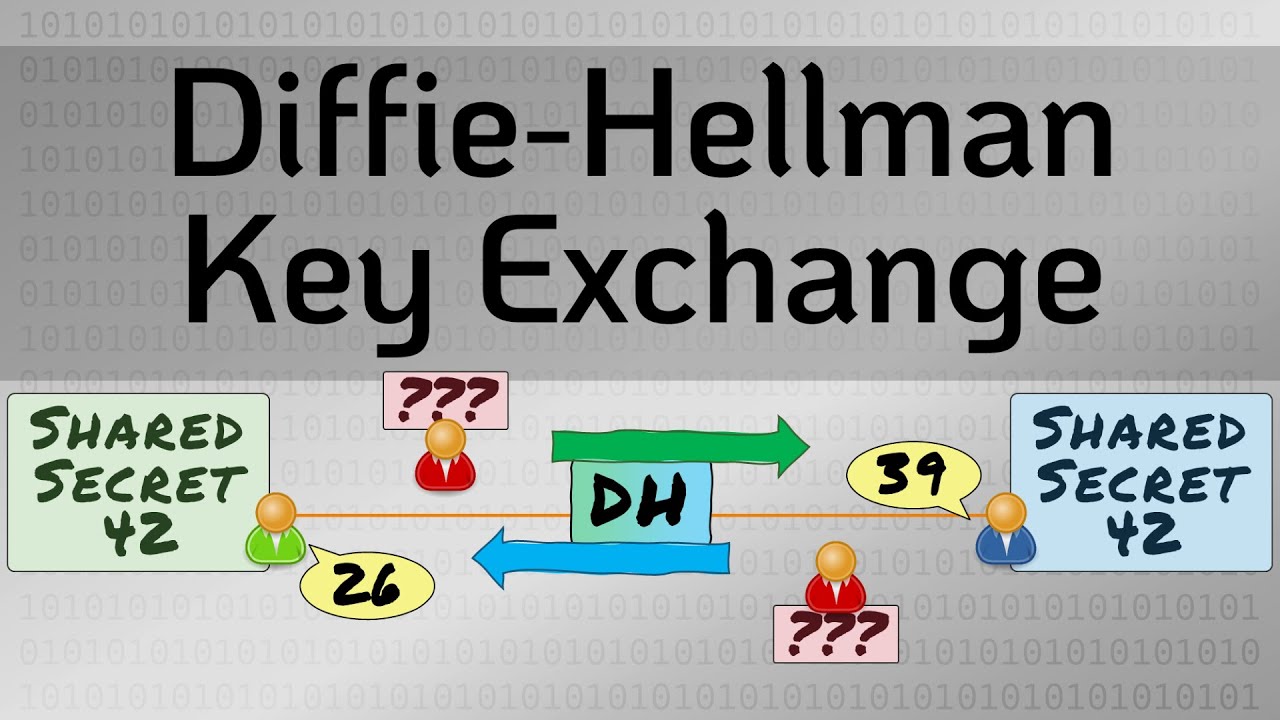
This is something that would allow us to create the same symmetric key on both sides of the conversation without sending the symmetric key across the network. Here's how this works: we would start with Bob's side. Bob obviously has a private key that no one has but Bob.
Alice also has a private key; her private key is only known to herself. We would then combine Bob's private key with Alice's public key. Alice's public key is obviously known to everyone, so Bob would easily have access to that information.
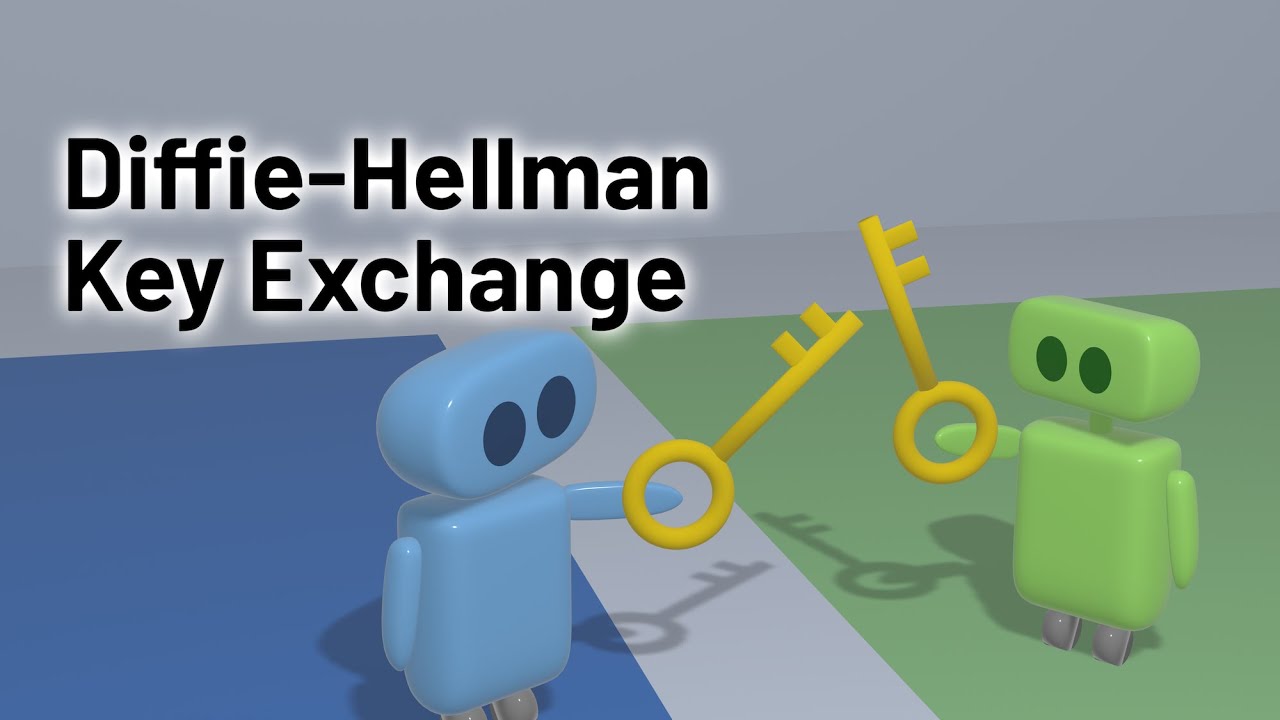
Conversely, Alice can combine her private key with Bob's public key, and since both Bob and Alice are using keys that are mathematically related, they create the same symmetric key from that algorithm. We refer to these as key exchange algorithms. We're not performing any type of encryption or hashing; we're instead building the same symmetric key on both sides of the conversation, even though we didn't send that symmetric key across the network.