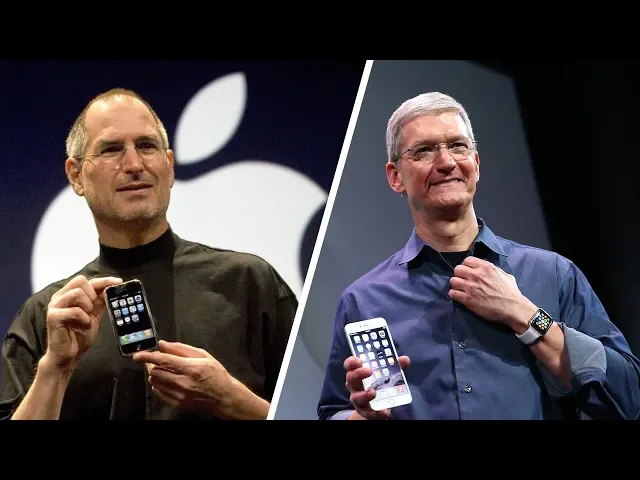
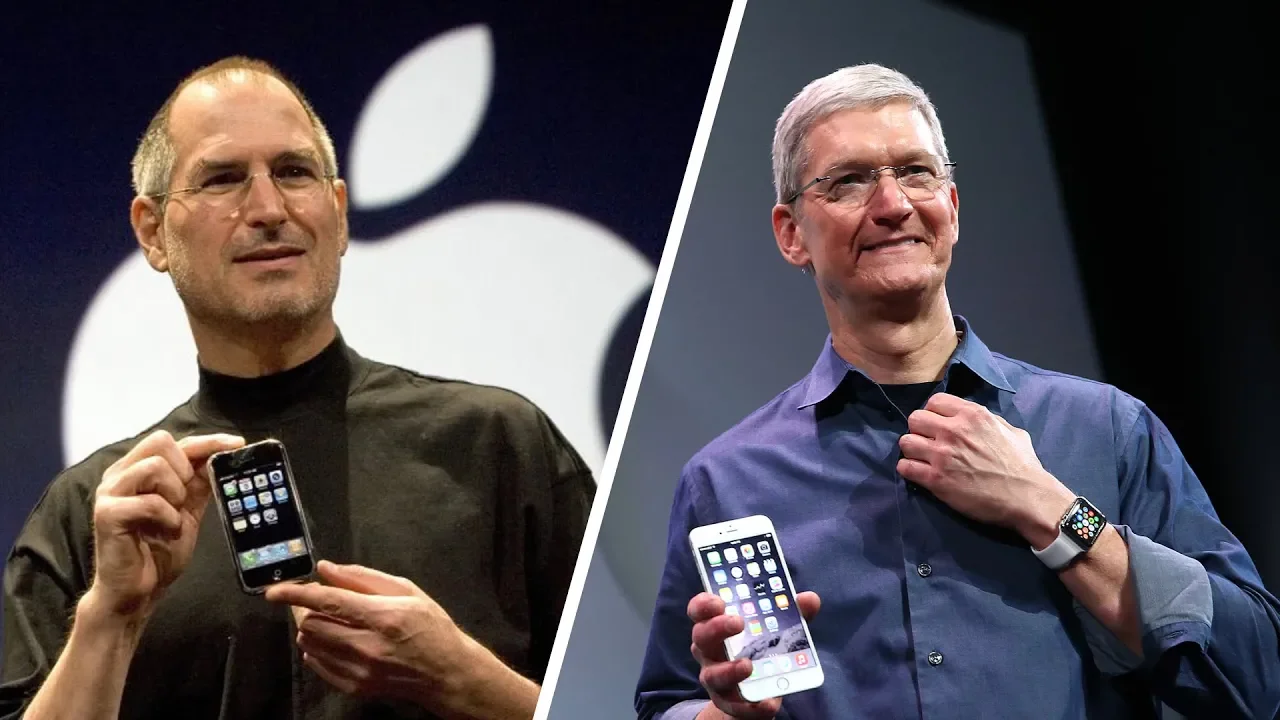
Hey guys, it’s Greg with Apple Explained. And in this video we’re going to discuss whether or not Apple is still an innovative company. Because when Tim Cook replaced Steve Jobs as CEO of Apple in 2011, many thought that the company was doomed to failure since Cook didn’t appear to be much of a tech visionary.
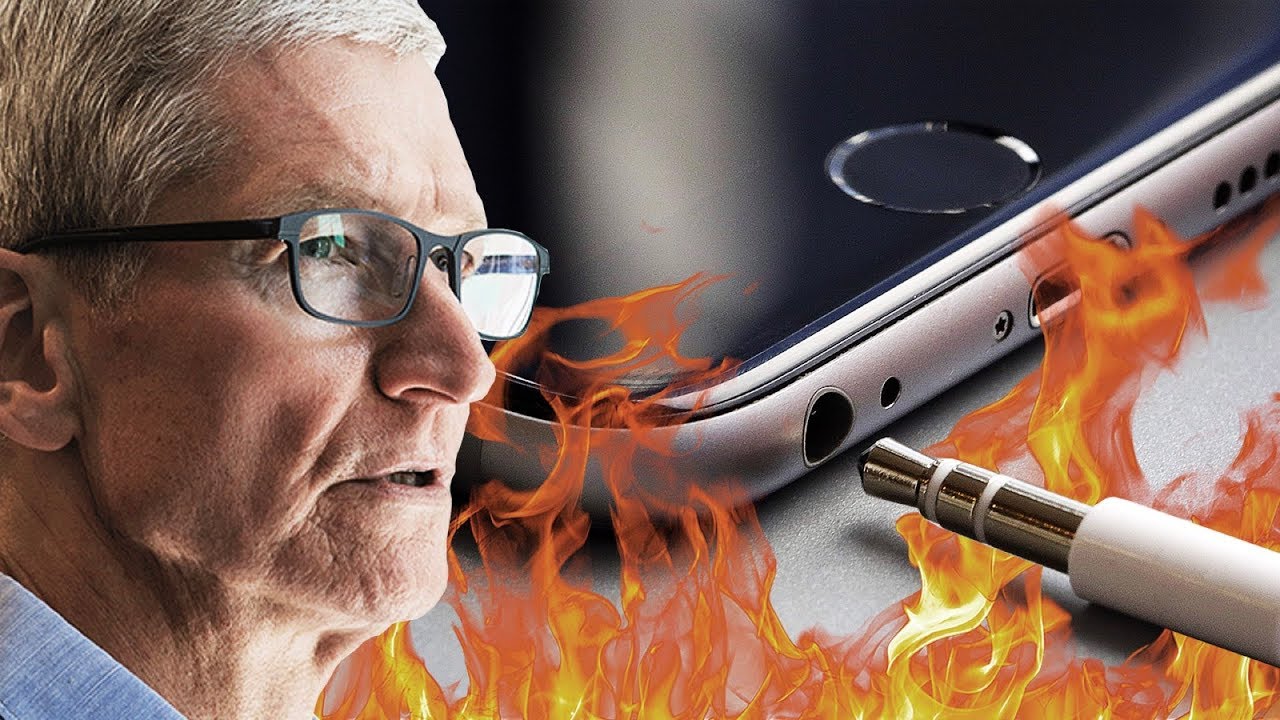
And over the years, the criticism that Apple is no longer innovative has clearly been taken to heart by some executives. “Can’t innovate anymore my ass. ” So has Apple become less innovative?
Well, we’re going to answer that question by going over some of the biggest products that have been released under Cook’s leadership, and decide whether or not those products were truly innovative. Now this video topic was the second place winner of last week’s voting poll, and if you didn’t get to vote, make sure you’re subscribed. That way the voting polls will show up right in your mobile activity feed and you can let me know which video you’d like to see next.
So if we’re going to decide whether or not today’s Apple products are innovative, we need to begin by establishing what innovation even is, what it looks like. Now according to the dictionary, the word innovate means to make changes in something established, especially by introducing new methods, ideas, or products. But I kind’ve have a problem with this definition.
Because making changes to a product for the sake of it doesn’t necessarily mean that product is any better than before. And if no measurable improvements have been made, I don’t think the changes can be considered innovative. So we have to make the distinction between innovation and invention.
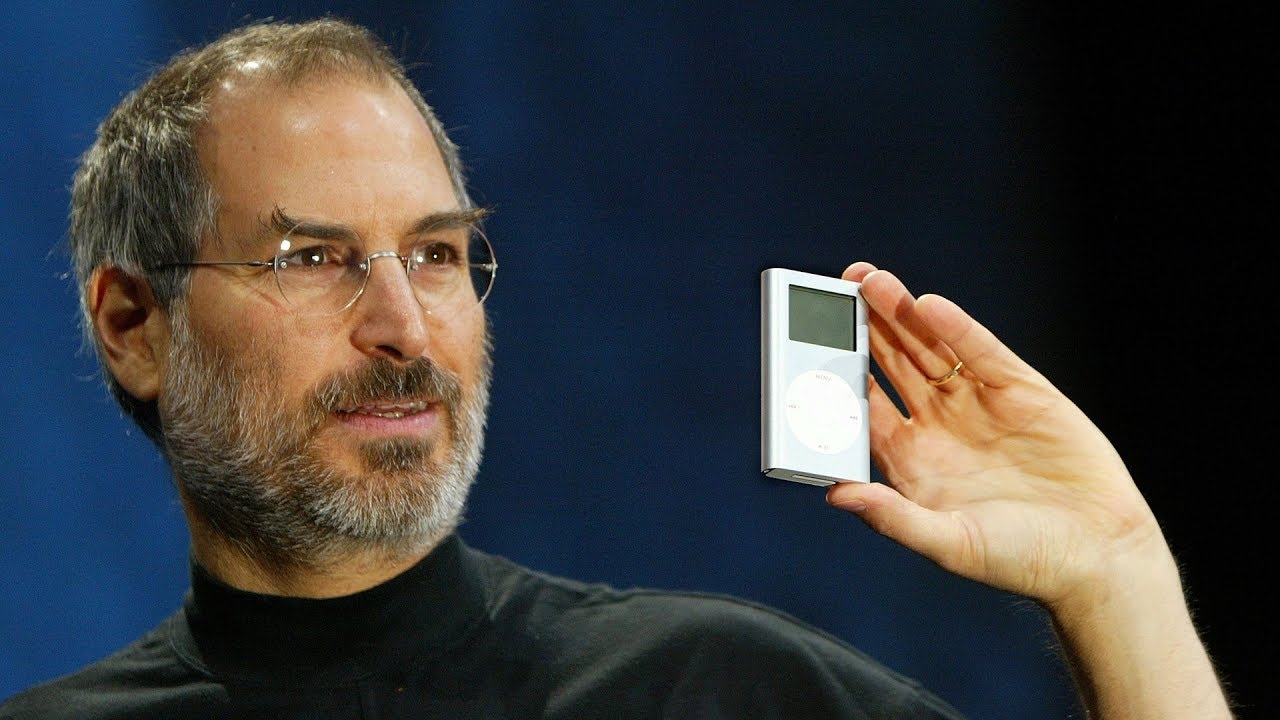
With innovation bringing about significant improvements, and invention bringing about something new simply for the sake of newness. So how has Apple been innovative in the past under Jobs? Well one of the earliest examples was the Apple II in 1977.
It was the first modern computer marketed to the everyday consumer that could be purchased preassembled. Requiring very little technical knowledge. And the Apple II can absolutely be considered innovative since it took a new approach to existing technology that made it accessible to the masses.
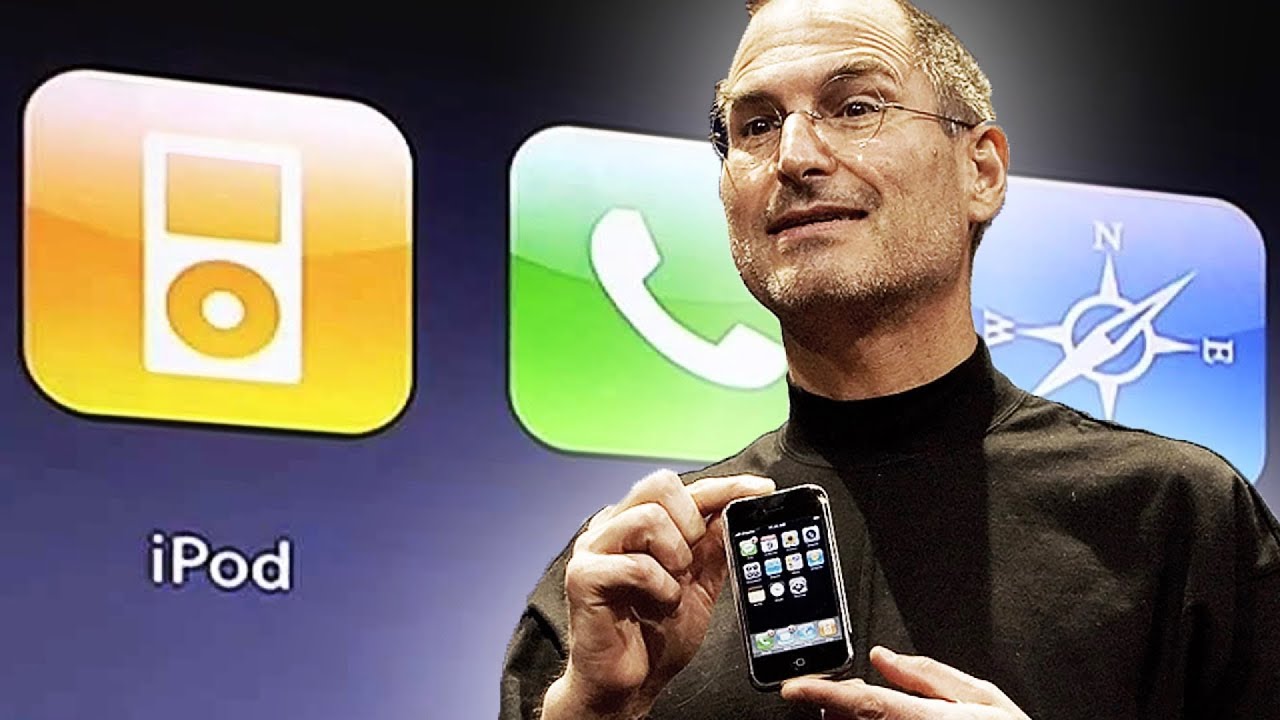
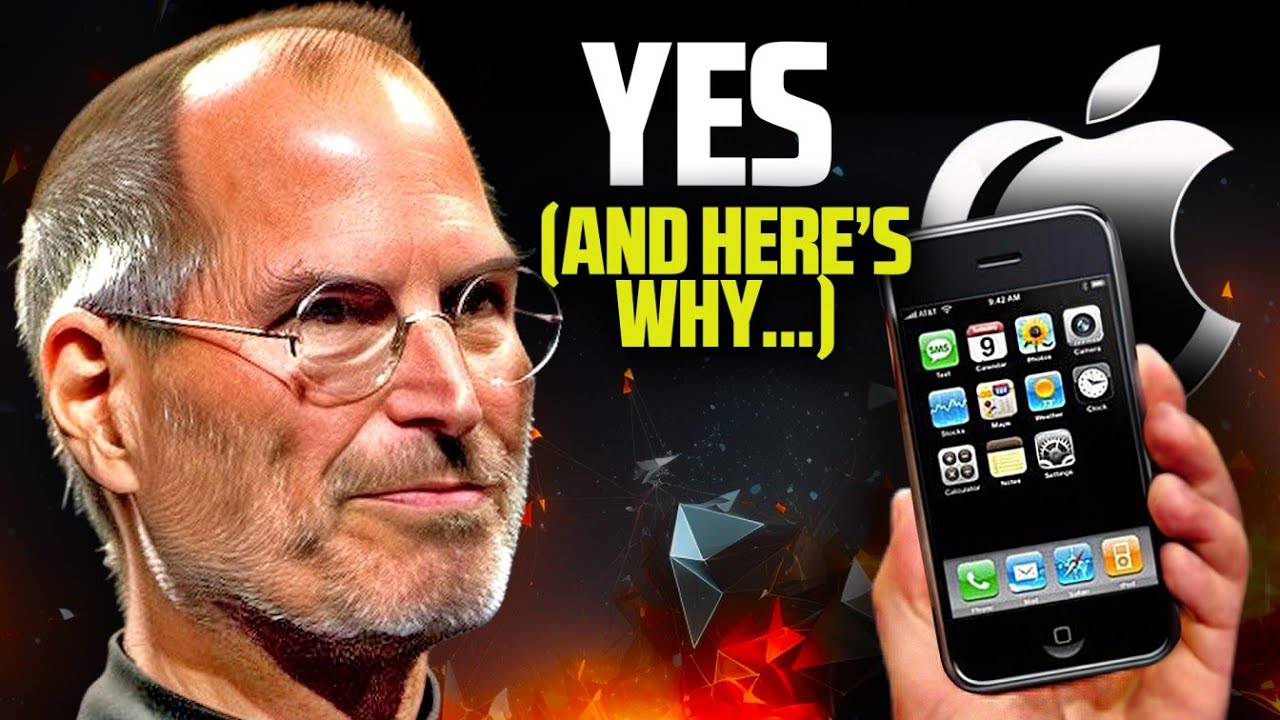
Another example of innovation under Jobs came in 1984 with the Macintosh. It introduced features like the mouse and graphical user interface that truly changed the way computers were used, and put them within reach of even more people. But probably the most innovative product Jobs introduced was the iPhone.
It marked a huge leap forward for smartphones, featuring a large multi-touch glass display that did away with the traditional plastic keyboard and control buttons. Now I want to point out that innovative products are the first to be copied by their competition. Because there’s a general consensus that the truly innovative product has features that are objectively superior.
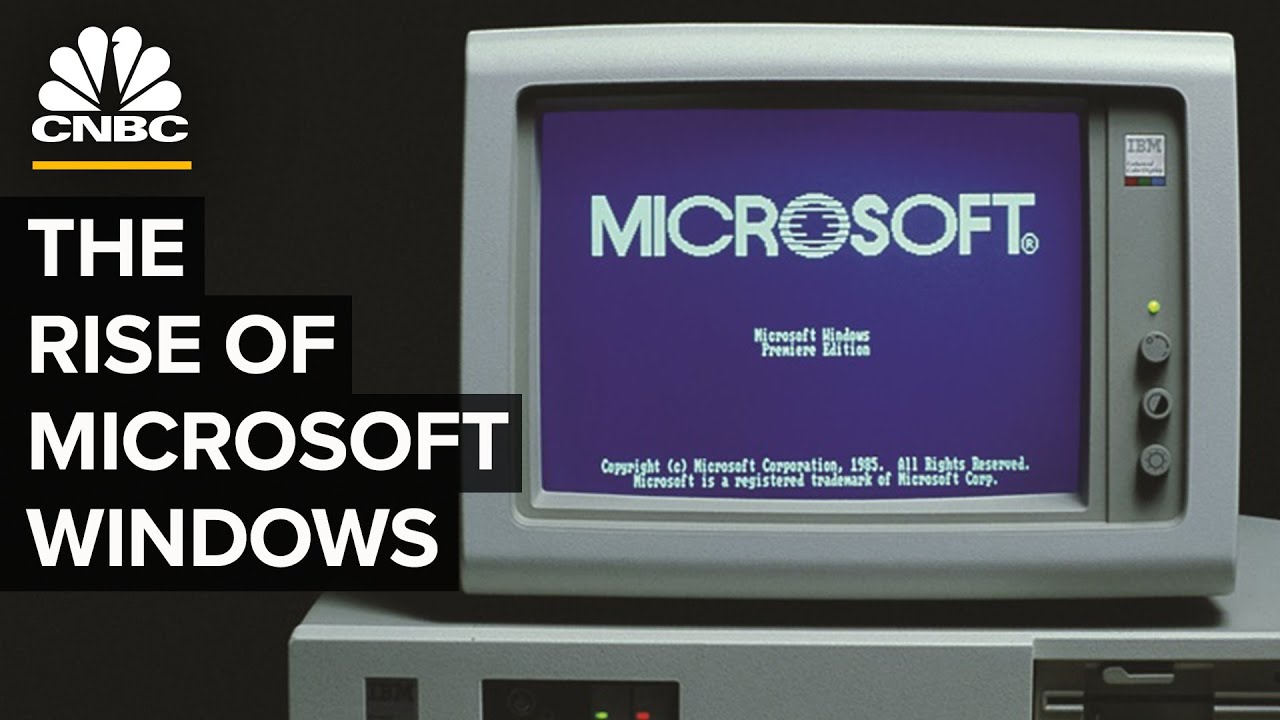
That’s why they say imitation is the sincerest form of flattery. And this kind of thing has been happening to Apple products for years. The Apple II influenced IBMs products, the Macintosh influenced not only hardware manufacturers but software companies like Microsoft who got the idea for Windows after seeing the Mac operating system.
And it’s undoubtedly clear that the iPhone influenced every single smartphone that was made after its release in 2007. So that’s how we identify an innovative product with meaningful features, rather than an inventive product with arbitrary features. So we’ve looked back at some of the innovative products released by Steve Jobs, but what about the major products released under Tim Cook?
Well the Apple Watch is probably the most important device Cook has introduced. It marked Apple’s entrance into a completely new product category, smartwatches, but can it be considered an innovative product? Well, it did introduce some incredible features like the digital crown that allowed for precise scrolling and zooming without your fingers blocking the display.
Not to mention it also served as a home button. And the Apple Watch could also tell the difference between a tap and a press, a capability that was completely new to smartwatches, and also very useful for accessing extra controls. And then there was the Haptic Engine that would tap your wrist when you received an alert or notification, and the taps were distinguishable from one another depending on the function.
So when you used the Apple Watch and experienced all of these features in action, it was clearly much easier and enjoyable to use than smartwatches before it. And this isn’t even considering how Apple made their Watch much more visually appealing and customizable than their competition. I mean, there are literally millions of ways to wear an Apple Watch when considering all the possible strap and watch face combinations.
Something that had never been accomplished before in the industry. And I think all of these improvements can absolutely be considered innovations that made the Apple Watch a huge commercial success and helped it become the number one watch in the world, outselling the entire Swiss watch industry in the fourth quarter of 2017. But that was only the beginning.
Because the following year in 2016 Apple introduced probably the most innovative product since Tim Cook became CEO. And that was the AirPods. A product that was initially ridiculed for its seemingly high price, although they were actually priced less than most "true wireless" earbuds on the market.
And they went on to sell extremely well, surpassing almost every tech analysts prediction. Even Apple had trouble keeping AirPods in stock for several months after its release since the demand was so high. And if you’ve ever used them, you’ll likely understand why.
The way Apple used existing technology in tandem with their own new technology to create the AirPods was actually pretty spectacular. They included their own W1 processing chip into each earbud in addition to the existing Bluetooth 4. 0 standard to ensure a reliable wireless connection while maintaining great power efficiency.
Which meant the AirPods could charge unbelievable fast but play audio for hours. Then there’s the charging case that was designed to perfection, featuring magnets that pulled each earbud in effortlessly. And this isn’t even considering the setup process, which is as easy as opening the lid and tapping a button on your iPhone.
So for me, the AirPods felt like the most magical Apple product since the iPhone, and it takes some serious innovation to execute that kind of user experience. And since the AirPods release, there have been so many copycat products it’s hard to keep track. Now we can’t talk about major Apple products without mentioning the iPhone.
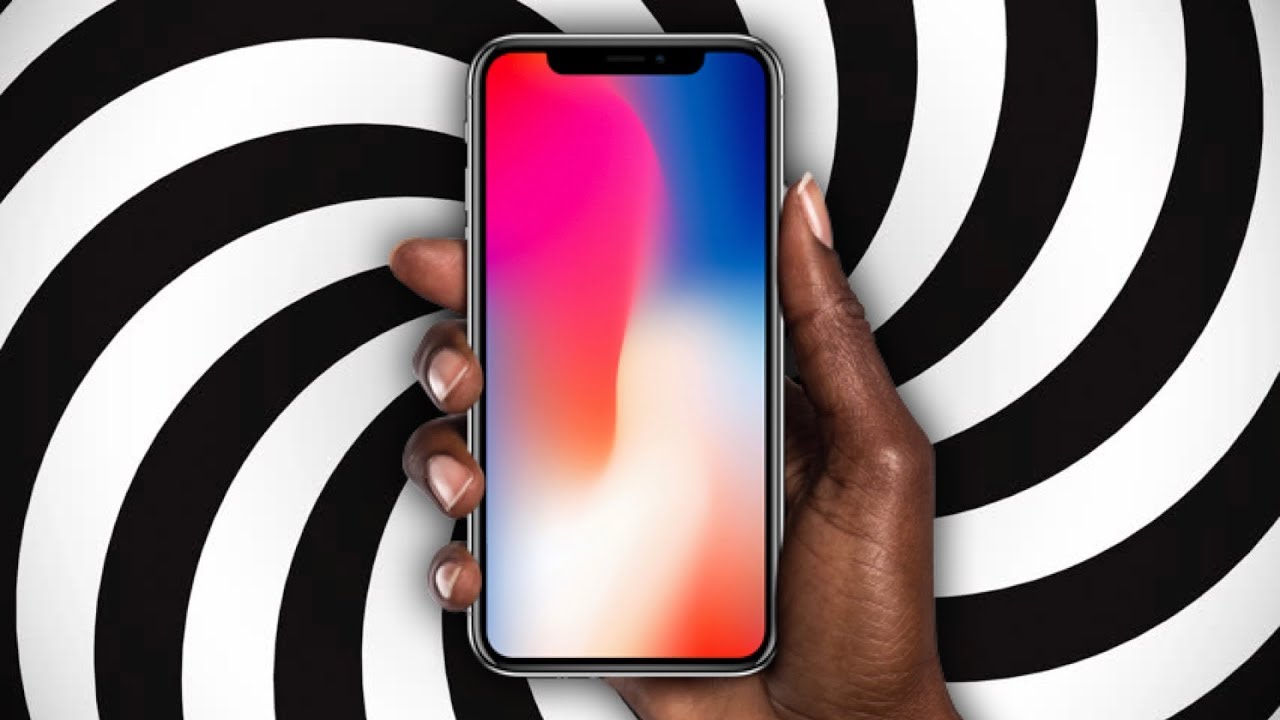
And the biggest improvement to the iPhone since it was first introduced, happened under Tim Cook with the iPhone X. And I think this product hasn’t been given the credit it deserves, mainly because of the unusually large amount of criticism it received upon release. Some of which was justified, but overshadowed the X’s most impressive technological achievements.
The first of which was it’s edge to edge OLED display. Something that hadn’t been achieved by any other smartphone at that point. Mainly because displays have a controller at the bottom to function properly, and therefore require the phone’s design have at least a small chin to cover up those controller electronics.
But Apple did something pretty innovative with the iPhone X that had never been done before, they curved the bottom of the display underneath itself so that the controller electronics were hidden behind the display, resulting in smaller bezels and more screen. And that alone is worthy of calling the iPhone X an innovative product, but there are even more features like the new gestural interface that was the fastest and most fluid in the industry. Along with Face ID which was the first smartphone facial recognition system that actually mapped a 3D model of your face and couldn’t be tricked by photos.
Not to mention how much more reliable it was than the Touch ID sensor it replaced. But the innovative technology behind the Face ID system was overlooked due to it being located in a notch at the top of the iPhone’s display. And this notch design was met with so much disdain that many tech users declared the phone unusable.
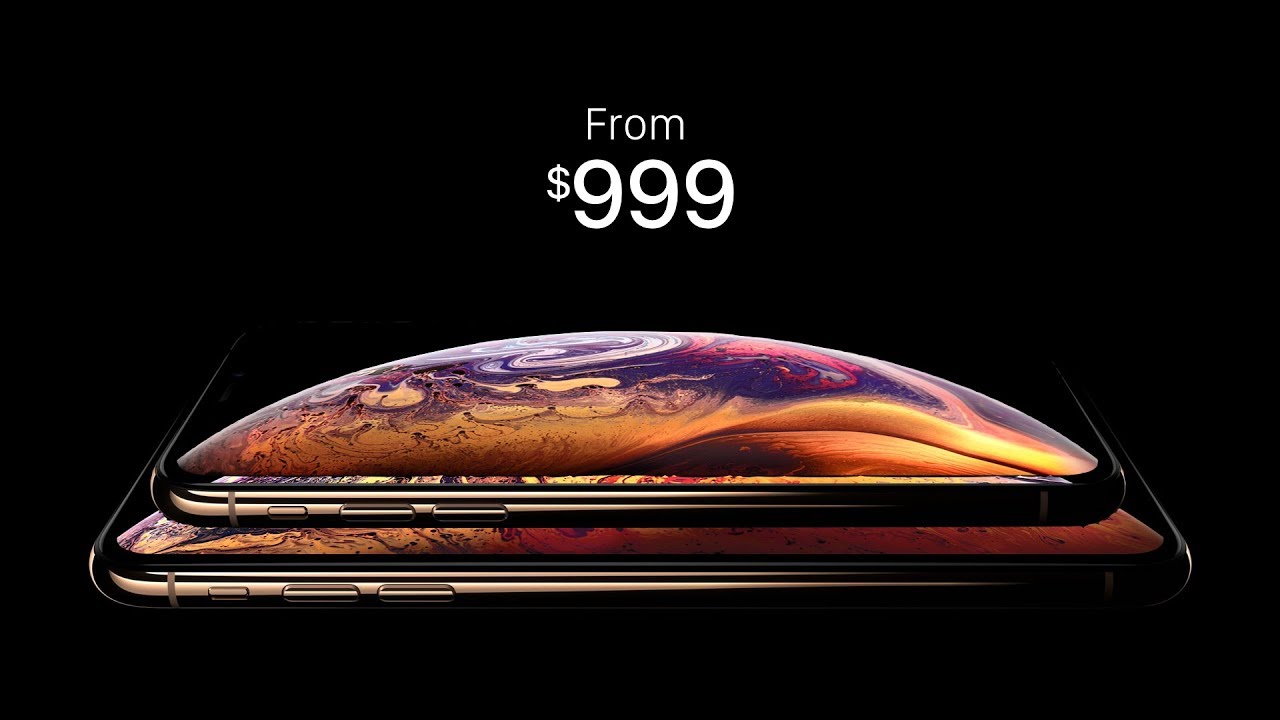
But the problem was, none of these people had even tried it for themselves since the phone wouldn’t be released until a couple months after its introduction. And when the iPhone X was finally released, it sold way better than anyone had expected, despite it higher price. Becoming the world’s best-selling smartphone in its first quarter on the market.
And when other competing smartphones were released after the X, many featured a similar notch at the top of the display that so many users railed against. So it’s clear that the iPhone X was an influential, innovative product that provided a completely new and improved user experience. But I should mention that although Steve Jobs and Tim Cook have both released innovative products, that doesn’t mean they haven’t made mistakes along the way.
Jobs famously said he hired the wrong guy when he persuaded John Scully to serve as Apple’s CEO back in 1983. And Tim Cook admitted hiring John Browett as Apple’s senior vice-president of retail back in 2012 was a mistake. And we can name all of the missteps each CEO made including MobileMe, Apple Maps, the hockey puck mouse, and the trash can Mac Pro.
But that would just be distracting from the real innovations that both Steve Jobs and Tim Cook have contributed. And although you may not appreciate every aspect of a product, like the iPhone X’s one thousand dollar price tag or the Apple Watch’s square design, that doesn’t mean it isn’t an innovative product. That just means it may not be the right product for you.
And if you watched my previous video about Apple Without Steve Jobs, you’ll also begin to understand why so many people think Apple can no longer innovate. Because they associate innovation with Steve Jobs, not Tim Cook. So therefore Apple will never be able to make truly great products again.
But based on what we’ve covered in this video, that obviously isn’t the case. Apple under Tim Cook is similar in so many ways to the Apple under Steve Jobs. They’re still producing high quality products that deliver seamless user experiences and push their respective industries forward.
And like I said before, there will be mistakes along the way, but in Steve Jobs words “that’s good, because at least some decision are being made along the way. And we’ll find those mistakes and we’ll fix them” So those are the ways Apple is still innovative, and if you want to vote for the next video topic, don’t forget to subscribe. Thanks for watching, and I’ll see you next time.