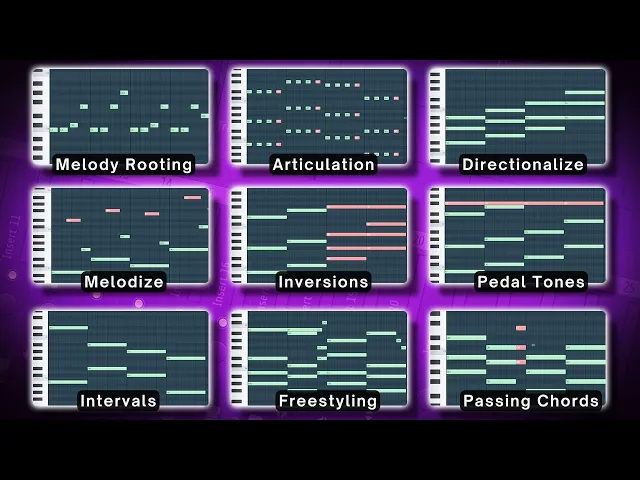
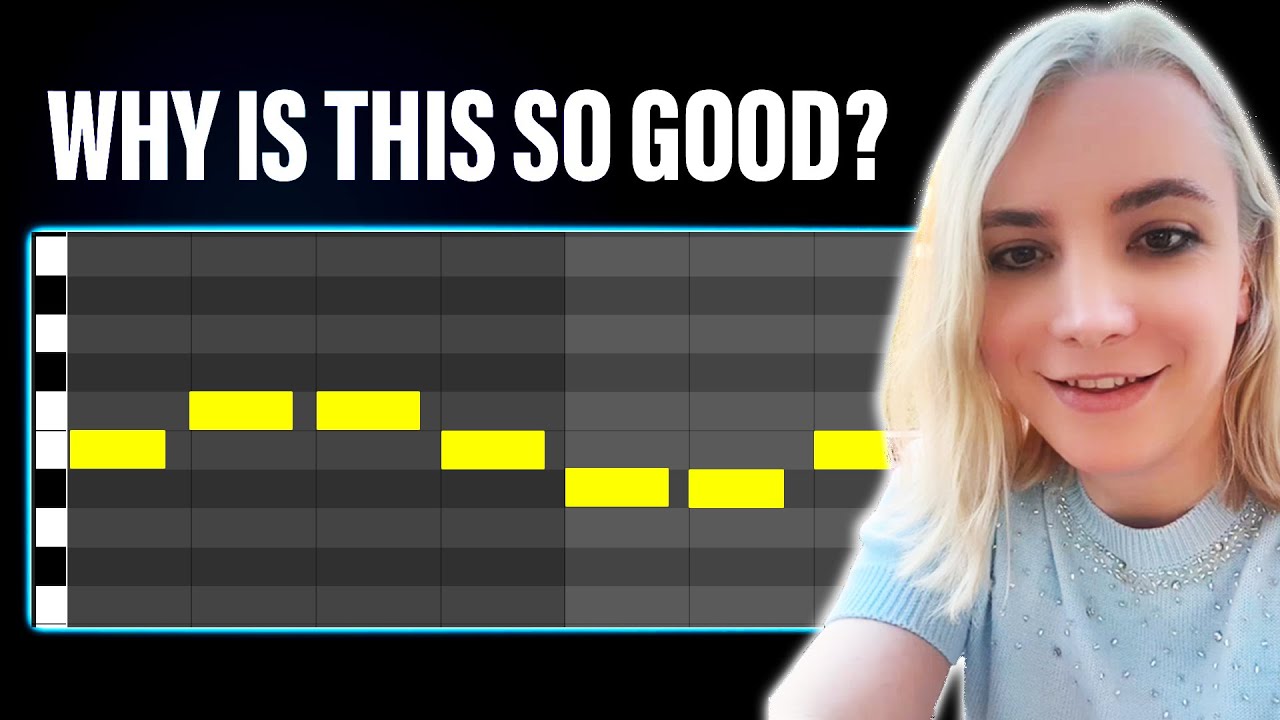
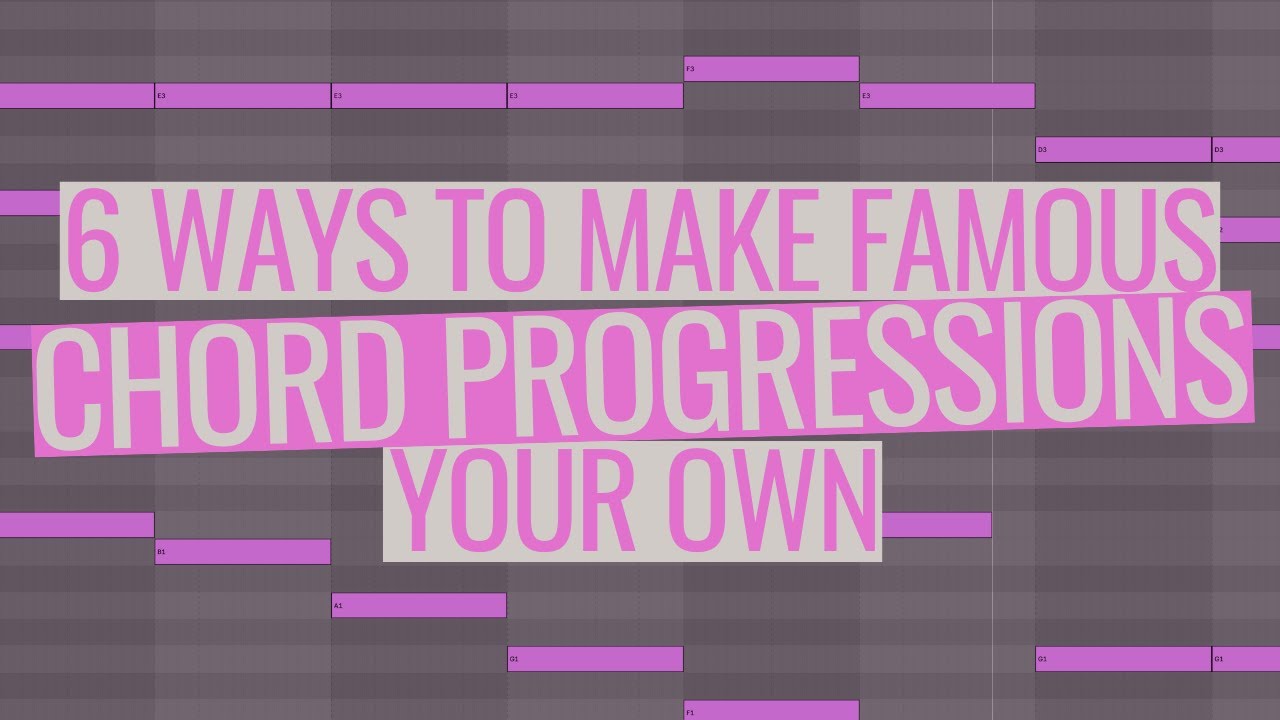
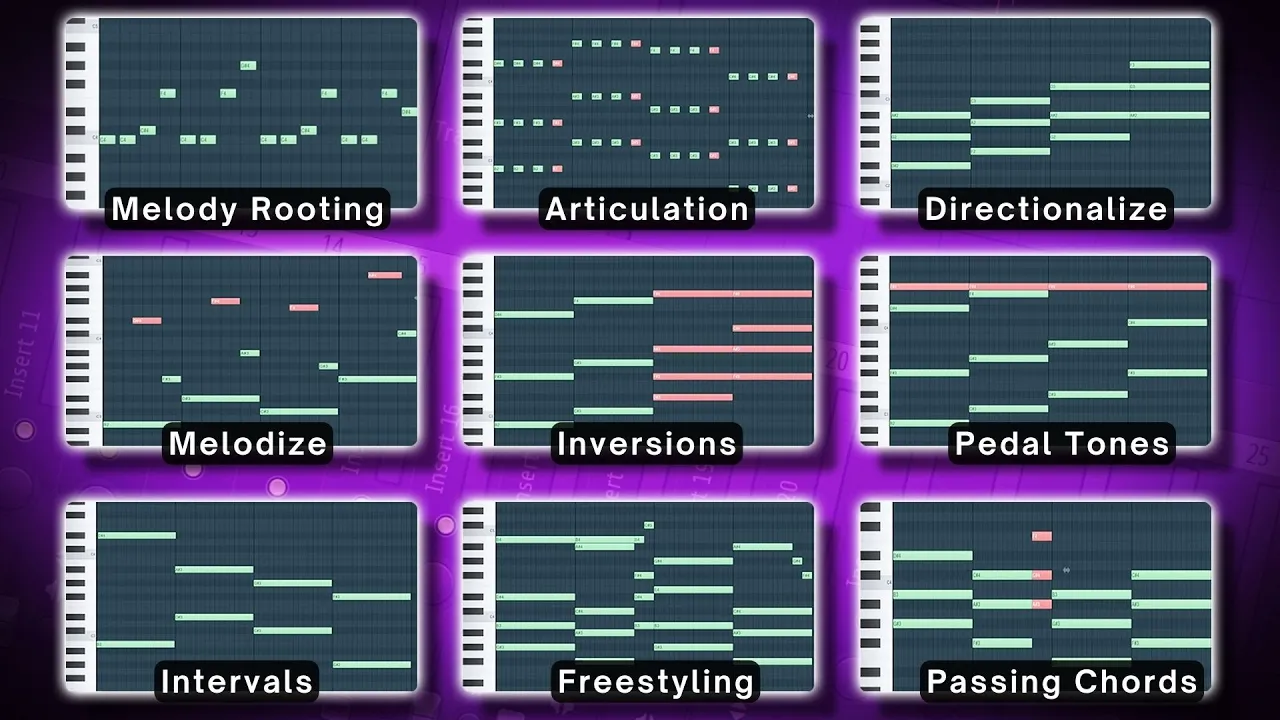
in this video I'm going to show you 10 simple rules that will allow you to take any basic chord progression and make it reach its absolute most emotional potential so if you want to make chords that capture the hearts of your listeners this video is for you let's get into it first rule or tip is to focus on the chord movements not the individual chords themselves for example if we take this F minor [Music] [Laughter] chord now there some tension there but until this cord moves to another chord there really won't be much emotional gravity
going on let me show you what I [Music] mean by simply adding a chord that moves upward we get more of a positive tone from our little progression here now watch this [Music] now our movement goes downward and it kind of deepens the tone a little bit now you can use this idea of cord movements to your advantage when you're trying to create emotions if we create a progression where the whole progression moves downward like this [Music] that downward motion gives us that sadder tone now check this out this is why I mentioned that you
should try not to focus on the individual chords when you're trying to create em motion because if we could take these same [Music] chords and make them move upwards [Music] we get that more uplifting and heroic sound generally with chords upward moving progressions will give you a more positive tone downward moving progressions will give you a more serious or sad tone now this takes me to my next rule which is using passing chords to help direct the emotion of the chord progression let's go back to our original downward moving chord progression [Music] let's say we
like this sadness but it's just a little too sad we can add passing cords to kind of break up that sad flow a little bit a passing chord is when you help one of the main chords in the progression transition to that next chord but you kind of like disrupt the flow we could shorten this middle [Music] chord add a B flat and then we'll resolve it on another upward shifting [Music] [Music] motion isn't that interesting so now we have a downward moving progression with little bumps of positive or upward movements rule number three is
to understand Vo ing cord voicing is the way to your listener's heart I really write that a chord Triad like this B major is made up of three tones which is the root third and the fifth each of these notes add a unique character to the chord when a chord progression is made up of chords in this root third and fifth form this is called closed voicing or basic form the problem with basic form is that sometimes like this it just sounds basic when you're trying to extract maximal emotion out of your chord progression some
times you could consider revoicing the chords or open voicing the chords where we take one of these tones which is in this case the third and put it up an octave and now with the Third on top of the chord we get a more open Sound now another component to voicing is a concept called voice leading which is rule or tip number four on this list voice leading refers to making these chord changes as gentle and seamless as possible and when your cord transitions are smooth and gentle the emotion is just out of this world
now when you're voice leading you want to look for notes in your chord progression that might be sticking out or interrupting the general flow of the chord progression cuz those notes might cause cheesiness or overall just might not sound that good in this case it's this guy just because we put all these thirds up an octave doesn't mean we have to keep this one up there we can change this one and tuck it back down here and to make this chord even more in line with the rest of the chords we can run this note
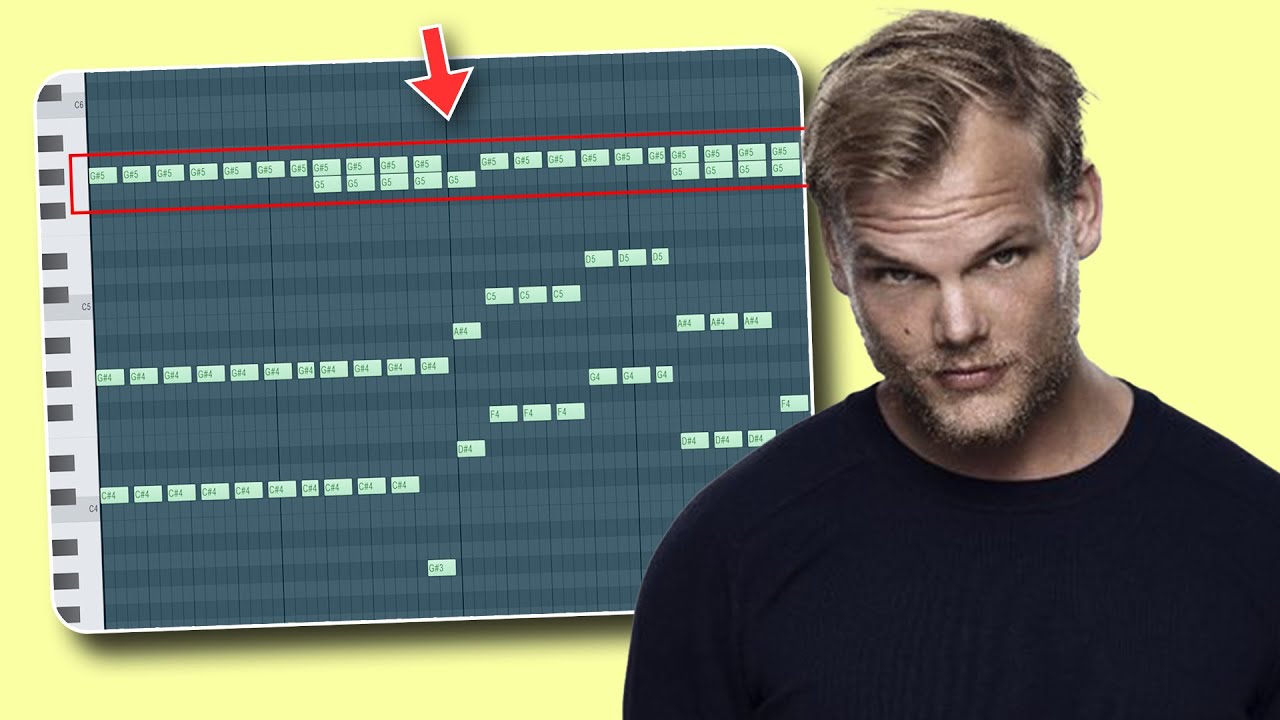
again when chord transitions share notes like this the transition is beautiful and seamless [Music] [Music] this is actually how the chords are written in kao's Firestone for number five I want to talk about petal tones which are the way to my heart they might be the way to your heart too and you don't even know that pedal tones are my all-time favorite things to do to chords to make them super emotional let me show you what I mean let's take an emotional chord progression [Music] which is this F minor F major B flat minor and
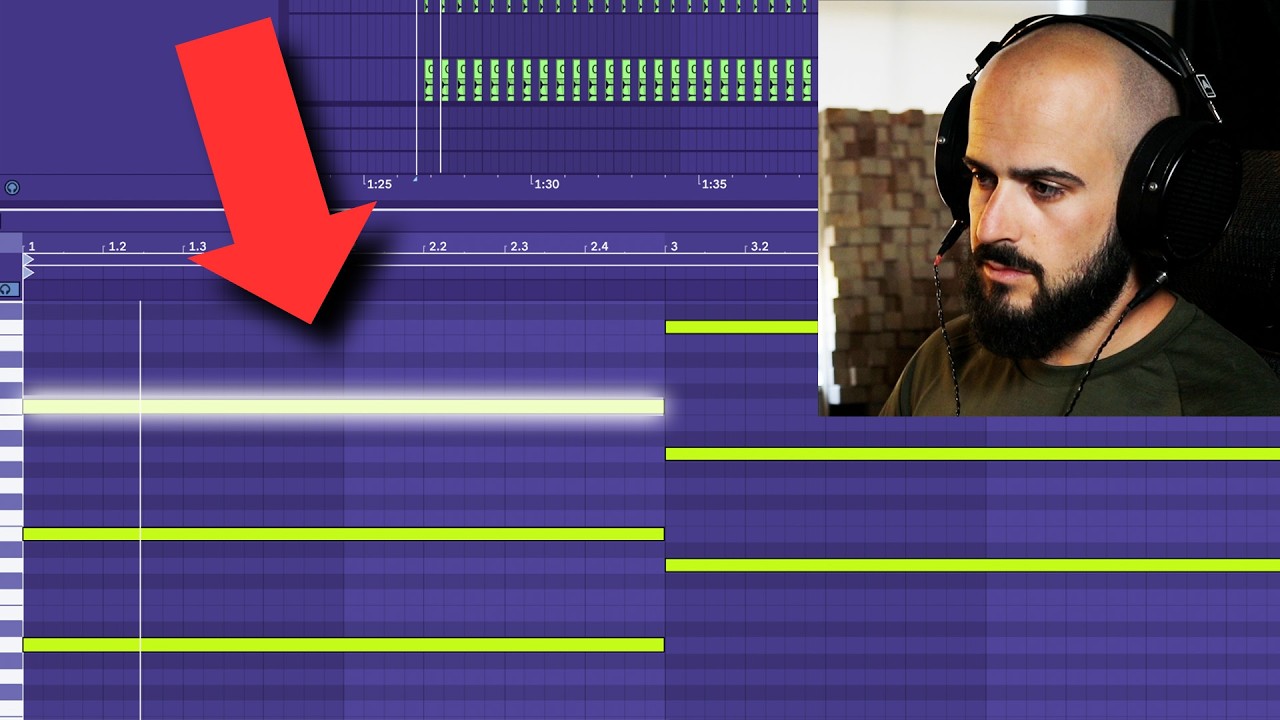
a flat [Music] major we can add a pedal tone to this progression to extract maximum emotion out of it a pedal tone is just a note that plays with the chords but never Chang [Music] es isn't that beautiful now for pedal tones you can use any notes that sound good you just have to use your ears and sometimes you can even take them and have two petal tones [Music] and this is now another way to voice lead because now all of our chords share these notes which makes the transitions more seamless now something you'll notice
with petal tones especially if you use two petal tones is that now we have a lot going on and in regards to chords when you have too many notes sometimes it's not very easy on the ears so what you can do is you could build your chord progression around that pedal tone let's go ahead and take the fifth off of each chord and I'm going to [Music] take the original thirds replace that petal tone and now our petal tone is in the middle of the chord progression and the chord is kind of built around it
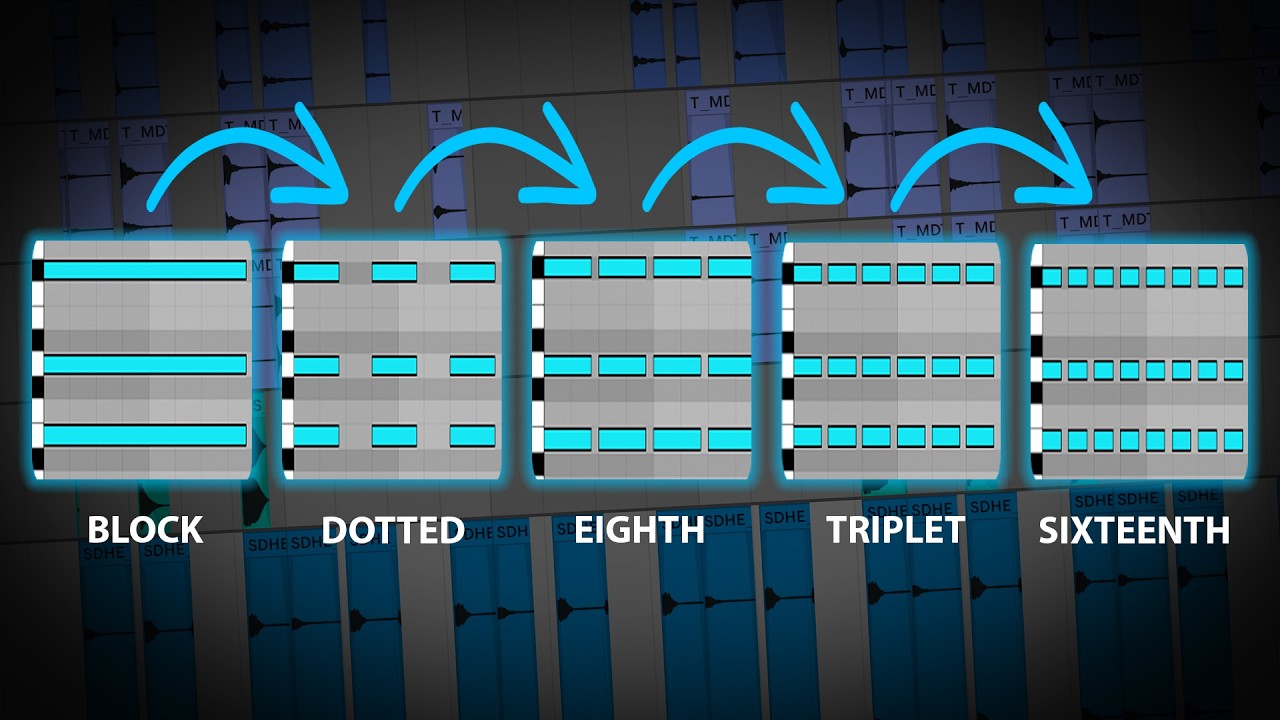
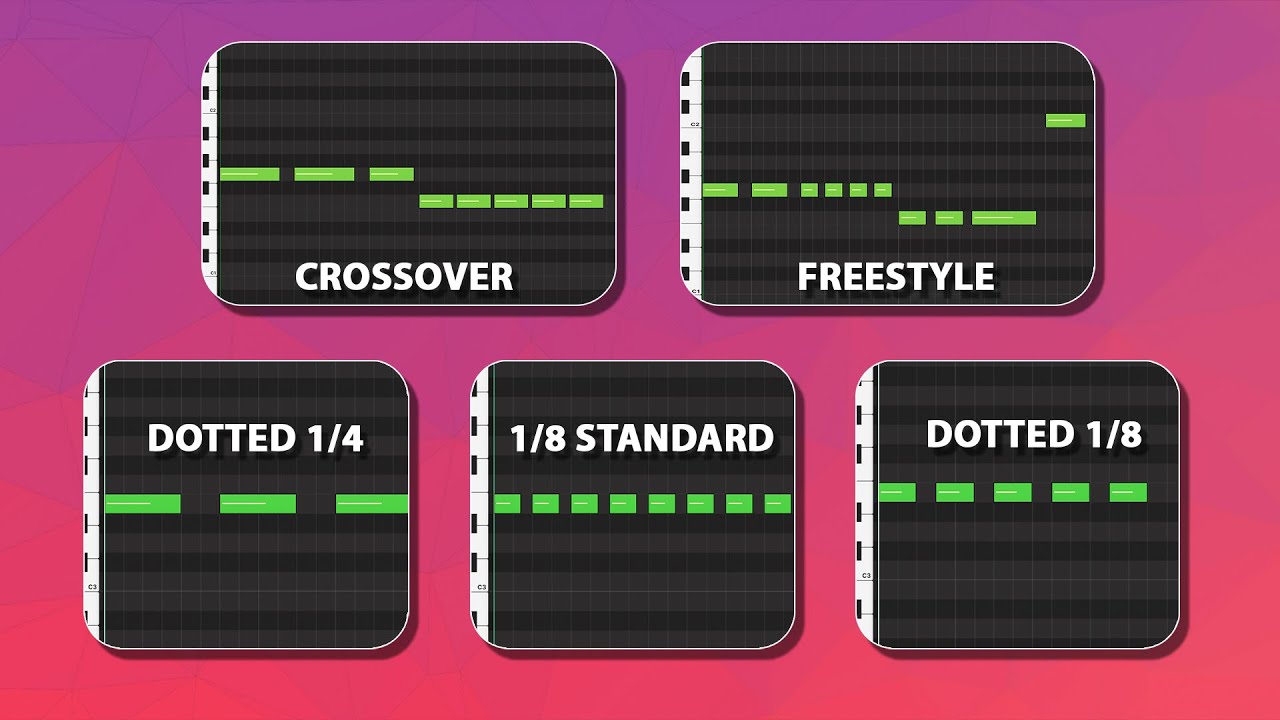
and we get this touching sound [Music] gorgeous in every key now check this out number six is articulation which refers to how you play the chords you make a set of chords you don't have to just play one chord per bar like this in fact that's actually the most basic boring way to play chords now there are times when this works but there are also times when this won't give you enough energy so these chords are actually the chords from a song called called sad songs by elenium and in that song these chords are articulated
way differently they actually don't look like this the way they're articulated in that song is an eighth note Rhythm like this and once we put this Rhythm on every chord and also alter the velocities of each note get one of the most beautiful sounds you've ever heard this song I actually think it's a way higher Tempo see how much more fun those chords are when it comes to articulation there's really no limit to what you can do to chords to express them in a different way so check these out these are actually a dotted eighth
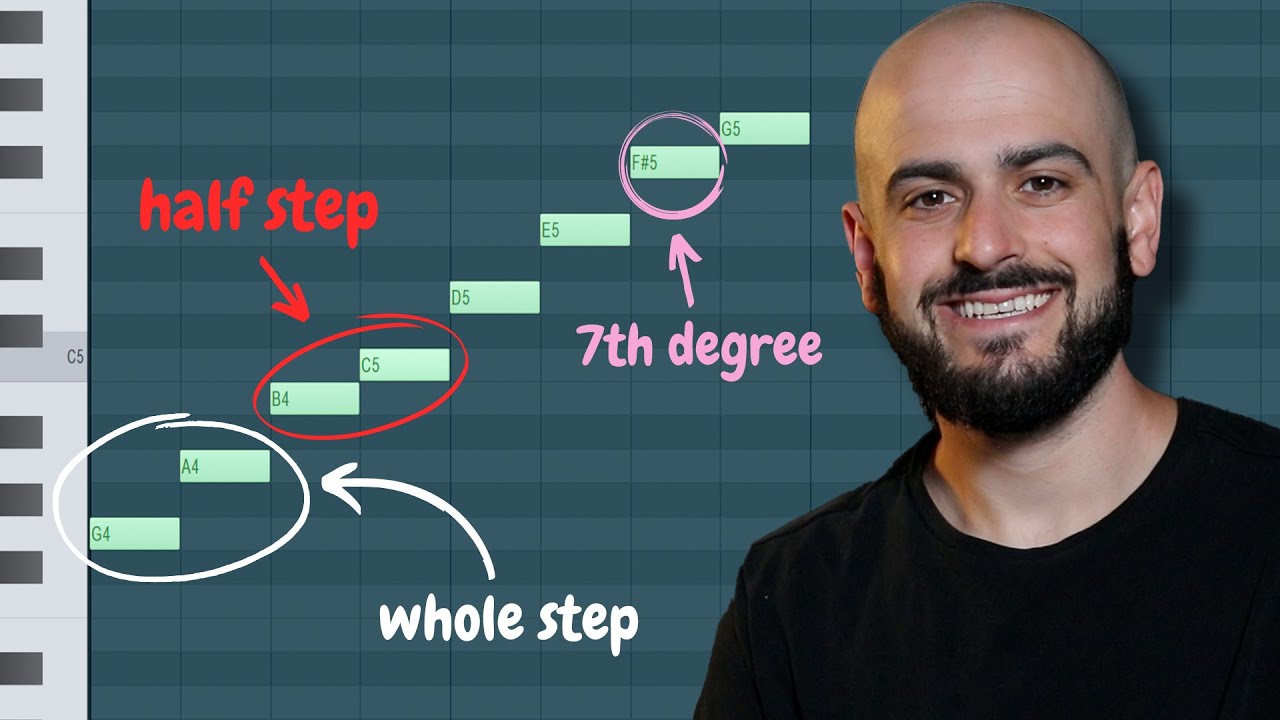
note Rhythm now with some [Music] swing every different articulation you try your chords in have a slightly different effect on how they sound so try that rule number seven when in pursuit of extracting maximal em motion from your cord progressions try using intervals instead of chords I've been into this lately it's one of my favorite things to do so a chord is made up of a root a third and a fifth that's what the notes are called because the fifth is Five Steps From the root and the third is either three semmit tones or four
semmit tones from the root let's take this C minor this D Shar major this G minor and this F major of all the notes in this chord progression the third and the root of each of these chords are the more emotional notes the fifth is strong too but it just doesn't do what the third does so when you're building chords you could play around with this idea and just run the chords either without the Third [Music] or my favorite run them without the fifth and then you put the bottom note into a basier octave and
you can get a really viby sound with just the root in the third [Music] here's the same intervals but a different sound and [Music] articulation here it does again same chords different articulation [Music] you could have so much fun with intervals because they're so simple you could do whatever you want you could play them however you want and it's such a fast track to a motion town this next one is called freestyling this just means that when you make a set of chords you do whatever you can to those chords to make them sound good
eventually you're going to get to a skill level where you know what all the chord progression combinations sound like so you might say I want a set of chords that aren't overly up lifting but a strong euphoric Vibe so you take an F minor a C sharp an A flat and a B flat [Music] minor and then you'll realize that you can reach way more potential or in other words extract maximal emotion out of this chord progression if we just play around with it a little bit so maybe that means means we take the root
notes pull them down an octave looks like a pedal tone naturally started itself here so we can add a pedal tone we can revoice this chord to close it up a little bit for more closed sound and then take this and also revoice that chord with a little bit of revoicing and pedal tone action we get this pretty sound [Music] number nine is Melody rooting chords only have so much control over the emotion in a song The Melody is a whole another Beast let's say you want to create a Vibe and you want options maybe
you want to go for something serious or something a little bit more uplifting and positive so you take the core progression F minor E flat major d flat major and E flat major this is a neutral chord progression because it has a mixture of major and minor chords you can go either way with it it sounds like this we can help guide this progression to a motion town just based on the notes we pick on our Melody so watch this this progressions in F minor so if we root our Melody on that minor tonic make
a very basic Melody we get a very serious tone [Music] but watch this if we keep the chords the same but we write our Topline Melody rooted on the major tonic the relative major tonic to this F minor key signature same Melody written based on the major scale [Music] isn't that crazy how that works now this brings me to my final point which is sound Choice which is the ultimate decider on which emotional Direction your chords are going to go there's a song called You Could Be the One by aichi and Nicki Romero and it
sounds like this [Music] it's a very cheery and playful sound but what if Martin Garrick wrote this using the same Melody and chords but sounds that Martin Garrick would use we would get this [Music] sound I feel like we just get a more opened up euphoric sound and all we did was change the sound Choice that's a video for you guys thanks so much for watching if you would like to learn more about writing chords and Melodies and every other aspect of music production whether it's music theory sound design mixing and mastering you can learn
all those things under my personal guidance by enrolling in my course and community at the top of the description below my course now offers coaching plans and comes with unlimited access to my inner C ccle this is where you can ask me any music production question that you would like and also share your songs for feedback this sounds like something of interest to you as I said there's a link at the top of the description below and I'll see you in there stay tuned for the next video Lesson