C A statically typed procedural programming language famous for making the world go around it's the language behind many tools we take for granted like the windows Linux and Mac operating system kernels databases like MySQL interpreters for languages like python tools like vim and git and countless others it was created in 1972 by Dennis Richie at Bell Labs where it would be used to develop the Unix operating system it would go on to become the mother of all languages inspiring the syntax of C++ CP Java JavaScript Pearl and PHP just to name a few it compiles
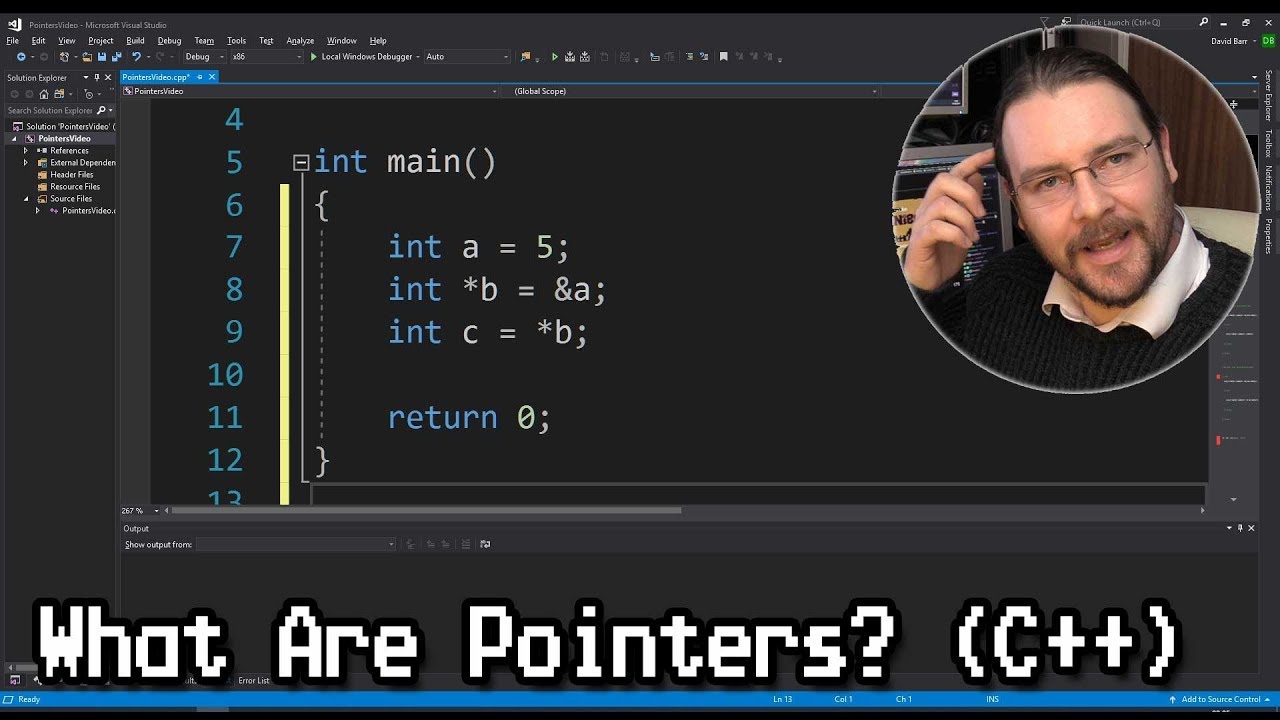
directly to machine code and requires minimal runtime support but is platform dependent meaning the executable is designed to run on a specific operating system it's a highlevel language designed for humans yet provides low-level control over memory and Hardware there's no garbage collector instead your code needs to manage its own memory when you create a variable it's assigned an address in memory you can store that address in another variable called a pointer when the variable is no longer needed you'll need to free it to avoid memory leaks to get started install a c compiler a popular
choice is the g c compiler or GCC create a file ending in. C include any libraries you plan to use then add a main function to it this is where your program will start executing there's no function keyword and notice how it returns an integer type a return value of zero means success while a return value of one means failure there are only a few basic types in C create a variable by starting with a type followed by a name and value use print F to print the value to the standard output or put an
Amper standand in front of it to reference its address in memory there's no string type but instead Char which represents a one by character stored as an integer a string can be created with an array of characters each letter will have its own memory address and be terminated by a null character another approach is to start with a pointer by adding a star character in front of the type then we can allocate four bytes to it now assign a character to each index ending with the null character to create a string when you no longer
need that memory allocated to your program use free to release it back to the computer's Ram the language is procedural and does not support objectoriented features although you can create your own complex data types using strs now compile your code to machine instructions for your operating system using the C compiler this has been the C programming language in 100 seconds hit the like button and subscribe if you want to see more short videos like this thanks for watching and I will see you in the next one