It was 1988 and Brazil was experiencing a major economic crisis that had already put many families in a desperate situation. For many, the culprit was José Sarney, then president of Brazil. Raimundo Nonato Alves da Conceição, from Maranhão, ended up losing his head in September of that year, leading to one of the scariest moments in Brazilian aviation.
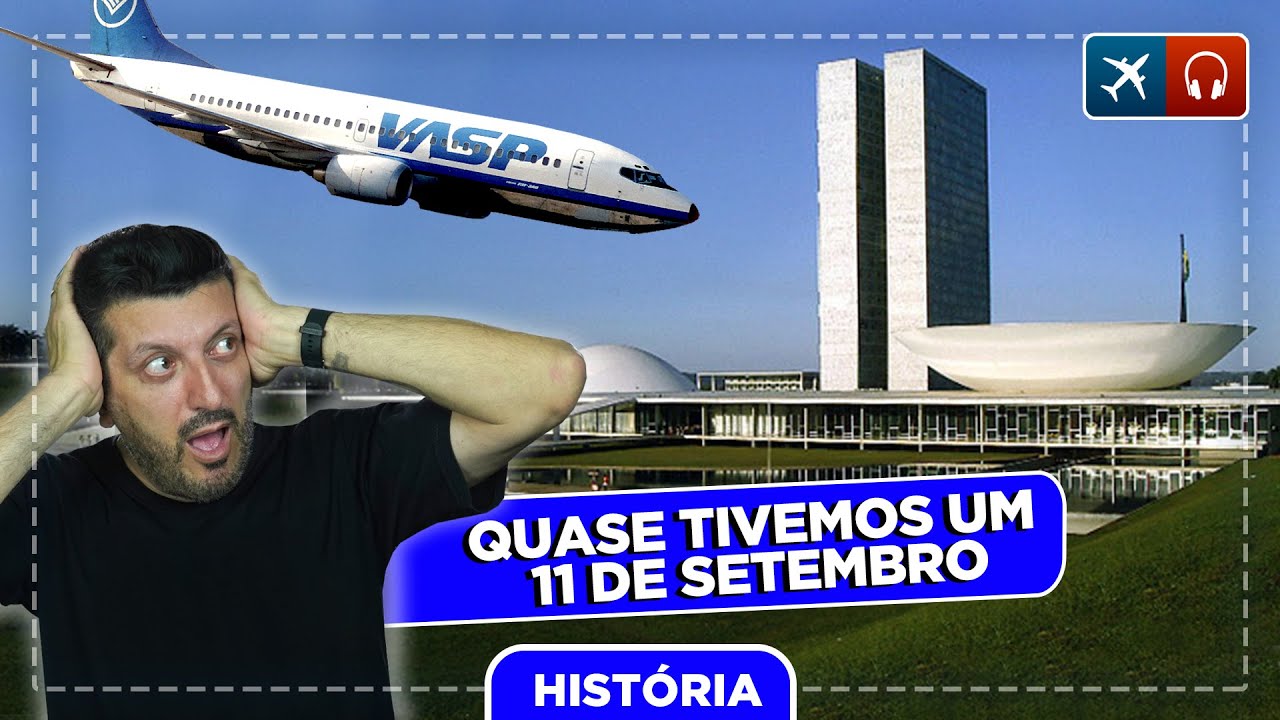
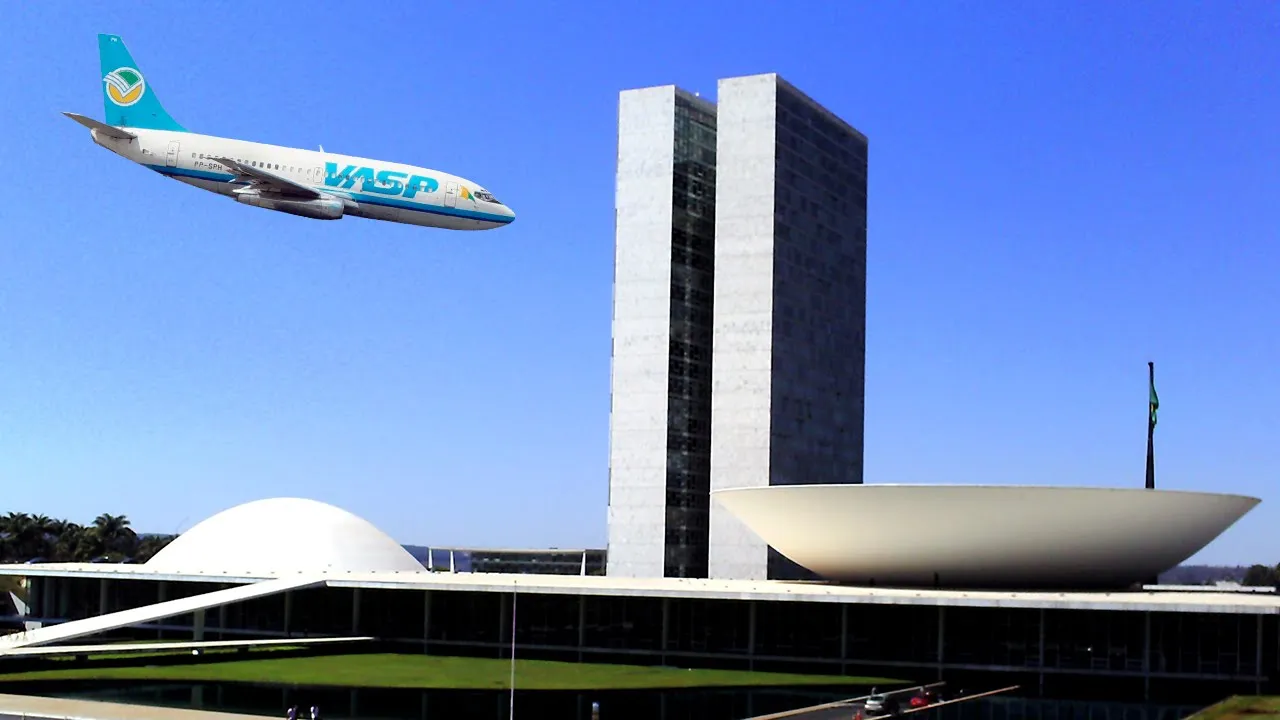
I am Donato de Paula, narrator of Mistérios do Mundo, and here is the story of flight VASP 375. On September 29, 1988, a Boeing 737 was flying VASP 375 from Rondônia to Rio de Janeiro, with 104 passengers on board. Raimundo Nonato boarded one of the stops at Confins airport, in Belo Horizonte.
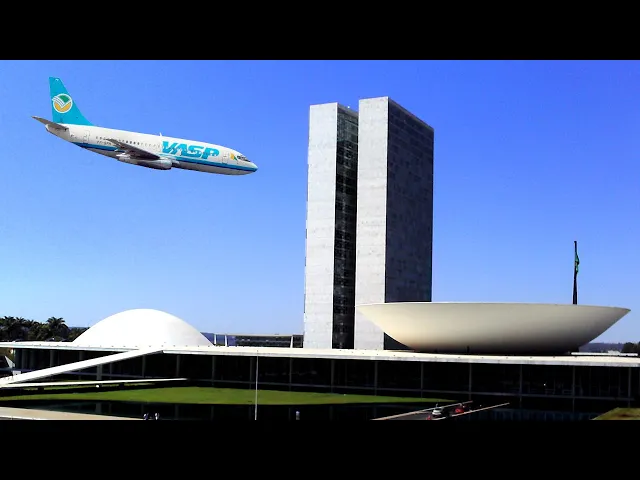
His idea was to hijack the plane and throw it against the Planalto Palace, in a violent form of protest against the Sarney government. As the airports at the time did not have X-ray equipment and metal detectors, a measure that was only adopted after the September 11 attacks, it was easy for the man from Maranhão to enter the plane armed with a 32 caliber revolver. Shortly after the aircraft take off, the boy got up from his seat and headed towards the cabin.
One of the flight attendants tried to prevent the criminal from approaching, who fired and ended up grazing the employee. Upon realizing that there was something strange happening inside the aircraft, the pilot locked the cabin doors. Unfortunately, this was not enough to stop Raimundo's actions.
Angered, the criminal started shooting at the door, which was unarmored. As a result, several pieces of equipment in the cabin were hit. Worse than that, one of the crew ended up being shot in the leg, forcing commander Fernando Murilo to open the door.
The kidnapping was announced as soon as Raimundo gained access to the cabin, ordering the route to be diverted to Brasília. In addition to the risk of having an armed man inside the cabin, commander Fernando Murilo had to deal with the real possibility that the aircraft would not have enough fuel to reach the Brazilian capital. Therefore, he did not think twice before activating, through the plane's transponder, code 7500, a warning signal that informs that the aircraft is having its route changed due to illicit forces.
The Brazilian Air Force acted immediately, sending a fighter to accompany the flight. Things again got worse when air traffic operators made contact with the Boeing to confirm the change in route. When picking up the radio to confirm the change, co-pilot Salvador Evangelista was brutally murdered by the hijacker with a shot to the head.
Even with the inevitable despair, commander Fernando Murilo managed to remain calm and act rationally, doing his best to avoid an even greater tragedy. To control fuel consumption, he began to fly at maximum altitude with reduced speed. Upon noticing that the Boeing was approaching Brasília, Raimundo ordered the commander to head to the Palácio do Planalto.
But Fernando realized that there were many clouds below and tried to buy time, preventing the kidnapper from having visual contact with the palace. The commander managed to deceive Raimundo, telling him that the weather conditions prevented him from approaching the capital safely. Believing the story, the hijacker ordered the aircraft to be diverted from its route once again.
Initially, the pilot's idea was to take the plane to Goiânia, but to his despair, Raimundo forced him to go to São Paulo. Knowing that it would be impossible due to the fuel, Fernando decided that he would have to get rid of the threat of the gun pointed at his head. Only then would he be able to save the passengers.
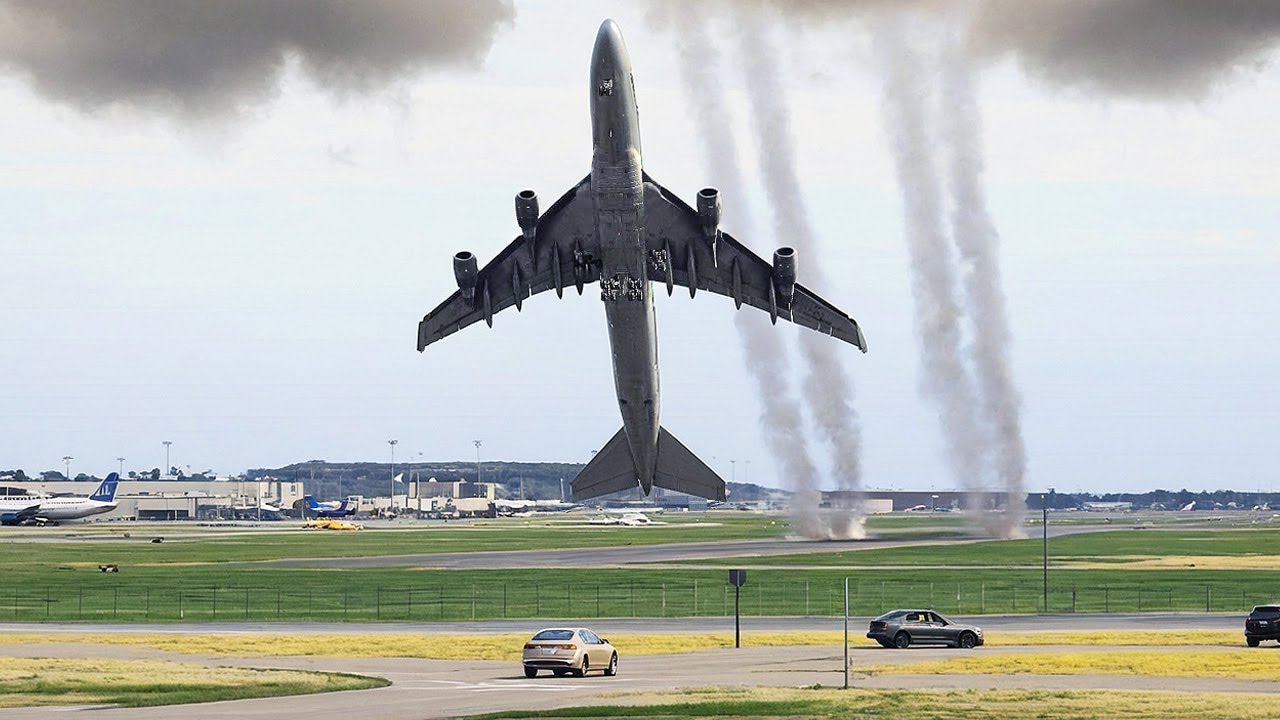
Even without knowing whether the Boeing 737 would be able to withstand it, the commander put into practice a risky maneuver called "tumble", making a 360 degree turn. Unsuccessfully, and with the hijacker still standing, Fernando threw the tip of the plane down, starting to descend in a tailspin. At that moment, Raimundo lost his balance and ended up falling to the ground.
With the dazed criminal trying to get up, Fernando managed to land the aircraft in Goiânia. As soon as it touched the ground, the plane stopped working due to lack of fuel. Taking control of the radio, Raimundo demanded another plane to complete his plan to arrive to Brasilia.
The police then devised a plan to deceive the criminal, hiding a sniper inside the new plane that was supposed to take the hijacker to the capital. As Raimundo was entering the aircraft, carrying the commander and two flight attendants as hostages, the shooter shot the criminal. What no one expected was that the shot wouldn't hit Raimundo.
After the shot, there was an intense exchange of gunfire on the airport runway. The confrontation ended with the commander being hit in the ground and Raimundo being neutralized. The kidnapper was shot three times, but the shot was fatal.
Even so, he died in the hospital some time later. According to the certificate, the kidnapper died as a result of an infectious condition, as he had sickle cell anemia, a congenital disease. Fernando Murilo de Lima e Silva went down in history as one of the greatest heroes of Brazilian aviation, because of the way he dealt with the situation.
The commander passed away in 2020, at the age of 76, from heart complications and diabetes. Ultimately, pilot Fernando managed to save 104 lives and prevented us from having a September 11th long before the United States. He, however, never received official thanks from the Brazilian presidency for his achievements.
"He never thanked me, but I have no regrets. I'm at peace with my conscience and I know I played my part. " And you, did you already know this story?
Tell us in the comments. To the next.