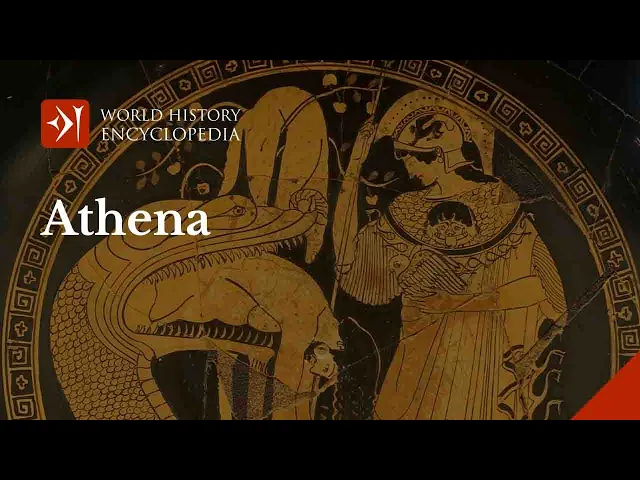
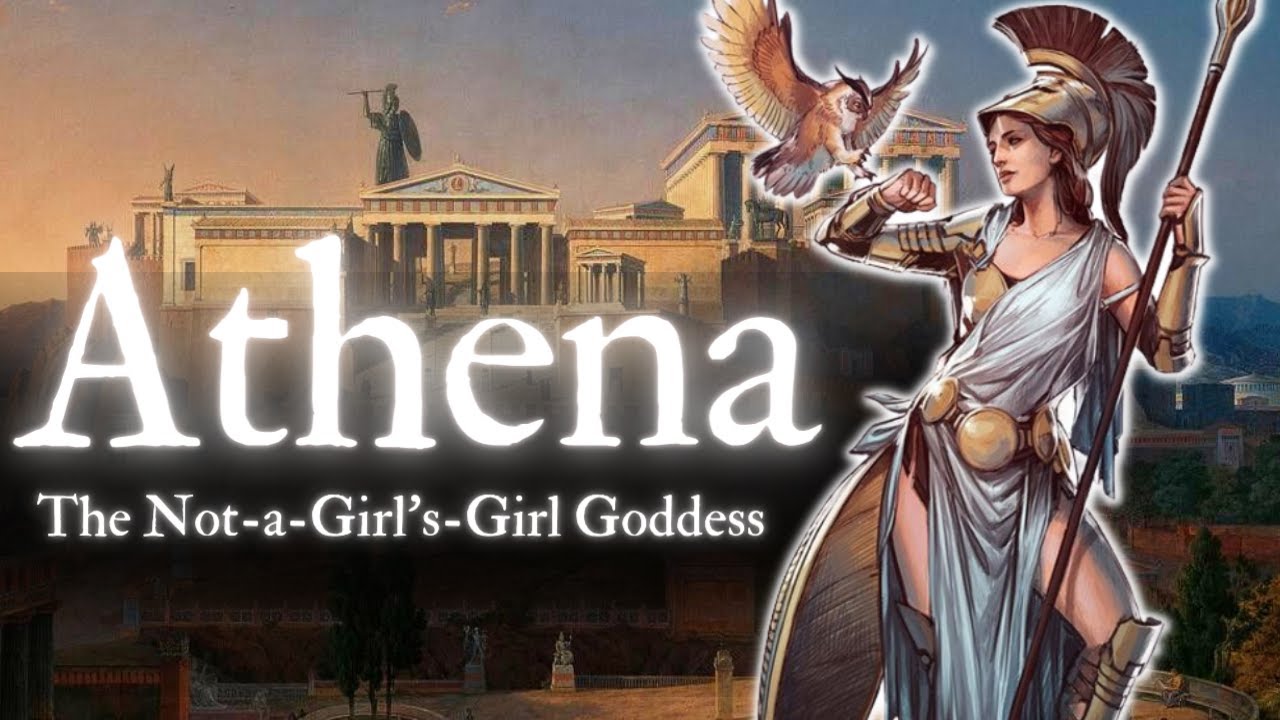
Did you know that Athena, goddess of wisdom and women's crafts, favoured men? Hello and welcome to World History Encyclopedia! My name is Kelly and today's video is all about the Greek goddess of wisdom, war strategy and the crafts: Athena.
This video was kindly sponsored by History Hit - a company that brings you the stories that shaped the world through their award-winning podcast network and online history channel - it's like Netflix but for history! With over 500 documentaries, 1,000 plus podcast episodes and 5,000 history-related travel articles, History Hit are adding new programs and podcasts each week. If this all sounds pretty great, then be sure to visit historyhit.
com and use our code world history to get 50% off your first three months. And as always, you can support us by joining our Patreon which you can find a link for down below. Athena was the Greek goddess of wisdom, war strategy, the crafts and weaving, and the defence of towns.
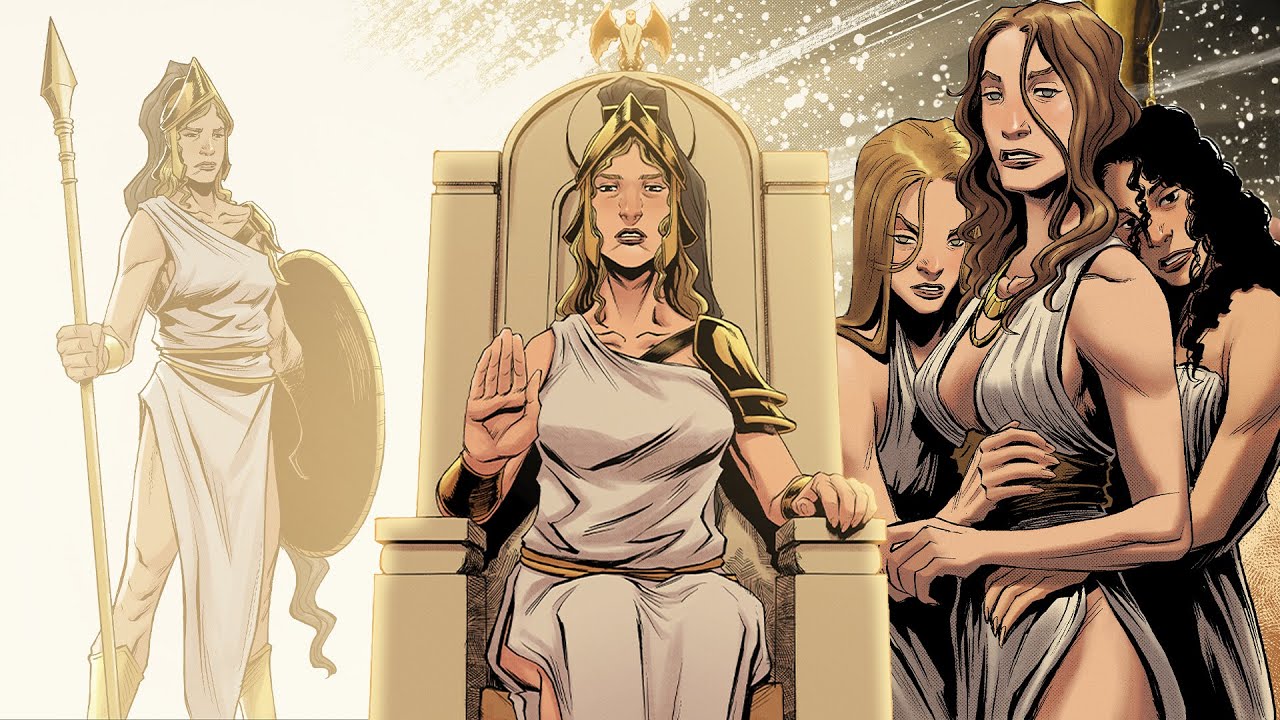
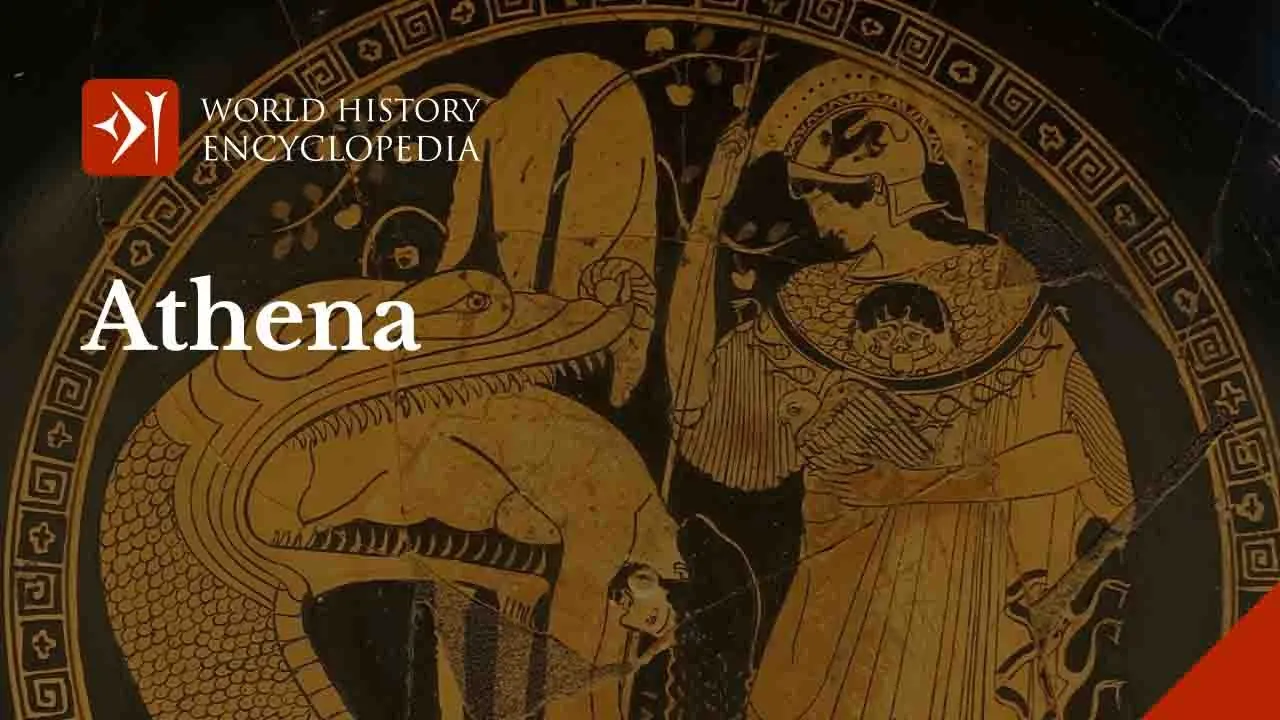
She was a resourceful goddess, a favourite of her father Zeus, and often provided good counsel to other gods including Zeus, the king of the gods and numerous greek heroes. Athena had many different epithets relating to her numerous responsibilities including "Nike" meaning victory, "Polias" meaning of the city, "Athena Parthenos" meaning virgin, "Ergane" meaning of the crafts, "Pronoia" meaning foresight, and "Pallas Athena" an epithet taken after her dear friend Pallas had died. The Greek poets Hesiod and Homer called her "grey-eyed Athene," "bright-eyed Athena" and "lovely-haired goddess.
" It is generally agreed throughout the ancient sources, although there are always variations, that Athena's mother was Metis, the Titan goddess of wisdom, although there are some poets who call Athena a motherless goddess and don't make any mention of Metis at al. When Zeus was warned that Metis would bear him a son described by Hesiod as a "King of Gods and Men," Zeus was worried that he would be usurped, just like how he took power from his father Cronos, and so acting on council given to him from Gaia and Uranus, the Earth and the Sky, Zeus swallowed Metis while she was pregnant with Athena and eventually Zeus gave birth to Athena when she sprang from the top of his head fully grown, and often described as being fully clothed in armour. In June, the goddess would be honoured with a Panathenaic festival with a lesser Panathenaic festival happening every year and the greater Panathenaic festival happening every four years.
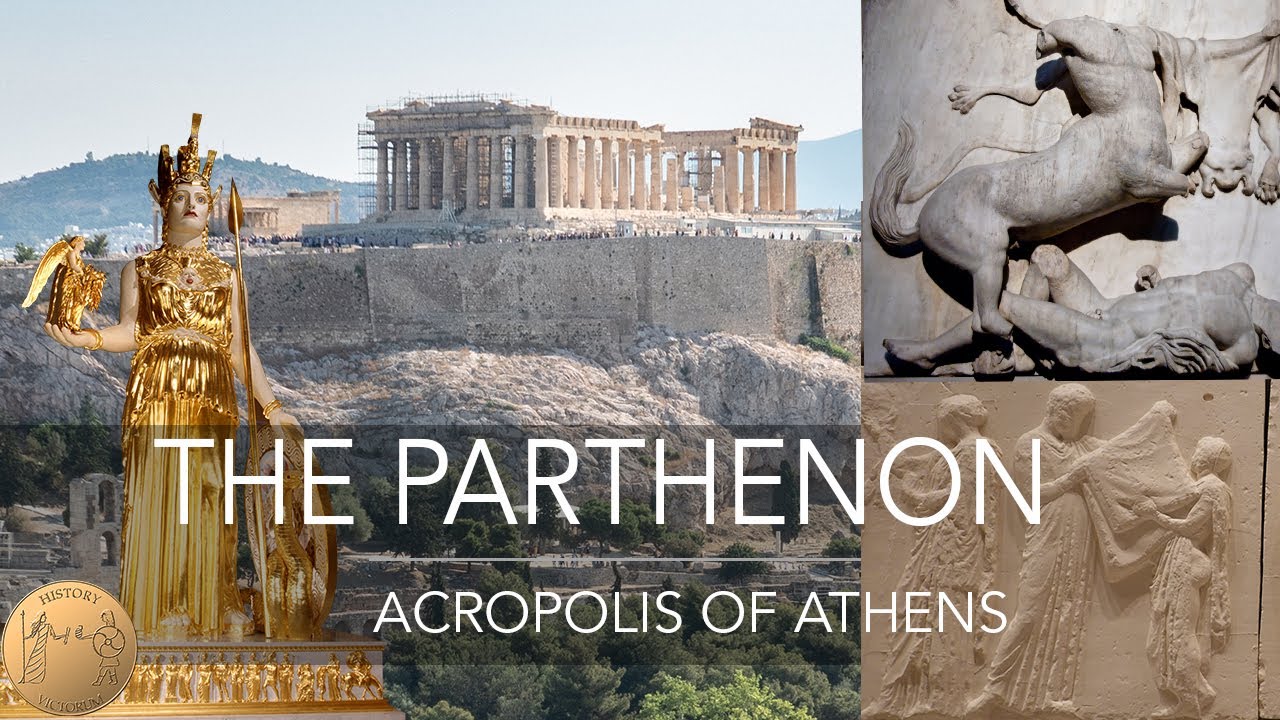
It is said that her adopted son Erichthonios, one of the early kings of Greece, was the one who began the festival in her honour. The Panathenaea included a great procession through the city, which led up to the ceremonial redressing of the great statue of Athena in the Parthenon with a new specially woven peplos, which is a long garment worn by women in ancient Greece that was crafted by some of the women in the city. The Greater festival also consisted of musical contests, gymnastics, athletics and equestrian contests.
There are many myths associated with Athena so today we'll just go through some of the more famous and important ones, starting with the competition between Athena and Poseidon, the god of seas, earthquakes and horses. In ancient Greece, each city had a patron deity and both Athena and Poseidon wanted to be the patron deity of the city known today as Athens. I know the name kind of gives away the winner, but that's all right, so both Poseidon and Athena wanted to be patron deity and so they both gave Cecrops, a man-serpent hybrid and also the first king of Attica, a gift.
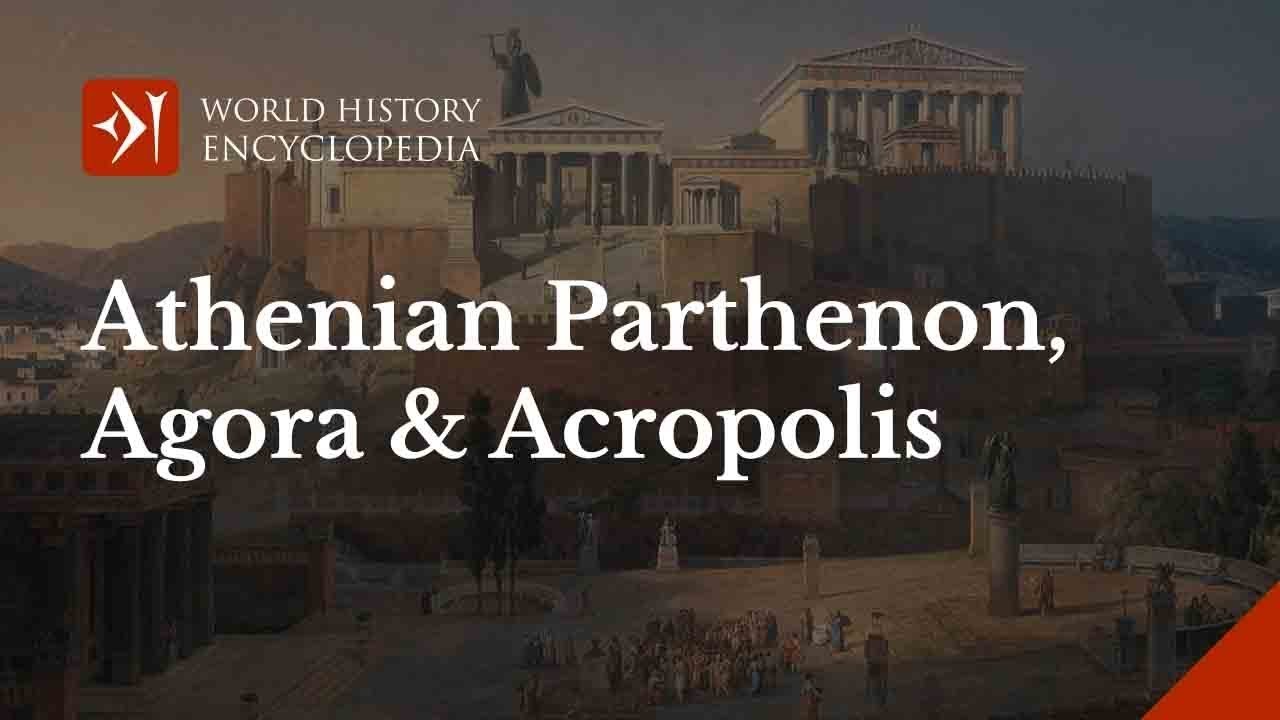
Poseidon gifted him a saltwater sea or saltwater spring, depending on your source material, and Athena gave him the first ever olive tree. Understandably, Athena was the winner of the competition and she of course named the city after herself, and the olive tree became a symbol for peace and plenty. The Parthenon at the top of the acropolis in Athens was built in her honour in the 5th century BCE, and once housed a grand gold and ivory statue of the goddess herself.
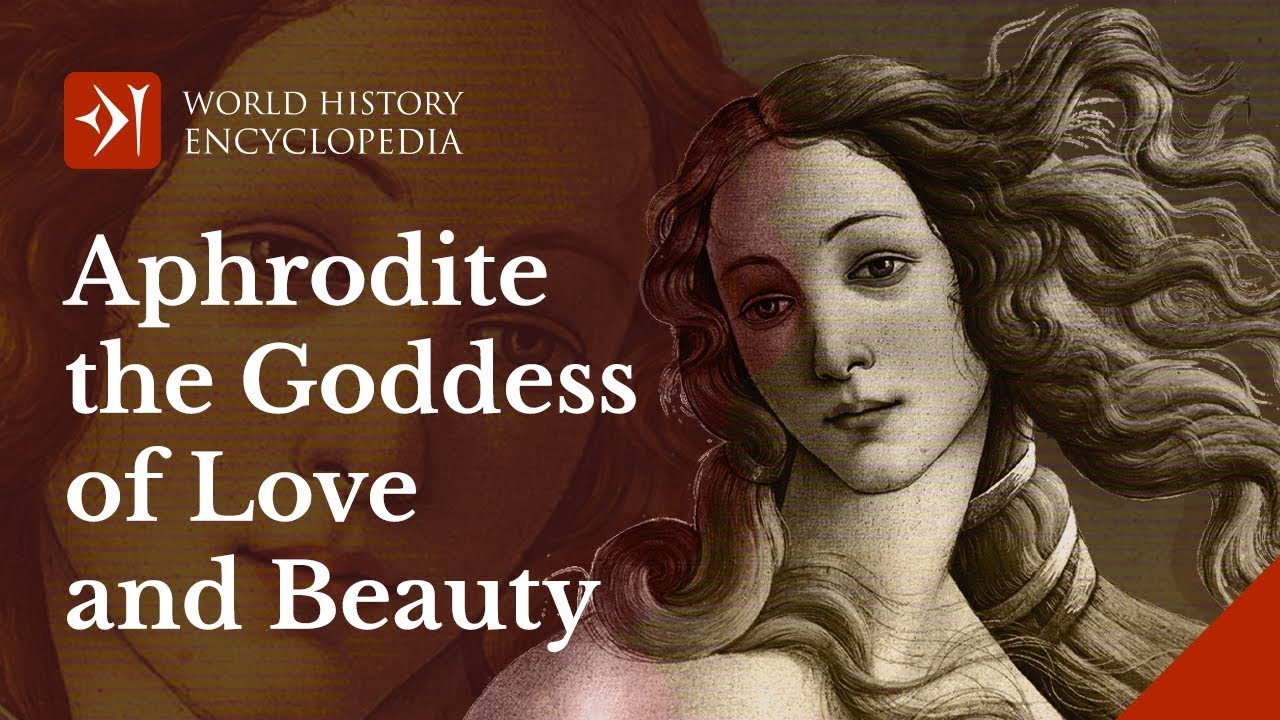
Athena is also credited with the invention of the aulos, which is much like a flute, but when she looked at her reflection and saw how puffed up her cheeks looked while playing it, she threw it away. The satyr Marsyas then stumbled upon the discarded aulos and went on to face the god of music, Apollo, in a music contest and it did not go well for the satyr. The goddess of war strategy and good council also played a big role in the Trojan War, first with her being one of the three goddesses along with Aphrodite and Hera that thought they were the fairest and asked the Trojan prince Paris to choose among them; which sparked the 10-year siege when he chose Aphrodite after she promised him the love of the most beautiful woman in the world: Helen of Sparta - better known as Helen of Troy, who was at that time wife to the Achaean king, Menelaus of Sparta.
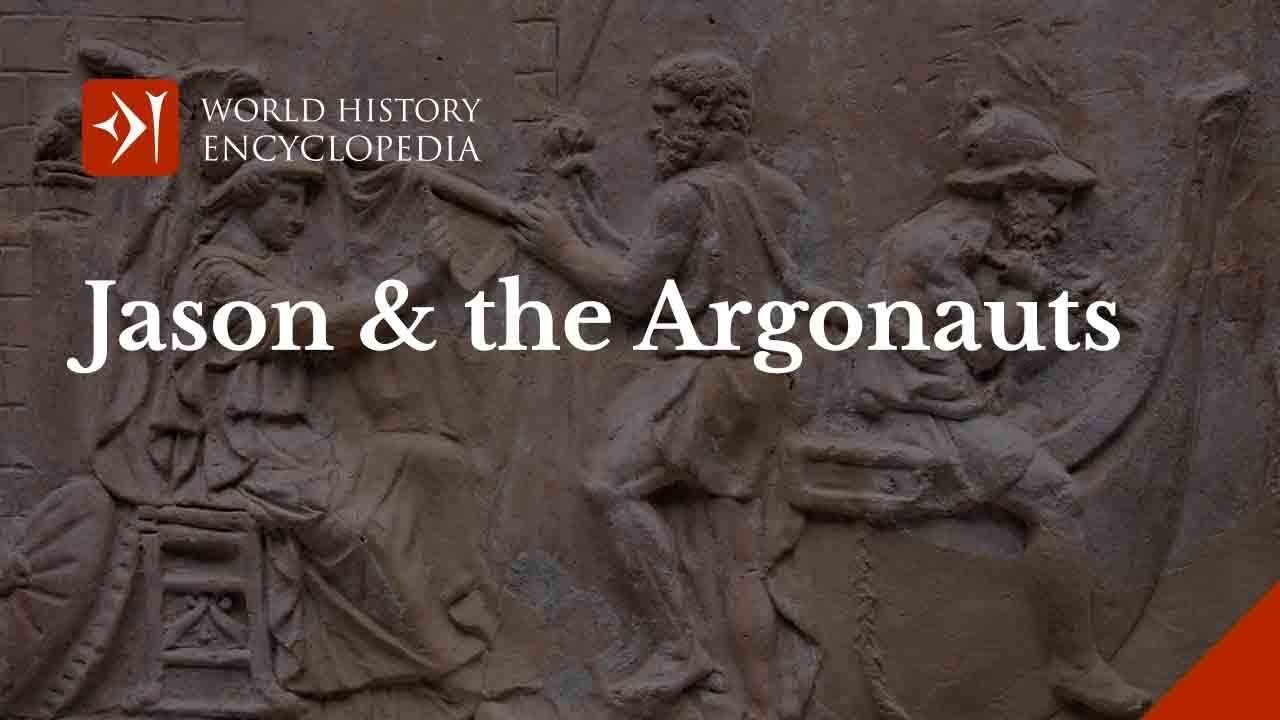
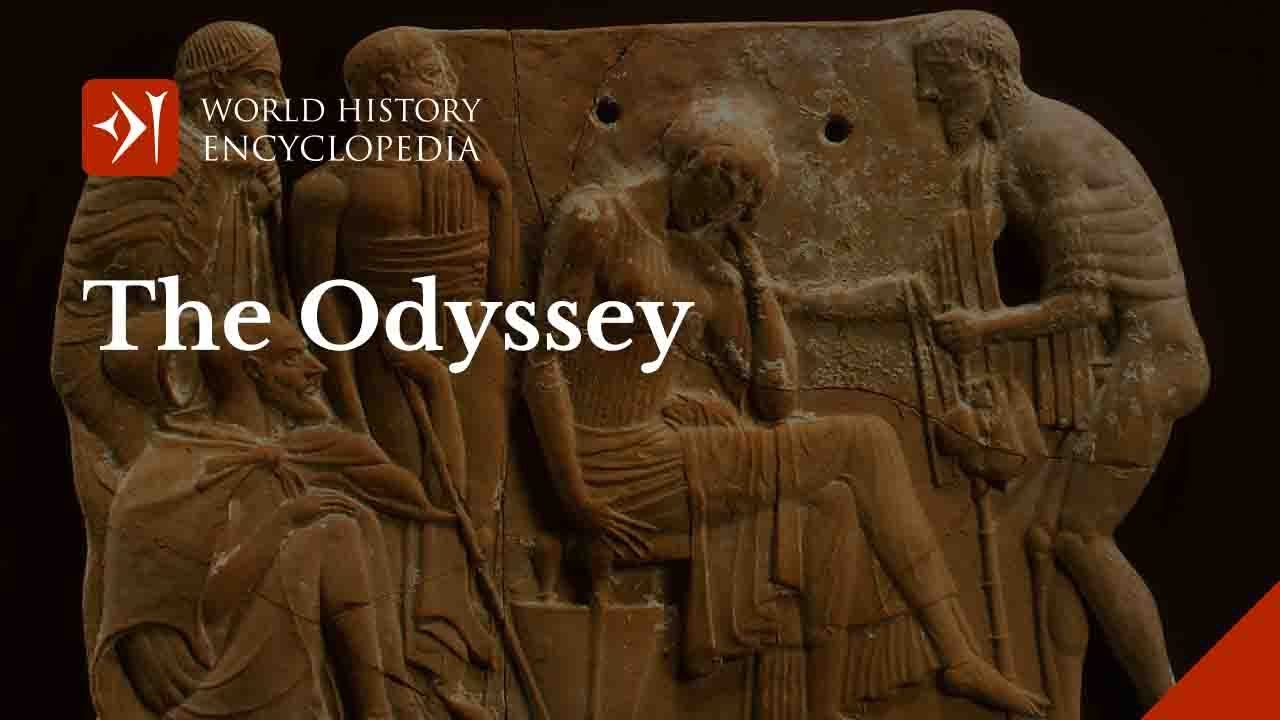
During the war, Athena was on the side of the Achaeans and was a particular help to Achilles, offering him wise counsel, she also saved Menelaus from an arrow and both protected Odysseus and gave him the clever idea of the Trojan Horse, not to mention she was a huge help to Odysseus on his long arduous journey home. The tales of Jason and the Argonauts and the hero Herakles prove how handy it can be to have Athena on your side. Jason was a favourite of Athena's, and so when he got his men together to build a ship so they could search for the Golden Fleece, it was she who got the great craftsman, Argus, to build the strong and fast ship, and the goddess fitted a piece of Dodonian oak to the ship that had the power of speech.
Later in the tale when Jason was on Colchis trying to win the Golden Fleece from King Aeëtes by completing some dangerous tasks, Athena sent Eros down to make Aeëtes' daughter Medea fall in love with him so she would help him be successful. In the long and somewhat arduous life of the hero Herakles, Athena was known to give him aid from time to time with "Pseudo-Apollodorus" noting that before he set out on his 12 Labours, Athena gifted him a peplos to wear. In multiple sources, it is said that Athena lent a helping hand in Herakles' victory over the Lernaean Hydra and she also gave Herakles the bronze noisemakers he needed to drive away the Stymphalian birds.
Having Athena's favour was definitely handy for the hero in his many trials but not all were so lucky to be on the goddess' good side. Of course, like most other divine figures, Athena had a wrathful, vengeful side which definitely made you want to be in her favour. Ovid in his "Metamorphoses" tells the tale of Arachne, a young girl from Lydia, who claimed that her own talent in weaving rivalled that of the great goddess of weaving.
Nymphs would leave their groves to watch Arachne weave and would say that she must have been trained by Athena herself but Arachne denied it which was truly blasphemous since all gifts were considered god-given. Arachne says she will challenge Athena in weaving to prove herself the better artist and then Athena, disguised as an old lady, tells the young girl that if she asked forgiveness for her rash words against the goddess, she would be pardoned. Arachne's pride and anger swelled and once again demanded the goddess face her in a weaving contest and so Athena sheds her disguise and the two begin to weave on their looms.
Once the woman and the goddess had finished, Athena looked over Arachne's work and could find not a single fault in it, so she ripped up the tapestry and hit the girl four times and after Arachne had placed a noose around her neck to commit suicide, Athena condemned her to live and to continue weaving forever, not as a woman weaving tapestries, but as a spider weaving her web. In another version of the tale, Arachne hangs herself in shame and Athena feels sorry for her, bringing her back to life as a spider. There is also the tale of Medusa who according to Ovid, was one of the three Gorgons whose beauty was known throughout Greece and had many jealous suitors longing for her, and of all of her charms, her hair was the loveliest.
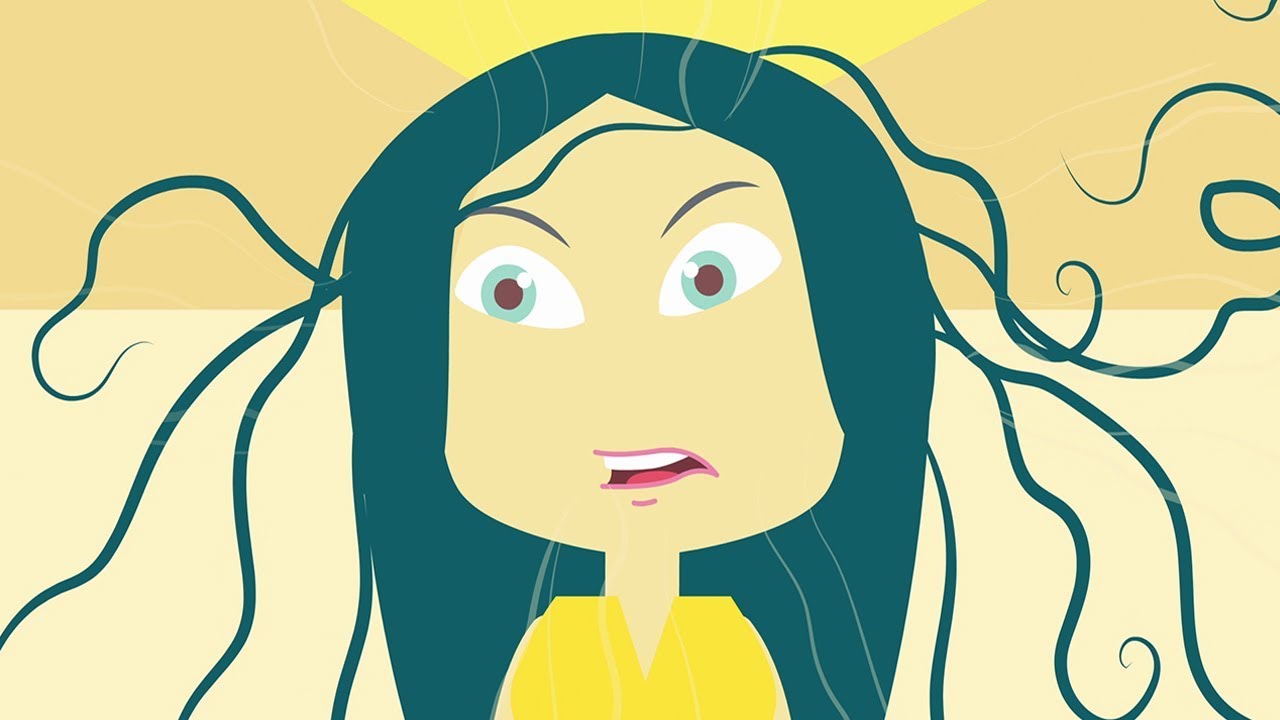
Medusa rejected the advances of these suitors because she was a Priestess of Athena and had taken a vow of chastity but word reached Athena that Medusa had been violated in a shrine to her by Poseidon defiling it and believing Medusa had not resisted him enough, turned Medusa's lovely hair into snakes, the sight of which turns one to stone. Athena herself strikes fear and her enemies with the face of the Gorgon on her breastplate. Athena was not done with Medusa though, oh no, according to "Pseudo-Apollodorus", it was Athena who guided the hand of the hero Perseus as he used the reflection of a bronze shield to look at Medusa and not get turned to stone by her gaze before he beheaded her.
The only myth in which she punishes a man relates to how Tiresias, a hunter, sees her bathing naked and she strikes him blind later giving him the gift of prophecy to make up for it. A far less severe punishment than those she visited on women. Why do you think a goddess of wisdom and women's crafts would so favour Greek male heroes and bring such force down on women?
Let us know what you think in the comments below! If you enjoyed this video, make sure to give it a thumbs up and subscribe to our channel, so you don't miss out on our new videos every Tuesday and Friday. This video was brought to you by World History Encyclopedia.
For more great articles and interactive content, head to our website via the link below. If you like my shirt, you can find this design and a bunch more in our shop at worldhistorydotstore, or you can find a link for it under the 'merch' tab down below. Thank you so much for watching and we will see you soon with another video!