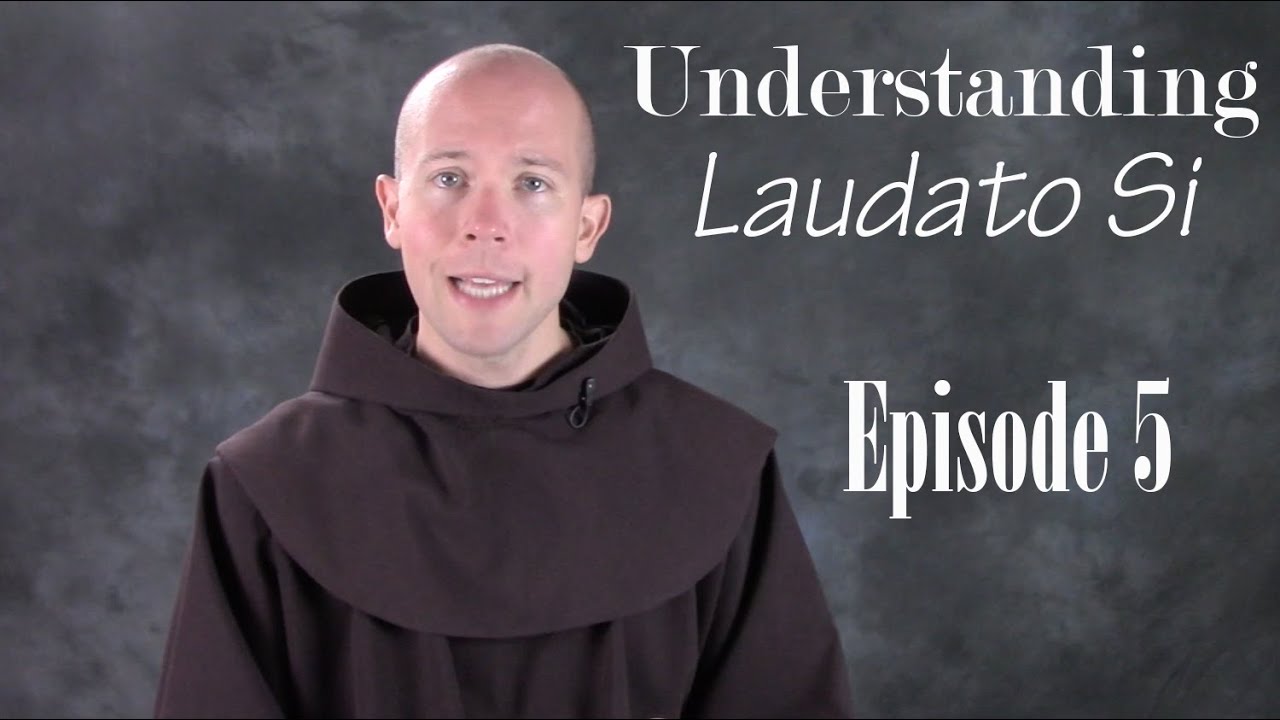
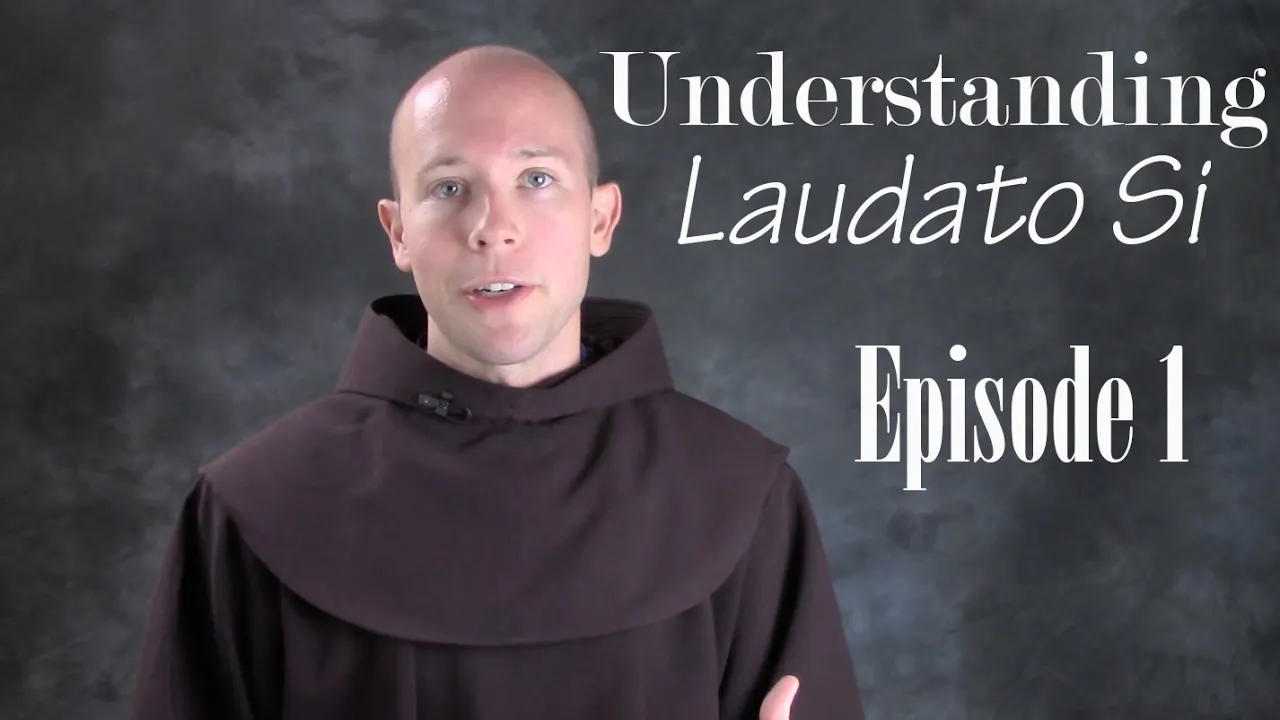
[Music] it's great to be with you thank you for joining us for this first installment of understanding lto C but before uh we take a look at the text itself before we get deep into the encyclical what I'd like to do in this particular segment to kick things off is to talk about the context into which uh Pope francis's encyclical enters that uh this is not by any means the first instance or the first time that uh the Christian Community has offered a reflection on what it means to be a human person what our relationship
to the rest of creation is and how we understand in in according to our faith uh what the rest of creation is all about how our loving God has brought this world into existence so to better understand uh what's so significant what's new uh what's in continuity uh with the previous teaching and tradition what um may be particularly insightful for those of us here in the 21st century all these different aspects of the encyclical that are really speaking to the hearts and minds of so many people today um I think it's helpful to take a
look at three different categories three different what we might call models or ways of thinking about Humanity's relationship to the rest of creation now these three different approaches have uh been present over the course of the last 2,000 years as various theologians and scripture Scholars Saints and ordinary Christians have taken the time to reflect on their role in the cosmos their role in relationship to the rest of creation uh their particular Reflections have fallen under one of these three headings the Dominion model of creation what we call the stewardship model of creation and what we
call the kinship or more recently the community of creation model now these three different approaches these three different ways of understanding creation and Humanity place within creation um have similar things in common on the one hand they all affirm from a starting point that uh God lovingly brought creation into existence there's no doubt about that all three of these approaches all three of these headings and the various ways to consider creation that might fall underneath them take that for granted um another thing that all three of these aspects of uh three different models or categories
for thinking about uh creation and Humanity's place within creation uh take for granted or take in account is the sacred scripture all three point to uh both the Old Testament or the Hebrew Bible and the New Testament and say well we find resources and ways of understanding what's written in sacred scripture to justify or to support this particular way of understanding what creation is all about what God intends with creation uh what God has planned or intends for Humanity with regard to the rest of creation let me say a little bit about the first model
uh the so-called Dominion model of creation Now those who espouse those who kind of uh favor this approach uh tend to focus on the first creation narrative in the Book of Genesis its title the Dominion model itself comes from Genesis 1: 26 in which we read at least in English translation that God has given human beings dominion over creation two verses later in uh chapter 1 verse 28 of Genesis we'll read as well that human beings have been G have been instructed rather to subdue the Earth uh as well and it's these two passages these
two in fact Hebrew words in Translation that have been taken out of context we might say over the course of the last two Millennia over the course of many centuries and those who adhere to or or understand Creation in Humanity's relationship to Creation according to the Dominion model point to these these passages in particular as their starting point and say now look what God has done is made the human person we come last according to the first Genesis uh Narrative of creation we come on the sixth day toward the end it would seem um you
know the Sabbath is what follows and you know while we may not be the very very last we're certainly very important Best For Last that sort of thing and everything else that came before this whole uh light and darkness the heavens and the Earth the waters and the sky the plants the animals and everything else well these are all of the things that God has built has established as our home and as our resources in other words those who affirm those who hold uh hold on to the Dominion model of creation assert that human beings
are the centerpiece of God's creation first and foremost and that everything else has been created for our use for us to have dominion over for us to subdue or to take over people who hold the Dominion model assert whether they do so uh consciously or not that human beings have a certain sovereignty that being created in the amod Dei which is the Latin for image and likeness of God or image of God uh that means that we are special distinct apart from the rest of creation and that everything that's around us is really like our
home that God has created this beautiful home and given it to us for us to do with as we please now you may understand and you may Intuit it already that that way of thinking about creation and Humanity's place within it uh can lead to a lot of problems and has for sure over the centuries over the last 100 years or so in a particular way in the last 50 years theologians historians philosophers and scientists have all been very concerned about this particular understanding of the human person's relationship to Creation in biblical dollars in particular
have gone back to the texts have gone back to Sacred scripture in in Reading not just these two passages Genesis 126 and 128 out of context but looking at Genesis 1 with Genesis 2 with the whole of the Book of Genesis with the whole of sacred scripture with all that we believe in terms of our theological trai tradition Scholars have decided that you know this isn't actually in fact what it means to be a Christian or to hold a Christian view of creation and human 's relationship to it in fact as a sneak peek at
what's to come as we look at l c in particular Pope Francis at one point says very explicitly that this understanding reading Genesis reading the the sacred scripture to suggest a Dominion model that human beings have the right to dominate or to have Sovereign authority over all of creation to do with it as we please he says this is not a reading of the scripture that is in consistent teaching with the church this is not what we believe so uh what's happened instead is that scripture Scholars and theologians uh ordinary Christians people of good faith
good will have gone back to the Bible have gone back to the tradition have gone back to things like science and other resources of human learning and knowledge to say well wait a minute okay if this Dominion approach doesn't really work if this doesn't make sense how can we understand what it means to talk about creation and Humanity's relationship to it this is where the second category the second model arises the so-called stewardship model this approach is uh somewhat similar to the Dominion in the sense that human beings still hold a central part a central
place within creation uh a special place indeed but it's different in the sense that God hasn't made all of creation animals and plants the Earth the rest of the universe for our needs for our use alone Instead This World this Cosmos this universe what is in Greek called an oos or household this is actually the household of God it belongs to God and it has been entrusted to us as human beings it has been entrusted to us as well as entrusted to the rest of uh all these living creatures that inhabit this planet with us
in fact that's where the uh English title care for our common home comes from in Pope francis's in cyclical this common home is the oos the household of God am the stewardship model takes into consideration not just Genesis 1 but also Genesis 2 where if you remember human beings are created not just out of nowhere but ha from the earth and it's God's very breath God's ruach God's spirit that is breathed into this Earth creature this Adam this you and me we human beings that are made along with and from all the same elements and
aspects of the created order as all those creatures around us it's in this Garden it's in this earth it's in this place that uh God instructs human persons in Genesis 2 and Genesis 3 and what follows to be good stewards to be gardeners to be caretakers for all of creation now this is what it means to talk about a stewardship model of creation that we have a vocation as human person's a duty a mandate a responsibility to care for the rest of the Earth to care for our uh fellow creatures on this planet and we
might imagine uh for the rest of the cosmos and universe as well in other words human beings still stand at the center but it's not free reign it's not domination or complete sovereignty it's responsibility it's mediation some uh adherence particularly our brothers and sisters in the Eastern churches will talk about human beings as the priests of creation that you and I serve as mediators offering our prayers and offering all of creation up to God in a joyful Proclamation and celebration of our good Lord our good God so there's certainly an improvement here uh there's a
call there's a responsibility there's a um we might say uh a call to action that's involved here that we to be a steward doesn't mean we just do as we please or that we just do nothing or we just let things happen as they happen but rather we have to be actively engag engaged in caring for and uh cultivating this planet this world uh this this oos of God now there have been some people over the course of centuries over the the Christian Millennia that uh have found that even the stewardship approach as a way
of thinking doesn't go far enough isn't quite uh in line with what it means to think about creation from a Christian perspective or what it means to talk about being a human person in relationship with the rest of creation people like our very own St Francis of AI uh the founder of The Franciscan friars which I am one you can tell from my uh Brown habit here uh the inspiration at the core and center of Pope francis's own Ministry now he's a trained as a Jesuit priest a wonderfully prayerful man uh in in intellectual a
scholar um he was at one point a director of a seminary and a superior in the Jesuit Community uh brilliant thinker and organizer and leader but there seems to be something of a Franciscan heart within him in fact he took the name Francis of AI for a reason in addition to his identification with uh Evangelical poverty Francis of AI has long been associated with uh care for creation with ecology with the environment in fact it was in the early 90s that uh Pope Pope John Paul II now St John Paul II declared Pope Francis of
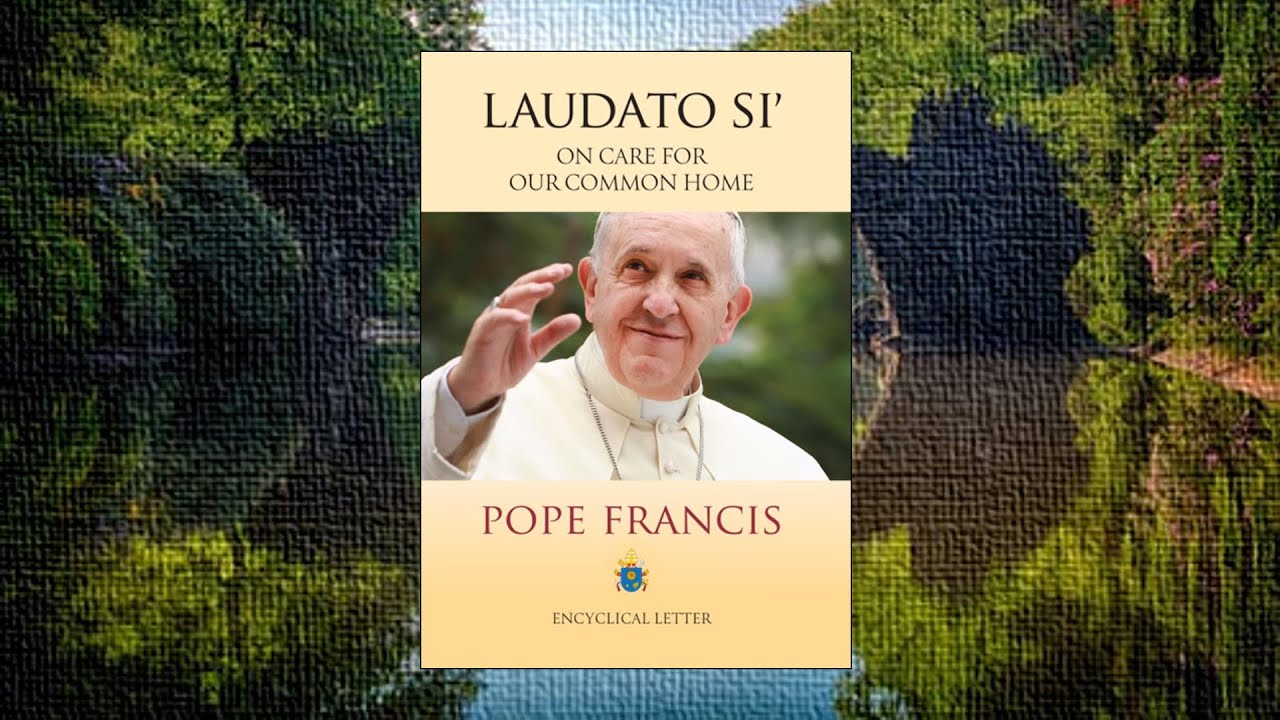
AI the patron saint of those who were for ecological justice so it's no accident that Pope Francis takes the title Lao C for his incal from the Italian of the first two Italian words of St Francis of A's famous Canticle of the creatures praise be you my lord which is how it begins and lto C is uh is is a is the untranslated praised be or praised be you my lord now unfortunately I think a lot of people have a tendency to romanticize Francis of AI to say oh he's the guy who preached to birds
he's the guy who loved deer he's the guy who tamed The Wolf of gubbio he's the one who gathered all the animals around him in greto uh during the celebration of Christmas that one winter and all these things are to some extent very true um there's no doubt about that Francis of AI had a particular fondness and love for non-human animals but here's the thing that's easily overlooked in the canle of the creatures when he called his other aspects of creation including inanimate objects or non sensient creatures like the sun and the moon or water
or fire um wind Mother Earth all these aspects of the created order Francis refers to as brother or sister or mother and often times we just romanticize that like we do with the stories of him with the animals but at the heart of The Franciscan Tradition at the heart of St Francis of A's nature mysticism is a deep understanding for our interconnection our interdependence and our inter relationship with all of creation Now the stewardship approach is a vast improvement over that Dominion model of creation that says that this is just our territory our land our
playground to do with as we please and the stewardship approach says well no this is uh the Earth this is the world the universe that belongs to God and is UN loan to us but the kinship model of creation starts from a different place and says we we human beings you and I we all of us are creation we are not middle men or women we are not aliens kind of placed here from without we are part of Creation in the true sense that comes to us in the second creation account in Genesis in Genesis
chapter 2 we are our very being our physical corporeality this is made of the same elements made of the same Stardust as the quote often attributed to Carl Sean pun said we are made of the same elements oxygen and nitrogen and carbon and all those other things uh that that make up our very physical beings these are the same things that everything else in creation are composed of we are part of the same family we share deeply deeply deeply a DNA that is so close to so much of the world around us and on the
IC level we're almost indistinguishable from the rest of creation science has shown us this and it's not something to be feared or something to uh be concerned about reconciling with our faith instead as Francis of CI ined it's okay to celebrate in fact this is what God has intended for us to hold up and lift up and join with the rest of creation and praising God because we too are creatures not unlike the animals around us the plants that we eat or consume or that uh photosynthesize so that we might breathe the water that nourishes
us and sustains us and gives us life and the whole earth and so on there's so many aspects of this created order this created World in this universe that we often times just take for granted or that we think we're so apart from or different from so this kinship model of creation um it begins with an emphasis on our our connection on our interdependence and Inter relationship it says that we are not rulers nor are we landlords of this oos of God but rather we are siblings and family members of the rest of creation and
Pope Francis will emphasize this at various points in Lao um you know people sometimes are concerned when they hear me talk about the kinship model of creation they say okay well if we're all family if we're all part of this community of creation well what actually then what kind of call or responsibility do we have to do anything about caring for the rest of it and that's where um this idea of um you know not a responsibility or a job or a duty like one is hired to be a steward or one is enslaved to
care for another as we might imagine in the stewardship uh model of creation nobody asked us to be stewards of creation it's just sort of expected or demanded of us instead if we start from a perspective that we are family members that we are kin that we are interrelated with the rest of creation then our place of response our care for the rest of creation is one of love it's one of familial connection it's one of what St Bonaventure uh Franciscan uh who also happened to be a saint a doctor of the church a brilliant
Theologian he said that we are called to be Pious going back to the original word in Latin paas which means Duty or care responsibility for one's family one is pious one exhibits piety when they're fulfilling their familial obligations not not from a place of uh external responsibility or as if one was hired but from a place of love and concern and devotion so as we move forward it's important for us to think about these three different categories to keep them in mind to have a sense of the history the kind of landscape uh the environment
as it as it might be of uh Christians reflecting on Theology of creation um and with appreciation for the Dominion model of creation what that means uh how that's been used to justify mountaintop removal and pollution of waterways uh the overuse of water like we've seen here in the United States with the Colorado River and the devastating effects of overuse of water and the drought in in our Western States and Southwestern States um it's been used to justify uh the extraction of of uh natural gas and of uh you know carbon based fuels coal and
oil and so on and it's and it's burning and it's use um uh the stewardship model of creation has come in as a corrective to that and it's what most people affirm today most Christians and theologians at least as a starting point will say this is the better approach this is the way to move forward but there has always been this minority tradition that we should keep in mind as well this kinship or community of creation model in which we recognize as our starting point our interdependence inter relationship in familial bonds with all that exists
in this world that God has created us just as God has created everything else in this world and loves us and loves that creation as well so as we continue to reflect on l c I hope this initial although somewhat lengthy uh introductory presentation may be of some use to you um it certainly will help us to serve as a reference point uh a reference point rather as we move forward and look at uh the text itself may the Lord give you peace [Music]